



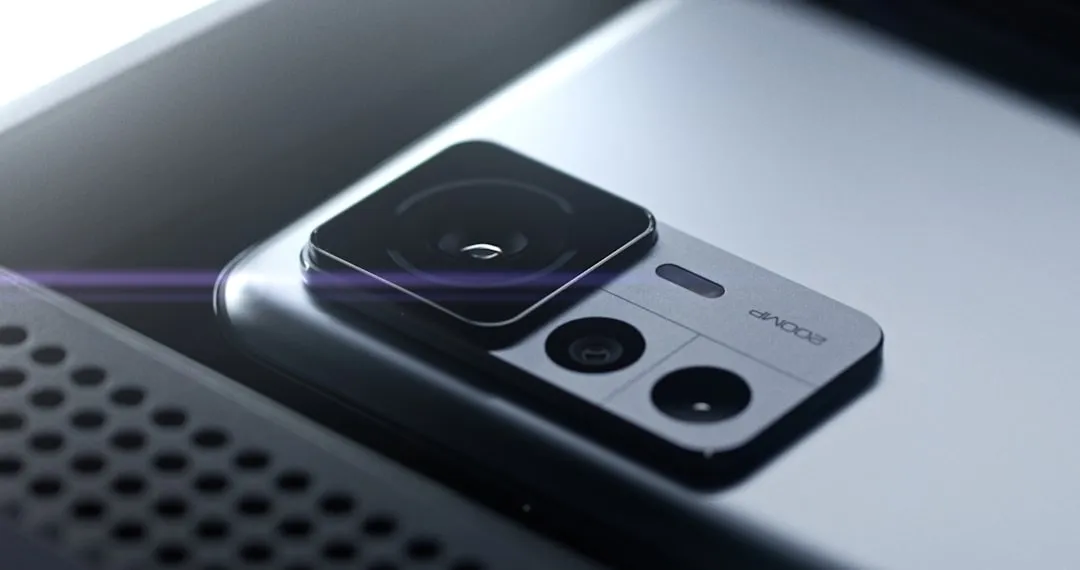
Xiaomi's modular smartphone camera concept—first teased years ago—is reported by tipsters to be moving from prototype to possible production in 2025 (unconfirmed), according to recent industry leaks. The idea is bold: instead of locking users into a fixed camera setup, magnetically attach specialized lenses and sensors as needed. While the concept initially surfaced as a flashy demo, new tipster reports suggest Xiaomi is preparing to launch a consumer-ready version this year (2026). For anyone who's ever wished their phone could swap between a telephoto zoom and a macro lens on the fly, this could be a game-changer—or just another ambitious idea that fizzles in real-world use.
The modular phone dream has stumbled before (remember Project Ara?), but Xiaomi's approach focuses narrowly on cameras rather than overhauling the entire device. Early prototypes demonstrated magnetic attachment points that let users click different camera modules onto the phone's back, potentially offering professional-grade optics without carrying a separate camera bag. If Xiaomi can nail the execution—balancing durability, affordability, and genuine image quality improvements—this could succeed where broader modular concepts failed. But the technical and market challenges are substantial, and history suggests caution.
Why modular cameras matter for smartphone photography
Here's the thing about smartphone cameras: they've gotten really good, but they've also hit some hard walls. You get excellent computational photography that makes your vacation photos look magazine-ready, but the physics of tiny sensors and fixed lenses impose limits that no amount of AI processing can overcome. A 1/1.3-inch sensor can only gather so much light, and a 24mm-equivalent lens can't suddenly become a true telephoto without optical compromises. Modular cameras could break through that ceiling by letting users attach larger sensors, specialized optics, or even thermal imaging modules when the situation demands it. Xiaomi's concept reportedly uses strong magnets and electrical contacts to secure and power each module, avoiding the clunky screw-on adapters that plagued earlier attempts.
This modularity isn't just about optical performance—it's about matching your hardware to specific creative workflows. Imagine swapping to a wide-angle module for landscapes, then clicking on a macro lens for close-up product shots, all without carrying multiple devices. For content creators, vloggers, and photography hobbyists, that kind of on-the-fly adaptability could rival entry-level mirrorless cameras in versatility, if not absolute image quality. The real test will be whether the modules deliver results that justify their bulk and cost, or if they end up as expensive accessories gathering dust in a drawer.
These capabilities sound compelling on paper, but they come with real-world compromises that could make or break daily usability. Modular systems add weight, complexity, and potential points of failure. Magnetic attachments need to be strong enough to survive a pocket or backpack, yet easy enough to swap quickly. And if each module requires separate firmware updates or app support, user experience could get messy fast. Xiaomi's challenge is making modularity feel seamless, not like a science experiment every time you want to take a photo.
The ecosystem question: accessories, standards, and compatibility
Let's break it down: one modular camera is interesting; a whole ecosystem of interchangeable modules is transformative. For this concept to thrive, Xiaomi would need to build—or encourage third parties to build—a robust lineup of camera modules:
Core optics: Telephoto (3x-10x optical zoom), ultra-wide (14-16mm equivalent), true macro (1:1 magnification)
Specialty sensors: Monochrome for black-and-white photography, larger sensors (1-inch or APS-C) for serious enthusiasts
Professional tools: Infrared for thermal imaging, astrophotography modules with extended exposure capability, high-speed modules for slow-motion capture
The leaked details hint at a proprietary magnetic connector, which could either lock users into Xiaomi's ecosystem or open the door for licensed partners to create compatible gear. Think telephoto modules in the $150-200 range, specialty lenses around $100, and professional-grade sensors potentially reaching $300 or more.
History shows that proprietary accessory standards can stall innovation if the market is too small. Motorola's Moto Mods had potential but fizzled partly because the accessory catalog remained thin and expensive. Xiaomi's advantage is its massive global user base and manufacturing scale—if the company commits to producing a diverse module lineup and prices them competitively, the ecosystem could gain real traction. The risk is fragmentation: if only a handful of Xiaomi phones support the system, developers and accessory makers may hesitate to invest.
There's also the question of longevity. Will modules designed for a 2025 phone work with a 2027 model, or will Xiaomi iterate the connector and leave early adopters stranded? Open standards—like USB-C for data and power—have succeeded because they're vendor-neutral and future-proof. A closed, rapidly evolving modular camera system could frustrate users who invest hundreds in accessories only to find them obsolete within a product cycle or two. The connector evolution question matters because Xiaomi's own product cycles typically move fast—potentially three phone generations could emerge before modules see meaningful return on investment for early adopters.
Durability, design, and everyday practicality
Modularity sounds great in a keynote demo, but daily use is where concepts often stumble. Magnetic attachments must withstand drops, moisture, and the constant jostling of pockets and bags. Xiaomi's prototypes showcased a flush magnetic mount, but production units will need robust weatherproofing and secure locking mechanisms to prevent accidental detachment. If a $200 telephoto module pops off mid-hike and shatters, user trust evaporates instantly.
Design is another hurdle: modular cameras add bulk. Smartphones have trended toward sleek, thin profiles, and bolting on chunky camera modules could make the device feel more like a brick than a modern phone. Xiaomi will need to balance module capability with portability—perhaps offering slim "everyday" modules and bulkier "pro" options for serious photography. The base phone itself may need a thicker, heavier build to accommodate the magnetic system—think 10-12mm versus the typical 8mm flagship, closer to rugged phone territory than everyday devices. That extra heft might appeal to photographers willing to trade pocketability for capability, but it's a tough sell for mainstream users accustomed to lightweight flagships.
PRO TIP: If Xiaomi's modular system launches, wait for third-party stress tests before investing in expensive modules. Early production runs often reveal attachment weaknesses that later batches address.
Then there's the software side. Seamless module detection, instant app integration, and reliable performance are non-negotiable. Module recognition needs to happen in under a second with visual confirmation—anything slower and users will default to their built-in cameras rather than risk missing the moment. Xiaomi's track record with MIUI software is mixed—polished in some areas, buggy in others—so the company will need to nail the user experience from day one to make modularity feel like a feature, not a chore.
Market viability: niche innovation or mainstream appeal?
Modular cameras could carve out a profitable niche among enthusiasts and professionals who value flexibility over simplicity. But can they achieve mainstream success? The rumored 2025 launch timeline suggests Xiaomi believes there's demand beyond early adopters, yet pricing and marketing will determine whether casual users bite. If the base phone costs the same as a flagship and modules run $100–$300 each, the total investment could rival a dedicated camera setup, limiting appeal to those who truly need that versatility.
Competition is fierce: Apple, Samsung, and Google have doubled down on computational photography, using AI and software to squeeze impressive results from fixed hardware. For many users, that's "good enough"—they'd rather have a reliable, pocketable camera than juggle modules. Xiaomi's pitch must be compelling: modular cameras aren't just better, they're different, offering capabilities no amount of computational wizardry can replicate. That might resonate with vloggers, travel photographers, and tech enthusiasts, but convincing the average smartphone buyer is a tougher sell.
The concept may find stronger footing in Asia and Europe, where Xiaomi's brand recognition is higher and users show more willingness to experiment with non-traditional form factors. There's also the question of timing. Foldable phones, under-display cameras, and AI-driven image processing are capturing headlines and R&D budgets. Modular cameras feel almost retro by comparison—a throwback to the days when customization and tinkering defined tech culture. If Xiaomi can position modularity as the next frontier rather than a nostalgic experiment, the concept might gain momentum. To break through, Xiaomi might need to bundle modules with the phone at launch, offer trade-in programs for old modules, or partner with content creator platforms to demonstrate real-world advantages that computational photography can't match.
What this means for the future of smartphone design
Whether Xiaomi's modular camera succeeds or flops, the attempt itself signals something important: the smartphone industry is hunting for the next big leap. We've reached a point where annual upgrades feel incremental—slightly better processors, marginally improved cameras, fractionally longer battery life. Modular design, if executed well, could inject genuine innovation back into a stagnant market, giving users real reasons to upgrade and experiment.
The 2025 launch window also aligns with broader trends in consumer electronics: sustainability, repairability, and user agency. Modular systems reduce e-waste by letting users upgrade specific components rather than replacing entire devices. If Xiaomi pairs the camera concept with user-replaceable batteries, swappable storage, and long-term software support, it could position itself as a leader in sustainable smartphone design—a narrative that resonates with environmentally conscious buyers. That's not just good marketing; it's addressing a real concern as consumers become more aware of the environmental cost of constant upgrades.
Beyond the environmental benefits, which matter regardless of commercial success, Xiaomi's real contribution may be forcing the industry to reconsider what "innovation" means in a mature market. The real legacy of Xiaomi's modular camera may not be the product itself, but the conversation it sparks. If competitors take note and experiment with their own modular features—whether cameras, batteries, or displays—we could see a shift away from sealed, disposable devices toward more flexible, long-lasting hardware. If even one major competitor experiments with modular batteries or displays in response, the entire "sealed device" paradigm could begin to crack—and that shift would benefit consumers far beyond this single camera concept.
Bottom line: innovation requires risk, and Xiaomi deserves credit for taking a swing at something genuinely different in an industry that often plays it safe. Whether the modular camera becomes the future of smartphone photography or a fascinating footnote in tech history, the attempt reminds us that there's still room for bold ideas in a category many assumed was fully mature.











Comments
Be the first, drop a comment!