



Google Pixel 9 Pro Fold vs Samsung Galaxy S25: Which to Buy
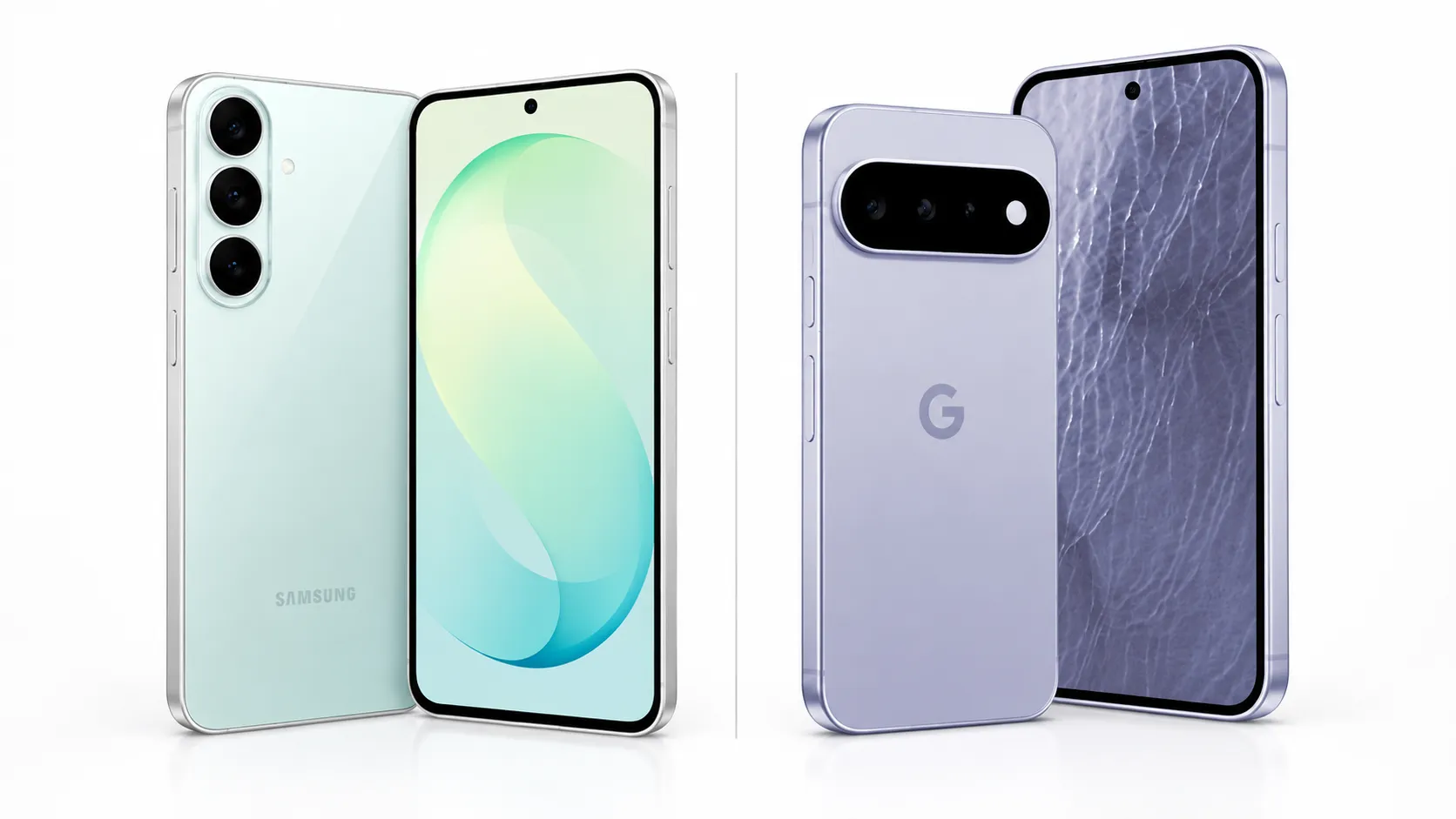
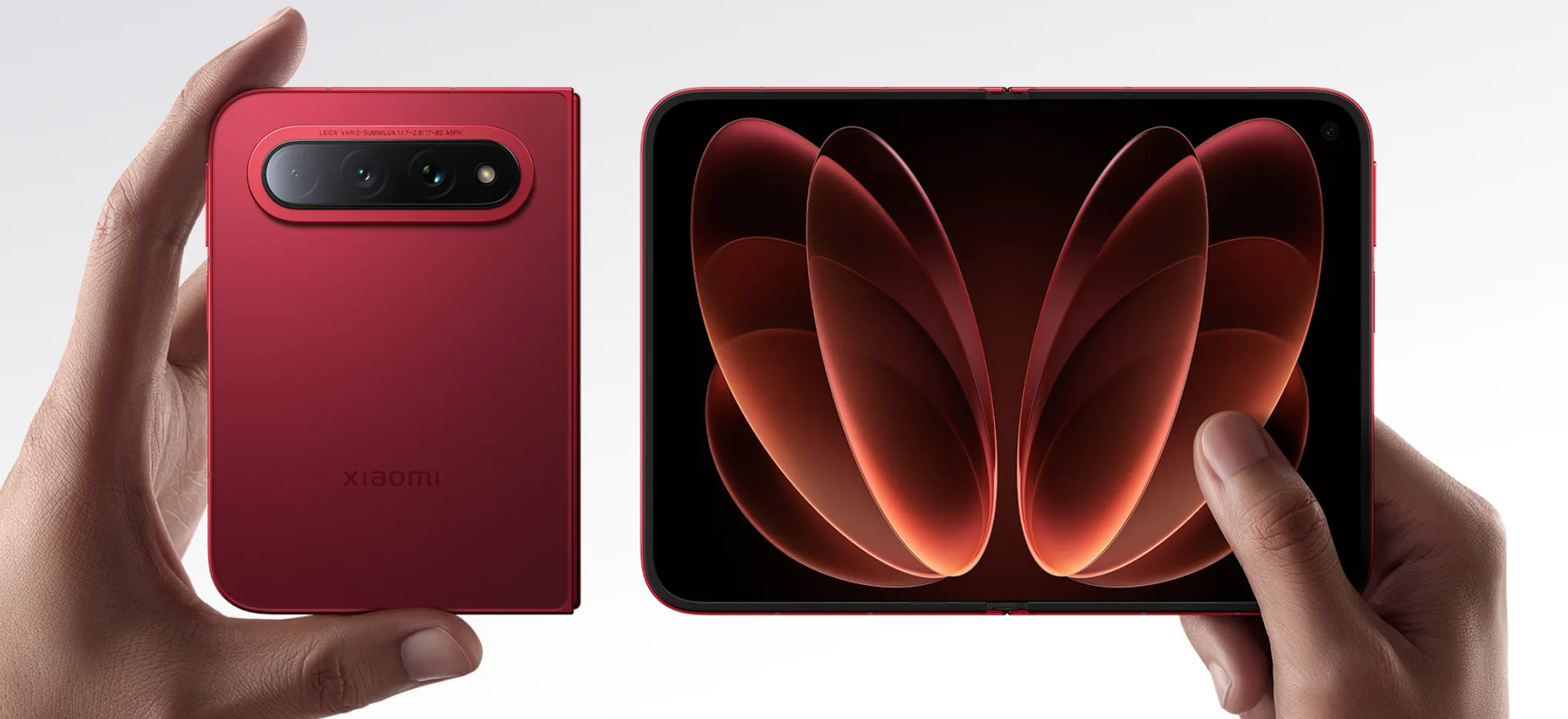
The Google Pixel 9 Pro Fold presents a specific kind of buying dilemma. Closed, it's a 6.3-inch smartphone. Open, it's an 8-inch tablet. The Galaxy S25 is a 6.2-inch phone that fits in a back pocket and does exactly what it promises. The question this comparison actually answers isn't which device is better in the abstract it's whether a bigger screen justifies everything you give up to get it, especially when a discounted foldable starts closing the price gap with a compact conventional flagship.
Before getting into the specs: most published comparison data pits the Galaxy S25 against the standard Pixel 9 Pro slab, not the Fold. Both share Google's Tensor G4 chip, but confirmed camera and battery specs specific to the Fold are not available in the sources used here. Where slab data is being applied as a proxy, the article says so. The goal is honest decision guidance.
What's confirmed about the Pixel 9 Pro Fold:
- 6.3-inch exterior display, 8-inch interior display, 16GB RAM, 256GB base storage (Android Authority reported in September 2024)
- No dust resistance claim from Google; hinge reacted badly to debris in durability testing (Android Authority)
- The exterior screen resists scratches to Mohs 6; the device holds up to snap pressure when closed, but the open interior screen is vulnerable to backward pressure (Android Authority)
What's confirmed about the Galaxy S25:
- Starts at $799.99 for 128GB; arrived in stores in February 2025 (How-To Geek noted this at launch)
- The Pixel 9 Pro slab launched at $999 and has since dropped to $849 standard retail, with deeper discounts for in-store carrier activation (How-To Geek)
- Both devices carry a seven-year commitment to OS and security updates (How-To Geek)
What the Fold changes in daily life and what it costs you
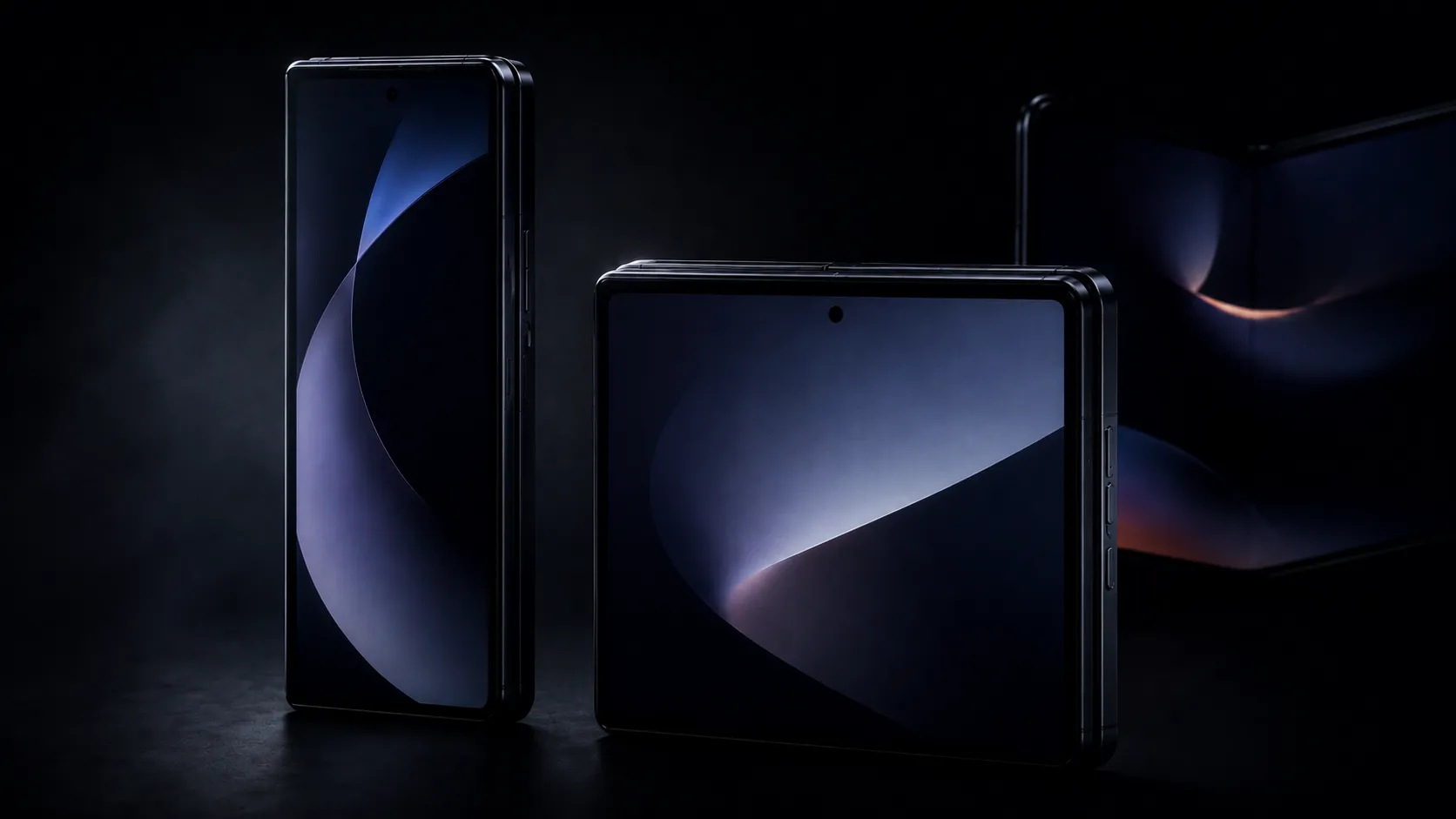
Start here, because the rest follows from it. The 8-inch interior display is the entire argument for choosing the Fold. On a screen that size, split-screen multitasking stops being a feature and becomes a genuinely different way to use a phone two apps running simultaneously with enough room to actually read and interact with both. Reviewing a document while referencing a browser tab, watching video while keeping a chat thread open, running a spreadsheet alongside a calculator: these stop feeling like workarounds. The Fold's 16GB of RAM should help keep more apps active in memory, reducing the degradation that comes with stacking additional windows (Android Authority). The Galaxy S25 runs 12GB, which is fine for a conventional phone but less suited to the kind of simultaneous app juggling the Fold is built around (How-To Geek).
The outer screen handles normal phone life without asking you to unfold for every interaction. The big screen is there when you want it; when you don't, the device behaves like a phone.
But here's what that extra screen costs. The Galaxy S25 measures 146.9 x 70.5 x 7.2mm and weighs 162 grams trim, light, comfortable in one hand (How-To Geek). Sourced Fold dimensions and weight aren't available here, but the form factor reality is straightforward: a device that folds an 8-inch tablet into a pocket will always be thicker and heavier than one that doesn't. Over a full day, that presence is something you feel. The Galaxy S25 disappears into a routine. The Fold doesn't.
The durability gap is worth taking seriously. Google makes no dust resistance claim for the Pixel 9 Pro Fold. During durability testing, the hinge produced distressing sounds under even light debris exposure, consistent with that absent rating (Android Authority). When opened flat, backward pressure damages the interior screen before the hinge gives out a vulnerability no slab phone shares. The exterior holds up to Mohs 6 scratch hardness and the device resists snapping shut, but the open-flat exposure is real (Android Authority). The Galaxy S25 carries a full IP68 rating, as does the Pixel 9 Pro slab (How-To Geek).
The Fold earns its complexity for people who currently carry both a phone and a tablet, or who regularly do screen-intensive work documents, media, research and would consolidate into one device. For most others, the bigger screen is something they'd use occasionally and pay for constantly.
What both phones share and when the price gap closes
Some of the loudest differentiators in phone comparisons turn out not to matter. The Galaxy S25 and the Pixel 9 Pro slab share an ultrasonic under-display fingerprint sensor, always-on display, USB-C, Gorilla Glass Victus 2 on front and back, an aluminum frame, and an IP68 rating confirmed for those two devices specifically (How-To Geek). Both commit to seven years of OS and security updates. That shared foundation means the actual decision comes down to form factor, performance, camera, and price.
On price: this comparison only makes sense under a specific market condition. The Pixel 9 Pro Fold's launch pricing is not documented in the sources used here, so the comparison hinges on a conditional. If the Fold discounts into proximity with the Galaxy S25+ which starts at $1,000 for 256GB (Android Police) the form factor conversation becomes worth having. The Pixel 9 Pro slab has already moved from $999 to $849 in standard retail since the S25 arrived, with carrier activation bringing it further (How-To Geek). A reasonable threshold: if the Fold is within $200-$300 of the S25+, the premium for the larger screen starts to make sense for the right buyer. If it's still near launch premium, the conventional flagship is the more defensible choice.
One sourcing note that matters throughout: the Android Police piece used here compares the Galaxy S25+ to the Pixel 9 Pro, not the standard S25. Where specs differ between the S25 and S25+ particularly battery and charging this article identifies which device the data describes rather than treating them as interchangeable.
Google Pixel 9 Pro Fold vs Samsung Galaxy S25 specs: what the evidence actually supports
Performance
The Galaxy S25 runs Qualcomm's Snapdragon 8 Elite for Galaxy, a 3nm chip that How-To Geek describes as Qualcomm's latest flagship processor for Android and in benchmark-oriented comparisons, it's the faster chip. For gaming, sustained compute loads, or anything that saturates CPU and GPU resources, the S25 has a clear edge. Google designed the Tensor G4 around different priorities. After the Pixel 9 Pro's launch, Google stated publicly that the chip is built for day-to-day use and running on-device AI features efficiently, not for benchmark performance (How-To Geek). For 4K video, navigation, and general app use, either chip handles it without complaint.
The Fold's relevant performance advantage isn't the chip it's the 16GB of RAM versus the S25's 12GB (Android Police). For the multitasking the Fold is designed around, that memory headroom matters more than raw clock speed.
Camera
Confirmed camera specs for the Pixel 9 Pro Fold are not in the sources used here. What follows describes the Pixel 9 Pro slab. If the Fold uses the same or similar sensors which is plausible but unverified the general direction would hold. Treat it as an inference, not a verdict.
With that framing in place: Google's imaging hardware is stronger on paper. The Pixel 9 Pro carries a 50MP main sensor, 48MP ultrawide with autofocus, and a 48MP 5x telephoto, outresolving the Galaxy S25 across zoom ranges from 0.5x to 10x (How-To Geek). Samsung's counter is a 50MP main, 12MP ultrawide, and 10MP 3x telephoto, paired with AI-driven video noise reduction, Log format support for professional editing, and Audio Eraser previously a Pixel exclusive (How-To Geek; Android Police). On stills and zoom, the Pixel 9 Pro slab has the hardware advantage. In video processing flexibility, Samsung competes harder than the raw specs suggest.
Battery and charging
The evidence here is genuinely conflicted. For the standard Galaxy S25, Samsung rates a 4,000mAh battery with 25W wired charging and up to 29 hours of video playback (How-To Geek). The 45W charging and 4,900mAh figures that appear in some comparisons describe the Galaxy S25+, not the standard S25 worth flagging because the two are frequently conflated.
For the Pixel 9 Pro slab: How-To Geek puts the battery at 4,700mAh with 45W charging capable of reaching roughly 55% in 30 minutes, rated at over 24 hours endurance. Android Police found a practical charging ceiling of 27W in testing and recorded five to six hours of screen-on time under real conditions. The safest read: anchor on the 4,700mAh capacity as the spec-sheet figure, treat charging-speed claims with some caution, and expect screen-on time to vary with use patterns.
Fold-specific battery figures are not available in the sources used here. No battery comparison involving the Fold is on solid ground until those numbers are confirmed.
Software and who should actually buy which phone
Software
The Pixel 9 Pro slab ships with stock Android 15, and that's what the research confirms. Whether the Fold's software experience differs in any meaningful way isn't documented in the sources used here. The reasonable assumption is that both Pixel devices share the same software platform, but that's an assumption rather than a sourced fact.
What is sourced: the Pixel 9 Pro's software suite includes Gemini, Pixel Studio, Pixel Screenshots, and Call Notes, alongside Android 15 security features like Theft Detection and Private Space (How-To Geek). The Galaxy S25 ships with One UI 7, which integrates Gemini deeply enough to handle multi-step tasks across Samsung and Google apps pulling a Gmail event into Calendar in a single instruction, or recognizing phone numbers directly on screen through Circle to Search (How-To Geek). One UI adds considerable customization on top of Android; that's a feature for some buyers and friction for others. Neither approach is objectively better it depends on whether you want more configuration surface or simpler defaults.
Who should buy which phone
Three profiles, no hedging:
Buy the Galaxy S25 if you want a capable conventional Android flagship at a price that's straightforward to justify. Compact, IP68-rated, fully documented, fast on demanding workloads. At $799.99 to start, it's the lower-risk choice and for gaming or sustained performance, the Snapdragon 8 Elite gives it a clear edge (How-To Geek). This is the phone that disappears into a routine.
Consider the Fold if the price is right specifically, if it's within $200-$300 of the Galaxy S25+ at $1,000 for 256GB (Android Police) and if you currently carry both a phone and a tablet, or regularly do document, media, or research work that genuinely benefits from a larger canvas. The 8-inch display and 16GB of RAM are a real productivity combination for the right use case. At or near launch premium, the conventional flagship is the more rational call for almost everyone.
Skip the Fold entirely if you spend most of your phone time one-handed, if your phone regularly ends up in bags, dusty environments, or anywhere that tests an IP rating, or if you've never actually used a tablet regularly enough to miss one. The form factor asks real things of its owner in care, in handling, in daily bulk that only pay off if the larger screen earns its place in your actual workflow.
The Fold buys productivity flexibility and media immersion. The S25 buys convenience, physical certainty, and lower ownership anxiety. One is the right tool for a specific kind of user. The question worth answering honestly, before the Fold earns a place in your pocket, is which kind of user you actually are not which kind you imagine yourself to be.






Comments
Be the first, drop a comment!