





Xiaomi 18 Pro Max Camera Leak Reveals Dual 200MP Setup
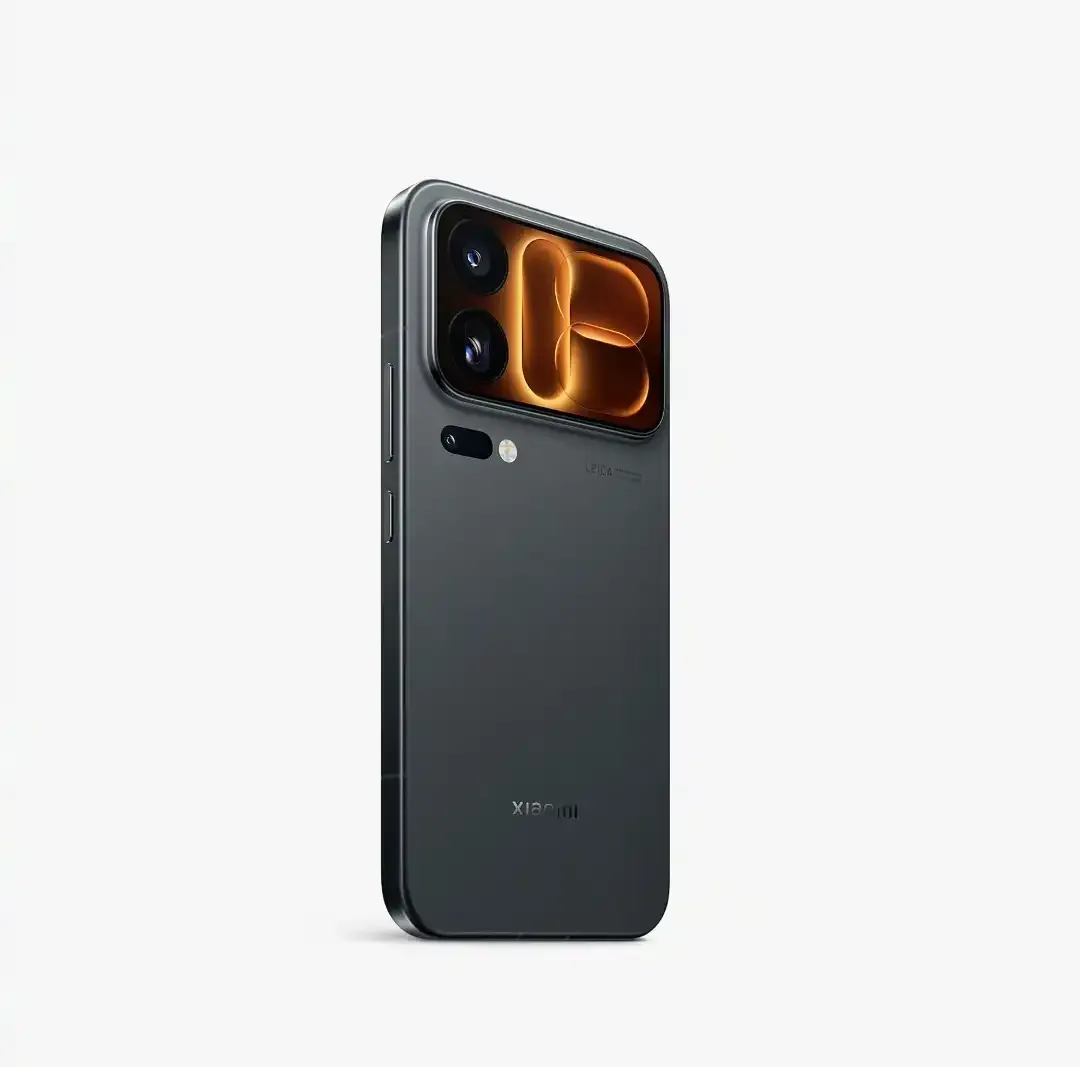
A Xiaomi 18 Pro Max camera leak reported by Notebookcheck last week has been widely interpreted online as describing a phone with three 200MP cameras. The source doesn't say that. Tipster Digital Chat Station describes a 200MP main sensor and a 200MP telephoto. The third lens, the ultra-wide, may use a 50MP sensor based on a separate, earlier leak. Two high-resolution cameras, not three.
The distinction matters for what the leak actually suggests. A dual 200MP configuration, with matched resolution across the main and telephoto sensors, would be unusual for a shipping flagship. There is hardware in production within Samsung's sensor ecosystem to support the concept. Whether Xiaomi uses it, and whether any finished device delivers on it, is a separate question entirely.
What the Xiaomi 18 Pro Max camera specs actually show
The main camera is tipped at 200MP with LOFIC technology, a circuit design that increases how much charge each photodiode can hold before clipping, which benefits high-contrast scenes by reducing blown highlights. The telephoto is also reportedly 200MP. The ultra-wide figure comes from a separate, earlier leak, per Notebookcheck, and the more recent tipster report doesn't confirm it reaches the same resolution as the other two sensors.
The "triple 200MP" framing circulating online compresses two distinct leaks into one tidier claim. What holds consistently across the July report is the dual 200MP configuration for the main and telephoto cameras only. The ultra-wide appears to be a conventional 50MP module.
One calibration note: the entire spec picture rests on a single tipster report with no corroboration from supply-chain sources or Xiaomi. These figures are directionally interesting. They are not confirmed.
For competitive context, Samsung's Galaxy S24 Ultra pairs a 200MP wide-angle camera with a 50MP telephoto, according to Samsung. That resolution gap between primary and secondary sensors is precisely what makes the telephoto rumor notable. A 200MP telephoto, if real, would represent a meaningful departure from how current flagship camera systems are structured.
Why a 200MP telephoto is plausible now
The hardware class exists. Samsung's ISOCELL HP9, announced in mid-2024, is a 200MP sensor built specifically for telephoto modules rather than main cameras. Packing 200 million 0.56-micrometer pixels into a 1/1.4-inch optical format, it delivers 12% better light sensitivity and 10% improved autofocus contrast performance compared to its predecessor. Samsung described the HP9 as capable of matching premium main cameras in image quality, HDR performance, and frame rate when deployed in a telephoto position.
The functional argument for that kind of sensor comes down to zoom headroom. The HP9 supports 2x and 4x in-sensor zoom through its remosaic algorithm, reaching up to 12x magnification when paired with a 3x telephoto lens, without the resolution penalty of digital cropping. More pixels in the telephoto module means more to crop into, preserving detail that a lower-resolution sensor would discard. It's the difference between zooming into an image and actually capturing it at that level of detail.
Samsung's sensor division framed the strategic direction plainly. "Enhancing image sensor performance and bridging the gap between main and sub cameras to offer a consistent photography experience across all angles is the new direction of the industry," said Jesuk Lee, Executive Vice President and CTO of Samsung's System LSI Sensor Business Team. Whether Xiaomi uses the HP9 specifically is unconfirmed. The point is that a 200MP telephoto sensor is a production reality within Samsung's ecosystem, not a theoretical component someone dreamed up for a spec sheet.
That distinction is worth holding onto: Samsung's sensor announcements establish what this hardware class can do. They say nothing about what Xiaomi will implement, how the processing pipeline will be tuned, or whether a finished device actually closes the gap between raw sensor capability and real-world output.
What would make the Xiaomi 18 Pro Max camera hardware matter in practice
High-resolution sensors create a processing burden that lower-resolution sensors don't. The remosaic step converting a pixel-binned capture back into a full-resolution image takes time, and in sequential processing pipelines that latency shows up as shutter lag. Samsung's E2E AI Remosaic technology addresses this by running the remosaic and image signal processing stages in parallel rather than sequentially, cutting remosaic latency by up to half. Without comparable processing bandwidth, a 200MP telephoto creates a slower camera, not a sharper one.
Pixel binning is the other variable. Samsung's Tetra²pixel technology allows a 200MP sensor to merge groups of neighboring pixels, effectively operating as a 50MP or 12.5MP sensor with proportionally larger pixel sizes in lower light, per Samsung's sensor announcement. A 200MP telephoto with comparable binning could shoot at full resolution in daylight and fall back to a lower-noise, larger-pixel mode at night. That adaptability is what separates a sensor that performs in one lighting condition from one that holds up across a full day of shooting.
The practical outcome, if processing keeps pace: reduced image quality degradation when switching between focal lengths. Anyone who's compared a main-camera shot to a telephoto shot on the same flagship phone knows the visible drop in detail, color accuracy, and dynamic range. That gap is the specific problem this hardware class targets, and it's one of the more persistent frustrations in smartphone photography.
The same leak tips a chipset based on a 2nm process node, likely from the Snapdragon 8 Elite Gen 6 family, per Notebookcheck. The two reported variants a standard version with LPDDR5X memory and an Adreno 845 GPU, and a Pro variant with LPDDR6 memory and an Adreno 850 GPU differ in ways that could affect how well the processing pipeline handles two simultaneous high-resolution feeds. Whether either chip carries the ISP headroom suited to the task, and whether Xiaomi's software stack is built to take advantage of it, won't be answerable until reviewers have the device in hand.
Beyond the cameras: the rest of the rumored spec sheet
The camera specs have dominated coverage, but the rest of the leak fills out a picture of a fairly ambitious device. The Xiaomi 18 Pro Max is tipped to carry a battery larger than 8,000mAh with 100W wired fast charging, per Notebookcheck. For context, most current Android flagships sit in the 5,000-5,500mAh range; a cell above 8,000mAh would be a substantial jump and suggests Xiaomi is prioritizing battery life alongside camera performance in the Pro Max tier.
The same leak describes upgraded dual speakers and a large haptic motor. Neither is a headline specification, but both reflect where flagship differentiation has been heading the overall tactile and sensory experience of using the phone, not just the camera numbers. Xiaomi has historically used audio and haptic improvements as part of its premium positioning, and including them in a pre-launch leak suggests they're treated as selling points rather than afterthoughts.
The Xiaomi 18 series, expected to include the standard Xiaomi 18, Xiaomi 18 Pro, and Xiaomi 18 Pro Max, is tipped for a Q4 2026 debut, per Notebookcheck. That gives roughly four to six months for additional leaks to either corroborate or quietly contradict the current spec picture.
What the Q4 launch will have to answer
The current evidence supports a flagship with a 200MP main camera and a 200MP telephoto. It doesn't support three 200MP lenses; the ultra-wide is reported at 50MP from a prior leak, and that's the ceiling of what's been sourced.
The underlying trend the rumor reflects has real hardware behind it. Samsung had a 200MP telephoto-capable sensor in production by mid-2024, and the company's stated direction is to narrow the quality gap between primary and secondary cameras. Xiaomi's rumored configuration fits where the sensor industry was already heading, which is part of what makes it credible as a directional signal even without corroboration.
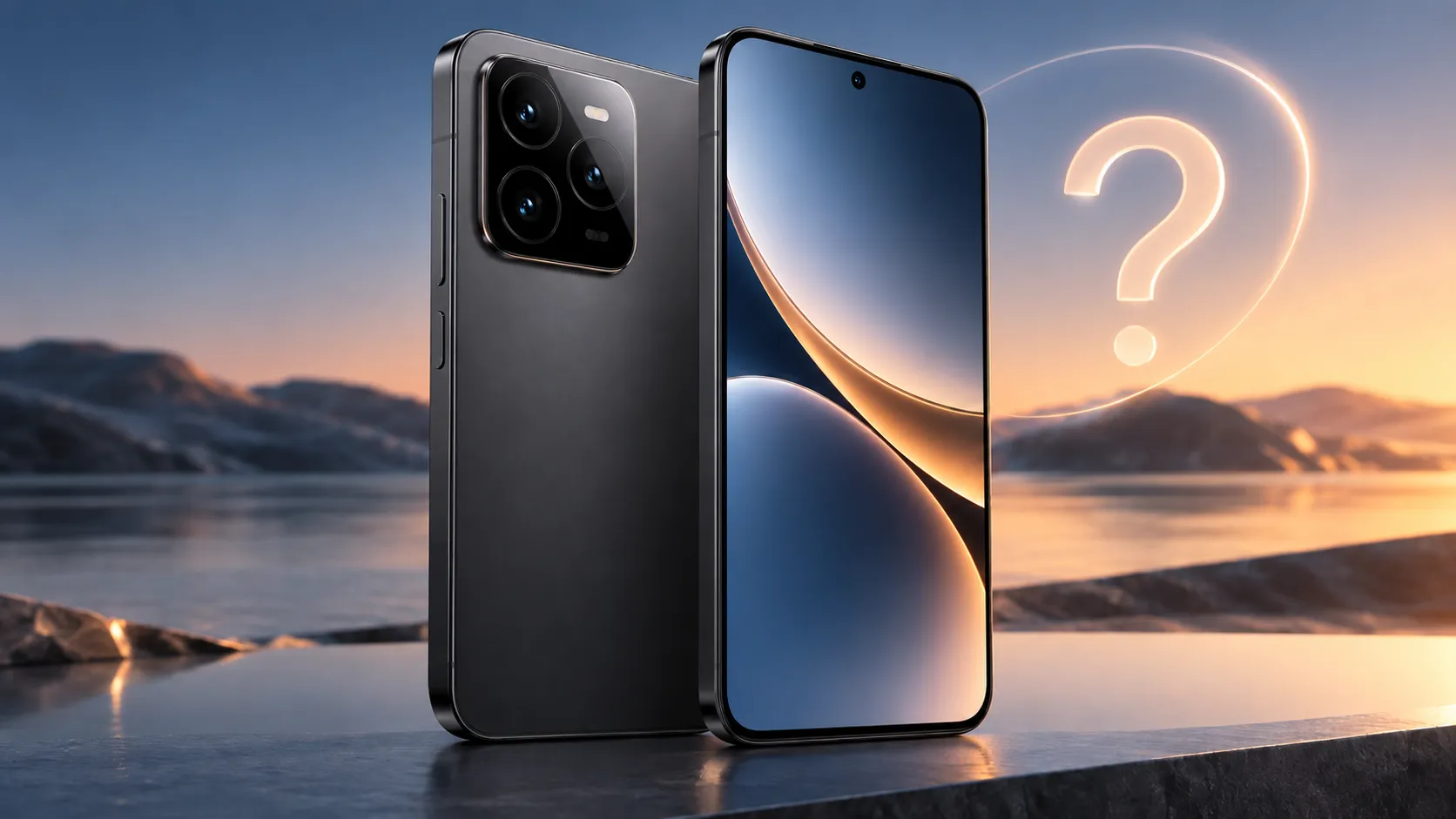
The sharper question, the one that will define whether the Xiaomi 18 Pro Max represents a genuine camera leap or an impressive spec, is whether Xiaomi's processing pipeline and software can turn two matched high-resolution sensors into a telephoto experience that holds up in ordinary conditions. Not in a lab. Not on a test chart. On a crowded street at dusk, or through a window on a moving train. That gap, between what a sensor can do and what a finished camera system actually delivers in the hands of a normal user, is what the Q4 launch will have to answer. Until then, the numbers are a starting point, not a verdict.








Comments
Be the first, drop a comment!