



Oppo Bubble Selfie Screen: How It Works and Who It's For
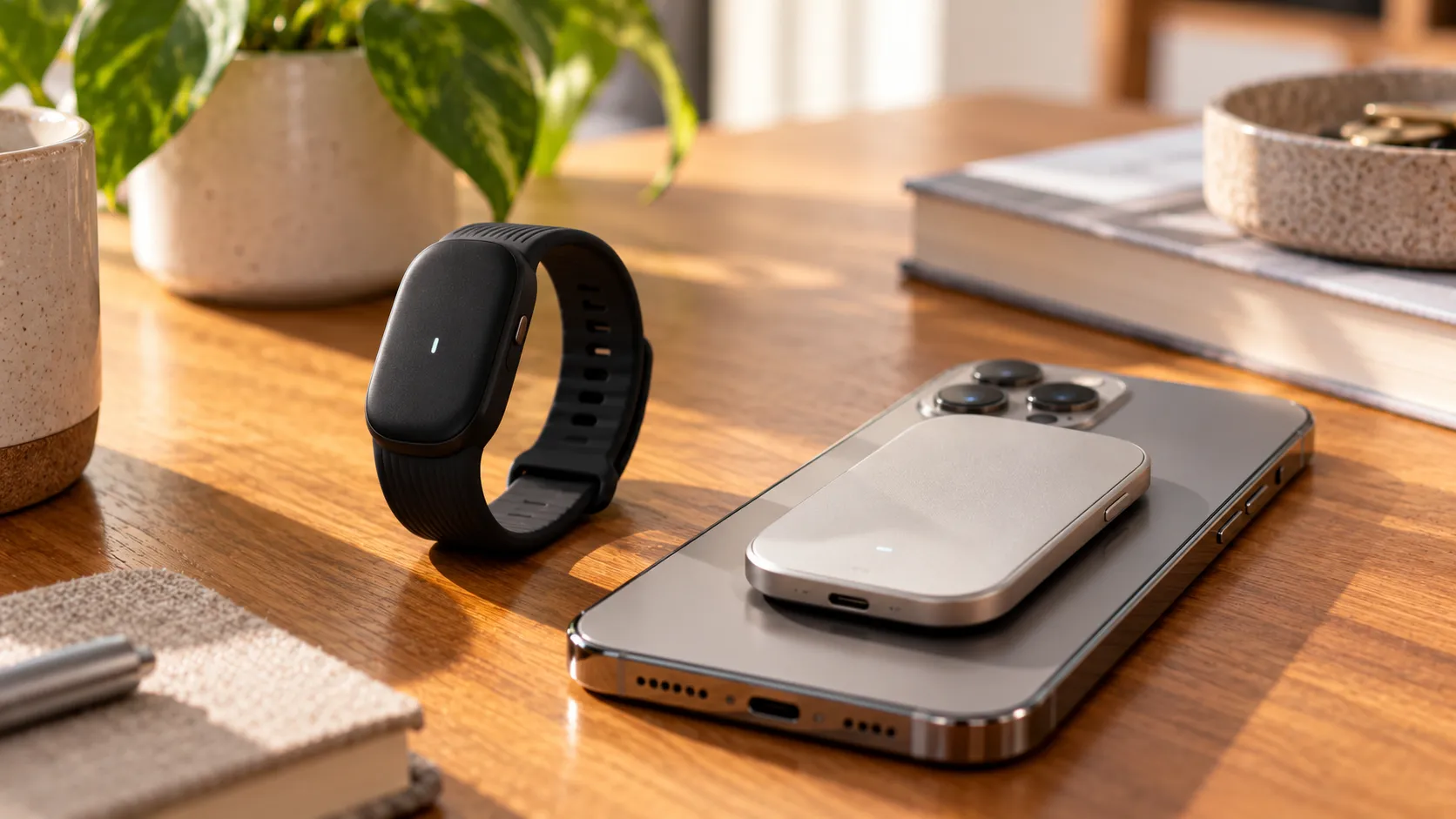
Oppo launched the Bubble globally yesterday alongside the Reno 16 series: a detachable wireless puck with a 1.73-inch circular OLED touchscreen, a 550mAh battery, and a silicon bumper case and star-shaped lanyard included in the box. The Verge called it the best execution of this concept they'd tested. The problem is structural: Oppo built a magnetic accessory for phones that contain no magnets.
That single fact shapes everything else about the product. The Bubble is compact, wirelessly integrated, and more thoughtfully designed than anything comparable. It also slides off its mount too easily to press its own button without a second hand to stabilize it.
What the Bubble does, and why it's more considered than a gimmick
The Bubble connects to a compatible Oppo phone wirelessly and integrates directly into the native camera app rather than mirroring the display. Because it taps the camera app directly, it can access the camera on a locked phone without surfacing private notifications on a second visible screen, The Verge reported yesterday. Pairing is fast. The tighter integration is what closed-ecosystem design actually delivers when it works.
Two distinct modes justify the hardware. Mounted on the back of the phone, it serves as a live preview for rear-camera selfies and video. Detached and worn via the lanyard, it becomes a wireless remote with roughly 33 feet of range, per The Verge. That Oppo bundles the lanyard in the box suggests the company considers detached use at least as practical as mounted use, and for tripod shots or group photos where the phone sits on a surface, that assessment holds up.
The physical controls show iteration: a single button that doubles as power and shutter, a touchscreen with three brightness presets, a display-lock shortcut, all packed into a unit weighing 27.5 grams at 7mm thick, according to The Verge. Those details add up to an accessory someone spent real time on, which makes the attachment problem more frustrating, not less.
One constraint worth stating plainly: the Bubble works only with a specific list of Oppo phones, including the Reno 14, 15, and 16 series plus the Find X8, X9, X9 Pro, and X9 Ultra, and cannot be used with any other Android device, as The Verge noted last month. Oppo has not announced plans to expand that software compatibility. For the majority of Android users, the accessory simply doesn't apply.
Why the Oppo Bubble selfie screen works better detached than mounted
Every phone on the Bubble's supported list lacks built-in magnets. To attach the Bubble, a buyer must either glue the included adhesive magnetic ring to the phone's back or purchase Oppo's separate magnetic case. The ring is too weak: the Bubble shifts under ordinary handling, and The Verge reported genuine concern about dropping it in normal use.
The official magnetic case holds better, but still not well enough for the Bubble's own controls. Pressing the single button generates enough force to knock the unit off its mount, meaning a second finger behind the puck is needed to stabilize it before firing the shutter, The Verge found. An accessory designed for quick, one-handed rear-camera shots that requires two hands for its primary function is working against its own premise. The detached remote mode sidesteps this entirely, which is why the product holds up better in that configuration.
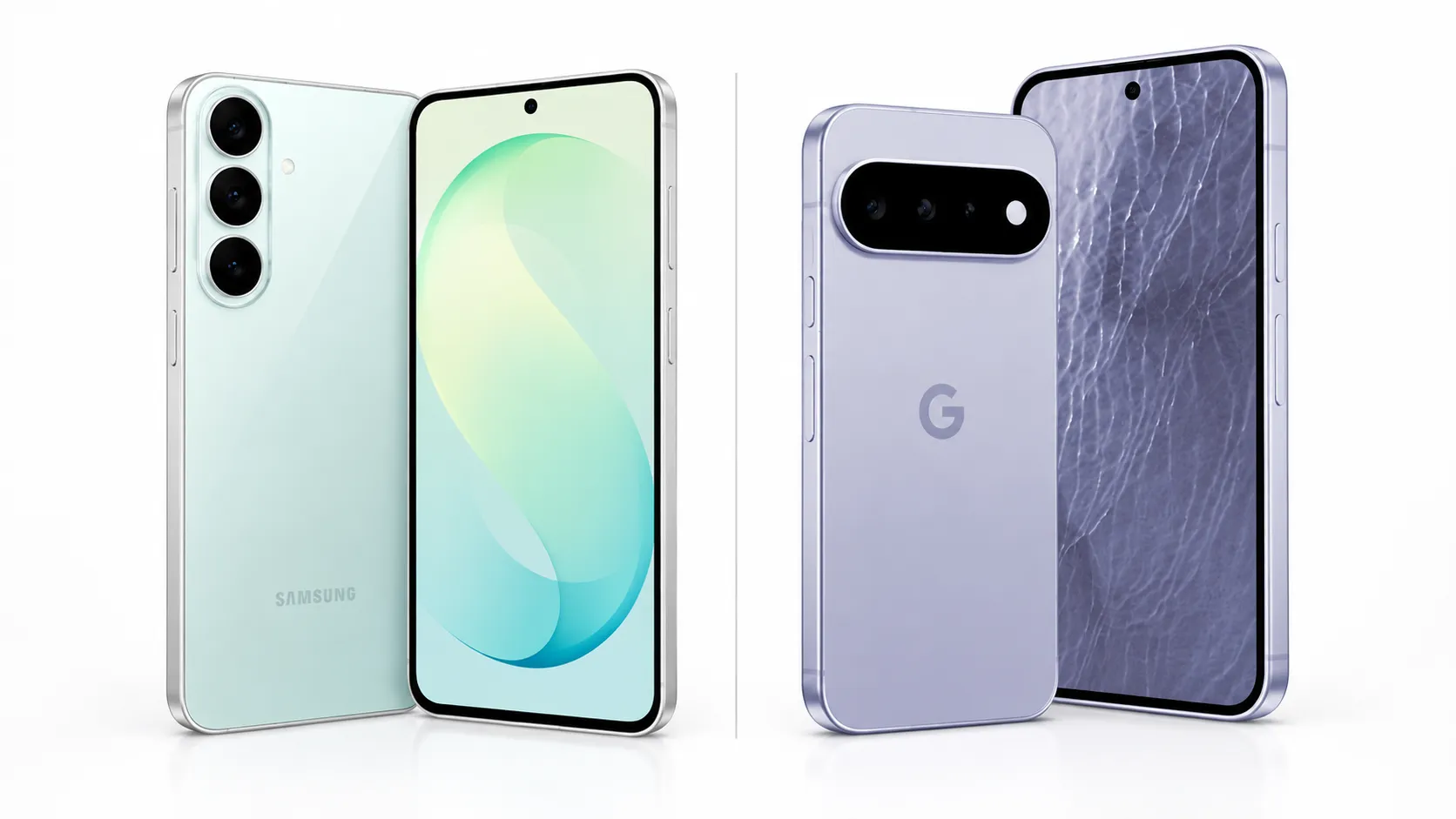
The root cause is Oppo's continued absence from Qi2, the wireless charging standard that specifies built-in magnetic rings. Apple's MagSafe hardware and Google's Qi2-compatible Pixel phones both embed magnets directly; Oppo has not shipped a single device with them, The Verge noted. Until that changes, every magnetic Oppo accessory requires workarounds the hardware shouldn't need.
Against the nearest alternative, the tradeoffs are specific. At €129 globally, roughly $150, the Bubble costs nearly double the $80 Insta360 Snap, and the Snap includes an optional ring light the Bubble omits, The Verge reported. What the Bubble wins: a slimmer 7mm profile, tighter native integration, locked-phone camera access, and wireless range without a cable. What it concedes: price, the ring light option, and the ability to work with any phone beyond a narrow Oppo list.
Who the Bubble actually makes sense for
The use case The Verge's testing points to is specific: an Oppo Reno or Find X owner who plans to use the detached remote mode regularly, particularly for tripod work or group shots where the phone sits on a surface. Outside that overlap, the friction accumulates. Anyone who needs reliable one-handed mounted operation out of the box, or cares about universal compatibility, will find the workarounds hard to justify at this price.
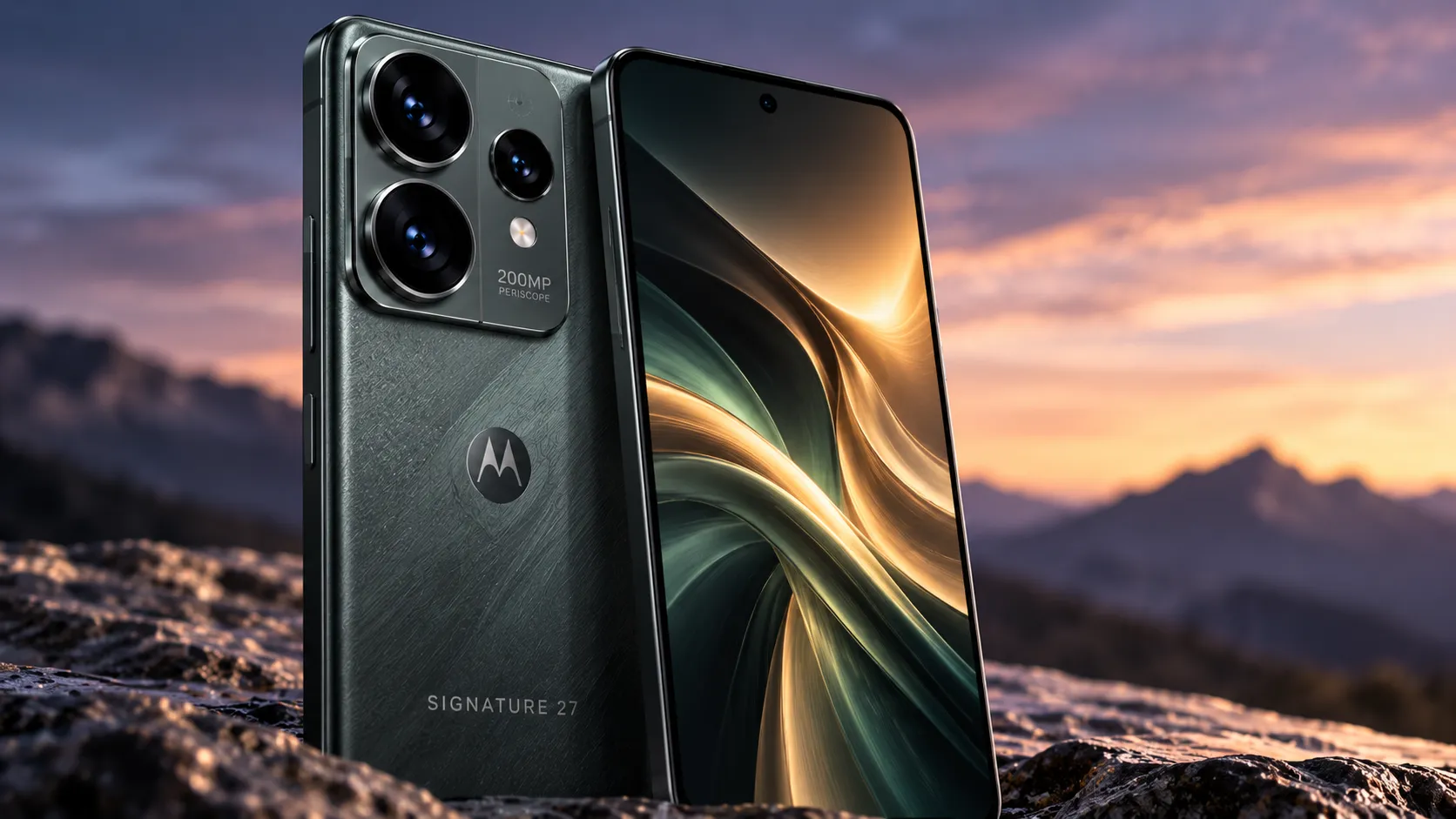
The rear camera setup on the Reno 16 Pro is what makes the underlying premise defensible in the first place. The China-market model ships with a 200MP main sensor, a 50MP telephoto with optical zoom, and a 50MP ultra-wide, giving users three distinct focal lengths and framing options that a single front-facing sensor, even a 50MP one, cannot replicate, per a hands-on review at TechSpecs.info earlier this month. The gap isn't resolution; it's the ability to frame a wide group shot, pull in a subject from a distance, or switch perspectives without repositioning the phone.
Global buyers should treat the Reno 16 Pro's specs as provisional. Leaked information reported by Notebookcheck earlier this month suggests the international model may ship with a Dimensity 8550 chipset and a smaller 6,700mAh battery instead of the Dimensity 9500s and 7,000mAh unit in the Chinese version. The 200MP main camera is expected to carry over; everything else should be treated as unconfirmed until Oppo says otherwise.
The global price jump changes the value equation materially. At 499 yuan, roughly $73 in China, the magnetic workaround is an inconvenience worth tolerating. At €129, it's a design flaw in a premium-priced accessory, according to The Verge.
What the Bubble reveals about Oppo's accessory strategy
The Bubble is the most refined product in its category: compact, wireless, faster to pair than anything comparable, and genuinely useful as a camera remote for an Oppo owner shooting on a surface or tripod. The detached mode works. The mounted mode, on its current magnetic foundation, doesn't work well enough to justify the price on its own.
What the Bubble also exposes is how much Oppo's Qi2 absence costs the entire product line. This isn't a niche inconvenience; it's a ceiling that applies to every magnetic accessory Oppo ships until the company embeds magnets in its phones. No lanyard, bumper case, or adhesive ring changes that. The version of this accessory that fully delivers on its own idea ships alongside a phone that already has the hardware to support it, and Oppo hasn't built that phone yet.





Comments
Be the first, drop a comment!