



What is a silicon-carbon battery? How it works, explained
Phones with 8,000mAh to 10,000mAh batteries used to be a trade-show curiosity. Not anymore. The vivo T5 Pro shipped with a 9,020mAh cell, and the Redmi Note 17 Pro Max has already been confirmed at 10,000mAh, Gadgets Now reports. Batteries that size used to demand a phone thick enough to double as a doorstop, but the same chemistry now lets manufacturers fit 7,000mAh or more into bodies under 8.5mm, per Gadgets Now.
So what is a silicon-carbon battery, in plain terms? It's a standard lithium-ion battery with some of its graphite swapped for silicon, a material that can hold roughly ten times more lithium by weight, Gadgets Now explains. That swap is a big part of why phone batteries have grown without phones getting noticeably thicker.
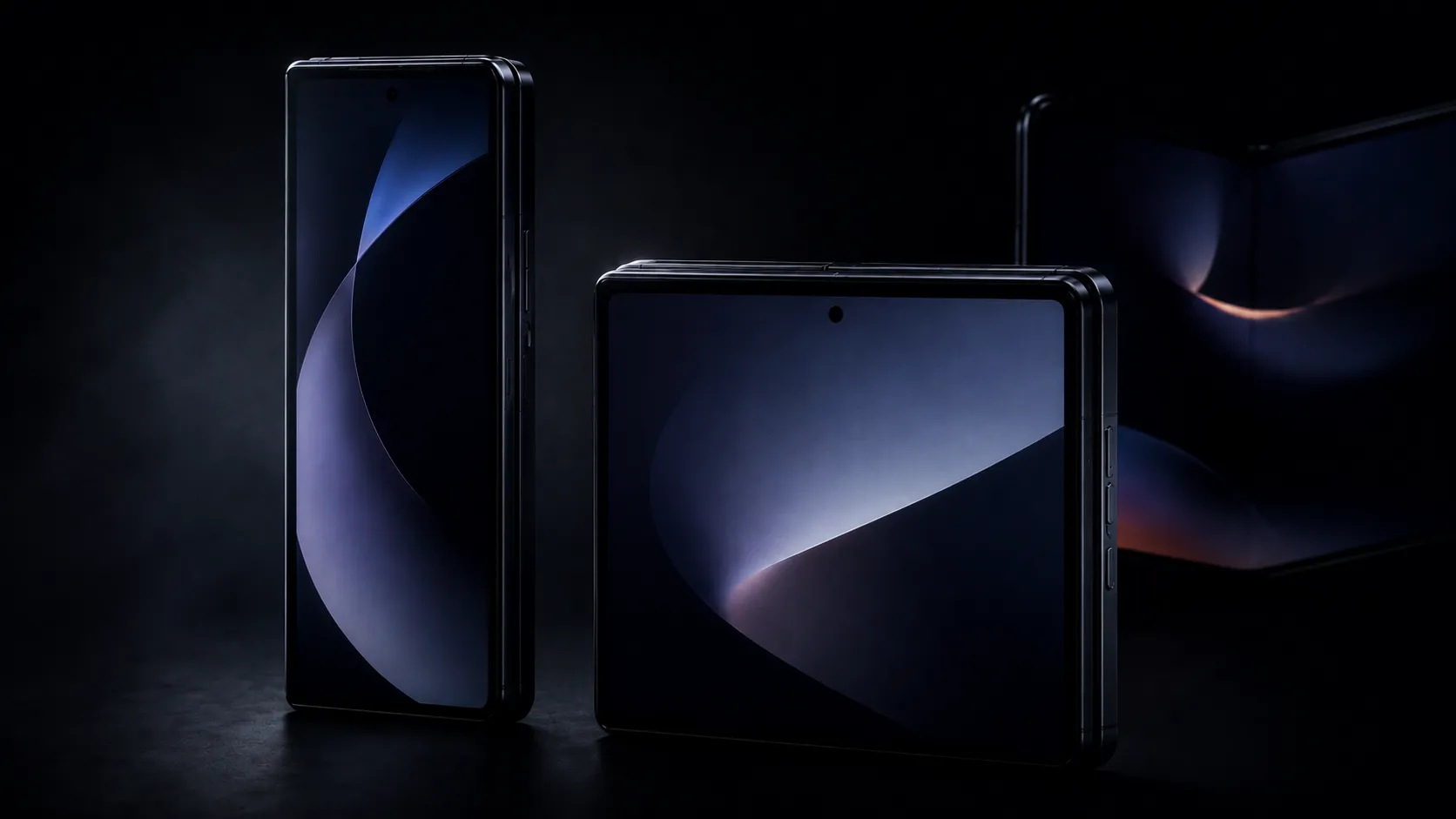
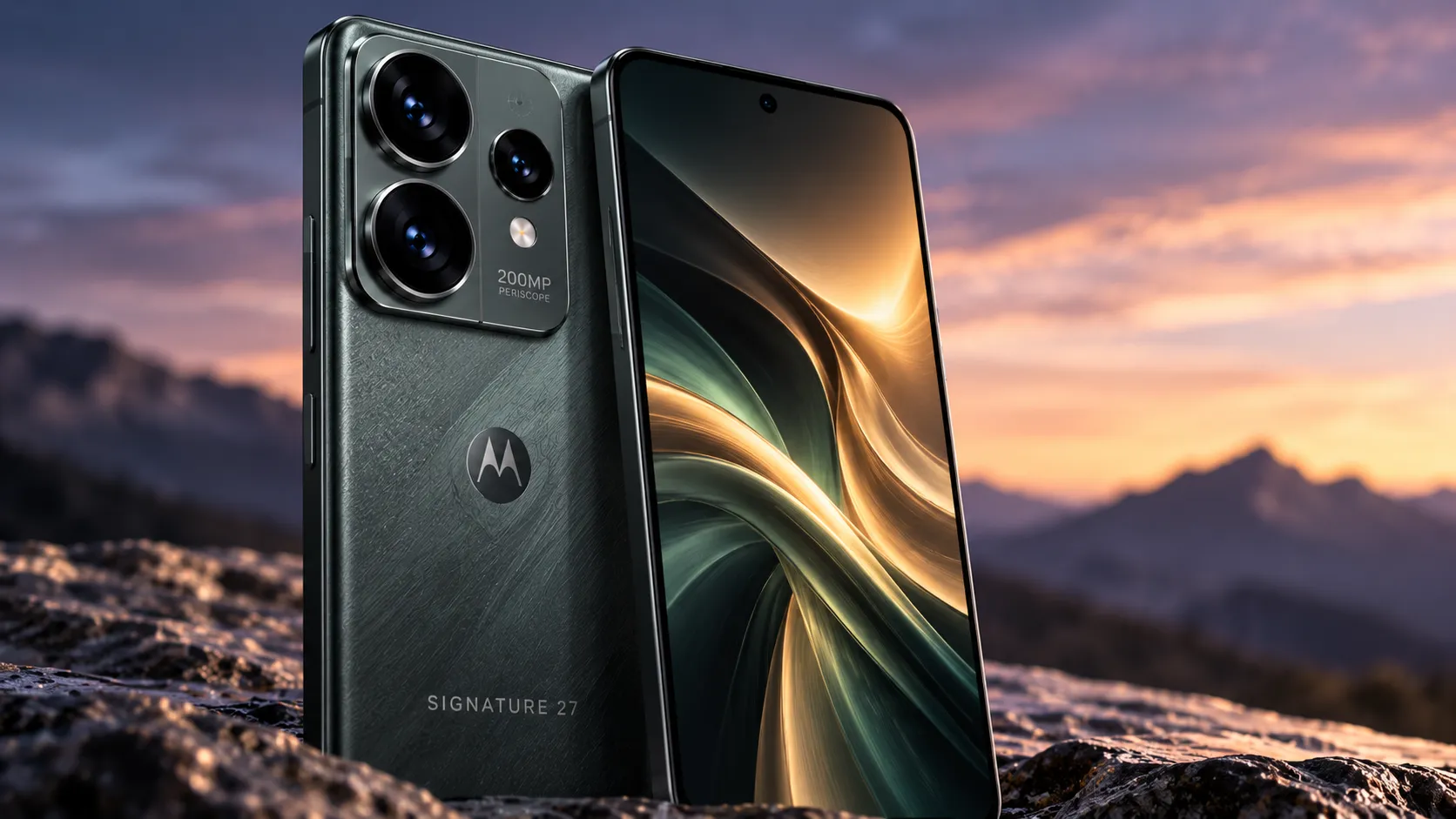
Samsung joined this trend two weeks ago, putting the chemistry into the Galaxy Z Fold 8 Ultra, Z Fold 8 and Z Flip 8. The move ended a three-year holdout, while Honor, OnePlus, Oppo, Xiaomi, vivo, iQOO, realme and Motorola had already adopted the chemistry starting in 2024, Gadgets Now reports.
What follows explains what this technology actually does, how it compares with the graphite-anode lithium-ion cells phones have used for three decades, and why the same chemistry that adds capacity may also shorten how long a battery stays useful. That trade-off is worth understanding before treating a bigger mAh number as a free upgrade.
What is a silicon-carbon battery?
It helps to start with what it isn't: a silicon-carbon battery is not a new battery category. It's a lithium-ion cell where silicon replaces part of the graphite anode, and Samsung's own spec sheets still classify the battery type as lithium-ion, per Gadgets Now. Same fundamental chemistry, different ingredient list.
Graphite has held its job as the anode material of choice for three decades because it's cheap, stable and predictable. Its limitation is structural: it takes six carbon atoms to hold a single lithium ion, capping its theoretical capacity around 372 mAh per gram, according to both Gadgets Now and a 2025 IOPscience materials review.
Silicon plays by different rules. It bonds with up to four lithium ions per atom, pushing its theoretical capacity to somewhere between roughly 3,579 and 4,200 mAh per gram, depending on which lithiated phase researchers measure, per that same IOPscience review. That's roughly ten times graphite's ceiling.
Picture graphite as a spacious parking garage with wide aisles: reliable, but only so many cars fit. Silicon is a garage built with much tighter spacing that packs in far more cars, except the tight fit means the structure strains and cracks under the extra load. The rest of this article is really about how battery engineers keep that structure from cracking apart despite the strain.
How does a silicon-carbon battery work, and how does it compare with conventional lithium-ion cells?
Commercial cells don't use pure silicon. They use engineered graphite-silicon composites at roughly 5 to 30 percent silicon content, which keeps the material's expansion manageable while still boosting capacity, Gadgets Now reports. One clarification matters here: a silicon-carbon battery is a lithium-ion battery. The real distinction is graphite-anode lithium-ion versus composite-anode lithium-ion, a tweak within an existing chemistry rather than a replacement of it.
The two materials divide labor inside the anode. Carbon acts as an electrical conductor, a structural buffer and an interface stabilizer, while silicon supplies most of the added storage capacity, a relationship a Frontiers in Mechanical Engineering review from two months ago calls the core design logic of the entire field. Carbon does the housekeeping; silicon does the heavy lifting.
There's a charging-speed effect buried in this arrangement, and it deserves precision rather than a blanket rule. Graphite absorbs lithium slowly, layer by layer, which is what caps fast charging on conventional cells, per Gadgets Now. Silicon takes lithium faster and earlier in the process, letting a pack built around it accept a heavier current at the start of a charge.
One comparative lab study puts a number on that difference, though it applies to the specific cells tested rather than every phone battery on the market. Silicon-carbon cells in that study showed no lithium plating, a degradation risk from charging too fast, up to a 3C charge rate, while graphite cells in the same test began plating at just 1.33C, according to an IOPscience comparative study.
The practical payoff is already visible in phones on shelves. Composite anodes helped manufacturers fit 7,000mAh-plus batteries into bodies under 8.5mm thick, and the Galaxy Z Fold 8 Ultra and Z Fold 8 reached 5,000mAh and 4,800mAh respectively, up on the Fold 7 at the identical physical size, per Gadgets Now. None of that capacity gain is free, though.
What are the advantages and disadvantages of silicon-carbon batteries?
The advantage, per that same comparative study, is more usable capacity within a given cell size, plus better tolerance for the fast-charging rates it tested than graphite showed under identical conditions (IOPscience). The same study's modeling projected silicon-carbon anodes could deliver about 7 percent higher gravimetric energy density and 16 percent higher volumetric stack-level energy density than graphite, a meaningful gain in a category where manufacturers fight over single-digit percentages.
The disadvantage traces back to the parking-garage problem. Silicon expands dramatically as it absorbs lithium, with estimates ranging from roughly 280 to 400 percent depending on which lithiated phase is measured, compared with about 10 percent for graphite, according to the IOPscience review and Gadgets Now. Repeated swelling of that magnitude cracks particles, disrupts electrical contact and damages the interface layer that keeps a cell chemically stable.
The numbers behind that damage are specific. High-silicon designs show irreversible thickness growth of 5 to 15 percent over their lifespan, versus about 2 percent for graphite, and can lose 10 to 30 percent of capacity in just the first 50 to 200 charge cycles, per Gadgets Now. In one lab comparison from the IOPscience comparative study, silicon-carbon full cells reached about 650 cycles before falling to 80 percent capacity, comfortably ahead of pure silicon's roughly 200 cycles but well short of graphite's roughly 1,000 cycles in that same test setup.
That gap is exactly what battery engineers are working to close. Researchers mitigate the swelling through carbon coatings, porous or yolk-shell structures, elastic carbon networks and silicon-graphite composite particles, according to the Frontiers in Mechanical Engineering review. The same review notes these techniques still need validation in real, mass-manufacturable cells rather than laboratory samples, a caveat worth remembering the next time a spec sheet promises no compromises.
Do silicon-carbon batteries actually improve smartphone battery life and charge cycles?
Samsung's own numbers make the trade-off concrete. The Galaxy Z Fold 8 Ultra, Z Fold 8 and Z Flip 8 all carry a 1,200-cycle rating to 80 percent capacity, a 40 percent cut from the Fold 7 and Flip 7's 2,000-cycle rating, based on EPREL filings cited by Gadgets Now. At one charge daily, that works out to about 3.3 years of usable life versus roughly 5.5 years for the outgoing models, and closer to two years for anyone charging twice a day.
Regulation puts that number in context, and two separate rules apply. EU ecodesign rules effective since June 2025 require phone batteries sold in the bloc to retain at least 80 percent capacity after 800 cycles, a bar Samsung's 1,200-cycle rating clears comfortably, per Gadgets Now. A tougher rule follows in 2027: a separate EU battery regulation mandates user-replaceable batteries unless a device carries an IP67-or-higher rating and its cells retain 80 percent capacity after 1,000 cycles. Samsung's foldables clear that stricter threshold too, with 200 cycles to spare, according to the same report.
Not every manufacturer treats faster capacity fade as something to downplay. Xiaomi has built a warranty around it: Redmi Note 17 Pro buyers get a free battery replacement if health drops below 80 percent within four years, and a larger replacement cell in year five, Gadgets Now reports. It's a policy shaped by the documented cycle-life fade of silicon-carbon cells, not a way of papering over it.
The technology keeps moving. Researchers are now targeting silicon fractions above 40 to 50 percent while controlling swelling, semi-solid battery packs are already shipping in some flagships, and solid-state batteries aren't expected in premium consumer devices before late 2027 or 2028 at the earliest, per Gadgets Now. That timeline positions silicon-carbon as a bridge technology, not a final destination.
Apple is the notable holdout. Supply-chain reporting places Apple's silicon-anode adoption in its 2027 iPhone plans, per Gadgets Now, roughly a year behind Samsung's now-shipping foldables and years behind the Android brands that started in 2024.
Conclusion
A silicon-carbon battery, stripped of marketing language, is a lithium-ion cell that trades some of graphite's stability for silicon's much higher lithium capacity, using carbon as a buffer to keep that trade workable. Samsung's rated cycle life dropped 40 percent to get there, per Gadgets Now. But those two numbers aren't a straight loss: a Fold 8 Ultra battery at 80 percent health can still hold more total energy than a brand-new Fold 7 battery at full health, according to the same report, simply because the starting capacity is that much larger.
Most flagship buyers replace a phone within three years, comfortably inside a 1,200-cycle window, per Gadgets Now. Buyers on that kind of upgrade cycle stand to gain the most from today's silicon-carbon phones. Anyone planning to keep a device five-plus years should weigh a bigger battery now against faster fade later, and remember that a rated cycle count is a lab benchmark, not a promise about how a specific phone will age.
As this generation of devices spends the next few years in real pockets, independent, model-specific cycle testing will be the thing worth watching.







Comments
Be the first, drop a comment!