





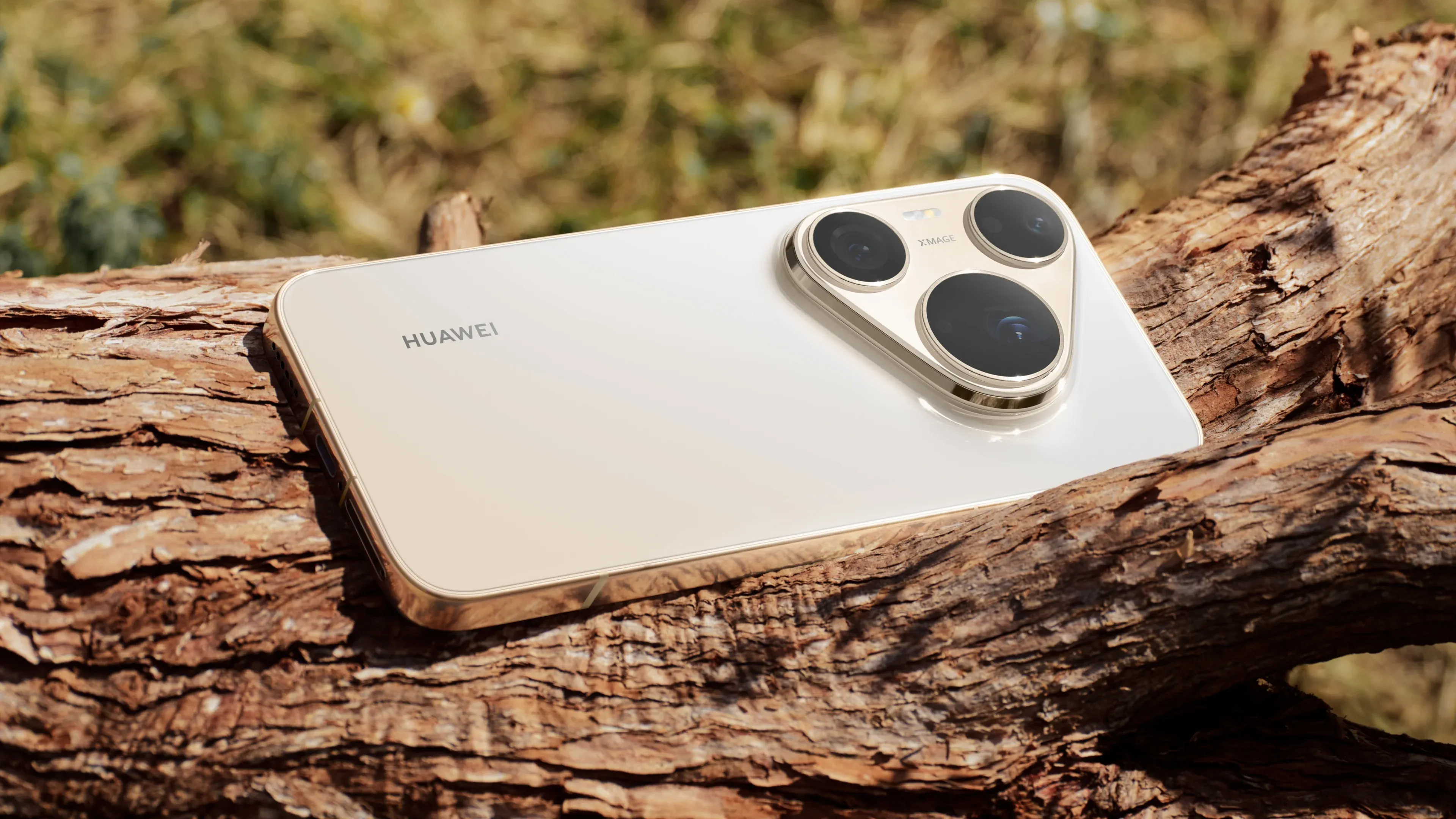
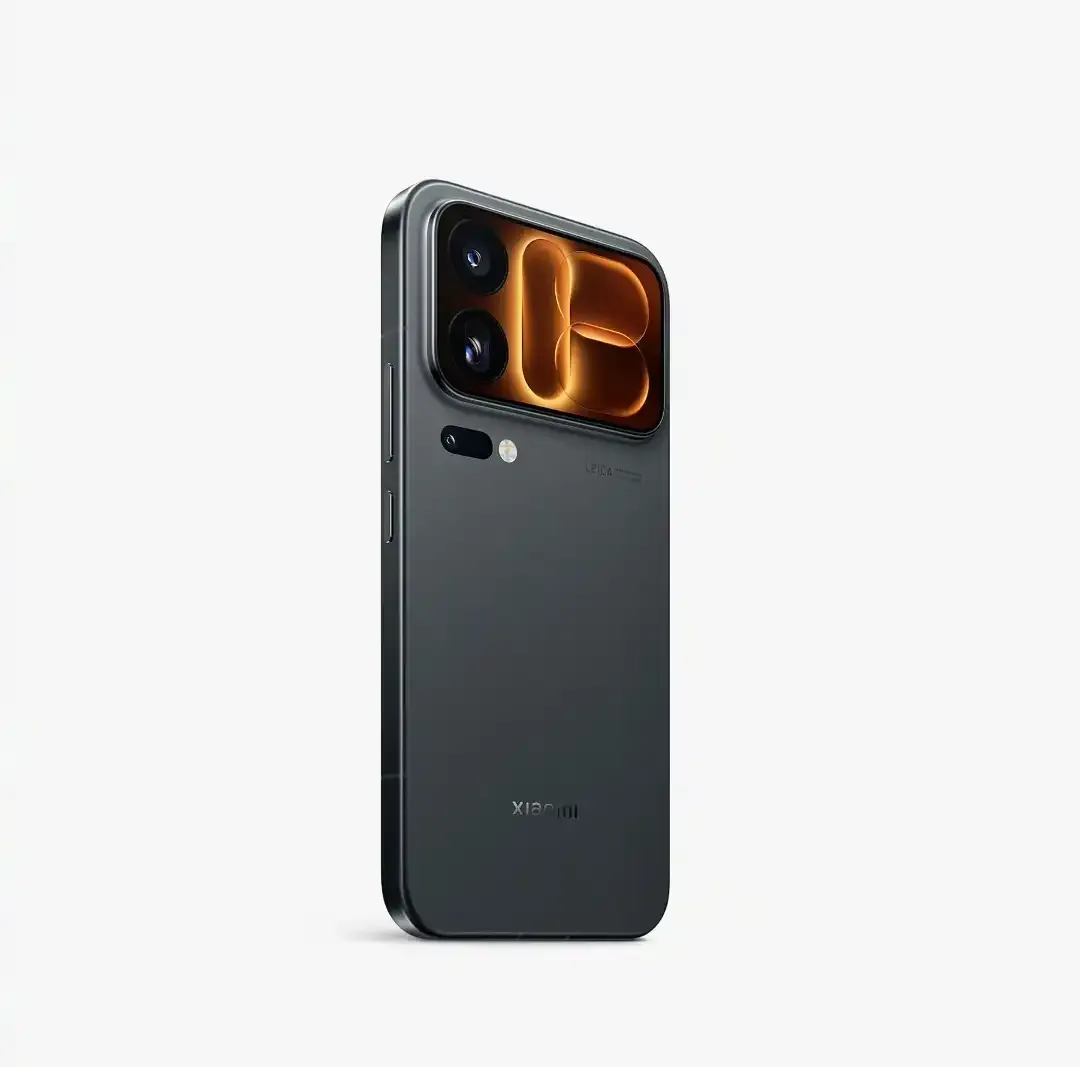
Huawei launched the Pura 90s Pro and Pura 90s Pro Max in Kuala Lumpur yesterday, opening global sales in Malaysia first, with expansion to additional markets expected in the coming months, according to FoneArena. The Pura 90s Pro starts at approximately $907; the Pro Max comes in at $1,202. Both are now available to order in Malaysia.
The headline hardware change on the Pro Max is a 200MP RYYB telephoto sensor in a 1/1.28-inch format, replacing the dual-lens periscope system used by the Pura 80 Ultra to reach 9.4x optical zoom. On paper, that looks like a retreat. The maximum optical zoom dropped to 4x. The main sensor got smaller.
In practice, The Gadgeteer's hands-on camera comparison reaches the opposite conclusion: the phone that looks like a spec-sheet downgrade takes better photos in more situations than its predecessor.
There is a catch worth stating before the hardware argument goes further. What buyers in different regions actually receive in software, AI features, and even battery capacity varies considerably by market.
The core trade-off: what Huawei gave up and what it got back
The Pura 80 Ultra reached 9.4x optical zoom using two separate telephoto lenses. At maximum range, it was working with a 12.5MP sensor slice behind an f/3.6 lens, which The Gadgeteer describes as fragile in anything less than bright light. Push past the native range and detail went "watercolor," in the reviewer's words.
The Huawei began the international rollout of the Pura 90s Pro and Pura 90s Pro Max in Malaysia on July 14, 2026, bringing its latest camera-focused flagship phones beyond China under slightly different names.
The Pura 90s Pro starts at RM3,699 with 12GB of RAM and 256GB of storage, or RM3,999 with 512GB of storage. The Pura 90s Pro Max costs RM4,899 with 12GB of RAM and 512GB of storage. Those prices convert to approximately $907, $981, and $1,202, respectively, but they are not official U.S. prices. According to FoneArena's launch report, both phones are available to order in Malaysia.
The Pro Max's defining feature is a 200MP telephoto camera designed to retain more detail when users crop photos or zoom beyond its native range. Buyers should also pay close attention to regional differences, however. Battery specifications, software features, app compatibility, pricing, and included accessories can vary by market.
Both international models run EMUI 16 and do not officially include the Google Play Store or other Google apps and services. Huawei offers its AppGallery store and alternative installation methods, but software that depends on Google Play Services may not work correctly.
Why Huawei traded 9.4x zoom for a 200MP sensor
The Pura 80 Ultra used two telephoto paths to reach as much as 9.4x optical zoom. The Pura 90s Pro Max takes a different approach, using one large, high-resolution telephoto sensor instead of a second lens dedicated to longer-range optical magnification.
Huawei's official Pura 90s Pro Max specifications list a 200MP telephoto camera with optical image stabilization, an f/2.6 aperture, and approximately 4x optical zoom. The system can reach up to 100x digitally, although image quality at extreme zoom settings will depend heavily on lighting, stabilization, and image processing.
The sensor's high resolution gives the phone more image data to use when cropping photos or applying digital zoom. It also supports images with resolutions up to 16,384 by 12,288 pixels, though file sizes and processing times may make the highest-resolution mode less practical for everyday shooting.
The standard Pura 90s Pro uses a 50MP macro telephoto camera with an f/2.1 aperture and optical stabilization. It also provides approximately 4x optical zoom and up to 100x digital zoom.
Both phones pair their telephoto cameras with a 50MP main camera featuring optical stabilization and a physical variable aperture ranging from f/1.4 to f/4.0. A physical aperture can adjust how much light reaches the sensor and provide more control over depth of field than a fixed-aperture phone camera.
The Pro Max adds a 40MP ultrawide camera, while the standard Pro uses a 12.5MP ultrawide camera. Both include Huawei's True-to-Colour Camera 2.0 system, which the company says is designed to improve color reproduction under difficult lighting.
The Pro Max adds faster charging and a larger display
The Pro Max has a 6.9-inch LTPO OLED display with a resolution of 2,880 by 1,308 pixels. Its refresh rate can adjust from 1Hz to 120Hz, allowing the display to reduce power consumption when a high refresh rate is unnecessary.
The Pura 90s Pro specifications list a smaller 6.6-inch LTPO OLED display with a resolution of 2,760 by 1,256 pixels and the same adaptive 1Hz-to-120Hz range.
Both models use Huawei's Kirin 9030S processor and support 5G, dual SIMs, Wi-Fi 7, Bluetooth 6.0, NFC, and IP68 and IP69 water- and dust-resistance ratings. Network features such as VoLTE, Wi-Fi calling, and full 5G compatibility can still depend on the carrier and country.
Charging is one of the clearest differences between the two phones. The Pro Max supports up to 100W wired and 80W wireless charging with compatible Huawei equipment. The standard model supports up to 66W wired and 50W wireless charging.
Reaching those maximum speeds requires compatible Huawei chargers and cables, which may be sold separately. Buyers should check the contents of the retail box before ordering.
Battery, AI tools, and apps vary by region
Huawei lists a 6,000mAh typical battery capacity for non-EU versions of both phones. The company separately lists rated capacities of 5,850mAh for non-EU models and 5,270mAh for EU models.
The 6,000mAh and 5,270mAh figures should not be compared directly because one is a typical capacity and the other is a rated capacity. Still, Huawei's specifications confirm that EU and non-EU models carry different battery ratings.
Software availability can also differ. Huawei's Malaysian specifications list tools such as AI Composition and AI Moving Picture, but buyers should not assume every feature demonstrated on one regional model will be included elsewhere. Availability may depend on the country, firmware version, language, and device configuration.
AI Composition can suggest changes to framing before a picture is taken, while AI Moving Picture adds editing and effects options for motion photos. These tools supplement the camera hardware but do not establish how the phones will perform against other flagships in controlled tests.
Current European launch coverage says Huawei has not announced final European pricing or a complete country-by-country release schedule. It also notes that apps dependent on Google Play Services may not function normally on the international phones.
Huawei has published an official Pura 90s Pro Max page for Singapore, confirming another market in the international rollout. Local pricing, configurations, sales dates, and promotions should be checked through Huawei's regional store because those details can change independently.
Which model offers the better hardware?
The standard Pura 90s Pro includes most of the lineup's core features in a smaller and less expensive package. Its variable-aperture main camera, 50MP macro telephoto camera, adaptive 120Hz display, and 66W wired charging cover the main flagship essentials.
The Pro Max adds the 200MP telephoto camera, a larger display, a higher-resolution ultrawide camera, faster charging, and anti-reflective Kunlun Glass. Those upgrades are most relevant to users who frequently shoot portraits, concerts, distant subjects, or telephoto video.
The 200MP resolution does not, by itself, prove that the Pro Max will take better photos than the Pura 80 Ultra or competing premium phones. Lens quality, stabilization, autofocus, image processing, and low-light performance all affect the final result. Matched camera comparisons will be needed to determine whether Huawei's new single-telephoto design produces more consistent images than its previous dual-lens system.
The regional differences require less guesswork. Before importing or preordering either model, buyers should confirm Google-dependent app compatibility, supported network bands, warranty coverage, battery specifications, available AI features, local pricing, and the exact contents of the retail box.







Comments
Be the first, drop a comment!