



How to Buy a Phone That Lasts 3 Years or More in 2026
Most people now replace their phones every three to four years. Carriers have helped normalize that timeline with 36- and 48-month contracts, but most buyers still shop using a two-year mental model (Android Authority, this week). If you want to know how to buy a phone that lasts 3 years without turning into a security liability, the answer isn't better specs it's asking different questions before you buy.
This guide covers both decisions: whether to replace your current phone at all, and if so, what to verify before committing. The steps below follow a deliberate order software support first, then hardware headroom, then battery and repairability, then used-phone specifics because some problems can be fixed after purchase and some cannot.
Start here, before anything else. If your current phone still receives security patches, performs acceptably under daily use, and needs only a battery swap, keeping it is probably the smarter move. A replacement battery costs far less than a new phone and extends your runway without resetting the software support clock (devices.live, last month). The calculus shifts when security support is within a year or two of expiring. At that point, a new battery buys only a short extension before the device becomes a genuine liability for banking and personal data. If your current phone clears that bar, stop here. If it doesn't, start with Step 1.
Two numbers worth holding before diving in: update policy should carry as much weight as camera specs or price for anyone planning a four-to-six-year hold (devices.live, last month); and used phones typically sell for 30–60% less than new, with the strongest buys being recent models that still have meaningful support time remaining (Swappa, last week).
Step 1: Check software support first it's the foundation of long-term phone ownership
Software support is the single factor that most reliably predicts whether a phone ages gracefully or becomes a security risk before it physically wears out. A phone without security patches doesn't just stop getting new features it accumulates known, unfixed vulnerabilities. A growing number of banking apps now block older OS versions entirely, locking users out even when the hardware works fine (Swappa, last week).
Keep two things separate: OS updates advance the version number and add features. Security patches fix active exploits and protect accounts, logins, and financial apps. Security patches are the more critical of the two for everyday safety they're the number to watch as the years accumulate (Swappa, last week).
Support policies by brand, including the middle tier:
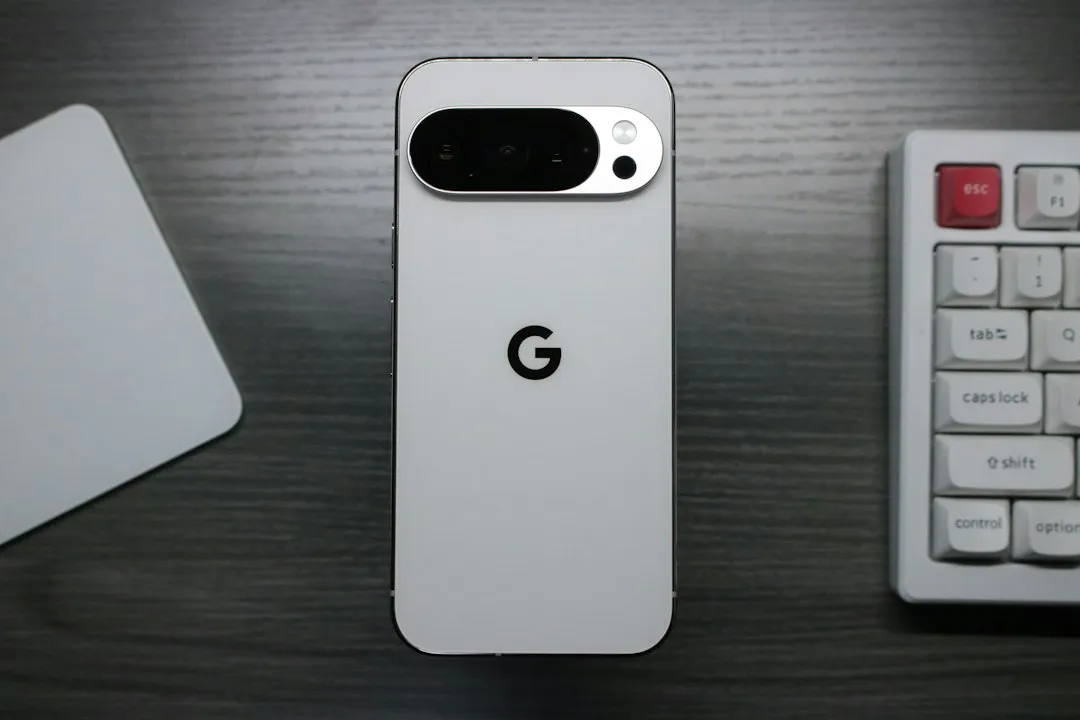
- Best in class (7 years OS + security): Google Pixel 8 and newer, Samsung Galaxy S, Z, and Tab S models launched in 2024 and later, HONOR top-tier phones (Android Authority, this week)
- Strong middle tier: Samsung Galaxy A series (recent models) at 6 years; OnePlus flagships from the OnePlus 13 generation onward at 4 OS updates plus 6 years of security patches; Xiaomi flagships at a similar 4+6 structure (Swappa, last week; Android Authority, this week)
- Acceptable with caveats: The Nothing Phone 4a Pro offers 3 OS updates but 6 years of security patches thin on new features, but protected for a meaningful window (Tom's Guide, two months ago)
- iPhone: Apple doesn't publish a formal support commitment, but recent models typically receive six to seven years of full iOS updates, and Apple has a pattern of issuing critical security patches for older iOS versions for a year or two after major update eligibility ends (Tom's Guide, two months ago; Swappa, last week)
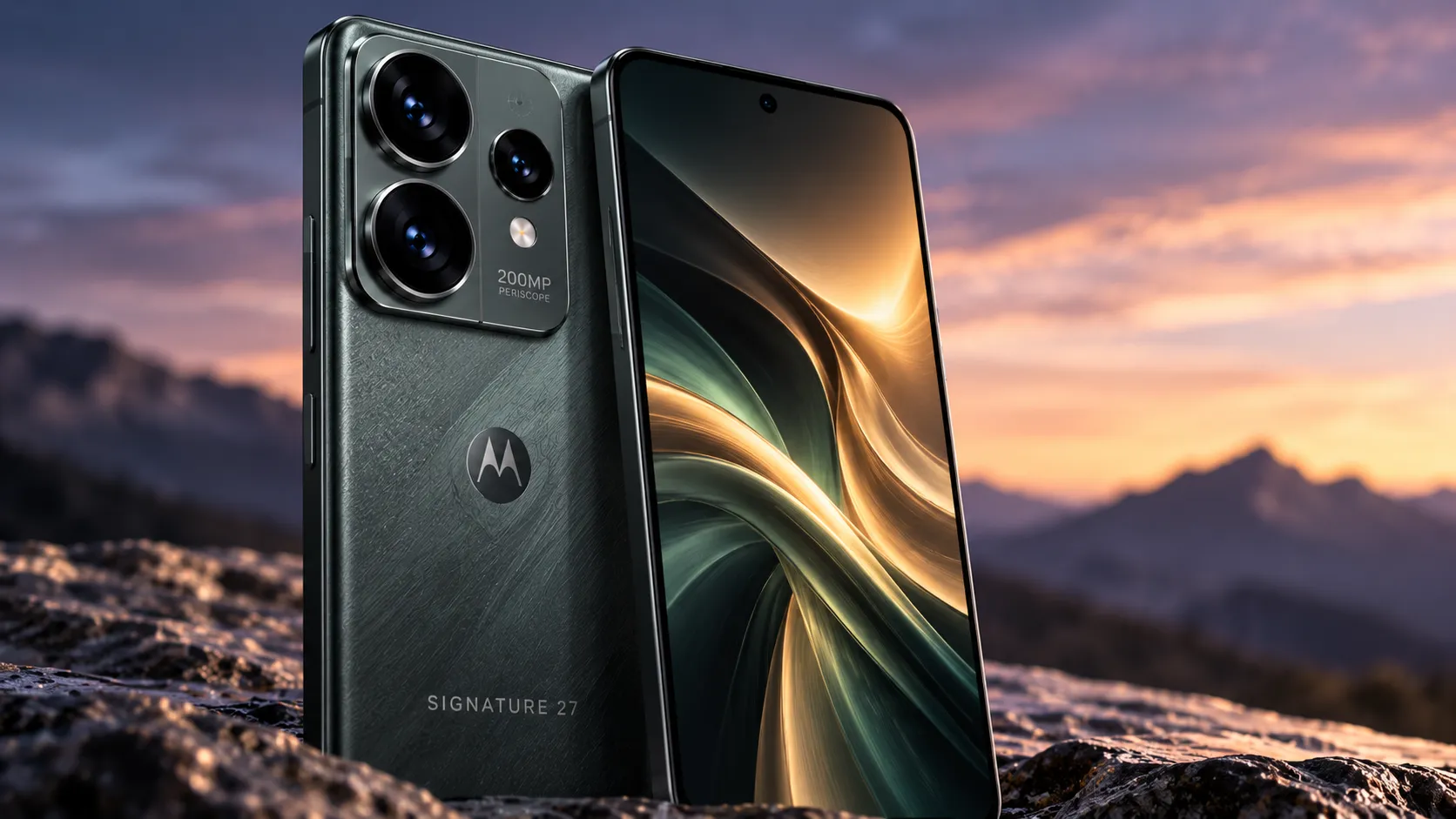
- Weakest historically: Budget Motorola phones have typically received only two OS upgrades and three years of security patches keep one for five years and support ends well before you're ready to move on (Android Authority, this week). Motorola's new 2026 "Signature" line promises seven years, which is a genuine shift, but verify which product line you're actually looking at before assuming either the old or new policy applies (Swappa, last week; Tom's Guide, two months ago)
Step 1 gives you the landscape. Step 2 tells you how much of it actually applies to the specific phone you're considering.
Step 2: Calculate remaining support, not the manufacturer's original promise
The support clock starts on the phone's original launch date, not the day you buy it. A three-year-old phone with a seven-year support promise doesn't have seven years left; it has roughly four.
Support windows can start from the announcement date, retail release date, or first ship date in a specific market depending on the manufacturer. For practical planning, use the original market release month and year that's the most conservative and reliable baseline (devices.live, last month).
The formula: promised support term minus time elapsed since original market release equals remaining support. That figure, not the headline number, is what you're actually purchasing (devices.live, last month).
How to run the calculation:
- Write down the exact model name and its original market release year (use retail release, not announcement date)
- Look up that specific model's support policy from the manufacturer directly brand reputation is not a substitute
- Subtract elapsed time from the promised term
- Compare the remaining figure to how long you plan to hold the phone
- If less than two years of security support remain, treat the device as a short-term purchase unless the price genuinely reflects that limitation (devices.live, last month)
To make this concrete: a Samsung Galaxy S24, launched in early 2024 with a seven-year support commitment, has consumed roughly 2.5 years as of mid-2026, leaving approximately 4.5 years more than enough for a three-year hold. The Galaxy S23, by contrast, was not included in Samsung's seven-year policy (Swappa, last week). Buying a used Galaxy S23 as a "Samsung flagship" without checking the specific generation is a clean, checkable mistake that's easy to avoid and expensive to ignore.
Brand reputation tells you nothing. Model-level verification tells you everything.
Step 3: Don't underbuy on storage and processor
Neither storage nor the processor can be upgraded after purchase. A battery can be replaced. The chip cannot. That asymmetry is why hardware headroom earns its place before repairability in this sequence.
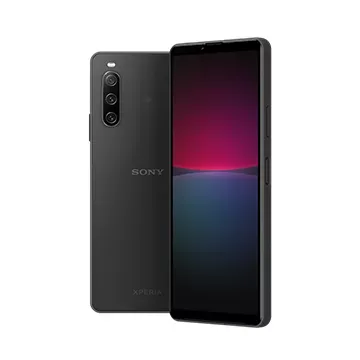
Storage: The practical minimum for a 2026 purchase intended to last three or more years is 256GB. At 128GB, a phone used for photos, video, downloaded music, maps, and apps can start to feel cramped within two years and when storage runs low, performance can degrade with it (Android Authority, this week). The latest flagship phones from Apple, Samsung, and most Chinese brands offer 256GB as base storage; Google's Pixel phones and many mid-range devices still start at 128GB (Android Authority, this week). MicroSD expansion exists as a workaround but has largely disappeared from flagships it's now mostly limited to budget Android phones and Sony's Xperia line (Android Authority, this week).
Processor: A phone that feels middling on day one is likely to feel genuinely sluggish in year four or five as apps grow heavier and OS updates add overhead (Android Authority, this week). For any four-plus-year hold, avoid low-end chips. Reliable tiers for long-term performance include Snapdragon 8 series and current 7 series, MediaTek Dimensity 8000/9000 range, Samsung's Exynos 2x00 series, and Google's Tensor chips (Android Authority, this week).
Manufacturer claims that specific phones will "stay smooth for five years" language used by OnePlus and vivo in their marketing come from the brands themselves, not independent long-term testing. Treat those as optimistic rather than verified.
Step 4: Evaluate battery longevity, not just capacity
Every smartphone battery degrades. The question is how fast, and two numbers govern that: the cycle rating, which tells you how many full charges the battery can handle before losing roughly 20% of its original capacity, and starting capacity, which determines how much cushion you have before that degradation becomes noticeable.
Cycle ratings by brand:
- Some phones are rated for only 800 cycles roughly two years of daily charging before hitting the 20% loss threshold
- Google and Apple phones are rated for 1,000 cycles
- Samsung flagship batteries are rated for 2,000 cycles, which works out to more than four years before that same 20% drop (Android Authority, this week)
Starting capacity compounds the cycle math. A phone that begins at 5,000mAh and loses 20% still has effective capacity comparable to a mid-range phone at launch. One that starts at 3,800mAh and loses 20% ends up feeling genuinely small (Android Authority, this week). For a long ownership window, 5,000mAh or more is the floor worth targeting.
Charging habits add a real but modest variable. A small experimental study conducted over a 10-day window found that consistent 67W fast charging raised peak battery temperatures to 41.5°C versus 33.1°C under standard 20W charging; projected battery health after 500 cycles was 87% under fast charging compared to 92% under standard charging (MDPI/Engineering Proceedings, earlier this year). The study used Apple hardware specifically, so treat the figures as directionally useful rather than universal. The practical upshot is limited: occasional fast charging is fine. Plugging into maximum wattage every night for years is probably not optimal for a phone you're planning to keep for the long haul.
Manufacturers sometimes publish cycle ratings on product pages, sometimes don't. The EU's EPREL database carries this data for phones sold in Europe and is publicly searchable (Android Authority, this week).
Step 5: Check repairability and parts access
Strong software support and a solid battery still can't help if a cracked screen or failed charging port can't be fixed affordably. Repairability is what determines whether year five is physically possible.
Most mainstream phones score poorly typically 1 to 4 out of 10 on iFixit's scale because of heavy adhesive, soldered components, and limited parts availability (iFixit UK, last month). That doesn't make them unbuyable, but repair costs will run higher and options will be narrower.
Two names stand out at the better end. Google and Samsung both sell spare parts directly in the US, with Google committed to parts availability for seven years, matching its software support window (Android Authority, this week). When a manufacturer sells spare parts, you can purchase them and bring both the part and the phone to an independent repair shop if you'd prefer not to use an authorized service center though parts availability doesn't guarantee every shop will have the tools or calibration capability for every repair.
At the extreme end sits the Fairphone 6: a 10/10 iFixit repairability score, a back cover removable with two screws in under five minutes, and a five-year warranty (iFixit UK, last month). Fairphone has pledged at least eight years of software support from the phone's 2025 release, which Tom's Guide reads as security updates running through at least mid-2033 (two months ago). It runs a mid-range chip and is primarily sold in Europe, which limits its relevance for US buyers but it sets the benchmark worth knowing about.
Before buying any phone, look it up on iFixit. JerryRigEverything and PBKReviews on YouTube both run durability walkthroughs worth watching before committing (Android Authority, this week). Confirm the brand sells spare parts in your country.
Step 6: Apply extra scrutiny to used and discounted phones
Everything above applies whether buying new or used. Used purchases add one further layer: the phone's age has already consumed part of its support window, and physical condition introduces variables that new phones don't carry.
Before finalizing any used purchase, verify:
- The exact model variant, not just the product family. "Galaxy S24" and "Galaxy S24 FE" have different specifications and potentially different support timelines
- The original market release year, then run the remaining-support calculation from Step 2
- IMEI status: not reported lost or stolen, no carrier lock, no active financing or activation lock
- Battery condition: some Android phones surface battery health in settings or through third-party diagnostic apps; iPhones show cycle count under Settings > Battery
The discount math deserves its own attention. Used phones typically sell for 30–60% less than new, but a phone with less than two years of security support remaining isn't a bargain for a buyer planning a three-year hold (Swappa, last week). Price the discount against remaining useful life, not against original retail.
Galaxy S23 and earlier Samsung flagships were not covered by Samsung's seven-year support policy only the S24 generation and later received that commitment (Swappa, last week). Skipping that generational check is how buyers end up with less support than they expected.
A decision framework before you buy
The six steps above feed into four possible outcomes. Before finalizing any purchase, place the phone in one of these categories:
- Confident buy: Three or more years of security support remaining, 256GB storage, capable processor, 1,000+ cycle battery rating, parts available. Buy without hesitation.
- Discount-only buy: Two to three years of security support remaining, capable hardware, but the remaining window is shorter than ideal. Only makes sense at a price that reflects the limitation and only if the plan is a two-year hold, not three.
- Short-term stopgap: Under two years of security support remaining. Acceptable as a temporary bridge at a very low price; don't use for banking or sensitive accounts once patches end (devices.live, last month).
- Skip: Support already ended, or hardware clearly inadequate for multi-year use. Pass regardless of price.
Google, Samsung, and Apple now offer six to eight years of meaningful support across their mainstream lines, and a handful of others are narrowing the gap. The market has genuinely moved in the buyer's favor. When two phones land in the same category similar support windows, comparable processors the tiebreakers are battery cycle rating and repairability. A phone with a 2,000-cycle battery and manufacturer-sold spare parts will serve a five-year hold better than one with 800 cycles and no parts ecosystem, even if both clear the software threshold. Run the steps, apply the framework, and the right answer usually becomes obvious before you hand over any money.






Comments
Be the first, drop a comment!