



Foldable smartphone shipments to rise 20% in 2026 as Apple looms
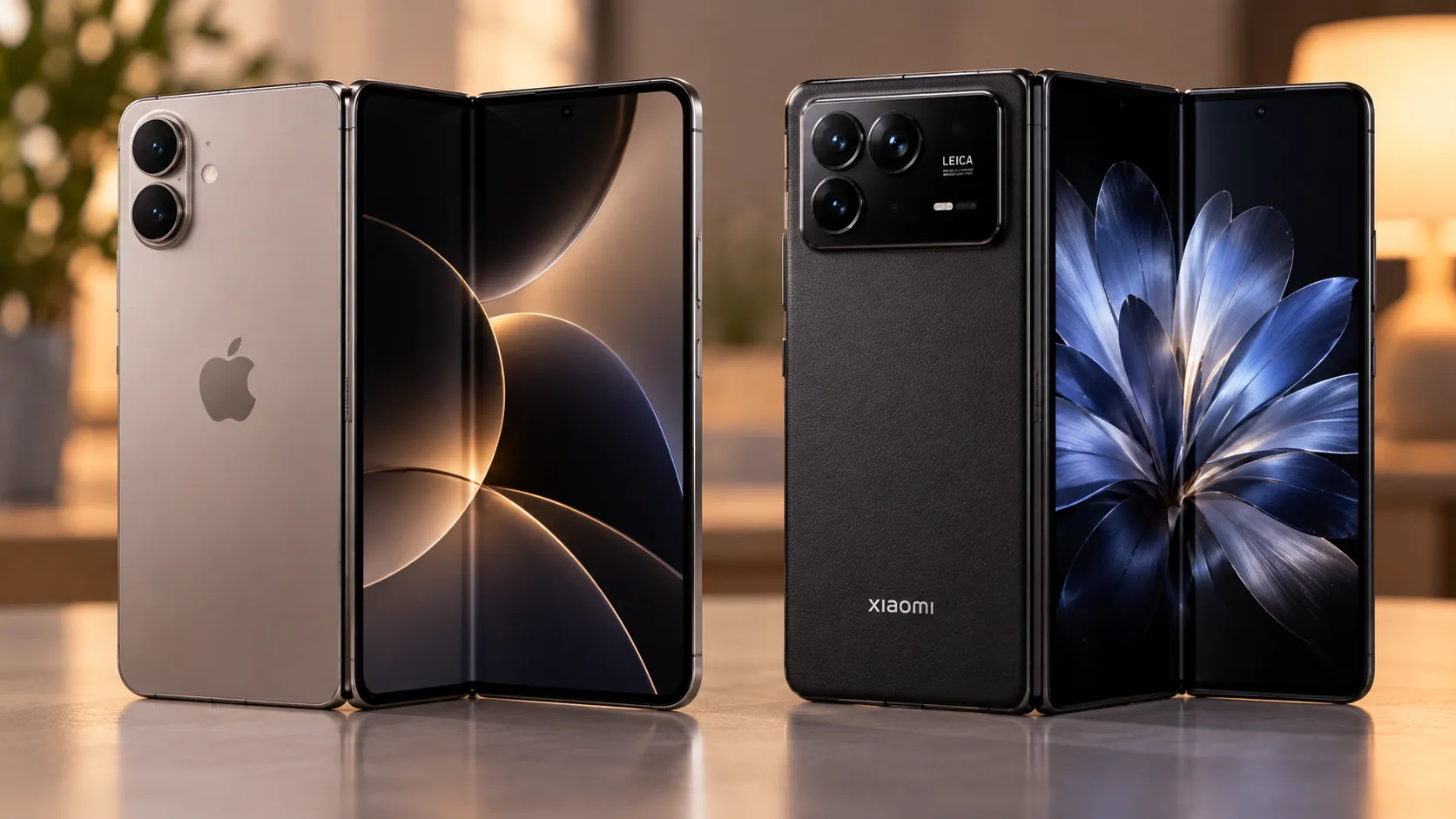
Global foldable smartphone shipments are projected to rise 20% year-over-year in 2026, and industry sources point to Apple's expected entry into the category as one factor behind that growth, according to industry sources cited by DigiTimes this week. Counterpoint Research puts the figure slightly higher, forecasting 21% growth and tying the increase to Apple intensifying competition in the premium book-style foldable segment, the category of phones that open outward like a book to reveal a larger inner screen, according to Counterpoint two weeks ago.
Apple has not announced a foldable iPhone. The name circulating in coverage, "iPhone Ultra," is media shorthand, and the details reported so far, including specs, pricing, and timing, come from supply-chain reports and analyst forecasts rather than an Apple statement, MacRumors reported today.
What the global foldable smartphone market forecast for 2026 actually measures
Apple has reportedly told suppliers to prepare for around 10 million foldable units this year. That figure describes a production plan, MacRumors reported today, not a confirmed shipment total or a sales result.
The timing matters because of when those units might actually sell. Analyst Ming-Chi Kuo has suggested pre-orders may not open until the fourth quarter of 2026, even if Apple unveils the device alongside the iPhone 18 Pro line this September, per Kuo's analysis relayed by MacRumors today. If that holds, much of the 10-million-unit build could represent inventory stacked for a single quarter rather than proof of demand across the full year.
Apple isn't the only driver behind the 2026 forecast, either. Industry sources cited by MacRumors point to several factors working together:
- Wider foldable designs, which address one of the more common complaints about the category's early hardware, per MacRumors today.
- Nearly eight years of product development since the first mainstream foldables reached shelves, giving manufacturers time to refine hinges, displays, and durability, per MacRumors today.
- A growing number of brand launches and a broader range of devices for buyers to choose from, which together have helped the category mature enough to support this level of shipment growth, per MacRumors today.
Not every forecaster lands on the same number. Axis Intelligence cites a 30% year-over-year increase and a shipment range of 26.8 million to 30.6 million units for 2026, attributing those figures to IDC and Counterpoint tracking data, according to Axis Intelligence. Omdia's estimate, cited in the same report, runs higher still, at roughly 50% growth. This piece centers on the 20% and 21% figures from DigiTimes and Counterpoint's own published research because those two carry the clearest sourcing and the most direct link to Apple's reported role in the market, rather than a blended range pulled from several trackers at once.
Counterpoint's separate forecast of a 25% market share for Apple in its debut year is a distinct projection from the supplier production target reported by MacRumars. One number describes planned production; the other describes projected shipment share, according to Counterpoint two weeks ago. Treating them as confirming each other misreads both.
The distinction matters because shipment figures describe what manufacturers send into sales channels, not what consumers carry home. The forecasts cited here don't measure retail sell-through, only production plans and channel-loading estimates for 2026.
Market share is being redistributed, but Samsung isn't losing the lead
Samsung is expected to remain the top foldable brand in 2026 even as its global share slides from 40% to 32%, Counterpoint forecasts. The category is expanding fast enough that Samsung can lose eight points of share and still lead the field.
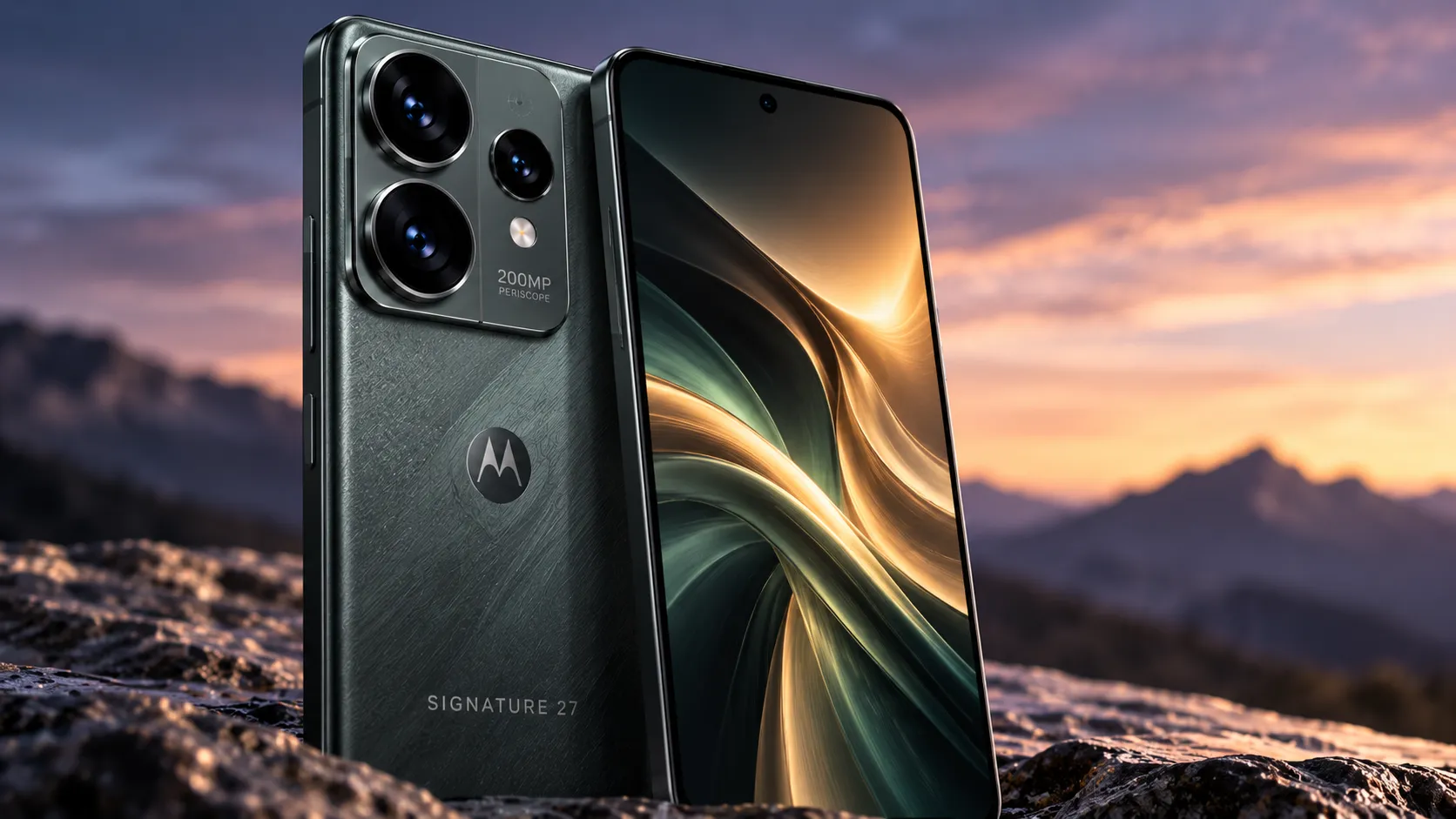
Apple is projected to debut in second place with 25% share, narrowly ahead of Huawei at 24%, itself down from 30% a year earlier, according to Counterpoint data reported by 9to5Mac two weeks ago. Motorola is expected to fall from 12% to 8%, and HONOR from 7% to 3%.
Even the long tail takes a hit. Smaller brands combined are projected to shrink from 11% share to 8%, per the same 9to5Mac report, meaning nearly every existing player loses ground even as the overall pie grows.
Call it a reshuffling among the major brands rather than a change in leadership. Apple's projected entry is one of the forces reshaping the forecast, and Counterpoint frames the 21% growth figure explicitly as competition intensifying, not competition being won. Whether that intensity turns into actual purchases comes down to a question the market-share math doesn't answer: price.
Price remains the biggest open question
The category's average selling price is projected to hit $1,485 in 2026, up 18% from $1,255 in 2025, Axis Intelligence reports, citing Counterpoint data, from a month ago.
Apple's rumored foldable price sits well above that average. Reports place it at roughly $2,400 to $2,500, according to Analytics Insight reporting nearly a month ago, which would put it in the thin slice, about 2% of foldables in 2026, expected to cost more than $2,000. That price figure is itself a report, not a confirmed Apple spec.
DigiTimes offers a useful complication here. Most consumers already expect device prices to rise generally, and demand should hold up as long as increases stay "reasonable," per DigiTimes' reporting relayed by MacRumors today. Whether a device priced this far above the category norm still counts as reasonable remains an open question.
There's a second-order cost worth weighing too. Foldables depreciate faster than typical smartphones, and resale-value tracking from SellCell suggests the category can lose close to 65% of its value within a year, Analytics Insight reported nearly a month ago. At a $2,500 price point, that works out to more than $1,600 in lost value over twelve months, on top of whatever premium buyers pay to get one at launch.
A separate survey points to interest, but not necessarily demand: 58% of respondents said they're at least somewhat open to buying a foldable, and 60.5% said Apple's entry into the category would boost their confidence in the purchase, Analytics Insight reported nearly a month ago. That's sentiment, not confirmed purchase intent, and the gap between the two is exactly what a $2,500 phone will test.
What comes next
The forecasts point to real momentum: 20-21% shipment growth, a projected 25% debut share for Apple, and Samsung losing share while retaining the lead, per DigiTimes and Counterpoint Research. None of it says how many of these phones actually end up in someone's pocket rather than a warehouse.
With the fourth quarter of 2026 flagged as the category's key sales window, per MacRumors today, the more interesting question isn't whether Apple can hit a production number. It's whether a foldable priced well outside what most buyers call reasonable can convert the 60.5% who say Apple's entry boosts their confidence into people who actually place an order once the device is available to buy.










Comments
Be the first, drop a comment!