





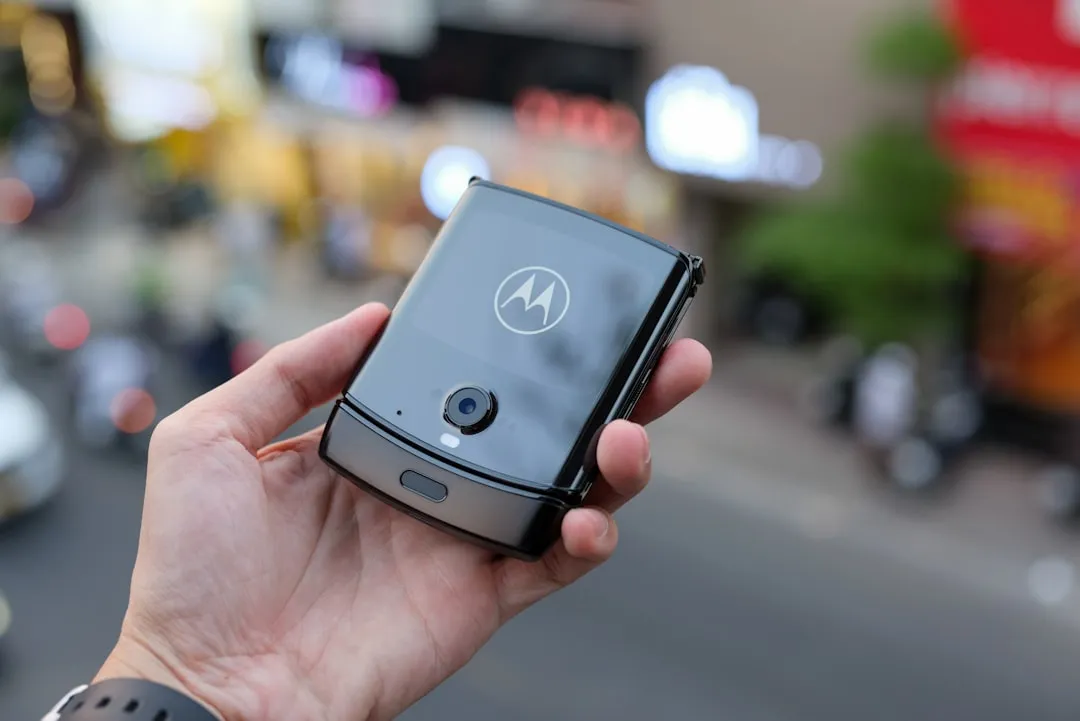
Motorola Razr Plus 2026: Price, Battery Upgrade, and Alternatives
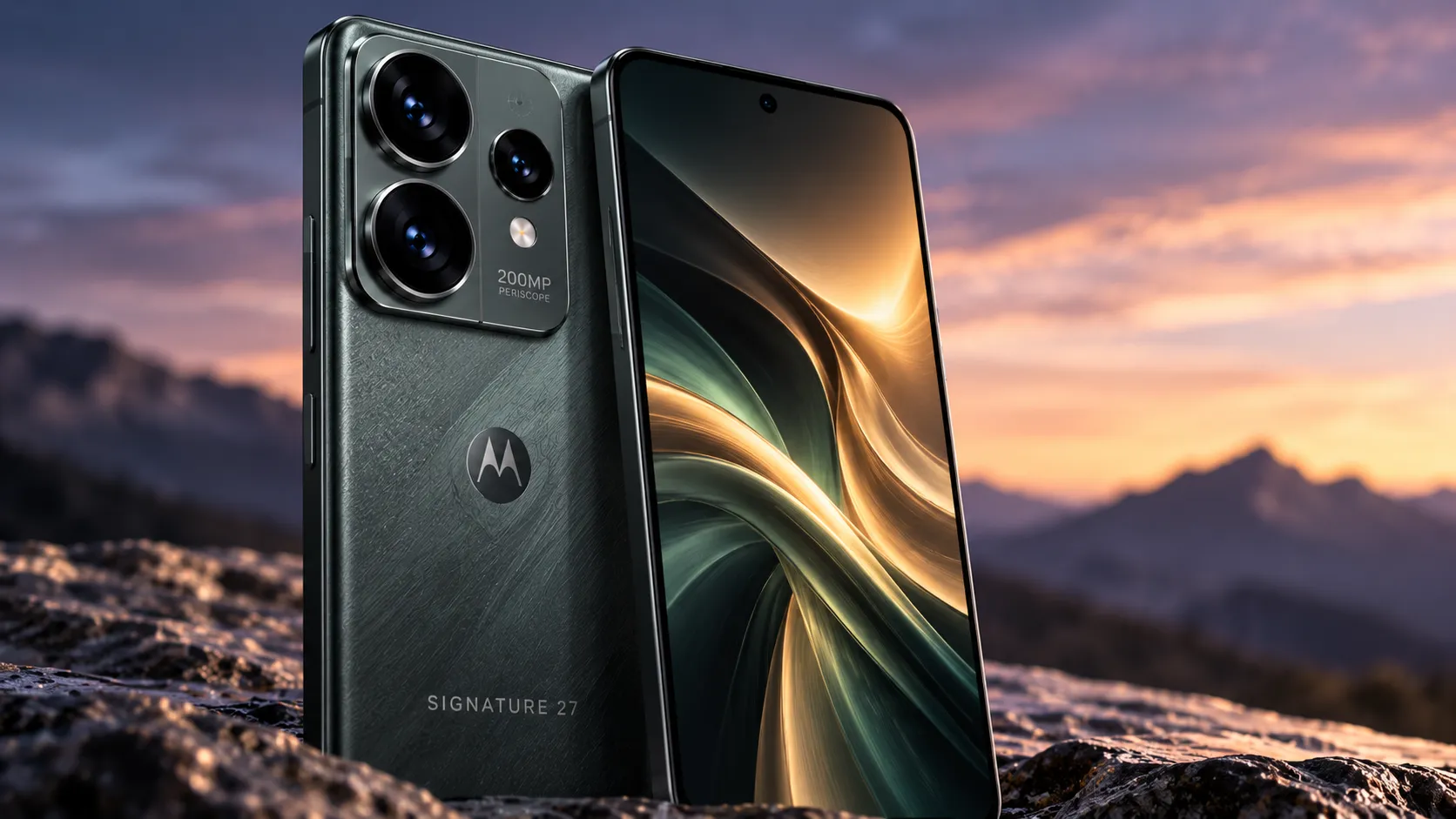
Motorola today unveiled the Motorola Razr Plus 2026 at $1,099, a $100 increase over last year, with one meaningful hardware change and the same Snapdragon 8s Gen 3 chip that shipped in 2024. The battery grew from 4,000mAh to 4,500mAh. Everything else stayed put. Preorders open May 14 and units go on sale May 21, CNET and The Verge both confirm.
That price puts the Plus in direct collision with the Samsung Galaxy Z Flip 7, which also starts at $1,099 for its 256GB configuration, according to PhoneArena. The Plus is also expected to launch as a US-only release, a detail PhoneArena flagged ahead of the announcement, though the limited availability makes the head-to-head with Samsung sharper, not softer.
The price increase also creates an internal problem. Motorola still sells the 2025 Razr Plus for $700. For $400 more, 2026 buyers get a battery step-up and a camera swap. That gap defines the Plus 2026 more than any spec on the sheet.
What the Motorola Razr Plus 2026 actually changed
The new Razr Plus uses a silicon-carbon cell rated at 4,500mAh, up from 4,000mAh on the 2025 model, CNET's first-impressions coverage confirms. Silicon-carbon anodes let manufacturers increase energy density without enlarging the physical cell, which matters specifically for flip foldables: the hinge, dual displays, and folding chassis all compete for the same internal space as the battery. Getting more capacity into an unchanged footprint is real engineering progress, and all three 2026 Razr models use the technology, CNET explains.
A spec-sheet number is not a day of real use. How that 4,500mAh actually performs depends on software efficiency, thermal management, and how the phone handles two active displays running simultaneously. Launch-day coverage confirms the capacity; it can't confirm what that number feels like at 9pm after heavy use. That answer arrives with reviews, which should land before most buyers need to decide.
The camera configuration shifted, too. Motorola swapped the 2025 model's 50MP 2x telephoto for a 50MP ultrawide, while the main 50MP wide camera and 32MP inner-display selfie shooter remain unchanged, The Verge reports. Whether that trade suits a given buyer depends entirely on how they shoot. Zoom-first shooters lose ground; wide-scene and group photographers gain it.
Two software additions ship across the full 2026 lineup. A rotate-to-zoom gesture in camcorder mode lets users twist the phone's body to adjust focal length, and Google Photos Memories now surfaces in the Razr's content feed, CNET notes. Neither is exclusive to the Plus.
The spec sheet that hasn't moved in two years
Beyond the battery and camera swap, the 2026 Razr Plus carries the same core hardware it did in 2025 and 2024. The Snapdragon 8s Gen 3 chip is two years old at this point. The 12GB of RAM, 256GB of storage, 4-inch cover display, 6.9-inch main display, and 165Hz refresh rate on both screens are all unchanged across three generations, CNET confirms.
All three 2026 Razr models carry IP48 certification, meaning protection against water immersion but not dust, The Verge notes. For a device with an exposed hinge gap, the absence of dust resistance is worth knowing before committing. The Plus ships in a single finish, Pantone mountain view green, confirmed in CNET's coverage today.
Price increases aren't isolated to the Plus. The Razr Ultra climbed $200 to $1,500 and the base Razr jumped $200 to $799, CNET reports. Motorola is raising prices across the entire lineup, which sharpens the value question at every tier.
How the Razr Plus 2026 sits against its own lineup
The 2025 Razr Plus ($700) is the sharpest comparison. It runs the same Snapdragon 8s Gen 3 chip, the same 12GB of RAM, the same 256GB of storage, and the same displays as the 2026 model, CNET confirms. The 2026 version costs $400 more for the battery upgrade and the camera swap. For buyers who never found the 4,000mAh battery genuinely limiting, that's a hard case to make. Endurance testing on the 2026 model will clarify whether the 500mAh gain produces a meaningfully different experience across a full day.
The base Razr 2026 ($799) is the more surprising comparison. It receives a chip upgrade to the MediaTek Dimensity 7450X, an ultrawide camera jump from 13MP to 50MP, and a silicon-carbon battery rated at 4,800mAh, which is actually larger than the Plus's 4,500mAh, CNET reports. The trade-off is real: it ships with 128GB of internal storage, cut from 256GB on last year's base model, with no microSD support, The Verge reports. Video shooters and heavy downloaders will feel that cut. For lighter users who stream most of their content, 128GB may be workable, and at $300 less than the Plus, the base model received more hardware improvement per dollar this cycle than its tier traditionally delivers.
The Razr Ultra ($1,500) is the one model in the 2026 family with a genuinely new hardware story. Its main camera uses a LOFIC sensor, short for Lateral Overflow Integration Capacitor, a technology designed to improve dynamic range by capturing highlight data that standard sensors clip, CNET explains. It pairs with a triple-50MP camera system and a 5,000mAh battery. The Ultra also carries the same Snapdragon 8 Elite processor and 16GB of RAM as last year's Ultra, now with 512GB of storage, so the camera and battery are where the generational work actually happened. Whether the LOFIC sensor produces noticeably better images in real conditions is a question reviews will need to answer. At $400 more than the Plus, it's the natural destination for buyers where camera performance is the priority and the budget can stretch.
The Galaxy Z Flip 7 ($1,099) lands at exactly the same price as the Razr Plus. Samsung's flip starts at $1,099 for its 256GB configuration, putting the two phones in direct competition, PhoneArena noted ahead of the launch. A full comparison across display quality, software update longevity, and carrier trade-in programs requires review evidence that doesn't exist yet. But anyone spending $1,099 on a flip phone should have the Flip 7 on the list particularly given the Razr Plus is expected to be a US-only release, while Samsung's device ships globally.
Who the Plus 2026 is actually for
The buyer this phone is built for has a fairly specific profile: someone who found the 2025 model's battery life genuinely insufficient, who wants the Snapdragon tier over the MediaTek in the base model, and who can't stretch to the Ultra. That's a real group. CNET's assessment today was pointed: at around $1,100, the value proposition is difficult to articulate, CNET notes.
Reviews will arrive before the May 21 sale date, and they'll answer the question that matters most: whether the 500mAh gain translates to a measurably better day-long experience, or whether the gap between the 2025 and 2026 models stays narrow enough that $700 remains the more sensible entry point. Carrier promotions and trade-in programs will also reshape the math before most purchases happen. Those numbers are worth watching.




Comments
Be the first, drop a comment!