



Google Pixel 9 Pro Fold vs Galaxy S25+: Is the Foldable Premium Worth It?
Two phones. A steep price gap. A decision that comes down to one honest question: do you actually need a tablet in your pocket, or do you just want one?
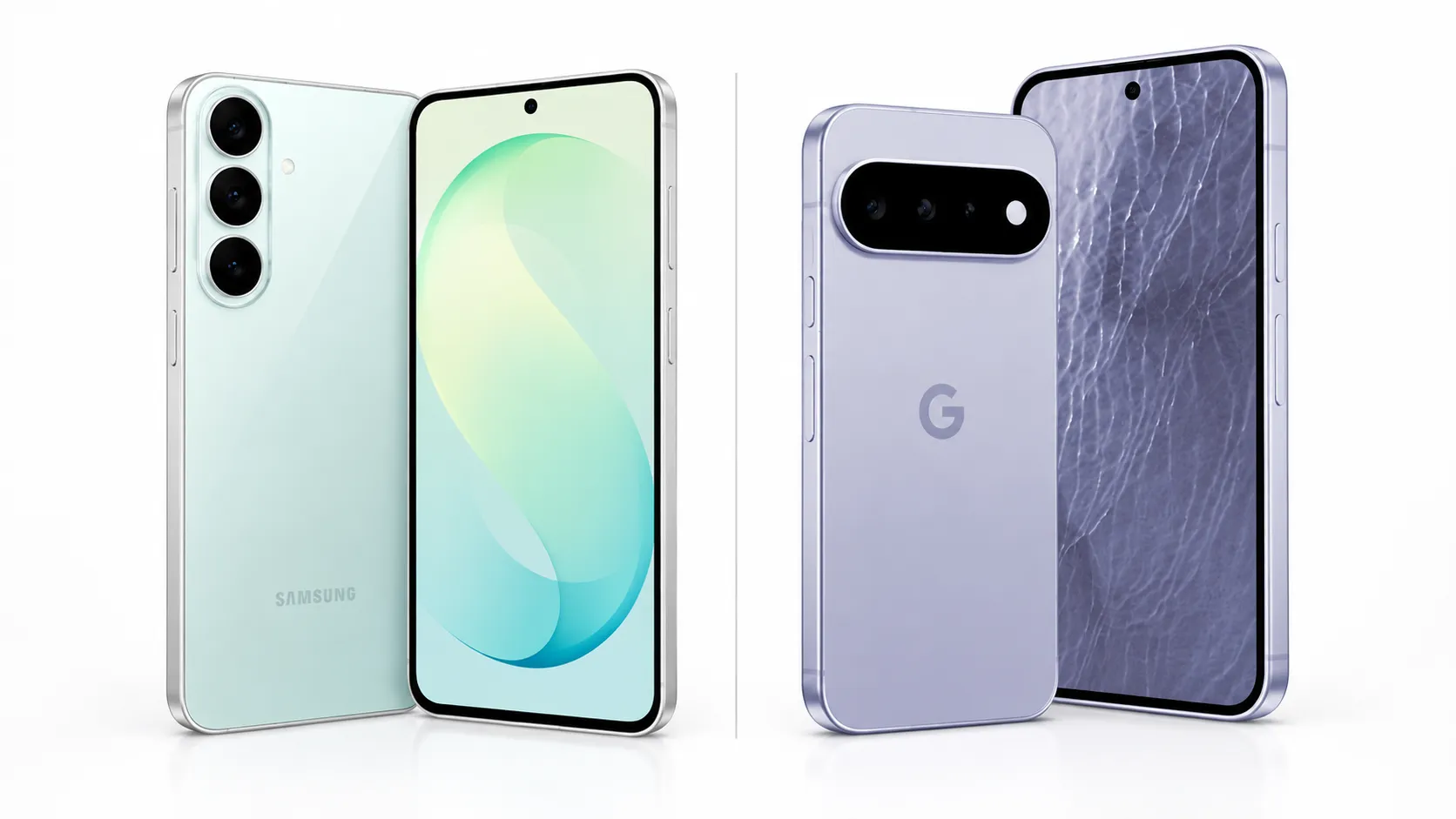
The Google Pixel 9 Pro Fold vs Samsung Galaxy S25+ comparison is really a contest between two different theories of what a premium Android phone should be. The Fold, at $1,799, is Google's bet that the right buyer will pay a substantial premium to merge their phone and tablet into one device, per a six-month owner review published last April. The S25+ is the opposing argument: a well-engineered conventional flagship, optimized at every level, is the smarter purchase for most people. Both positions are coherent. Only one is right for any given buyer.
A note on the data before diving in. Most direct testing available compares the Pixel 9 Pro Fold against the base Galaxy S25, not the S25+. Where findings transfer cleanly, such as chipset platform and Samsung's general ergonomic approach, this piece will say so explicitly. Where they don't transfer, it will say that too. The Fold vs S25+ verdict holds regardless, but the evidence base has real limits, and those limits will be marked.
What the S25 tells us about the S25+, and what it doesn't
The S25+ shares the same Snapdragon 8 Elite chipset platform and overall design philosophy as the base Galaxy S25. That means chipset performance data, efficiency comparisons, and the ergonomic character of the S25 line all transfer to the S25+ with reasonable confidence. The S25+ adds a larger display and battery over the base model, but inherits the same structural approach.
Where the transfer gets murkier: battery life results, since the S25+'s larger battery changes the runtime picture, and camera hardware, where no direct source in the available data confirms that the S25+ uses identical camera components to the base S25. Those gaps will be flagged where they matter.
What the Fold actually replaces (and what it doesn't)
The case for the Fold rests on a specific premise: that it's genuinely two devices in one. After six months of ownership, that premise holds, with one important qualification.
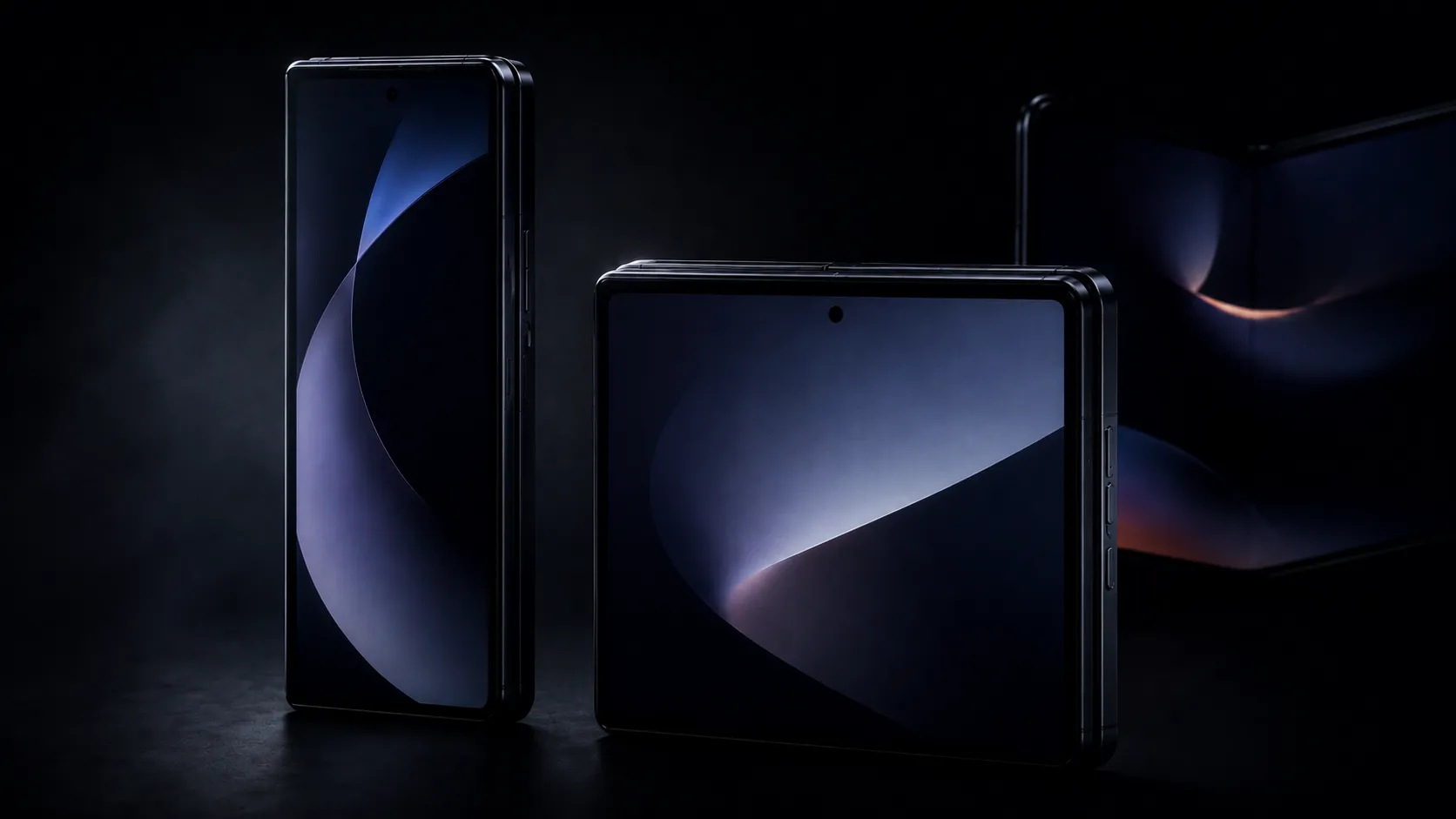
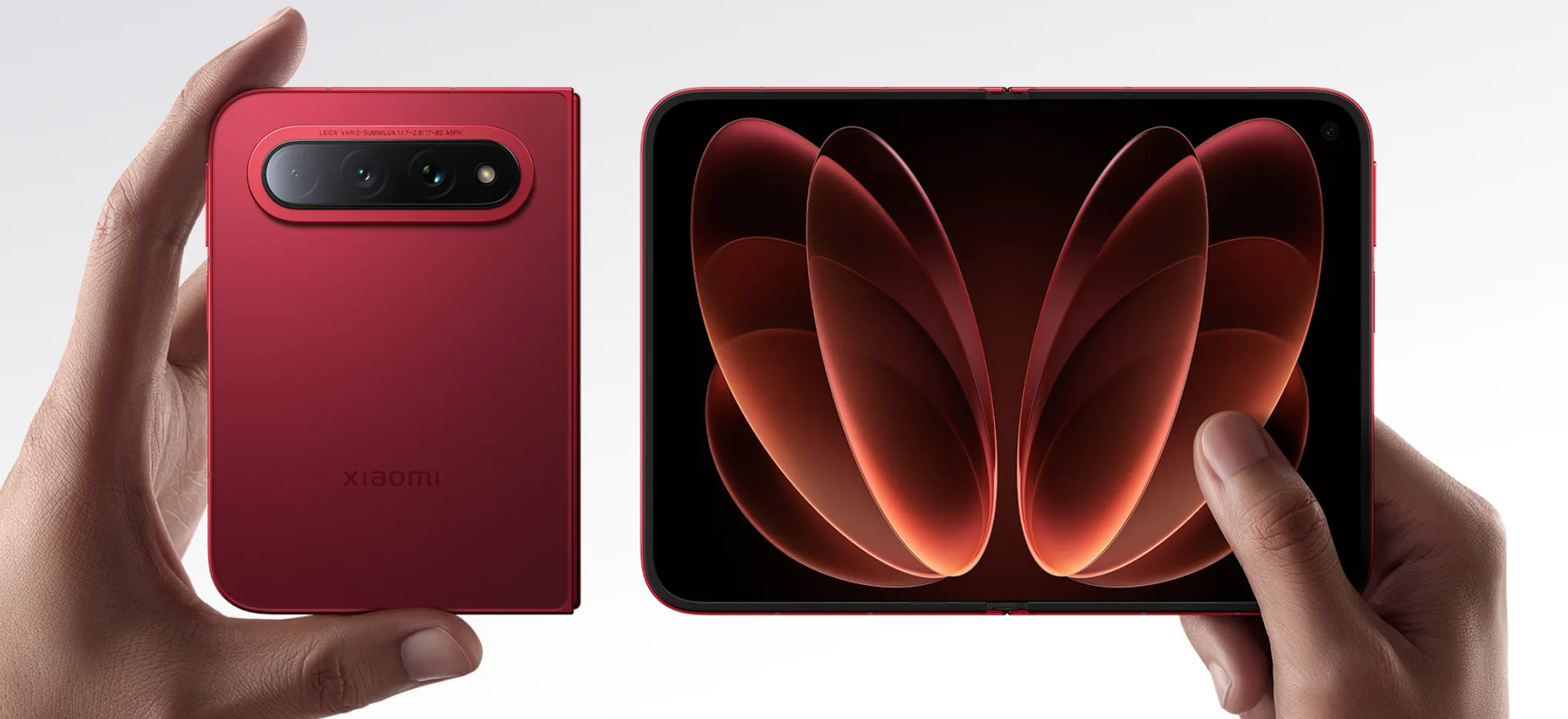
Unfolded, the Fold opens into an 8-inch OLED display that enables split-screen multitasking with two full-size apps running side by side, including drag-and-drop file transfer between them, per the six-month review. This is a meaningful distinction from anything a slab phone offers. On a regular phone, split-screen is a workaround you tolerate. On the Fold, it's the architecture the device was built around.
The weight argument cuts against the two-in-one pitch, but not fatally. At 257 grams, the Fold is nearly 60 grams heavier than the Pixel 9 Pro, a noticeable difference in the hand, per the same six-month review. Unfold it, though, and you're holding a tablet about 40 grams lighter than an iPad mini and 236 grams lighter than Google's own 10-inch Pixel Tablet. If you currently carry both a phone and a small tablet, the consolidation math is real. If you carry only a phone, you're absorbing extra bulk for a capability you may open twice a week.
Samsung's S25 line leans lighter and more compact than Google's comparable slab phones. In direct testing, the base S25 was notably smaller and easier to handle than the Pixel 9 Pro, with a smaller camera bump, per a day-in-the-life camera and battery comparison from last May. The S25+ scales that up with a larger battery and display, but should follow the same ergonomic character.
If you already own a tablet or rarely need two apps visible at once, the Fold's defining feature solves a problem you don't have. If you've been meaning to buy a small tablet and haven't gotten around to it, that changes things considerably.
Pixel 9 Pro Fold vs Galaxy S25 Plus: performance, battery, and what the chipset gap actually means
The chipset gap between these two phones is not subtle. In Geekbench multicore testing, the Pixel 9 Pro scored less than half the Galaxy S25's result, per the camera and battery comparison. The Fold runs the same Tensor G4 chip. The S25 and S25+ share the Snapdragon 8 Elite platform, so the performance hierarchy transfers directly. The battery comparison does not transfer directly, since the S25+'s larger battery changes that picture.
In everyday use, the Tensor G4 presents no meaningful friction. The six-month review found no performance issues across normal daily tasks. The gap surfaces under sustained load, and more consequentially, in power efficiency.
A controlled day-long test made the efficiency story concrete. The Pixel 9 Pro carries a 4,700 mAh battery against the Galaxy S25's 4,000 mAh, a 700 mAh advantage on paper. By the end of equivalent all-day use, the Galaxy finished at 39% and the Pixel at 37%, per the day-in-the-life comparison. A more efficient chip extracted more runtime from a smaller battery. The larger battery did not help the Pixel last longer.
For the Fold specifically, battery life ranges from 8 to 14 hours depending on usage intensity, per a long-term review published last April. Charging from zero reaches 50% in about 30 minutes and full charge in approximately 105 minutes. One practical limitation: the Fold does not support the Google Pixel Stand for wireless charging.
Push either phone hard through sustained video, heavy multitasking on that 8-inch inner display, or intensive apps, and the S25+ carries a structural efficiency advantage that the Fold's larger battery only partially offsets.
Camera: where the Fold earns its premium (and where it doesn't)
The Fold carries a triple rear camera system: 48-megapixel main, 10.5-megapixel ultrawide, and a 10.8-megapixel telephoto at 5x optical zoom, per the long-term review. In Pixel-versus-S25 testing, the 5x telephoto generally outperformed Samsung's 3x equivalent, with a larger sensor, longer reach, and better output overall, per the camera and battery comparison. No direct Fold vs S25+ camera head-to-head exists in the available data, so this advantage should be read as platform-level evidence, not a confirmed spec match.
The Fold's unique shooting workflows are the more interesting story. Dual-screen preview lets you frame shots using both the inner and outer displays at the same time, useful when someone else is operating the camera. Guided animations play on the outer screen to direct a subject's attention toward the lens, a practical tool for photographing people, children, or pets, per the long-term review. These aren't bullet-point features. They change how you actually shoot.
Samsung has an edge on video flexibility. The base S25 shoots 8K video including 8K LOG for color grading, which gives videographers more options in post-production, per the day-in-the-life comparison. That same comparison noted the Pixel 9 Pro's 8K cloud video quality as exceptional in its own right, particularly in low light, so the video story is less clear-cut than the stills comparison. On indoor photos, the Pixel's larger sensor produces more optical detail and background separation, while some reviewers preferred Samsung's color processing, a style preference rather than a technical verdict.
Camera-first buyers who shoot predominantly stills and especially zoom shots will likely prefer the Fold's hardware. Videographers wanting more flexible on-device capture options may lean toward the S25+. The Fold's dual-screen shooting features are genuinely useful, but only for people who regularly photograph other people.
The ownership math: price, depreciation, and what this phone costs over time
At $1,799, the Fold costs roughly what a premium flagship and a capable standalone tablet would together. One reviewer made this point directly: the premium over the Pixel 9 Pro XL alone, around $700, could fund a Remarkable writing tablet or a capable mid-range iPad, per the six-month review. The framing matters. You're not paying for a better phone. You're paying to merge two devices into one.
Whether that merger holds its value is where the math gets harder. Across trade-in data from more than 40 verified US buyback companies, foldables lost 62.3% of their value within six months versus 49.8% for standard flagships, and 71.1% versus 60.7% at 18 months, per SellCell data published last October. Those figures describe category-level patterns, not a guarantee for any single resale transaction.
Google's foldable line holds its value better within the category than Samsung's. The Pixel Fold lost 58.1% after six months compared to 56.1% for the Pixel Pro, a gap of just 2%, narrowing to 1.7% by the one-year mark. Samsung's Z Fold and Z Flip series lost 63.7% in the first six months versus 48.3% for the Galaxy S-series, the widest foldable-versus-slab gap in the study, per SellCell. The S25+ should follow the broader Galaxy S-series resale pattern, which is a materially more stable trajectory.
Buyers who keep phones for three or more years absorb the depreciation hit gradually. Buyers who upgrade every 18 months will feel it clearly.
A simple framework for making the call
This is ultimately less a spec contest than a behavior test. Before choosing, ask what you actually do with your phone every day, not what you imagine you might do.
Buy the Fold if you currently carry a phone and a small tablet, or have been planning to buy one. You regularly need two apps running side by side with full visibility. You photograph people often and will genuinely use dual-screen preview and guided shot features. You plan to hold the phone for at least two to three years. You've accepted that 257 grams in your pocket is the price of having a tablet in there too.
Buy the S25+ if you want a premium Android phone that handles every task well without demanding lifestyle adjustments. Battery efficiency and consistent performance under sustained load matter more than extra screen real estate. You trade in or upgrade within 18 months, since the depreciation math favors conventional flagships and Samsung's S-series in particular, per SellCell. You've never found yourself wishing your phone had a bigger screen.
Don't buy the Fold if the tablet functionality appeals in theory but you've never actually needed it. The thinness is real, just 0.2 inches when open per the long-term review, but it doesn't justify $1,799 on its own. The inner screen's plastic protector scratches from normal fingernail contact, and the hinge crease becomes more noticeable over months of use, per the six-month review. For a buyer fully committed to the foldable format, those are acceptable trade-offs. For someone still deciding, they're expensive disappointments waiting to happen.
The Fold is the more interesting device. The S25+ is the more defensible purchase for most people. That's not a knock on Google's engineering. It's a reflection of what a very expensive form-factor experiment asks of its buyer, and the honest answer to whether most people's habits justify the ask.






Comments
Be the first, drop a comment!