



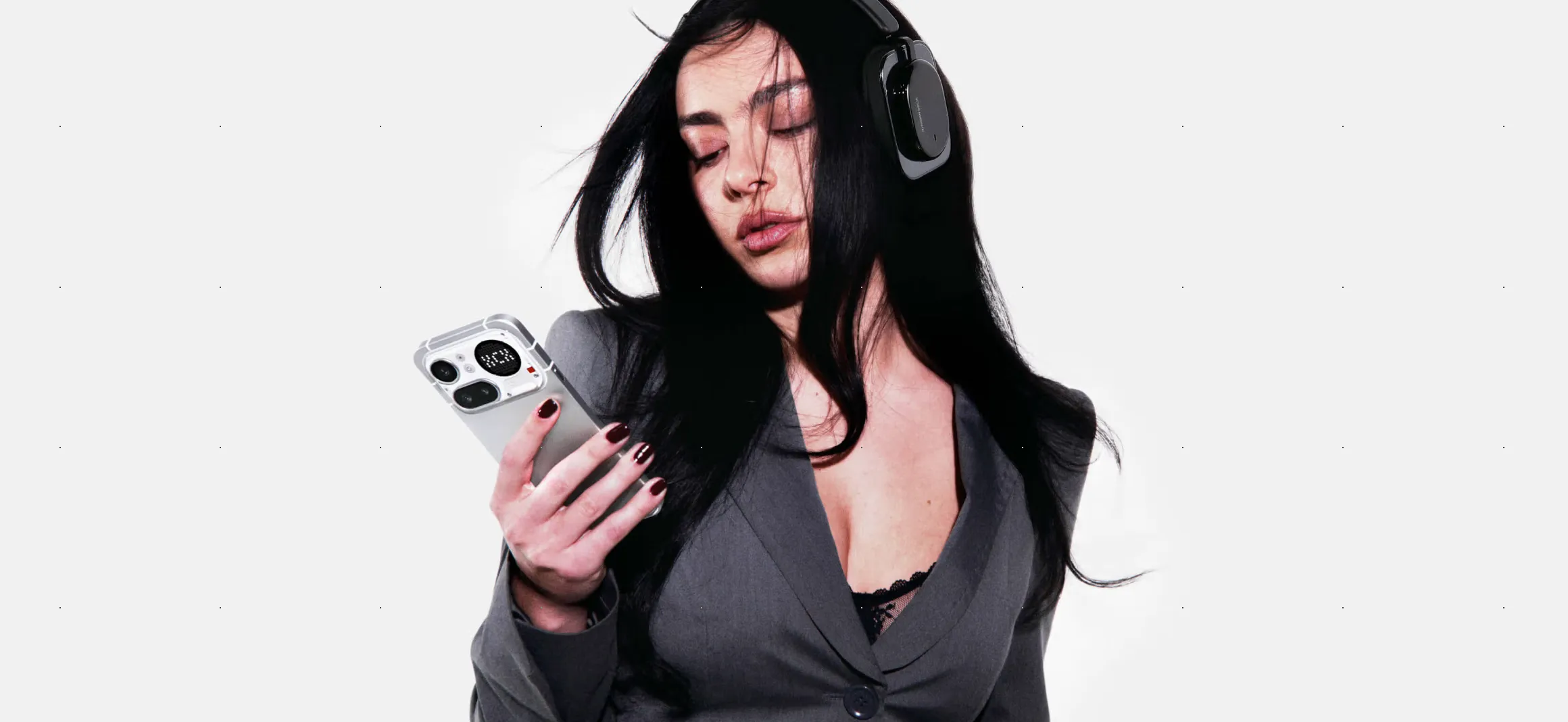
Nothing's Charli XCX campaign has put one of the company's phones in the spotlight, but not as a normal product launch. The phone drawing attention has not been announced as a standard retail device, with no preorder page, carrier listing, or release date attached.
The easier read: This is a campaign built around style and scarcity, not a new phone you can line up to buy.
That still makes it useful. The campaign shows how Nothing wants its hardware to feel: more personal, more recognizable, and less like every other phone on the shelf. In a smartphone market still dominated by Apple and Samsung, that kind of identity matters. In 2025, global smartphone shipments reached roughly 1.26 billion units, with Apple and Samsung together accounting for nearly 40% of the market, according to IDC data reported by Android Central. Nothing is still much smaller, so standing out visually is part of the pitch.
Nothing's U.S. retail position has also changed. On June 19, 2026, the Phone (3), Phone (4a) Pro, Headphone (a), and Ear (3) became available through more than 500 Best Buy stores and BestBuy.com. That gives shoppers a better chance to see Nothing's hardware in person, even if Apple and Samsung still have a much bigger advantage through carrier stores and upgrade programs.
What Nothing actually announced
Nothing has not announced a Charli XCX-branded phone for standard retail sale. What it has confirmed is broader: Charli XCX has joined Nothing as its first global ambassador and shareholder.
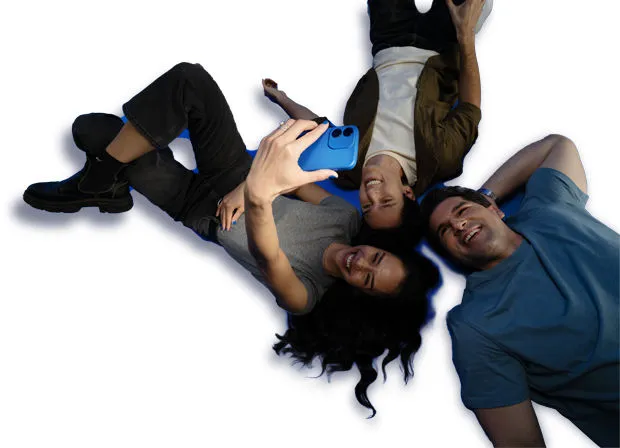
The campaign centers on Headphone (a), while TechRadar identifies the phone shown in related visuals as the Phone (4a) Pro, using its rear Glyph display as part of the campaign's look.
That distinction is important. A phone shown in campaign images is not the same thing as a phone being sold as a special edition. For now, the "Charli XCX phone" is best understood as a campaign piece — a way for Nothing to show off its design language and connect its products with a specific cultural mood.
Why Charli XCX makes sense for Nothing
Nothing has always leaned on design. Its transparent-inspired phones, rear LEDs, and unusual accessories are meant to be noticed. Charli XCX fits that approach because her current image is tied to style, internet culture, and a kind of intentionally imperfect cool that lines up with Nothing's anti-boring hardware pitch.
The campaign does not spend much time on specs. It is more about how the products look, how they fit into a person's style, and how different they feel from the usual phone launch. That is the message.
On the Phone (4a) Pro, the Glyph Matrix LED display makes the phone more glanceable and personal, with support for basics such as time, battery life, and notification icons, though it is simpler than the Phone (3)'s rear display. It is not something everyone needs, but it is one of the clearest ways Nothing separates its phones from other Android devices.
The buyable phone behind the campaign
The closest real-world comparison for the Charli XCX campaign phone is the Phone (4a) Pro. It is Nothing's top U.S. midrange phone for 2026, not a replacement for the Phone (3). The company has confirmed there will be no Phone (4) this year.
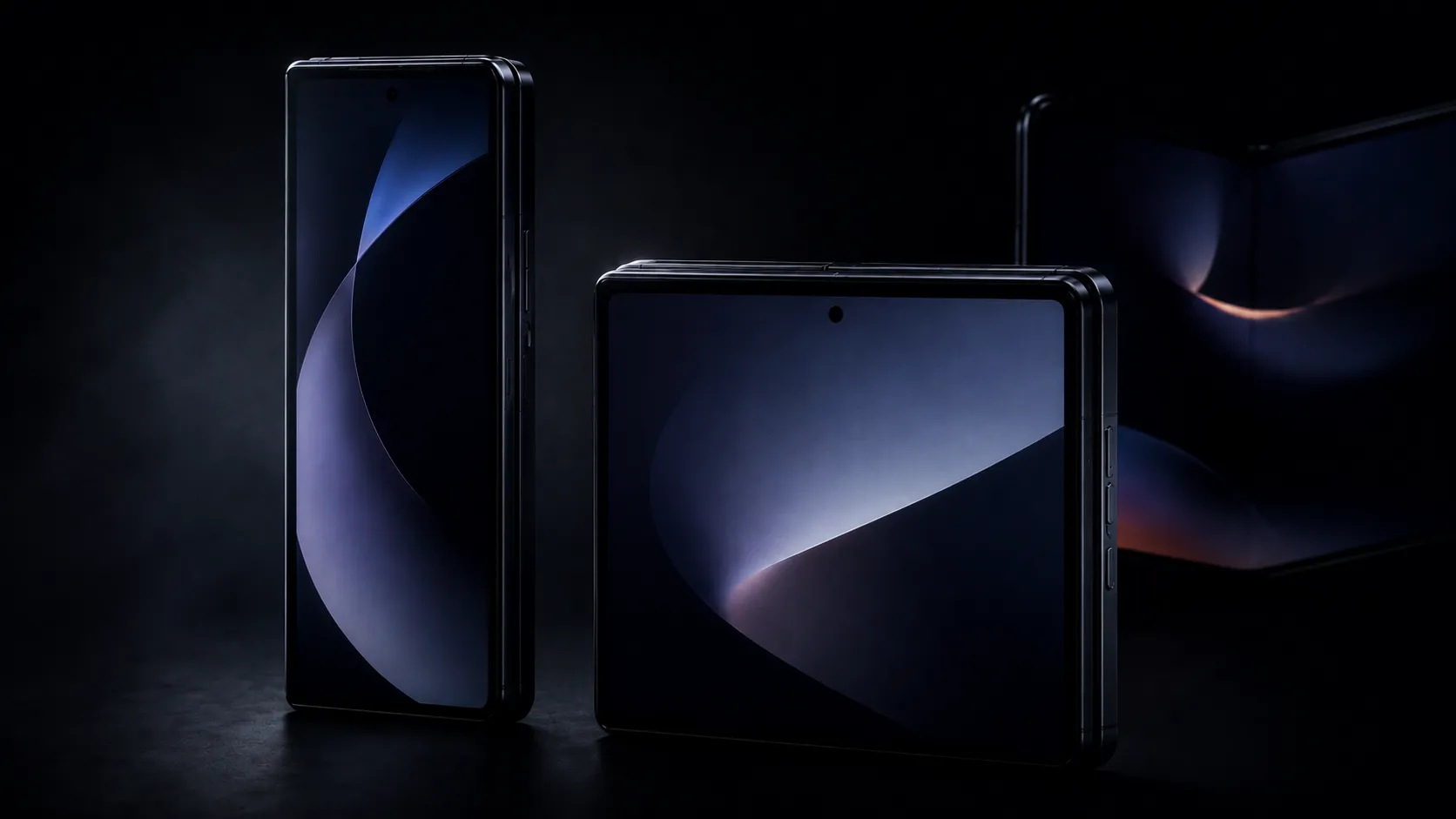
The Phone (4a) Pro starts at $499 and puts design front and center. It has an aluminum unibody, a 6.83-inch display, a 144Hz refresh rate, and a Glyph Matrix LED display integrated into the camera module. In The Verge's review, the phone came across as more premium than its price suggests.
There are tradeoffs. The Phone (4a) Pro has IP65 water and dust resistance rather than IP68, no wireless charging, and three years of Android OS updates. Those details matter if you are comparing it with a Pixel, Galaxy, or iPhone. The design gets attention, but the phone still has to make sense as a daily device.
That is where the Charli XCX campaign helps. It puts the most noticeable part of Nothing's hardware — the look and feel — in front of people who may not follow phone launches closely. The phone looks different, behaves differently on the back, and gives users more room to treat it as something personal.
Cool still has to sell phones
Nothing has managed to last longer than many other distinctive phone brands. Essential shut down in 2020. Nextbit was acquired by Razer. RED's Hydrogen phone effort faded after product and manufacturing problems.
Nothing has kept going. The company has raised $450 million, reached a $1.3 billion valuation after its September 2025 Series C, and is using that funding to push toward a more AI-native hardware and software platform, according to a September 2025 funding report. The same Vogue report said Nothing has surpassed $2 billion in lifetime revenue, including almost $1 billion in 2025.
That is real progress, but the next step is harder. Nothing has to turn attention into repeat buyers.
Its software is part of that effort. Features such as AI wallpaper generation, AI summaries, and Essential Space give Nothing phones more than just a distinctive shell. Essential Space, in particular, lets users save images and audio, then turn them into reminders or calendar entries.
Still, a rear LED display and a strong campaign are not enough on their own. Apple, Samsung, and Google keep users through ecosystems, updates, accessories, services, and years of habit. Nothing has to give people a reason not just to try one phone, but to come back for the next one.
The U.S. retail test has started
Nothing's U.S. test is no longer hypothetical. Best Buy gives the company a bigger physical retail presence in one of the world's most important smartphone markets. That matters for a brand whose products are easier to understand when shoppers can actually pick them up.
But retail reach is not the same as mass adoption. Apple and Samsung still have stronger carrier partnerships, trade-in programs, accessory ecosystems, and upgrade habits working in their favor. Best Buy gives Nothing visibility; it does not guarantee sales momentum.
The harder test comes after the campaign fades. If it drives more interest in the Phone (4a) Pro, Headphone (a), CMF products, or whatever Nothing launches next, the campaign did its job. If it only creates a few weeks of attention, it was a smart brand moment, not a breakthrough.
The Charli XCX campaign does not prove Nothing can turn cultural heat into long-term hardware loyalty. It does show the bet clearly: make the phone feel worth noticing first, then see if the product is strong enough to keep people around.



Comments
Be the first, drop a comment!