



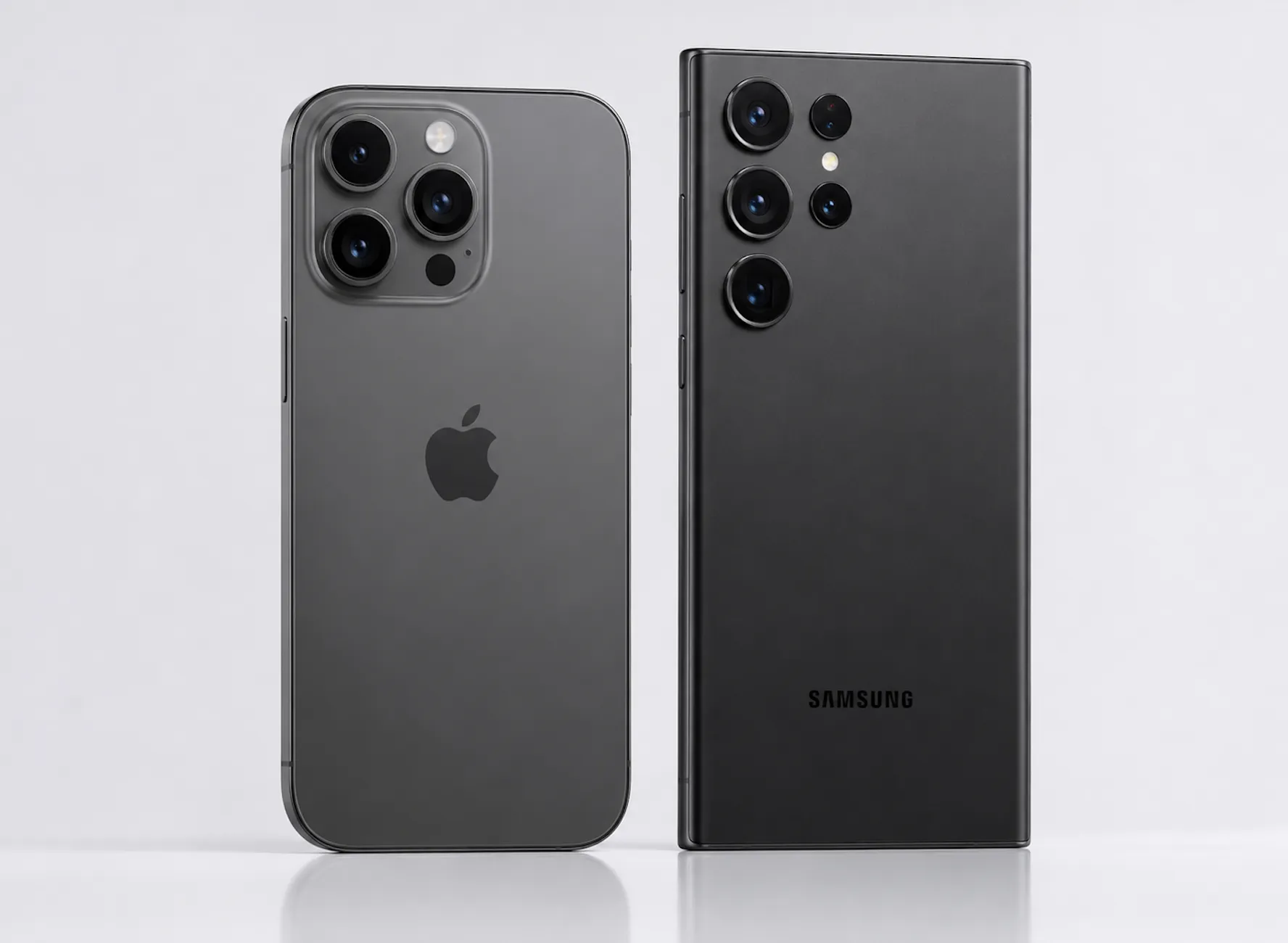
Apple plans to raise prices, but CEO Tim Cook did not say which products will get more expensive, when the increases will happen, or by how much. But in a Wall Street Journal interview published June 17, he made one thing clear: Apple can no longer shield buyers from surging memory and storage costs.
That puts Android phone makers in a tighter spot. Apple is not causing the memory crunch, but its pricing move gives rival brands more room to pass along costs they were already facing.
The pressure starts with the same chips inside nearly every modern phone: DRAM, the memory phones use to run apps and AI features, and NAND flash, the storage used for photos, videos, apps, and system files. AI data centers are buying huge volumes of both, while phones themselves need more memory for on-device AI features such as assistants, image processing, and real-time translation.
The result is simple: RAM and storage are getting more expensive at the exact moment phone makers need more of them.
Apple's price signal matters because iPhone pricing helps set the ceiling for the rest of the premium smartphone market. If Apple raises prices, Samsung, Google, OnePlus, and other Android brands have more cover to do the same. The bigger risk for many Android buyers, though, is not a $100 flagship price increase. It is a weaker budget-phone market with fewer models, smaller storage options, reduced RAM, or worse discounts.
Why phone memory costs are surging
The memory problem is not just an Apple problem. AI companies are competing with phone, PC, console, and tablet makers for the same broad supply of DRAM and NAND chips. That demand has pushed more production toward high-margin AI infrastructure and away from consumer devices.
A Business Insider report in January cited IDC and Counterpoint warnings that AI data center demand could raise smartphone and PC prices in 2026, with lower-end phone makers under the most pressure. The issue has only become harder to ignore since then.
Phone makers have three choices when memory costs rise: absorb the hit, raise prices, or cut specs. Premium brands can usually hold out longer because they have stronger margins, trade-in programs, carrier financing, and loyal buyers. Budget brands have much less room.
That is why the Android impact may not look the same across every price tier. A Galaxy S or Pixel flagship could simply get more expensive. A $150 or $200 Android phone may keep the same price but ship with less RAM, less storage, or fewer launch discounts. In some cases, the cheaper model may disappear altogether.
Budget Android phones are most exposed
Android dominates the affordable end of the smartphone market. That makes the low end especially vulnerable when component costs rise.
The pressure is not only about sticker prices. A phone can become more expensive in practical terms even if the price tag does not move. If a new model keeps the same price but drops from 256GB to 128GB of storage, cuts RAM, or loses the usual launch discount, buyers are still getting less value.
That matters most in markets where carrier subsidies and trade-in programs are weaker. In the U.S., a higher price can be softened by monthly financing or a trade-in credit. In price-sensitive markets, the same increase can delay an upgrade entirely.
This is where the memory crunch hits Android hardest. The premium tier has more ways to hide the pain. The budget tier has fewer.
How buyers will feel the squeeze
The first signs may be easy to miss.
Some phones will simply cost more. Others will hold the line on price but cut back on RAM or storage. Some brands may narrow their lineups and focus on models with better margins. Discounts may also get worse during sales periods because memory shortages leave manufacturers with less flexibility.
Nothing co-founder Carl Pei gave a clear warning in a June 12 post reported by The Verge: RAM had become one of the most expensive parts of a smartphone, and phone prices were already rising. He also warned that this year's sale season may not bring the discounts buyers expect.
That is the part buyers should watch. A price hike is obvious. A quiet downgrade is easier to miss.
If you are comparing phones this year, check the RAM and storage tier before assuming a new model is a good deal. A "same price as last year" phone with less memory, less storage, or fewer bundled perks is not really the same deal.
Apple gives Android brands pricing cover
Apple's role is indirect but important.
The company has enough pricing power to shift expectations across the market. If Apple raises prices first, premium Android brands can follow without looking like outliers. A $50 or $100 increase on a Galaxy, Pixel, or OnePlus flagship looks less dramatic when iPhones are moving in the same direction.
That does not mean Apple is forcing Android prices higher. The cost pressure was already there. Apple's move mostly reduces the friction for other brands to act.
There is still a limit. In price-sensitive markets, buyers can delay upgrades, buy used phones, or choose cheaper models. That limits how aggressively brands can raise prices. It also means the damage may show up as weaker shipments and longer replacement cycles instead of a clean, visible price increase.
The iPhone 18 Pro could be the clearest test
Apple has not confirmed which products will get more expensive. The next major iPhone launch is expected in September, which makes the iPhone 18 lineup the most visible place to watch.
A separate WSJ analysis using TechInsights estimates suggested the iPhone 18 Pro could cost Apple substantially more to build because of higher DRAM and NAND prices. That does not guarantee a specific retail price. It does show why Apple may be preparing buyers for higher prices before the next launch cycle.
Macs and iPads could also be affected because they use the same broad categories of memory and storage. Apple has already adjusted parts of its Mac lineup, but an iPhone price increase would make the memory crunch far more visible to mainstream buyers.
What this means for your next phone
Watch the specs, not just the sticker price.
For flagship buyers, the risk is straightforward: higher launch prices, fewer aggressive preorder deals, or more expensive storage upgrades.
For midrange buyers, the trade-offs may be subtler. A phone might keep a familiar price while trimming RAM, lowering storage, skipping a higher storage tier, or reserving better specs for a more expensive model.
For budget Android buyers, the risk is sharper: fewer good sub-$200 options, fewer deep discounts, and more compromises in everyday performance.
Market researchers expect the squeeze to last beyond one launch cycle. A Tom's Hardware report on IDC's updated outlook said memory pressure could push phone makers toward higher prices, reduced specs, or both, especially in the midrange.
That makes RAM and storage the specs to scrutinize in 2026. The best-value phone may not be the one with the lowest price. It may be the one that still gives you enough memory and storage to last several years without forcing an upgrade sooner than planned.











Comments
Be the first, drop a comment!