



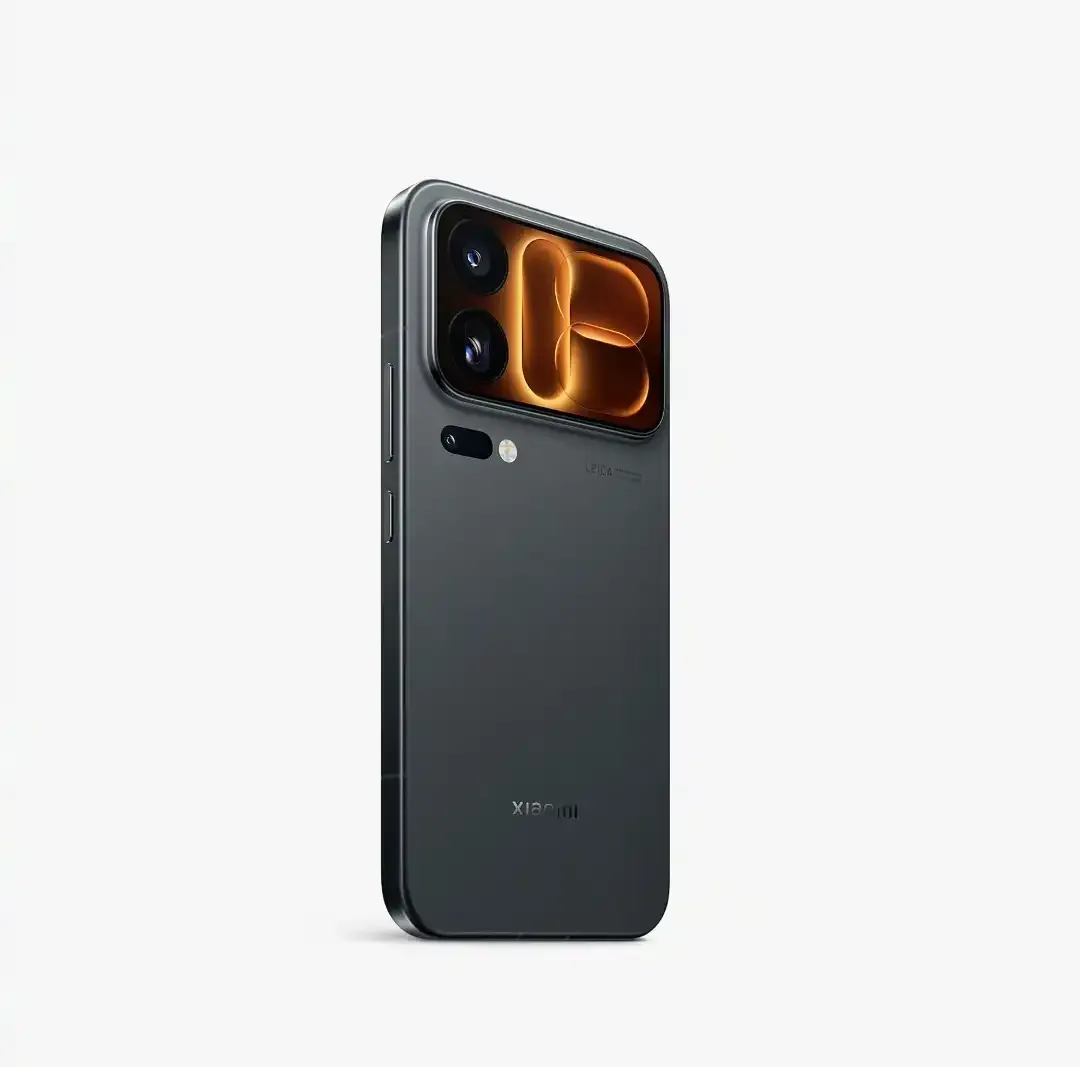
Xiaomi has been teasing its camera-centric flagship for months, and the wait for a global release might finally be over. Recent reports from Android Authority suggest the device could launch internationally within weeks, marking a significant shift in Xiaomi's distribution strategy. For photography enthusiasts and mobile tech fans who've watched this phone dominate Chinese social media feeds, the timing couldn't be better according to industry observers. This isn't just another incremental upgrade—it's Xiaomi's bid to challenge Samsung and Google in the premium camera phone segment, and the company appears ready to make its move on the global stage.
Why this global launch matters for Xiaomi's flagship strategy
Xiaomi's approach to flagship releases has historically been fragmented, with Chinese variants often sporting different specifications than their global counterparts. This launch represents a departure from that pattern, signaling the company's ambition to compete uniformly across markets. The camera-focused positioning directly targets Samsung's Galaxy S series and Google's Pixel lineup, both of which have dominated the premium photography conversation.
Industry analysts note that Xiaomi has invested heavily in computational photography partnerships, suggesting this isn't just hardware flexing but a comprehensive imaging ecosystem. We've seen plenty of manufacturers throw impressive sensor specs at the wall, but creating a cohesive photography experience requires software development commitment, AI integration that learns from real-world usage patterns, and sustained algorithm refinement through regular updates. The timing also coincides with growing consumer demand for flagship alternatives beyond the traditional Samsung-Apple duopoly. There's genuine appetite for premium Android phones that don't come with Samsung's heavily skinned One UI experience or Google's deliberately minimal hardware philosophy—and Xiaomi's comprehensive imaging ecosystem positions them to serve buyers seeking that middle ground between software-first and hardware-first approaches.
What we know about the camera hardware and imaging capabilities
The flagship's camera system has been the subject of intense speculation, with leaked specifications pointing to a large-sensor primary camera that could rival dedicated point-and-shoot cameras. Larger sensor dimensions fundamentally change light capture physics—more photons hitting the sensor translate to improved dynamic range, cleaner low-light performance, and that coveted shallow depth-of-field effect that makes subjects pop against beautifully blurred backgrounds.
Xiaomi has historically partnered with Leica for its premium imaging experiences, and reports suggest this collaboration continues with enhanced computational photography features. The German optical engineering expertise appears to extend beyond lens coatings into color science calibration and image processing philosophy—potentially giving Xiaomi's computational pipeline a distinctive rendering profile that emphasizes natural tones over the aggressive HDR processing common in smartphone photography. The multi-lens array reportedly includes specialized sensors for low-light performance and telephoto capabilities, addressing two areas where meaningful differentiation happens. Bright daylight shots? Honestly, most flagship cameras nail those. The real test comes in dimly lit restaurants or when capturing distant subjects without muddy digital zoom artifacts.
Beyond raw megapixel counts, the emphasis appears to be on processing algorithms and real-time image optimization—areas where Xiaomi has made significant R&D investments according to company statements. Modern smartphone photography magic happens in the computational pipeline: intelligently stacking multiple frames to reduce noise, optimizing HDR processing to balance highlights and shadows, applying scene-specific AI enhancements that adjust noise reduction strategies based on subject matter. The most impressive sensor means nothing if your processing pipeline doesn't extract its full potential.
Regional battery variations and the capacity tradeoff dilemma
Here's where things get frustrating for global buyers. Chinese market versions of Xiaomi flagships typically feature larger batteries than their global counterparts due to different certification requirements and consumer expectations. This creates a scenario where international buyers often receive devices with noticeably smaller batteries (examples: China model X vs global Y; see sources) and while that percentage might not sound dramatic on paper, it can mean the difference between making it through a full day or hunting for a charger by dinner time.
The camera-focused nature of this flagship amplifies the concern considerably. Computational photography and AI processing are notoriously battery-intensive operations—every shutter press triggers multi-frame capture, complex algorithm execution, neural network processing, and often video buffer recording for motion photo features. All that computational horsepower draws serious power. For photographers planning to shoot heavily throughout the day, this capacity reduction could prove particularly limiting. How Xiaomi addresses this challenge—whether through more aggressive power management profiles, faster charging technology to compensate, or regional battery optimization strategies—will reveal whether they're truly thinking about global users' real-world needs or simply checking a distribution box.
How this positions Xiaomi against Samsung and Google's camera flagships
Let's break down the competitive landscape. The battle for camera flagship supremacy is brutal, with Samsung's computational photography prowess and Google's AI-driven imaging setting impossibly high bars. Xiaomi's strategy appears to focus on hardware superiority combined with aggressive pricing, potentially priced lower than some competitors while delivering comparable specifications. That price advantage positions them in the premium-but-accessible segment, targeting buyers who want flagship camera performance but balk at premium pricing—essentially the enthusiast photographer who's outgrown their current smartphone camera but isn't ready to carry dedicated equipment.
Google's Pixel line has long dominated computational photography conversations despite using older sensor technology compared to Chinese manufacturers, proving that brilliant software engineering can extract incredible results from modest hardware. If Xiaomi matches Google's computational sophistication while also deploying superior sensor hardware, that's a compelling value proposition. Samsung's recent Galaxy S releases have emphasized versatility across multiple focal lengths, offering genuine optical telephoto performance without digital trickery—an area where Xiaomi's multi-camera approach directly competes.
The wild card remains ecosystem integration. Neither Samsung nor Google can match Apple's seamless device connectivity, leaving an opening for Xiaomi to differentiate through cross-device features. For buyers already invested in Xiaomi's ecosystem—their laptops, tablets, or smart home devices—this flagship could integrate in ways that Samsung or Google can't quite replicate, creating switching costs that extend beyond the phone itself.
What this means for mobile photography enthusiasts and Android buyers
Bottom line: if these launch reports prove accurate, Android users finally get another legitimate flagship option that prioritizes imaging without the Samsung or Google premium. The global availability removes the grey-market complications that have plagued previous Xiaomi flagships, meaning proper warranty support, timely software updates, and optimized cellular band support—no more questionable import channels or worrying whether regional network compatibility will create connectivity headaches.
For photography enthusiasts, the combination of large sensors and computational processing could deliver DSLR-adjacent results in a pocketable form factor. We're approaching that crossover point where carrying a separate camera becomes genuinely unnecessary for most shooting scenarios—travel photography, street shooting, everyday capture. Professional photographers will still reach for their full-frame mirrorless cameras for critical commercial work, but this flagship targets the hobbyist building a social media presence, the parent documenting family moments with professional-looking results, the content creator who needs reliable imaging without the bulk.
The real test will be sustained software support and whether Xiaomi can maintain its camera performance advantage through multiple Android version updates. As we've seen from extensive testing of previous flagships, camera performance shouldn't peak on launch day and then stagnate while competitors continue refining their processing pipelines through regular updates. The hardware may impress initially, but computational photography algorithms must evolve—adding new shooting modes, improving existing processing, optimizing for emerging use cases. That requires sustained development commitment, not just impressive launch-day specs.
PRO TIP: When the official announcement drops, watch for specific commitments on update frequency and computational photography development roadmap. Also pay attention to regional availability timing, carrier partnerships for financing options, and whether Xiaomi offers trade-in programs—these factors transform an interesting flagship into an accessible purchase option for buyers ready to switch ecosystems.
Keep your eyes on the official announcement—this could reshape the premium Android landscape into a genuine three-way competition. More competition ultimately benefits everyone through increased innovation and competitive pricing pressure. The question isn't whether Xiaomi can deliver impressive hardware (they've proven that capability repeatedly), but whether they can sustain the software development that turns impressive launch hardware into an enduring flagship experience that improves over time rather than fading as newer models arrive.












Comments
Be the first, drop a comment!