



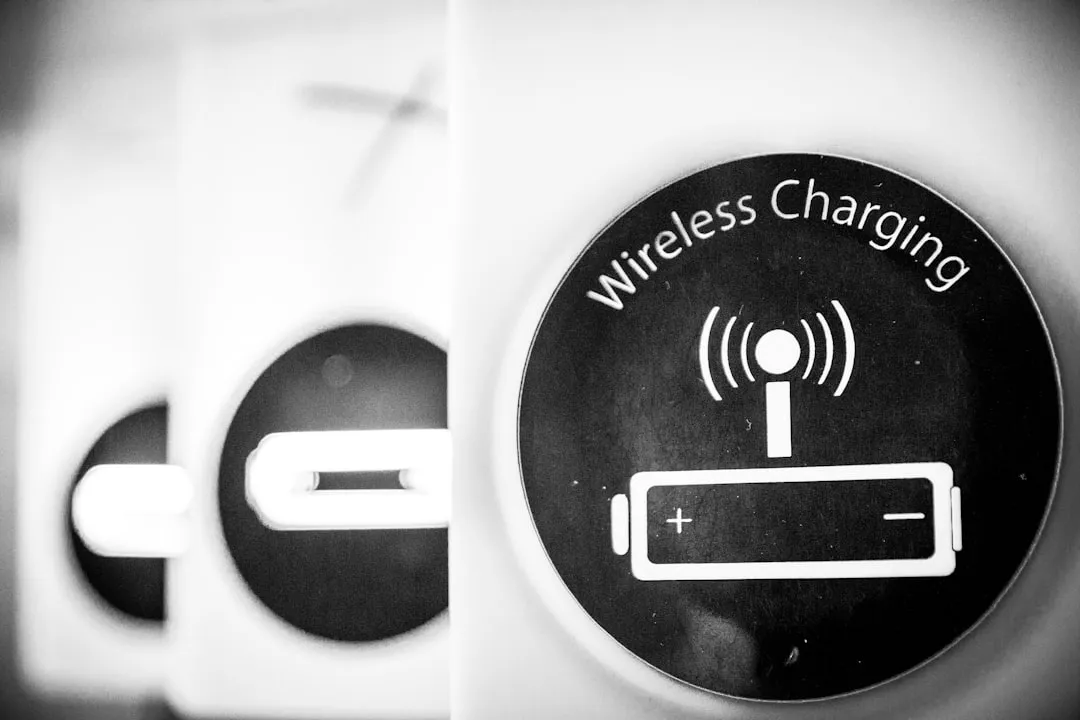
As someone who's tested hundreds of mobile devices over the years, I'll admit something that might surprise you: wireless charging has never been my go-to power solution. The technology feels sluggish compared to modern fast charging, generates unnecessary heat, and honestly, the convenience factor feels overstated when you still need cables running to charging pads. But here's the thing—despite my lukewarm feelings about wireless power transfer, I refuse to buy any smartphone that doesn't support it. The reason isn't about daily convenience or cutting-edge features; it's about having a crucial backup when your primary charging method inevitably fails.
Let me break down why wireless charging has become my insurance policy rather than my preferred charging method. Current wireless technology caps out at around 25 watts through the latest Qi2 standard, while most Qi2-enabled devices only support 15W. Compare that to wired charging, where many phones support super-fast charging with the right cables and adapters, and some brands like OnePlus include ultra-fast adapters right in the box. The speed difference is substantial—wired charging will almost always outpace wireless alternatives.
Why wireless charging feels like a compromise
Here's what bothers me about wireless charging in daily use: the inefficiency is real and measurable. Wireless chargers often produce more heat than their wired counterparts, which isn't just uncomfortable—it can impact your device's long-term battery health. The alignment issues persist even with modern standards, and compatibility remains frustratingly inconsistent across different device manufacturers.
The numbers tell the story clearly. Real-world results show USB-C fast chargers reaching 65-95 minutes to full charge, whereas 10-15W wireless setups can exceed 160 minutes. Even Apple's MagSafe technology, which represents some of the best wireless charging available, can approach USB-C speeds but lags by roughly 10-15 minutes on a full charge. When you're dealing with a dead phone and need power quickly, those extra minutes matter significantly.
What makes this even more frustrating is the compatibility nightmare that highlights exactly why wireless charging can't be your only option. Take Google's Pixel phones, for example— a recent survey of ~2,600 Pixel users found many were getting 5W instead of 10–15W when using the wrong charger . The technical reason? Some older Pixel models can fall back to 5W with certain Qi2 chargers due to compatibility/handshake issues; Google has not adopted Qi2 for some Pixel 9 models. Instead of the expected 12W, users are stuck with what amounts to more around the 3-4W range.
The one scenario that changes everything
But here's where my perspective shifts entirely: USB-C ports fail. Not might fail—they will fail, especially with heavy daily use. Every time you plug your phone in, the charging port suffers some wear and tear, and while getting a port fixed isn't a huge repair and most shops handle it quickly for relatively cheap, there's often a gap between when your port stops working and when you can get it repaired.
This is where wireless charging transforms from a nice-to-have feature into essential functionality. Wireless charging helps protect ports from needing repair and can extend the useful life of a device. When your USB-C port becomes loose, stops making proper contact, or fails entirely, wireless charging becomes your lifeline. I've seen too many situations where someone's primary charging method failed at the worst possible moment—during travel, before important meetings, or when repair shops were closed.
You might be thinking this is an edge case, but port failure is more common than people realize. The constant plugging and unplugging creates mechanical stress on both the port and the cable connectors. Lint and debris accumulate in ports over time, affecting connectivity. And let's be honest—how many times have you wiggled a charging cable to get it to make proper contact? That's your port warning you about impending failure.
PRO TIP: The next time you catch yourself wiggling a charging cable or struggling to get your phone to recognize the charger, you're witnessing the early stages of port degradation. Start using wireless charging more frequently to reduce the mechanical stress on your port.
Modern wireless charging improvements
The technology has genuinely improved, even if it hasn't reached my speed expectations. Qi2 doubles Qi1's typical charging speed, moving from around 7.5W to at least 15W, and offers dynamic power management rather than fixed output. The magnetic alignment features in Qi2 address many of the positioning issues that plagued earlier wireless chargers, and Qi2's precise communication and better power control minimize heat while supporting safer, quicker fills.
Recent testing shows encouraging progress in real-world performance. The Anker MagGo 2-in-1 Stand charged multiple test iPhones faster than all others, while the Samsung 15W Duo Pad charged Galaxy devices much faster than competitors, including charging through a 4.6mm thick case. These improvements suggest wireless charging is becoming more practical as a backup solution, even if it's not replacing wired charging as the primary method.
The heat management improvements directly support the backup reliability argument. Better thermal control means your backup charging method won't throttle performance or potentially damage your device when you need it most. When your primary charging port has failed and you're relying on wireless charging for extended periods, consistent performance becomes critical.
The practical backup strategy
My approach treats wireless charging as essential backup infrastructure rather than daily convenience. When shopping for phones, wireless charging capability is non-negotiable—not because I plan to use it regularly, but because I need the option when wired charging fails. There is no situation where a phone that relies solely on wireless charging can function without wired charging as backup, but the reverse isn't true.
This backup mentality extends to accessories as well. I keep a basic wireless charger in my travel kit and have one available at my primary workspace—not for daily use, but for those inevitable moments when cables break, ports fail, or connectors stop working properly. Wireless technology is no longer a luxury—it's a standard feature, and treating it as backup infrastructure rather than primary charging makes perfect sense.
For implementing this strategy effectively, consider placement strategically. A wireless charging pad at your desk means you can keep your phone topped up while working without constantly plugging and unplugging cables. A bedside wireless charger serves as overnight backup charging if your main cable fails. The goal isn't to eliminate wired charging—it's to ensure you're never completely stranded.
Think about it this way: when your car breaks down, you don't expect your spare tire to perform like your regular tires. You just need it to get you to safety. Wireless charging serves the same function—it's not about optimal performance, it's about having options when your primary system fails. The peace of mind knowing you can still charge your device, even if slower, is invaluable when facing a charging port failure.
Bottom line: insurance, not convenience
Here's my key takeaway after years of testing mobile charging solutions: wireless charging doesn't need to be perfect or preferred to be essential. The real benefit of wireless charging isn't the technology itself; it's how seamlessly it integrates into your life when your primary charging method fails. While I'll continue using wired charging for speed and efficiency, I won't buy phones without wireless capability because I've learned that charging redundancy isn't optional—it's practical necessity.
The technology will keep improving, speeds will increase, and efficiency will get better. But even today's imperfect wireless charging serves a crucial role: ensuring you're never completely stuck when your primary charging solution fails. This perspective shift changed how I evaluate phones entirely. Instead of seeing wireless charging as a premium feature I might use occasionally, I now see it as essential backup infrastructure—a safety net that justifies its inclusion regardless of daily preference.
When wireless charging finally saves you from a dead phone and a broken charging port, you'll understand why this "insurance policy" approach makes perfect sense. That peace of mind is worth every compromise the technology currently demands.






Comments
Be the first, drop a comment!