



When your phone suddenly displays "SOS" and you can't make calls or send texts, it's more than just an inconvenience—it's a stark reminder of how dependent we've become on wireless connectivity. That's exactly what happened to millions of Verizon customers during a widespread network disruption that stretched across the United States. The telecommunications giant first acknowledged the problem around noon on social media, according to WCVB, when reports began flooding in from major metropolitan areas. At its peak, approximately 180,000 users reported experiencing issues with Verizon's services at 12:42 p.m. ET, as tracked by Downdetector. The disruption lasted over 10 hours, according to PC Mag, leaving customers scrambling for alternative communication methods while the company worked to restore service.
What exactly went wrong during the outage?
The scope of this network failure was staggering, affecting customers from coast to coast in what Verizon classified as a "Very High" impact event—an internal designation that indicates widespread service disruption affecting critical network functions across multiple regions. Major cities bore the brunt of the disruption, with New York City, Atlanta, Charlotte, Houston, and Dallas experiencing particularly severe service interruptions, as reported by ZDNet.
Customer complaints primarily centered around two main issues: 59% cited problems related to mobile phone failure, while 34% mentioned a complete loss of signal, according to WCVB data. What's particularly striking about this incident is the sheer volume of affected users—Downdetector recorded roughly 2.3 million user-submitted outage reports over the day; reporting on that figure was carried by WSJ and others.
The timing amplified the disruption's impact. Starting right around noon Eastern time—when people rely heavily on their devices for work coordination, business calls, and family communication—the outage created a cascade of connectivity chaos that rippled through daily activities we've come to take for granted. Many users found themselves stuck in SOS mode for hours, a frustrating state where phones can only make emergency calls, effectively cutting them off from their normal communication networks.
How did Verizon respond to the crisis?
Verizon's communication strategy evolved throughout the day as the company grappled with the widespread nature of the problem. Initially, the carrier posted a brief acknowledgment on social media platform X, stating they were "aware of an issue impacting wireless voice and data services for some customers," as reported by WRAL. Their first statement also mentioned that "Our engineers are engaged and are working to identify and solve the issue quickly. We understand how important reliable connectivity is and apologize for the inconvenience," according to WCVB.
As customer frustration mounted and the scale of the problem became clear, Verizon escalated their response with more comprehensive updates. The company provided Mashable with an additional statement later in the afternoon: "Verizon engineering teams are continuing to address today's service interruptions. Our teams remain fully deployed and are focused on the issue. We understand the impact this has on your day and remain committed to resolving this as quickly as possible."
By 8 p.m. PST on January 15, 2026, Verizon officially declared the outage resolved, Tom's Guide confirmed. However, the company advised customers who were still experiencing issues to restart their devices to reconnect to the network, indicating that some residual effects persisted even after the main infrastructure problems were addressed.
What compensation is Verizon offering affected customers?
In an effort to make amends for the extensive service disruption, Verizon committed to providing financial compensation to all impacted customers. The company issued a comprehensive public apology stating, "Today, we let many of our customers down and for that, we are truly sorry. They expect more from us. We are working non-stop and making progress. Our teams will continue to work through the night until service is restored for all impacted customers. We will make this right - for any customer affected, we will provide account credits and share updates soon," according to WCVB.
Here's the thing about these compensation promises—while Verizon has been definitive about offering credits, they've been somewhat vague about the specifics. The company indicated that compensation details would be shared directly with customers, with credits typically applied to the next monthly billing cycle, according to PC Mag.
This compensation approach follows a precedent set during AT&T's February 2024 outage resulted in $5 account credits for affected customers after a 12-hour service disruption, PC Mag noted. Given that this latest outage also lasted over 10 hours and affected potentially millions more users, the customer expectations are significantly higher. Some users on social media have demanded that the company offer $30 or more to make up for the disruption, though it remains to be seen whether Verizon will meet those expectations or stick closer to their historical compensation levels.
PRO TIP: If you were affected by the outage, document any specific impacts it had on your work or personal life. While Verizon hasn't specified the credit amount, having a record of how the disruption affected you could be useful if you need to contact customer service directly.
What can customers do to stay connected during future outages?
While network outages are frustrating and largely beyond customer control, there are several workarounds that can help maintain communication during service disruptions. The good news is that customers affected by the outage could still make calls and access the internet through Wi-Fi connections, WCVB confirmed. This is where Wi-Fi calling becomes your best friend during these situations.
Setting up Wi-Fi calling is pretty straightforward, though the steps vary slightly between devices. For iPhone users, enabling Wi-Fi calling requires navigating to the settings menu, tapping the cellular option, and selecting Wi-Fi calling, according to WCVB's technical guidance. Android users can access similar functionality by choosing the calls option in their settings menu and selecting Wi-Fi calling, the same source noted.
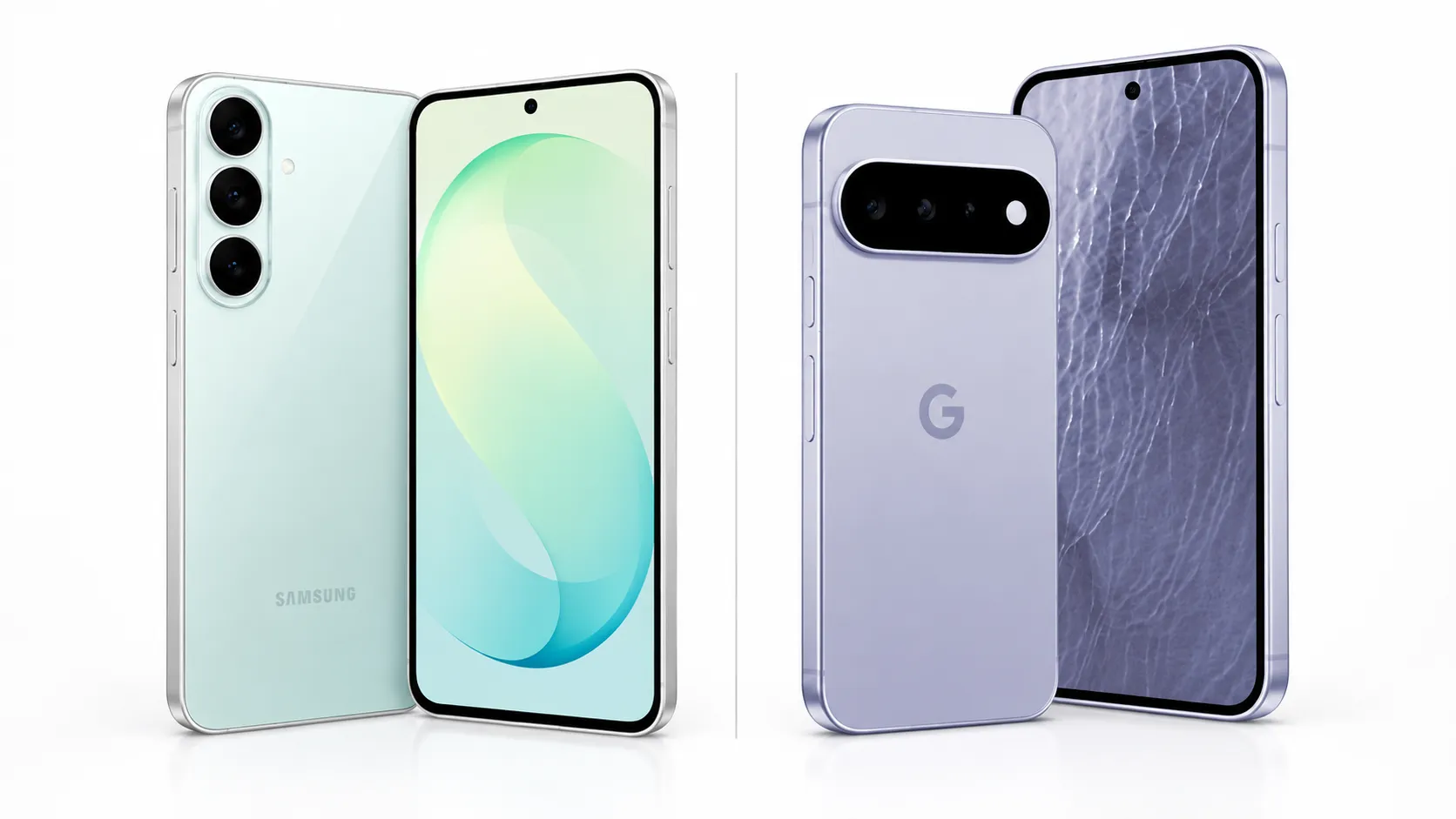
For situations where Wi-Fi isn't available, here's something that might surprise you: modern smartphones from Apple, Google, and Samsung on Verizon's network also support satellite text messaging, which can function even without cellular or Wi-Fi service, WCVB explained. However, there's a significant limitation—satellite signals can be blocked by buildings or trees, requiring users to be in open spaces for optimal connectivity. So while it's not a perfect solution for urban environments, it can be a lifesaver in emergency situations when you can get to a clear area.
Bottom line: preparation is key. Make sure you have Wi-Fi calling enabled on your device before you need it, because trying to figure out settings during an outage when you're stressed and potentially without internet access isn't ideal timing.
What does this mean for network reliability going forward?
This latest outage adds to a concerning pattern of major telecommunications disruptions that have affected millions of Americans in recent years. The incident joins a series of high-profile technology outages, including an Amazon Web Services issue that disrupted much of the web in October, WCVB reported. In 2024, a widespread AT&T outage left customers across the United States without service and prompted a Federal Communications Commission investigation, according to the same source.
What's particularly troubling is that Verizon hasn't revealed the specific cause behind this latest disruption, WCVB noted. This lack of transparency makes it difficult for customers—and the industry—to understand whether similar problems could occur again. Jack Burbank, a senior member of the nonprofit technical organization IEEE and vice president of advanced communication technologies at Sabre Systems, explained that disruptions like this could stem from "faulty configuration changes" or "software updates gone wrong," according to WCVB.
The telecommunications industry's increasing reliance on complex software-defined networks and cloud-based infrastructure makes these types of widespread disruptions an ongoing concern. We're not just talking about inconvenience anymore—people rely on their phones for everything from emergency communications to daily business operations, ride-sharing, mobile payments, and staying connected with family members. When a single software misconfiguration or failed update can knock millions of people offline for over 10 hours, it highlights the fragility of our hyperconnected world.
Here's what I've observed covering the telecom industry: as carriers push toward more sophisticated 5G networks and software-defined infrastructure, the potential for cascading failures actually increases. While these systems offer better performance and flexibility when working properly, they also create more points of potential failure. The question moving forward isn't whether we'll see more outages like this, but how quickly carriers can implement better failsafe mechanisms and whether the compensation and transparency they provide will be sufficient to maintain customer trust in an increasingly competitive marketplace.
The key takeaway is that our dependence on wireless connectivity continues to grow faster than the industry's ability to guarantee 100% uptime, making backup communication plans not just helpful, but essential for anyone who can't afford to be disconnected.








Comments
Be the first, drop a comment!