





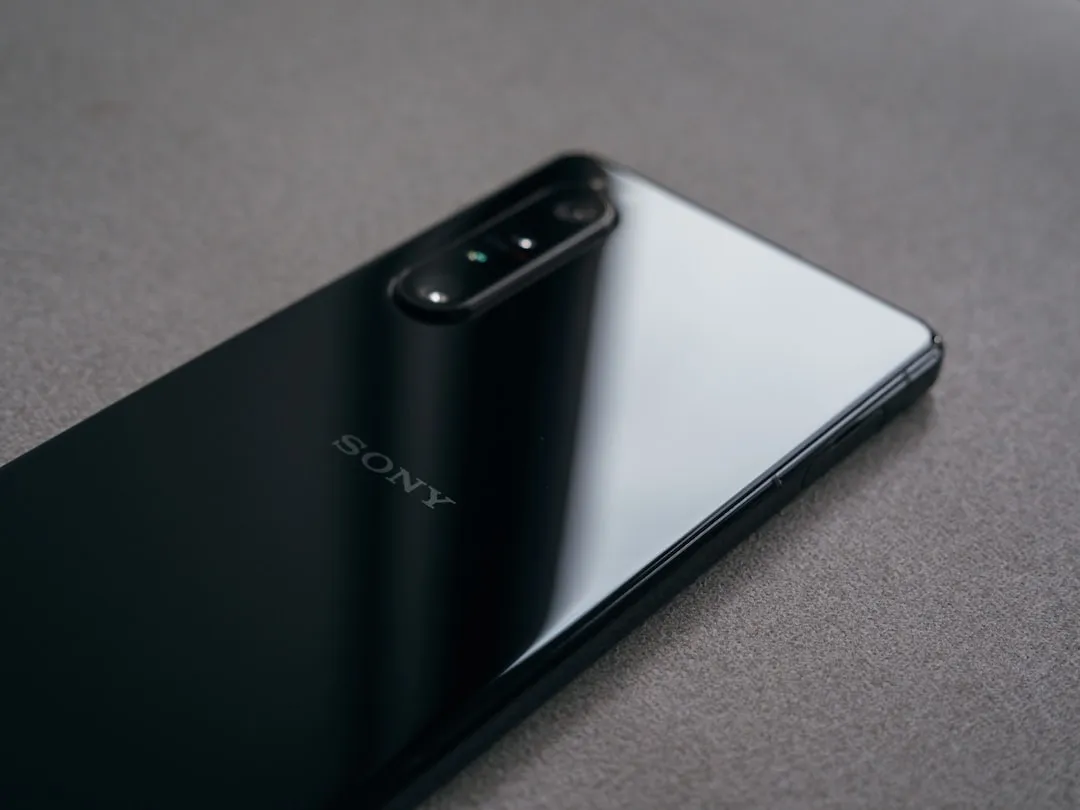
Sony Xperia 1 VIII AI Camera Assistant: Great Hardware, Bad Defaults
Sony's press release for the Xperia 1 VIII carries the headline: "Sony Announces the Launch of Xperia 1 VIII with Newly Integrated AI for Better Photos Every Time." Not "Telephoto Rebuilt." Not "Xperia's Biggest Camera Upgrade." AI, every time. That framing choice reveals a real contradiction at the center of this phone.
The Sony Xperia 1 VIII AI Camera Assistant is a pre-capture suggestion layer that appears in the viewfinder by default and offers guidance before you shoot. It is not the most interesting thing about this phone. What Sony actually built is a 48-megapixel telephoto sensor measuring 1/1.56 inches, nearly four times larger than the sensor in the Xperia 1 VII, larger than the telephoto sensors in Apple's and Samsung's flagship phones, and approaching the sensor sizes found in the camera-first Chinese flagships from Vivo and Xiaomi, as The Verge reported this week. That is a real upgrade, the kind the Xperia line has needed for years.
The argument here is straightforward: Sony built a hardware story worth leading with, then set up the phone with defaults that clash with the audience Sony is courting. The AI Camera Assistant is not a dealbreaker. But its implementation actively undercuts the phone's strongest selling point, and it does so most noticeably for the exact buyers who will spend £1,399 / €1,499 to own one.
The telephoto upgrade is the real story, and it's a good one
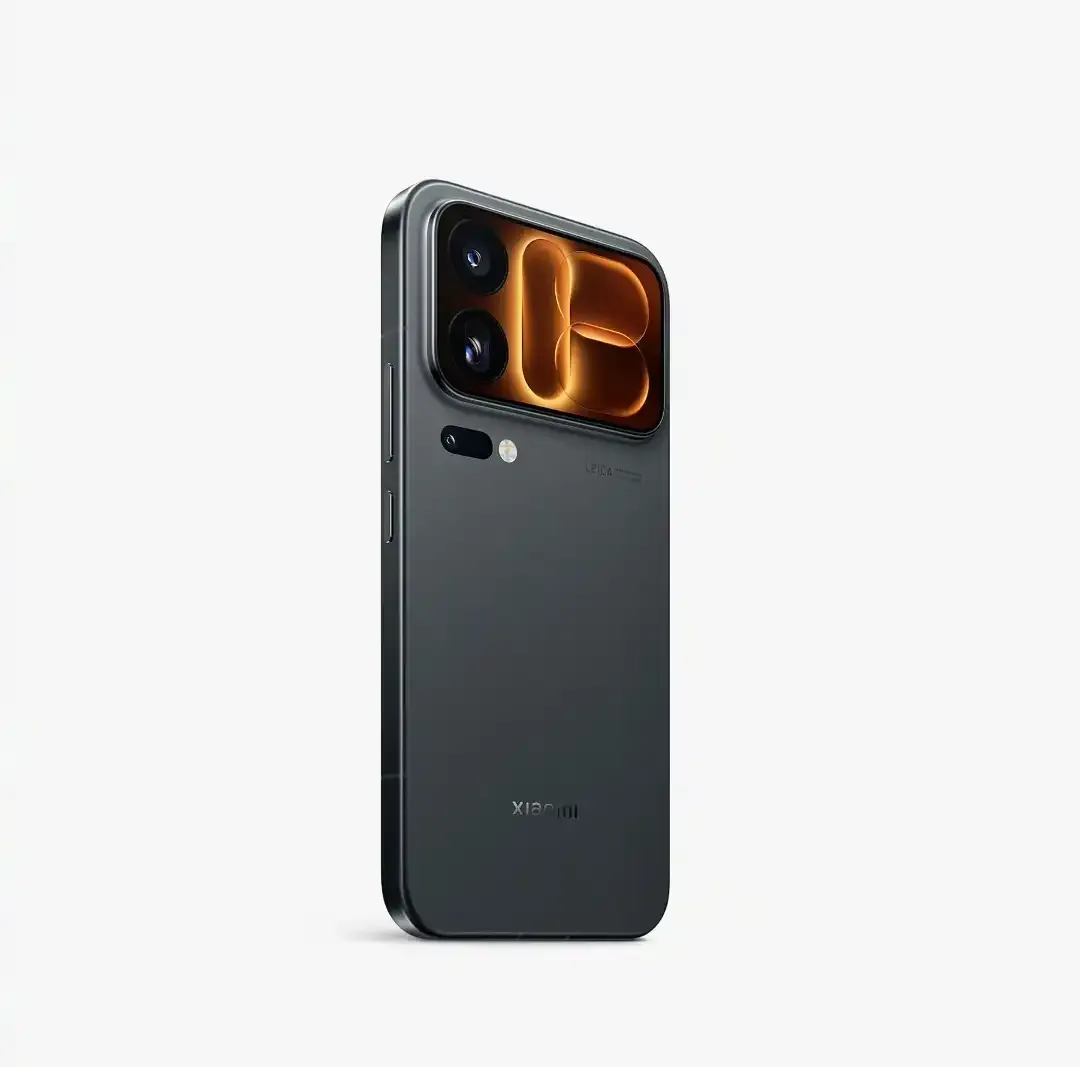
The new 1/1.56-inch sensor required Sony to redesign the camera module to fit the larger hardware while keeping the phone relatively slim, per PetaPixel. Every Xperia 1 since 2020 had positioned its cameras in the same top-left vertical column; the 1 VIII replaces that with a square camera island, a change The Verge noted probably serves practical purpose as much as aesthetic refresh.
The telephoto covers 70mm and 140mm equivalent focal lengths with autofocus support, and telemacro shooting is possible at a minimum focusing distance of roughly 15 centimeters, per PetaPixel. Separately, macro shooting has been folded into the default camera mode with autofocus: the phone now automatically shifts to ultra-wide macro when you move close to a subject, a quiet but practical improvement. Sony applied a new RAW multi-frame processing pipeline across all three lenses to expand dynamic range and reduce noise, though Digital Trends was right to flag that Sony's "full-frame comparable" low-light claim rests on Sony's own testing conditions, not independent verification.
One honest cost of the sensor upgrade: Sony dropped the continuous optical zoom that had been a distinct Xperia feature across its last four flagship generations. The Verge noted the timing, with Xiaomi adopting the feature in its 17 Ultra at almost exactly the moment Sony abandoned it. Whether fixed 70mm and 140mm focal lengths serve real-world shooting as well as a continuous range is something only hands-on testing will settle, but the tradeoff is real.
What Sony kept is equally worth understanding. The full enthusiast control set is intact: RAW capture, Real-time Eye AF, Real-time Tracking, 30fps burst shooting with autofocus and autoexposure, 4K 120p HDR video, and the physical two-stage shutter button that half-presses like an actual dedicated camera, per PetaPixel. The hardware case for this phone is strong. That's what makes the AI implementation worth examining closely.
Why the Sony Xperia 1 VIII AI Camera Assistant feels misjudged
The Sony Xperia 1 VIII AI Camera Assistant, powered by what Sony brands "Xperia Intelligence," works before the shot. Point the camera, and it reads the scene, combining subject recognition and weather conditions to surface suggestions for lens selection, framing, color treatment, and bokeh, per Sony's press release. One tap applies a suggestion; manual adjustments to exposure, white balance, saturation, and contrast remain available on top. It is not generative AI rewriting photos after capture. The approach is closer to an annotated viewfinder than to computational photography in the Google or Apple sense, as PetaPixel observed. Sony confirms the feature can be disabled entirely.
The logic behind adding it is not hard to follow. Sony sells a niche phone at a high price to a small audience, skips North America, and commits to only four years of OS updates, fewer than Samsung or Google currently offer at this tier, as The Verge noted. Broadening appeal without gutting the manual controls is a rational ambition. The pre-capture, suggest-don't-override philosophy is also more respectful of user judgment than auto-mode alternatives.
The issue is the defaults. The assistant ships active out of the box. The Verge reported that Sony's feature appears to be on by default, unlike Google's Camera Coach on the Pixel 10, which requires manual activation. On a phone marketed on deliberate control and physical shutter feedback, that creates extra friction for every owner who didn't ask for guidance. Then there is the more revealing problem: Digital Trends reported that Sony acknowledges the assistant may be unavailable in continuous shooting mode or RAW capture, and that suggestions may not always appear depending on the environment, subject, or settings. Those aren't edge cases. They are the modes that Sony's Alpha AF system, its RAW processing pipeline, and its physical shutter button are explicitly designed to serve.
The pattern that emerges is a feature most present in casual shooting and absent where technical demands are highest. Sony itself, by acknowledging these limitations, signals that it does not consider the assistant integral to the phone's enthusiast workflow.
What this looks like on day one
Consider two buyers picking up this phone for the first time.
The enthusiast reaches for the shutter button, frames a burst sequence, and is greeted by viewfinder suggestions they didn't request. They navigate into settings, find the toggle, disable it, and never think about it again. The friction is real but brief. For this buyer, the assistant is a one-time annoyance attached to a phone that still delivers RAW capture, Eye AF, and the most capable telephoto sensor the Xperia line has ever shipped.
The less experienced buyer, drawn in by the promise of AI guidance, has a different experience. The assistant surfaces suggestions in standard shooting mode and may steer them toward the upgraded telephoto, which could produce better images. But it falls silent in the modes where guidance might actually help build confidence with the phone's more demanding features. The result is a system that helps at the margins of casual use and disappears precisely when the learning curve gets steep.
An opt-in assistant, easy to find and enable, would have resolved this for both buyers: accessible to newcomers, invisible to experts. Shipping it active inverts that logic entirely.
Who should buy this, and what to expect from the AI
For buyers purchasing this phone for RAW files, burst shooting, and manual control: the assistant is not an obstacle in practice. Sony's pro feature set is entirely intact, and the telephoto sensor upgrade alone gives the Xperia 1 VIII a legitimate claim on serious consideration. Find the toggle, switch it off, move on.
For buyers drawn to the Xperia by the idea of AI-assisted guidance: the hardware is now strong enough that the assistant's lens recommendations could steer some buyers toward better choices, particularly the upgraded telephoto. But this remains a phone starting at £1,399 / €1,499 that rewards deliberate, manual engagement. The assistant makes it more approachable; it does not make it simple. Buyers expecting a Galaxy or Pixel-style automated experience will still find this camera interface demanding.
The signal worth taking seriously
The Xperia 1 VIII has the hardware to be Sony's most compelling smartphone in years. A telephoto sensor larger than Apple's and Samsung's best, paired with RAW multi-frame processing and macro autofocus folded into the default shooting mode, is a phone worth the Xperia name.
The bad defaults are not a reason to walk away. But they are worth noticing. The default-on assistant, the four-year update commitment trailing rivals, the no-North-America positioning, and the merged camera app consolidating Photography Pro, Videography Pro, and Cinema Pro into a single interface, per AllThingsGeek, all point in the same direction: Sony is testing how far it can move toward broader, less demanding appeal without losing the enthusiast identity entirely. If the next Xperia ships with the assistant more deeply integrated and the manual controls further simplified, this year's default setting will look less like an oversight and more like a deliberate first move. Buyers who value what the Xperia 1 series has historically stood for should take note now, before the direction becomes harder to argue with.






Comments
Be the first, drop a comment!