




Memory costs are spiraling out of control, and your next smartphone upgrade is about to get significantly more expensive. The tech industry is facing what experts are calling "RAMageddon" – a perfect storm where artificial intelligence's insatiable appetite for memory chips is directly hitting consumer wallets. Major PC manufacturers have already sounded the alarm, with some reporting memory price surges as high as 500%. The ripple effects are now reaching smartphones, creating a crisis that could reshape the entire mobile market in ways we haven't seen since the early days of the industry.
Why AI data centers are devouring smartphone memory
We're witnessing an unprecedented shift in how memory chips are being allocated across the tech ecosystem. Data centers supporting AI applications are consuming massive amounts of DRAM, the exact same type of memory that powers your smartphone. Companies like Nvidia, AMD, and Qualcomm are rapidly expanding their AI infrastructure, creating an enormous demand surge that traditional memory manufacturers simply can't keep up with.
The numbers tell a stark story of resource redirection. Leading memory producers SK Hynix and Micron have shifted their priorities toward manufacturing specialized High Bandwidth Memory (HBM) for AI applications, leaving significantly less production capacity for standard consumer electronics. Think of it like this: imagine if all the world's best chefs suddenly decided to only cook for exclusive restaurants – the rest of us would be left fighting over scraps.
This reallocation has created a supply crunch affecting global markets. Taiwanese media and industry leakers reported that Samsung raised DDR5 contract prices by ~100% and informed some customers of low available stock. We're talking about a situation where major tech companies are literally buying up every available chip they can find. Entire production runs for 2026 are already largely sold out, forcing smartphone manufacturers to compete for increasingly scarce and expensive components.
What makes this particularly brutal is the profit margin difference. AI data centers can pay premium prices for memory because their profit margins are so much higher than consumer electronics. It's basic economics – when someone can afford to pay more, they get priority access to limited supplies.
The shocking numbers behind smartphone price increases
The financial carnage affecting smartphone manufacturing is staggering and accelerating beyond initial projections. Research indicates that smartphone average selling prices could jump by 6.9% in 2026, nearly double the previously anticipated 3.6% increase. To put that in perspective, if you were planning to buy a $800 phone next year, you might now be looking at around $855 instead.
Different market segments are experiencing varying levels of devastation. Budget smartphones under $200 have seen their component costs skyrocket by 20% to 30% since the beginning of the year, while mid-range and premium devices are experiencing increases of 10% to 15%. That might not sound catastrophic until you realize we're not done yet.
The trajectory gets even more concerning when you factor in future projections. Analysts predict memory prices could climb an additional 40% through the second quarter of 2026, potentially pushing component costs up another 8% to 15% beyond current elevated levels. This represents a compounding effect that could make smartphones significantly more expensive than anyone initially projected across all price tiers.
The broader market implications paint an equally grim picture for consumers and manufacturers alike. Global smartphone shipments are now projected to decline by 2.1% in 2026, a dramatic reversal from earlier forecasts that predicted flat or modest growth. When prices go up this dramatically, people simply buy fewer phones – it's that straightforward.
How your next phone's specs will actually get worse
You'd think that paying more would at least get you better specifications, but this crisis is creating the opposite scenario. Memory typically represents a significant portion of a device's bill of materials, and manufacturers are responding to escalating costs by actually reducing RAM configurations across their product lines.
Industry analysts expect entry-level smartphones to be limited to just 4GB of RAM in 2026, down from the current standard of 6GB to 8GB. That's not a typo – we're talking about going backward in terms of specifications to a level that was considered adequate maybe five years ago, but with today's apps and operating systems, it's going to feel pretty cramped.
The specification downgrades extend well beyond budget devices into previously safe territory. Mid-range smartphones are likely to max out at 8GB of RAM, even though many manufacturers in this segment currently offer 12GB configurations. Think about that for a moment – you might pay more for a 2026 mid-range phone and get significantly less RAM than what's available today.
Most dramatically, premium smartphones with 16GB of RAM could become virtually extinct in 2026, with even high-end devices likely to stick with 12GB rather than increasing capacity. Some industry leaks suggest that devices currently shipping with 16GB might actually drop back down to 12GB for their successors, creating an unprecedented reversal in flagship specifications.
This creates a particularly ironic situation for the AI revolution driving these shortages. The same AI boom driving memory shortages could actually hurt AI performance on smartphones, since mobile AI applications rely heavily on available RAM for processing tasks efficiently. It's like burning down the forest to make room for more trees.
Which brands will survive the memory shortage
This crisis won't affect all smartphone manufacturers equally – it's creating clear winners and losers based on market positioning, financial resources, and strategic advantages. Apple and Samsung are considered best positioned to navigate the component shortage and elevated prices, thanks to their scale, diverse product portfolios, and strong presence in premium market segments where profit margins provide more flexibility.
These industry giants possess several competitive advantages that smaller competitors simply can't match. Their massive purchasing power gives them priority access to limited memory supplies – when Samsung or Apple calls a memory manufacturer, they get answered first. Their broad product lines also allow them to absorb cost increases more effectively across different price points, spreading the impact rather than concentrating it in vulnerable segments. Additionally, Apple's development of in-house chips could help the company absorb rising DRAM costs and potentially keep price increases more manageable than competitors who rely entirely on external suppliers.
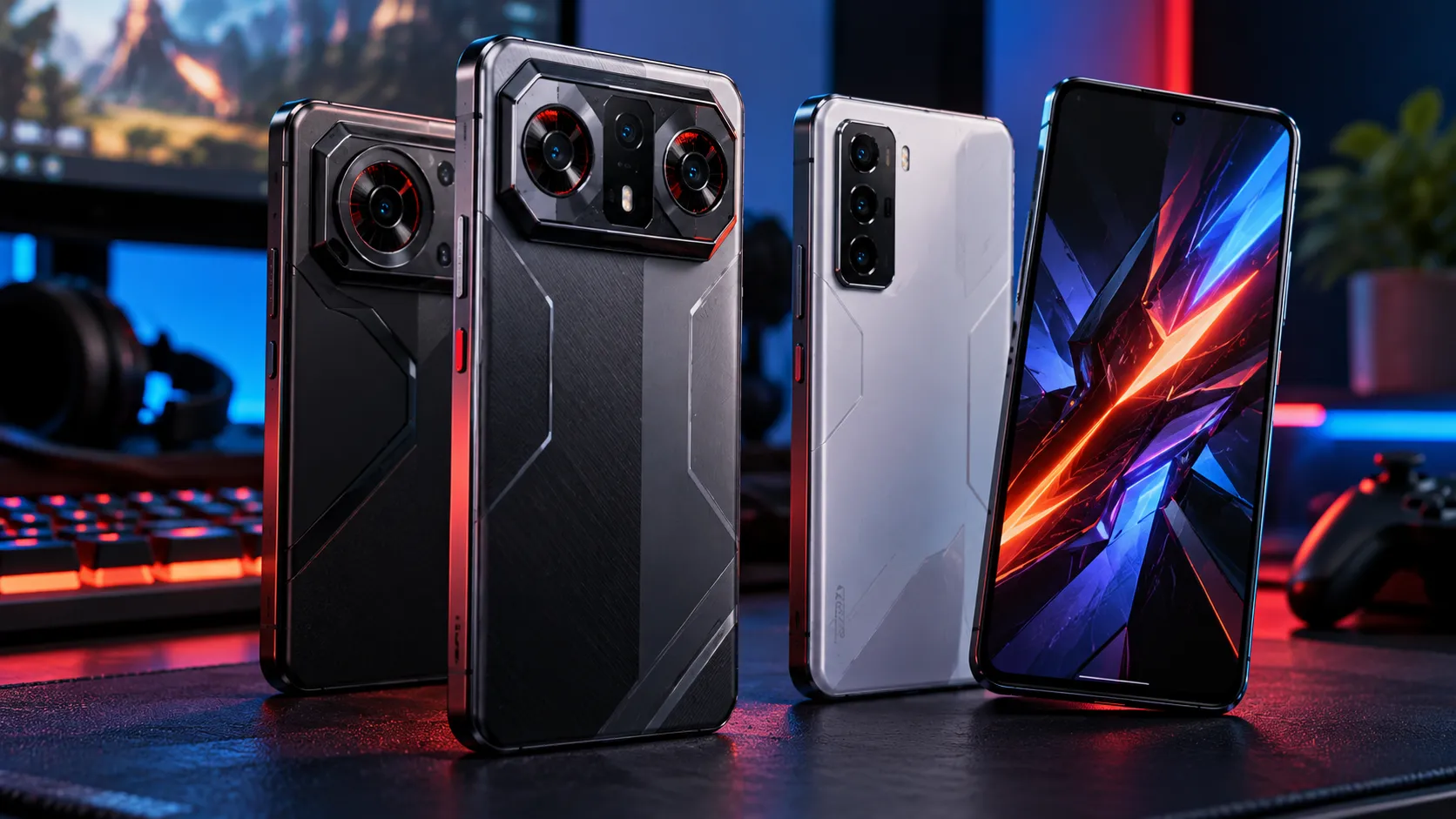
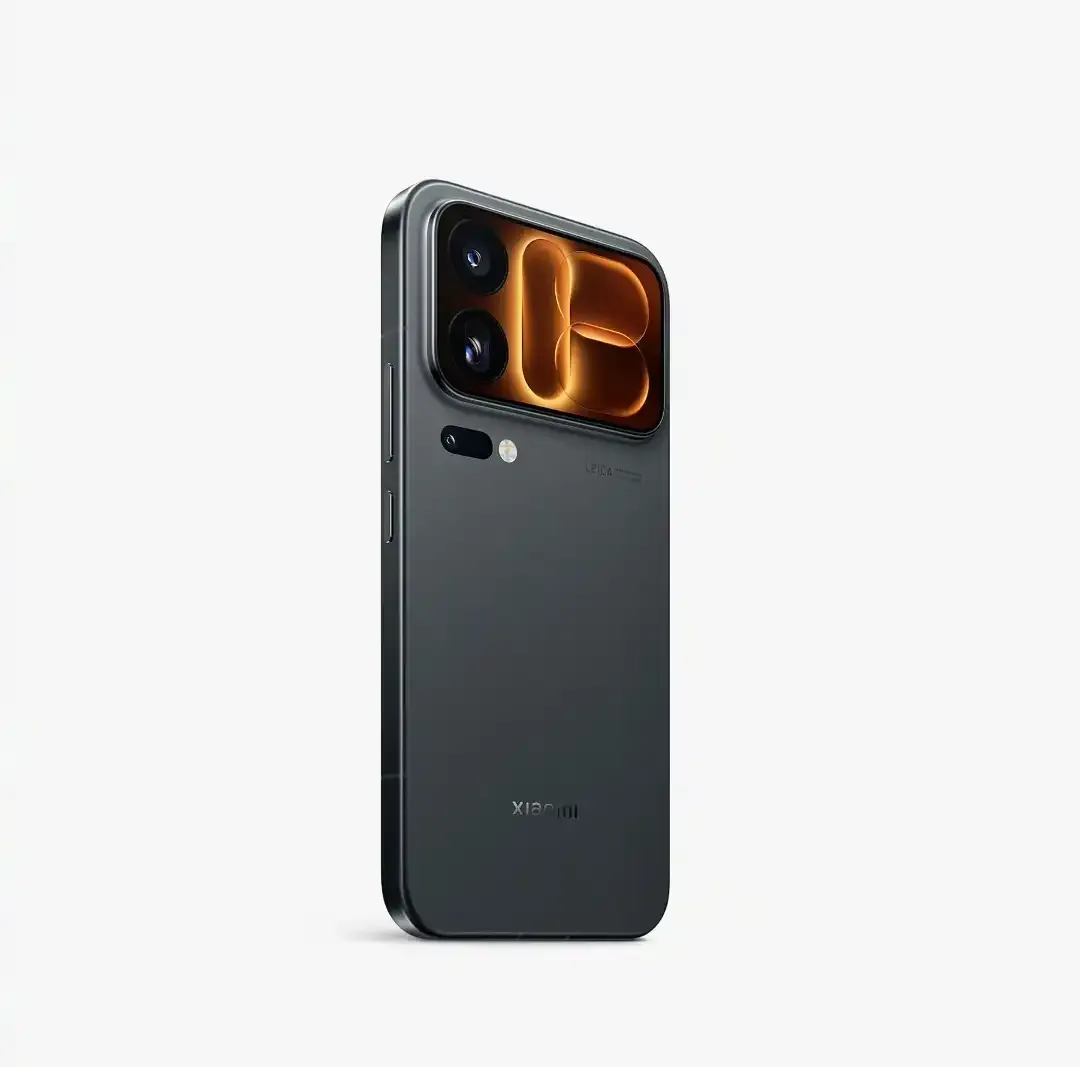
The outlook becomes far more challenging for smaller manufacturers, particularly those focused on budget and mid-range segments where every dollar directly impacts competitiveness. Chinese smartphone brands operating in lower price bands face the highest risks due to limited pricing flexibility. These companies are already implementing desperate cost-cutting measures across their entire product development process.
We're seeing manufacturers make increasingly tough choices across their entire component selection. Some companies are downgrading camera modules, displays, audio components, and memory configurations to offset the skyrocketing memory costs. Others are shifting their marketing efforts toward higher-priced models to preserve profit margins, essentially abandoning the budget market altogether. The result will be a more consolidated smartphone market where only the strongest brands survive, and consumer choice becomes increasingly limited, especially at affordable price points.
What this means for your wallet and upgrade plans
This memory shortage is fundamentally reshaping how consumers should approach smartphone purchases and upgrade strategies, and frankly, the old playbook doesn't work anymore. With prices rising across all segments and specifications potentially declining, the traditional value proposition of annual or bi-annual upgrades is becoming increasingly questionable for budget-conscious consumers.
Consumers may choose to keep their existing devices for longer periods rather than paying more for devices that offer less RAM than current models. This makes economic sense when you think about it – why upgrade to a phone with worse specs for more money? The financial pressure may force consumers to be more strategic about upgrades, focusing on devices that offer the best long-term value rather than the latest features or annual refresh cycles.
This shift could accelerate the trend toward longer device lifecycles that was already emerging due to improved smartphone durability and slower innovation cycles across the industry. Your current phone might need to last you an extra year or two beyond what you originally planned, which means thinking differently about how you use and maintain it. For those planning purchases in 2026, the key will be identifying manufacturers who can maintain reasonable specifications despite escalating cost pressures.
The crisis also highlights something important about interconnected global technology markets. Investment decisions in AI infrastructure are directly reshaping outcomes in consumer electronics, demonstrating how rapidly market dynamics can shift when major technology trends collide across industries. We're witnessing a situation where the year 2026 is shaping up to be one where technology becomes more expensive due to supply constraints rather than demand growth, marking a significant departure from the historical trend of improving price-performance ratios in consumer electronics.
Bottom line: start planning your smartphone strategy now, because the days of affordable, high-spec devices may be coming to an end faster than anyone anticipated. The memory shortage isn't just a temporary blip – it's a fundamental shift in how the tech industry allocates its most critical components, and consumers are going to feel the financial impact for years to come.











Comments
Be the first, drop a comment!