





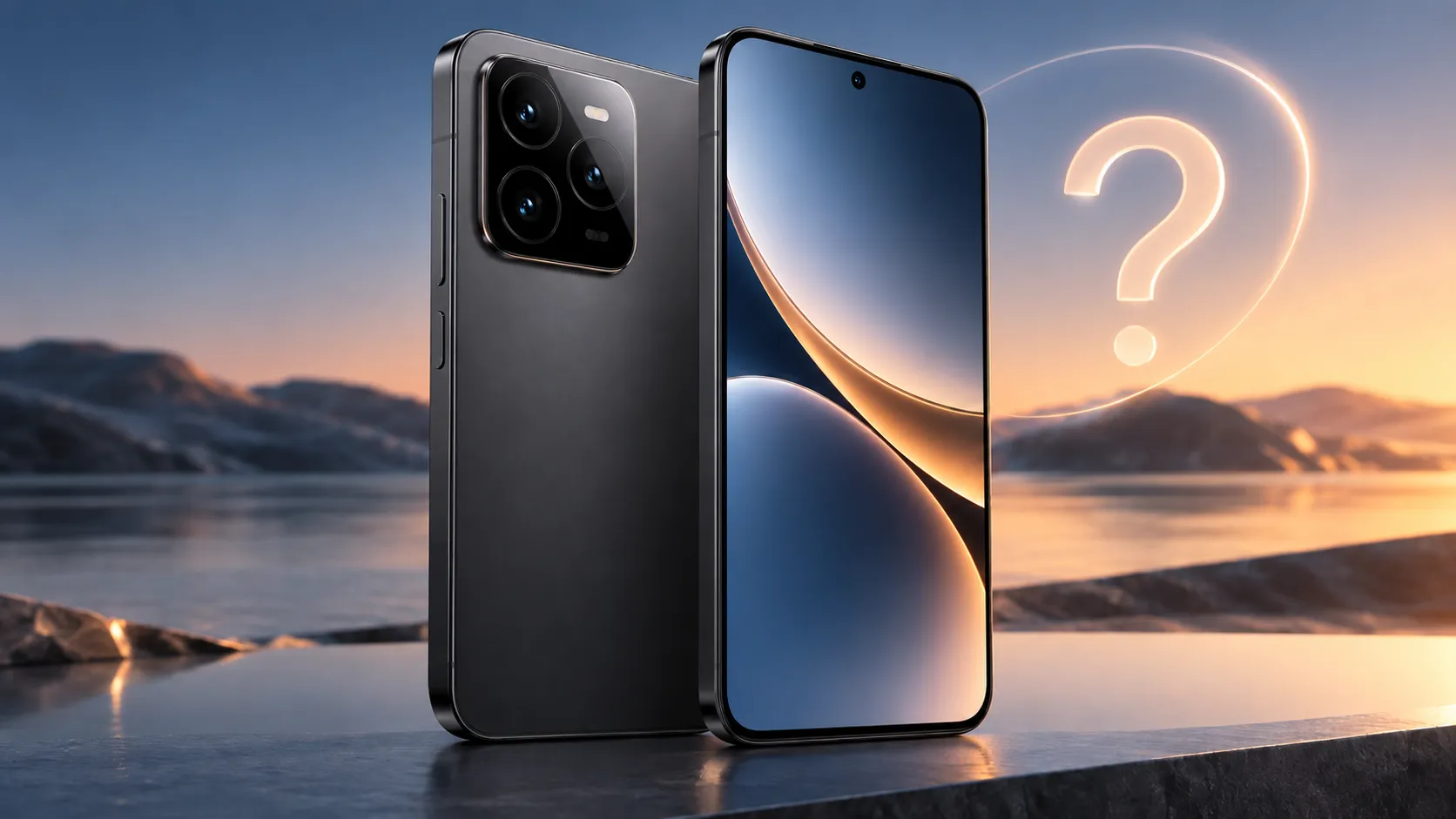
OnePlus is gearing up to shake things up in the mid-range smartphone market with its upcoming Nord 6, and if the leaks are accurate, Apple and Samsung better take notice. The device is expected to arrive in early April with some seriously impressive specifications that could redefine what we expect from phones in the $300-$500 price bracket. Recent leaks from tipster Yogesh Brar suggest the Nord 6 will launch next month, building on the success of its predecessor which started at Rs 31,999. The timing couldn't be better, as both Apple and Samsung are facing increased pressure to deliver more value in their mid-range offerings.
Performance that punches above its weight class
Here's where things get really interesting: the Nord 6 is rumored to pack a Qualcomm Snapdragon 8s Gen 4 chipset, representing a major leap forward from previous generations. Early benchmark data suggests this processor could deliver a 26% improvement in multi-core performance compared to its predecessor, putting it squarely in flagship territory. This isn't just about numbers on a spec sheet—we're talking about real-world performance that could match or exceed what you'd get from Apple's iPhone SE or Samsung's Galaxy A-series phones.
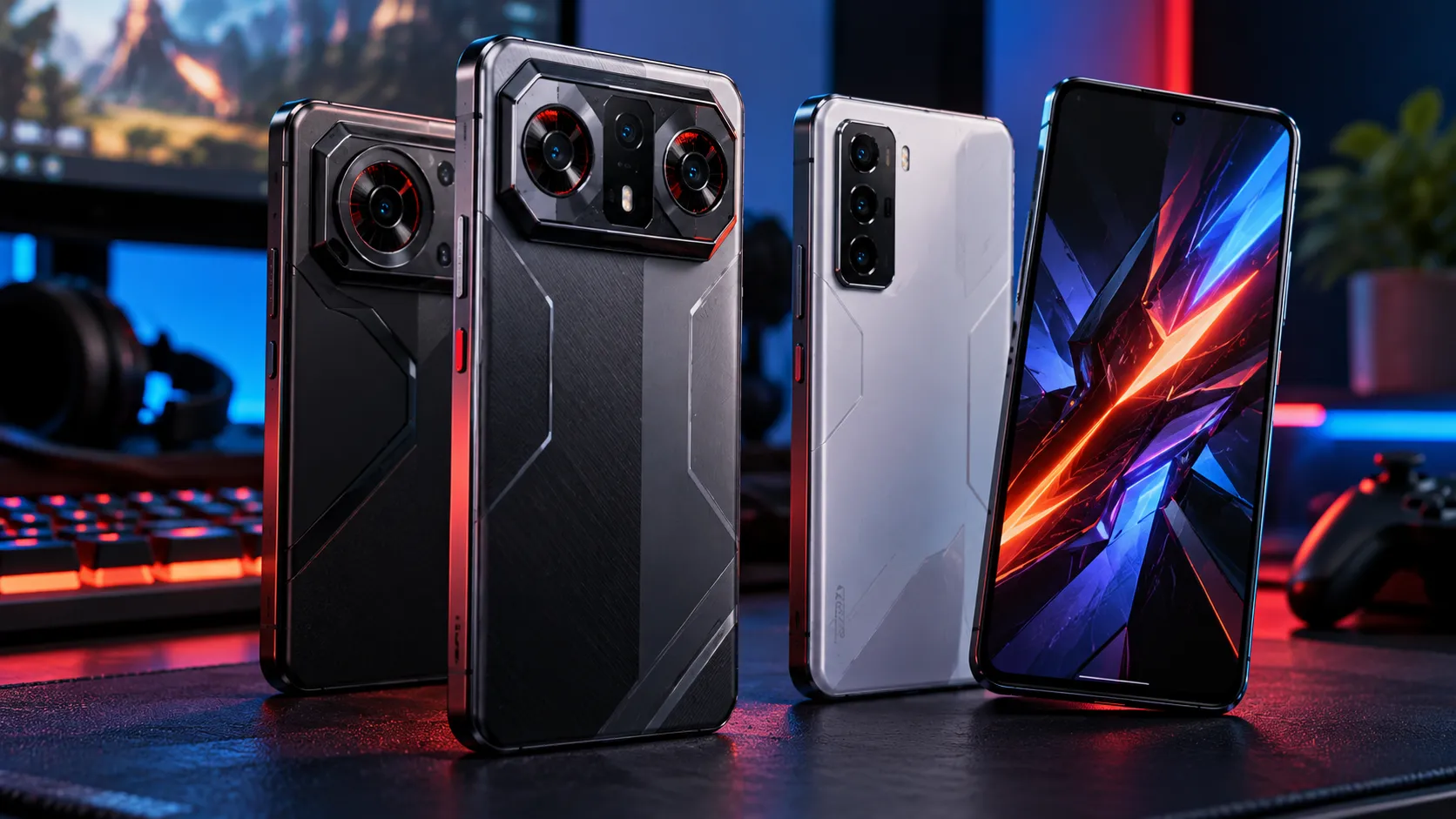
The performance upgrade becomes even more compelling when you consider the broader context. Reports indicate the Nord 6 will share core specifications with the OnePlus Turbo 6 already available in China, suggesting OnePlus is bringing its A-game to global markets. For mobile gamers and power users, the inclusion of a proprietary G1 e-sports Wi-Fi chip designed to maintain connection stability during intensive sessions shows OnePlus isn't just chasing benchmarks—they're solving real user problems.
PRO TIP: If you're a mobile gamer, that G1 e-sports Wi-Fi chip could be a game-changer. It's specifically designed to reduce latency and maintain stable connections during competitive gaming sessions—something that could give you a real edge in online matches.
Display technology that rivals premium flagships
The visual experience is where the Nord 6 could really embarrass the competition. Leaked specifications point to a 6.78-inch AMOLED display with 1.5K resolution and an ultra-smooth 165Hz refresh rate, putting it ahead of many devices that cost twice as much. To put this in perspective, Samsung's Galaxy A56 caps out at 120Hz—which is already quite good—but the Nord 6's 165Hz represents a meaningful leap forward for anyone who values buttery-smooth animations.
A 165Hz display isn't just marketing fluff—it translates to noticeably smoother scrolling, more responsive touch input, and a premium feel that typically costs hundreds more. This kind of display technology was flagship-exclusive just a couple of years ago, and now OnePlus is bringing it to the mid-range segment. The 1.5K resolution ensures sharp visuals for everything from social media browsing to mobile gaming, creating an experience that feels genuinely premium.
The AMOLED technology means you're getting vibrant colors, deep blacks, and excellent viewing angles—essentially flagship display quality at a fraction of the cost. For content creators and media enthusiasts, this display could handle everything from photo editing to Netflix binge-watching with impressive clarity.
Battery life that could change everything
Perhaps the most jaw-dropping rumor surrounding the Nord 6 involves its power system. If reports prove accurate, the device could feature a massive 9,000mAh Glacier Battery with 80W fast charging, which would be absolutely game-changing for the mid-range segment. To put this in perspective, the iPhone SE typically maxes out around 2,000-2,500mAh, while Samsung's Galaxy A-series phones usually hover around 5,000mAh.
A 9,000mAh battery would easily last well over a full day of heavy usage, potentially stretching into two-day territory for moderate users. Industry analysts suggest the international version may feature slightly different battery specifications to comply with global safety regulations, but even a scaled-back version would likely offer exceptional endurance.
The 80W fast charging capability means you could potentially go from zero to full charge in under an hour, solving one of the biggest pain points in smartphone ownership. This combination of massive capacity and rapid charging could fundamentally change how users interact with their devices—imagine never having to think about battery life during a normal day of use.
Camera capabilities that compete with the big players
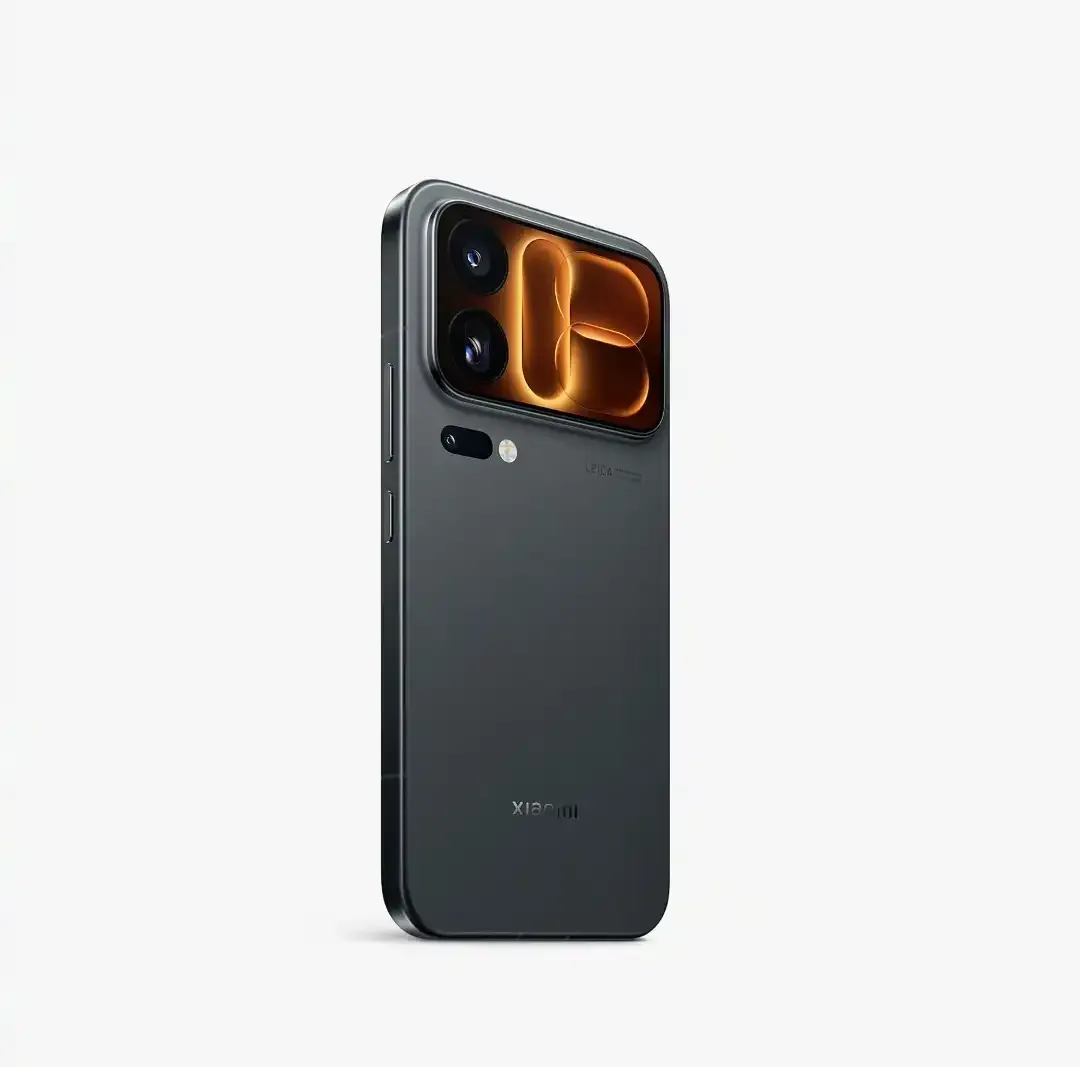
OnePlus isn't skimping on photography either. The Nord 6 is expected to feature a dual rear camera setup with a 50MP Sony LYTIA-600 primary sensor with OIS, plus a 16MP front-facing camera for selfies and video calls. While it may not match the triple or quad-camera arrays found on premium devices, the focus on quality over quantity could deliver better real-world results.
The inclusion of optical image stabilization (OIS) on the main camera is particularly noteworthy, as this feature is often reserved for more expensive devices. This should translate to sharper photos in low light and smoother video recording—areas where budget and mid-range devices typically struggle. The Sony LYTIA-600 sensor represents a significant step up in image quality, promising better dynamic range and color reproduction than typical mid-range camera sensors.
For most users, a well-tuned dual camera system with OIS can actually deliver better results than a cluttered multi-camera setup with inferior sensors. OnePlus has historically done a good job with camera software optimization, and the Nord 6 appears positioned to continue that tradition with genuinely competitive photography capabilities.
What this means for the mid-range market
The implications of OnePlus potentially delivering flagship-level performance at mid-range prices extend far beyond just one device launch. With the Nord series known for offering strong performance and value in the upper mid-range segment, the Nord 6 could accelerate a broader industry shift toward value-focused innovation rather than incremental premium upgrades.
Consider the market dynamics at play: consumer spending on smartphones has become more selective, with buyers increasingly demanding tangible value improvements rather than paying premium prices for marginal gains. The Nord 6's expected price range of ₹30,000 to ₹38,000 (~$380-$460) positions it to capture market share from multiple competitors simultaneously.
Reports suggest the Nord 6 will cost slightly more than its predecessor due to component upgrades, but the value proposition remains compelling. When you're getting 165Hz display technology, flagship-level processing power, and exceptional battery life at this price point, it forces consumers to question why they should pay significantly more for established brand premiums.
The broader implications could reshape how manufacturers approach product development and pricing strategies across the entire smartphone ecosystem.
Where does this leave the competition?
If OnePlus delivers on these leaked specifications, the Nord 6 could represent a pivotal moment in the smartphone market. The device is positioned to compete in an increasingly crowded upper-mid-range market that prioritizes processing power and display quality, and it appears ready to set new standards for what consumers should expect at this price point.
Apple's strategic challenge becomes particularly interesting. The iPhone SE's powerful A-series chip has been its primary selling point, but when a device like the Nord 6 offers competitive processing power alongside superior display technology, massive battery life, and modern design language, Apple's value proposition becomes harder to defend. The company may need to fundamentally rethink the SE strategy or accept a smaller addressable market in the mid-range segment.
Samsung faces a more immediate competitive threat. Their Galaxy A-series phones compete directly in the Nord 6's price range, but current offerings struggle to match the rumored specifications across multiple categories. Samsung's response could involve accelerating their own innovation timeline or adjusting pricing to maintain market position—either scenario benefits consumers through improved competition.
The success of devices like the Nord 6 could also influence how other manufacturers approach market positioning. Chinese brands like Xiaomi, Realme, and others may accelerate their own flagship-feature integration into mid-range devices, creating a more competitive landscape that pushes innovation forward while keeping prices accessible.
With April just around the corner and more details expected soon, the smartphone industry might be about to get a lot more competitive—and that's great news for consumers. The Nord 6 represents the kind of innovation and value that pushes the entire market forward, forcing everyone to deliver more for less and ultimately benefiting users who want flagship experiences without flagship prices.








Comments
Be the first, drop a comment!