





Reviewed by: Y. Garcia
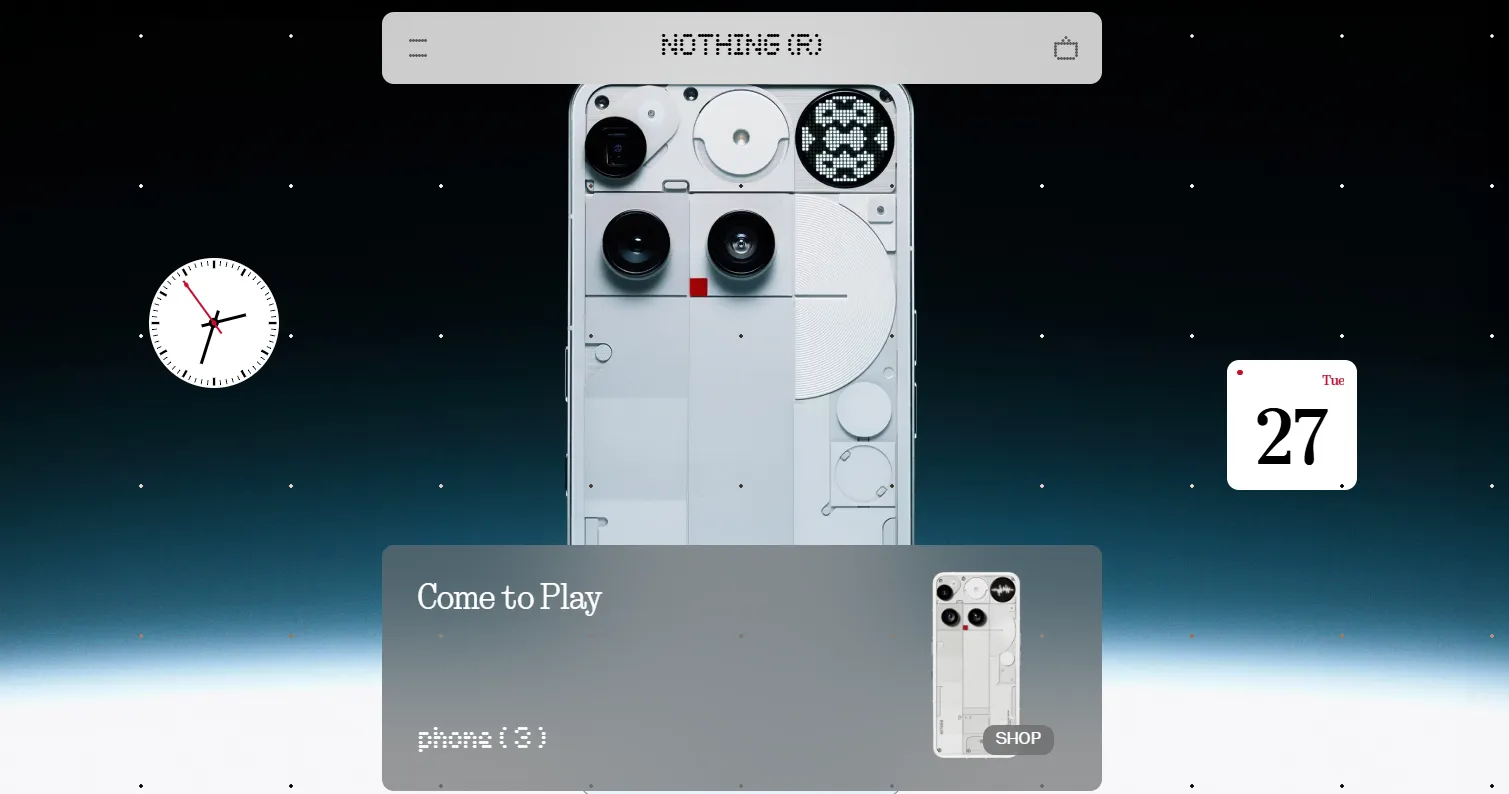
When Nothing launched with promises of clean software and no bloatware, users thought they'd found their Android savior. Fast-forward to today, and the company's latest update tells a different story — one where lock screen advertisements somehow made it past the drawing board and into users' hands. The Lock Glimpse feature, rolled out with Nothing OS 4.0, has sparked a community uprising, with users discovering that their minimalist phones now serve up content from questionable ad networks (Android Authority). Even more troubling, the system appears designed to resist removal, creating battery drain issues when users attempt to disable the feature entirely (9to5Google). Nothing's response has been a partial retreat, promising users more control over pre-installed bloatware while maintaining that ads are necessary for sustainable business operations (Android Central).
What exactly is Lock Glimpse doing on your phone?
Here's where things get interesting — and not in a good way. Nothing presents Lock Glimpse as a discovery-focused lock screen experience, but the reality feels more like advertising wearing a minimalist disguise (Android Authority). The feature automatically cycles through wallpapers each time you turn on your display, which sounds innocent enough until you realize each image contains embedded links to external content.
What kind of content, you ask? Well, according to user reports, these links typically lead to articles described as "recipes, random DIY projects, or random information without any sourcing," content that appears AI-generated and exists primarily to generate ad views (TechRadar). Think homemade strawberry ice cream recipes that nobody asked for, paired with questionable DIY projects that feel like they were churned out by an algorithm.
The service operates through partnerships with companies like Bouyan, a Chinese digital advertising platform that provides similar functionality to the notorious Glance feature found on other Android devices (9to5Google). Unlike Glance, which often forces content on users regardless of their preferences, Nothing's implementation initially appeared more user-friendly. However, the underlying monetization model remains the same: your lock screen becomes a gateway to advertising revenue, with content quality taking a backseat to engagement metrics.
But here's what makes this particularly concerning from a privacy perspective: the feature sends data requests to ad service domains every 18 to 24 hours, even when completely disabled (Android Authority). This means your phone is essentially phoning home to advertising servers whether you want it to or not, turning your device into a data collection point for content you never requested in the first place.
The battery drain problem that won't quit
Now here's where things get technically problematic. Lock Glimpse is integrated as a system-level component, meaning it can't be uninstalled through normal means and requires root access for complete removal (Android Authority). This design choice makes the advertising feature difficult to remove, prioritizing revenue generation over user control.
Even when users disable the feature through settings, the system continues attempting to restart Lock Glimpse every three seconds, creating unnecessary background activity that impacts battery life (Android Authority). Think about that for a moment: every three seconds, your phone is trying to wake up a service you explicitly told it not to run. Reportedly, the system continues attempting to restart Lock Glimpse even after users disable it, treating user preferences as suggestions rather than commands
For users who take the more drastic step of removing the app entirely using ADB commands (which requires some technical know-how), Nothing OS responds by trying to restart the service every three seconds anyway, leading to significant battery drain (9to5Google). This creates a frustrating catch-22 where users can experience better battery life with the ads enabled than when attempting to remove them completely — an outcome that can have the unintended effect of discouraging removal attempts
The persistent data requests to advertising servers continue regardless of user preferences, raising questions about both battery efficiency and privacy (Android Authority). This behavior suggests Nothing prioritized advertising partnerships over user experience, implementing a system that serves business interests even when users explicitly opt out.
Nothing's damage control and community backlash
The user response has been swift and unforgiving, and for good reason. Community members have been pointing to Nothing CEO Carl Pei's 2022 tweet stating simply "no bloatware" (Android Central). That promise now feels hollow as Nothing OS 4.0 introduces not only lock screen advertisements but also pre-installed Meta apps, including Facebook, Instagram, and various Meta services — exactly the type of bloatware Pei once criticized.
What's particularly damaging is how this contradicts Nothing's entire market positioning. The company built its reputation by explicitly differentiating itself from the bloatware-heavy Android ecosystem, attracting users who were willing to pay premium prices for a clean experience. This wasn't just marketing — it was the core value proposition that justified Nothing's pricing and market entry strategy.
Following intense community criticism, Nothing has announced plans to allow complete uninstallation of Meta apps by the end of November, moving beyond the previous limitation of only being able to disable them (Android Central). While this represents progress, the damage to user trust runs deeper than any single feature fix can address.
The company justifies these changes by citing economic pressures and the need for sustainable revenue streams to manage bill of materials costs without raising device prices (Heise). However, this explanation reveals a fundamental miscalculation: Nothing is essentially asking users to subsidize its business model through advertising exposure, rather than paying transparently through higher device prices.
The damage to Nothing's reputation may already be done. Users who chose the brand specifically for its clean software experience feel betrayed by what they see as a fundamental shift in company values (NextPit). In the smartphone market, trust is earned over years but can be lost in a single update cycle.
Where Nothing goes from here
Bottom line: Nothing faces a credibility crisis that extends beyond simple feature rollbacks. The company's attempt to monetize lock screens and pre-install bloatware directly contradicts the core principles that initially attracted users to the brand (Heise). This isn't just about individual features — it's about whether Nothing can maintain its differentiated position in an increasingly crowded market.
While Nothing promises that flagship devices will remain bloatware-free and that Lock Glimpse remains optional on most devices, the precedent has been set for a two-tier software experience. This approach fundamentally undermines the brand's positioning as a clean, user-focused alternative to mainstream Android manufacturers, creating confusion about which devices actually deliver on Nothing's original promises.
The company's explanation that this approach is "standard across the industry" misses the point entirely — Nothing built its reputation by being different from industry standards (Android Authority). When your entire value proposition is based on rejecting common industry practices, adopting those same practices doesn't make you pragmatic — it makes you indistinguishable from competitors who never made those promises in the first place.
Looking ahead, Nothing will need to demonstrate that user experience remains the priority over revenue generation, especially as the company works toward its ambitious AI-native platform goals with a $200 million investment backing (Heise). The irony is that this controversy could undermine investor confidence in Nothing's ability to maintain brand differentiation — the very quality that made it attractive for investment.
The real test will be whether Nothing can rebuild trust with its community while maintaining the financial sustainability that drove these controversial decisions in the first place. The company's future success may depend less on whether they can make Lock Glimpse optional and more on whether they can convince users that their original vision wasn't just marketing speak designed to sell phones before switching to a more traditional revenue model.
For a brand that staked everything on being different, looking exactly like everyone else might be the biggest risk of all.
Image source: Nothing







Comments
Be the first, drop a comment!