





Nothing is about to shake up the mid-range smartphone market with a move that's both strategic and a little cheeky. The company has officially confirmed a March 5 launch event for its Phone 4a series—and they're not being subtle about it. CEO Carl Pei even posted a playfully edited Apple event invite on social media, crossing out the Apple logo and scrawling "Nothing" and "March 5" in bold pink marker over the original date. It's the kind of marketing stunt that gets attention, and it's perfectly on-brand for a company that's never been afraid to poke fun at the industry giants—or, you know, just straight-up deface their invitations.
The timing here is fascinating. The event will take place in London at 10:30 AM GMT (4 PM IST), just one day after Apple's own product showcase. While the launch technically happens during Mobile World Congress (March 2-5, 2026), Nothing has chosen to host its own event in its home city rather than compete for attention on the crowded MWC show floor. By avoiding the MWC noise, Nothing can control the narrative entirely, ensure full media attention, and showcase the phones in a curated environment that emphasizes their design philosophy—something impossible in a crowded convention hall. It's a calculated decision that speaks volumes about the company's confidence in what it's about to unveil.
What we know about the Phone 4a lineup
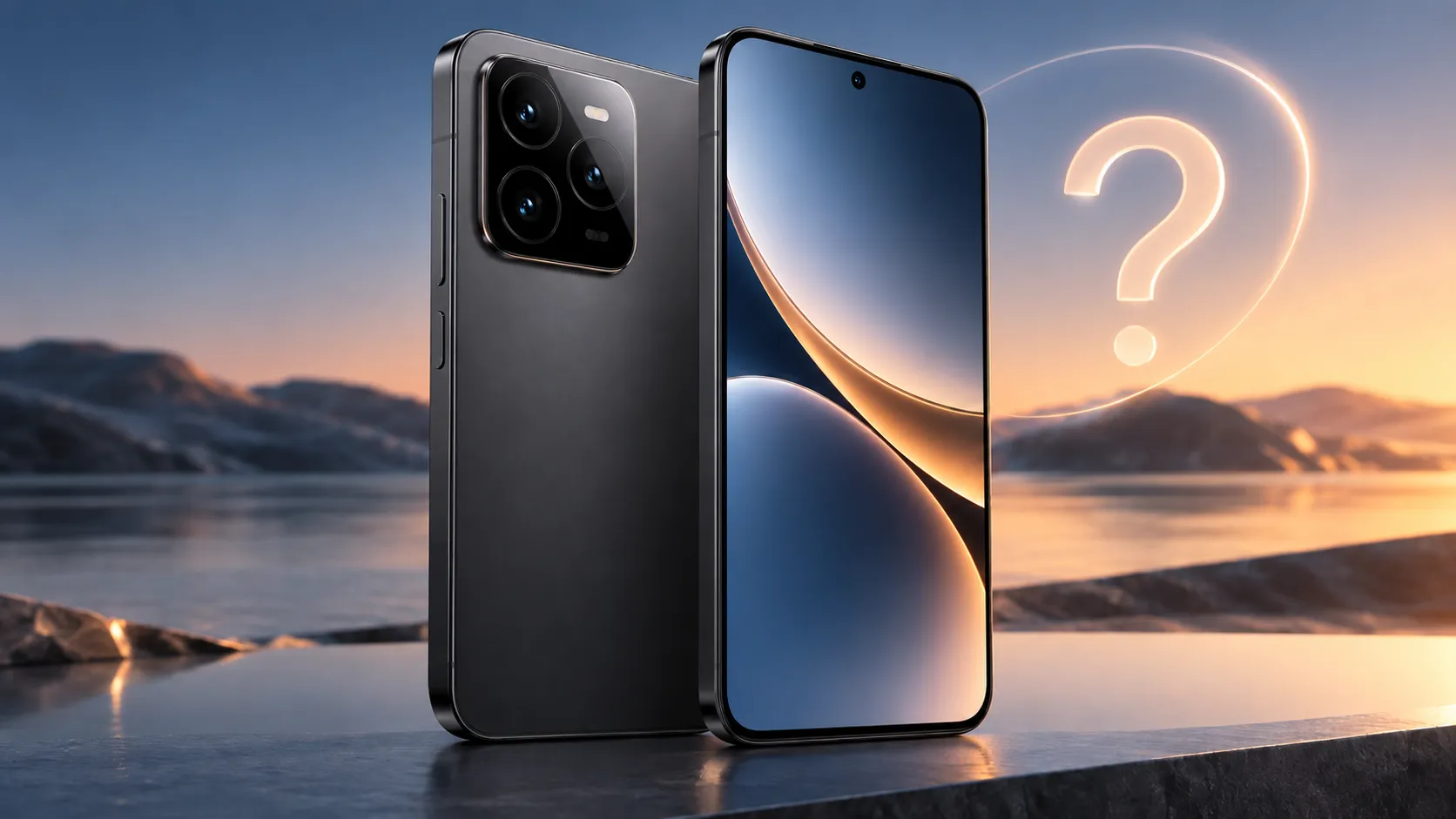
Here's where things get interesting. Nothing has already confirmed it won't launch a new flagship this year, which means the Phone 4a series will carry the entire weight of the company's 2026 smartphone strategy. The lineup is expected to include two models: the standard Phone 4a and a Phone 4a Pro. This isn't just about filling a gap in the portfolio—it's about redefining what a mid-range phone can be.
Carl Pei has stated that the Phone 4a series will bring the experience closer to flagships across materials, design, screen, camera, and performance. That's a bold promise, especially in a segment where compromises are typically expected. Typically, mid-range phones sacrifice display quality, use plastic frames instead of metal, or skimp on camera sensors to hit price points. If Nothing delivers on premium materials and flagship-grade screens at these prices, they'll be challenging the fundamental economics of the segment. He's also teased premium materials and bold new color experimentation, suggesting that Nothing isn't content to play it safe with yet another black-and-white smartphone.
The company has begun teasing a five-color palette for the series, which represents a significant departure from its previous minimalist aesthetic. This timing is strategic—as competitors like Samsung and Google have largely retreated to safe, neutral palettes, Nothing sees an opportunity to capture younger buyers who want personality in their devices, not just performance. This could be the design shake-up the mid-range market needs—something that makes you actually want to show off your phone instead of hiding it in a case.
Expected specs: Pro model aims high, standard model plays it smart
Let's break down what the rumor mill is churning out. The Phone 4a Pro is expected to pack a 6.82-inch AMOLED display with up to 144Hz refresh rate—that's flagship territory. Under the hood, it's rumored to pack a Snapdragon 8 Gen 3 processor with up to 12GB of RAM and 256GB of UFS 3.1 storage. For context, this is the same chip powering phones like the Samsung Galaxy S24 and OnePlus 12, which launched at $800+. Nothing is essentially offering flagship performance at $500, betting that buyers will accept trade-offs elsewhere—most likely in build materials or camera processing, though we'll need to see the final product to know for sure.
The camera setup is equally ambitious. Leaks point to a triple 50MP rear camera configuration on the Pro model, with a 50MP front-facing camera for selfies. The battery is expected to come in at 5,080mAh with fast charging support, which should easily handle a full day of heavy use.
The standard Phone 4a takes a different approach. It's rumored to feature the same 6.82-inch display size but with a 120Hz refresh rate instead of 144Hz. The chipset is expected to be a Snapdragon 7 Gen 3, paired with up to 12GB RAM and 256GB storage. Interestingly, this model is said to pack a larger 5,500mAh battery with 80W fast charging—potentially outlasting its more expensive sibling.
The camera configuration differs too. The standard model could feature a 64MP main sensor, a 50MP telephoto lens, and an 8MP ultra-wide camera, with a 32MP front camera. The Pro's uniform 50MP setup suggests computational photography and consistent quality across all lenses, while the standard model's varied sensors indicate a more traditional approach—a higher-res main camera for daily shots, dedicated telephoto for zoom, and a basic ultra-wide. It's the difference between consistency and specialization, and which approach delivers better real-world results will depend heavily on Nothing's image processing algorithms.
PRO TIP: If you prioritize battery life and fast charging over that extra display smoothness, the standard 4a might actually be the smarter buy—you get a bigger battery (5,500mAh vs 5,080mAh) and faster charging (80W vs unspecified) while saving roughly $120. Unless you're a mobile gamer who needs every frame of that 144Hz refresh rate, the standard model offers better endurance for everyday use.
Pricing strategy in a challenging market
Here's where the rubber meets the road. Reported India prices vary across leaks — ~Rs 31,999 for the base Phone 4a and roughly Rs 39,999–Rs 41,999 for the Phone 4a Pro (reported/leaked; unconfirmed). That's roughly $380 and $500 USD respectively, positioning both models squarely in the premium mid-range segment.
The pricing comes with context, though. Reports suggest these prices may be higher than initially expected due to the ongoing memory crisis that's affecting component costs across the industry. Nothing's response appears to be loading these phones with specs that would typically cost more—essentially accepting thinner margins to establish market position. It's a risky play that depends on volume sales to succeed, and it puts Nothing in a tricky position where they need to deliver flagship-level experiences at mid-range prices while dealing with rising production costs.
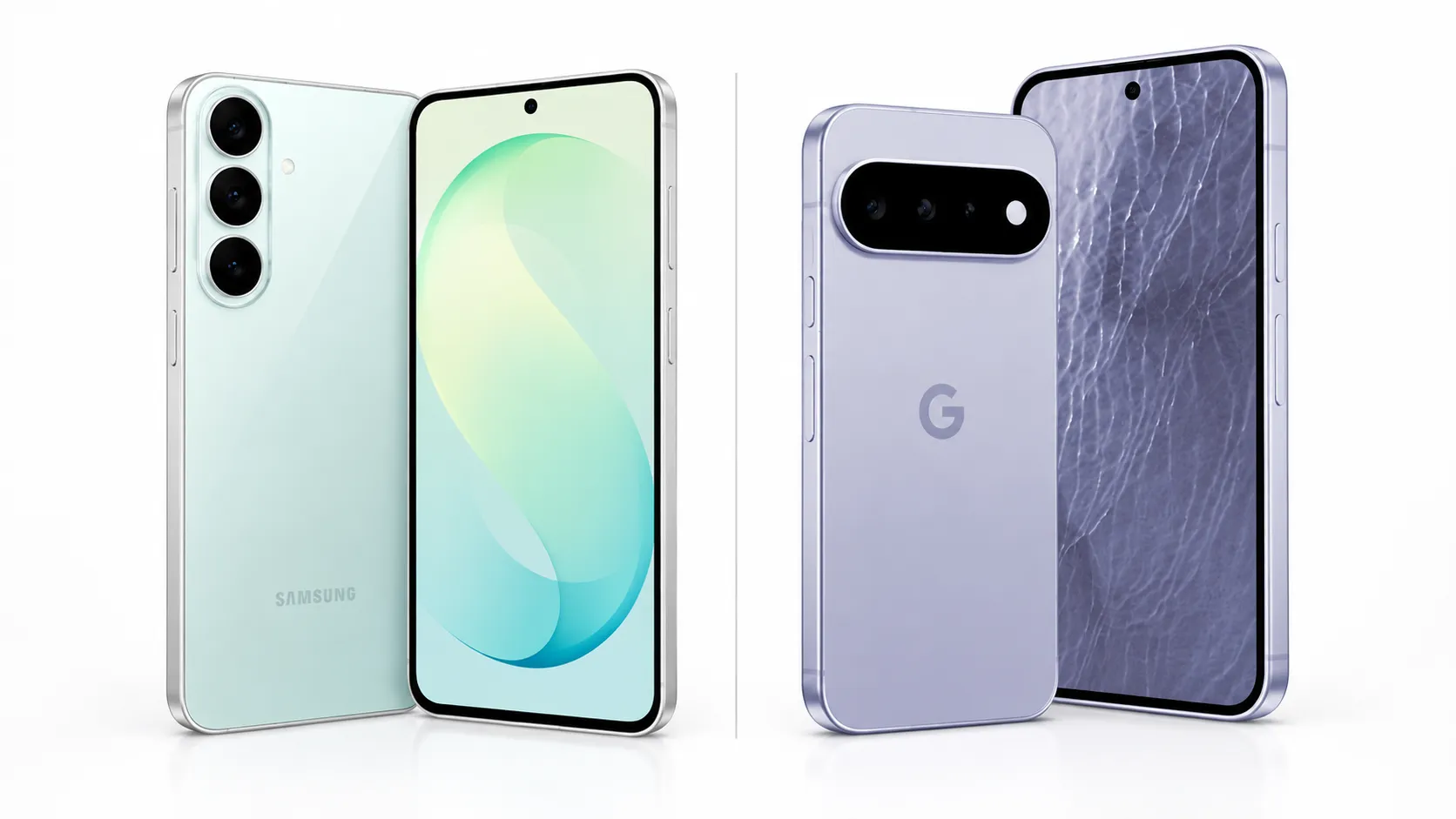
The competitive landscape is fierce, but Nothing is targeting a specific gap. Google's Pixel 9a launched at $499 with a Tensor G4 chip (less powerful than Snapdragon 8 Gen 3) and plastic construction. Samsung's Galaxy A55 sits at $449 with a mid-range Exynos chip. On paper, Nothing's pricing is competitive if the build quality matches the promises. But here's the real question: Google's Pixel A-series dominates mid-range cameras but uses older chipsets and plastic builds. Samsung's Galaxy A-series offers broad appeal but lacks personality in design. Nothing is betting that buyers exist who want flagship performance and distinctive design without paying flagship prices—essentially creating a "premium mid-range" category that didn't clearly exist before. Whether that audience is large enough to sustain the business remains the crucial question, especially when Chinese competitors like Xiaomi and Realme offer similar specs at lower prices in key markets.
This is where the design language, Glyph lighting system, and Nothing OS software experience become crucial selling points. These aren't just differentiators—they're the justification for asking buyers to pay a premium over spec-focused competitors. Nothing needs these features to resonate emotionally with consumers, turning phones into objects of desire rather than just spec sheets.
What this means for Nothing's 2026 strategy
Let's zoom out for a moment. With no flagship phone planned for 2026, the Phone 4a series isn't just another product launch—it's the entire smartphone strategy for the year. The brilliance works if the Phone 4a series captures meaningful market share and establishes Nothing as the go-to brand for design-conscious buyers who won't compromise on performance. The risk materializes if buyers aren't willing to pay the premium over Chinese competitors offering similar specs at lower prices, or if the lack of a flagship damages Nothing's brand positioning as an innovator. That's either brilliantly focused or incredibly risky, depending on how these devices perform in the market.
The event will be livestreamed from Central Saint Martins in London, starting at 10:30 AM GMT (4 PM IST). This choice reinforces Nothing's positioning as a design-first brand—they're not launching at a tech conference but at an institution known for producing fashion designers and artists. It's a statement that these phones are as much about aesthetics and cultural relevance as they are about specifications. The choice of venue—a prestigious art and design school—signals that Nothing wants to emphasize the design and aesthetic philosophy behind these phones. It's not just about specs; it's about creating objects that people actually want to carry and use.
Industry sources and certification listings suggest the global unveiling is imminent, with certifications already completed and teasers circulating. The marketing machine is in full swing, and the March 5 date gives Nothing a clear runway to capture attention without getting lost in the MWC noise—a deliberate strategy to own the narrative rather than compete for it.
Bottom line: Nothing is betting big on the mid-range market in 2026, and they're doing it with their signature mix of bold design, cheeky marketing, and genuine technical ambition. Success requires three things: delivering on those flagship-level promises without quality compromises, convincing buyers that distinctive design justifies a premium over spec-focused competitors, and generating enough volume to sustain a business without flagship revenue. Whether the Phone 4a series can thread this needle will determine not just the success of these products, but Nothing's viability as an independent smartphone maker in an increasingly consolidated market. We'll get our first answers on March 5.







Comments
Be the first, drop a comment!