





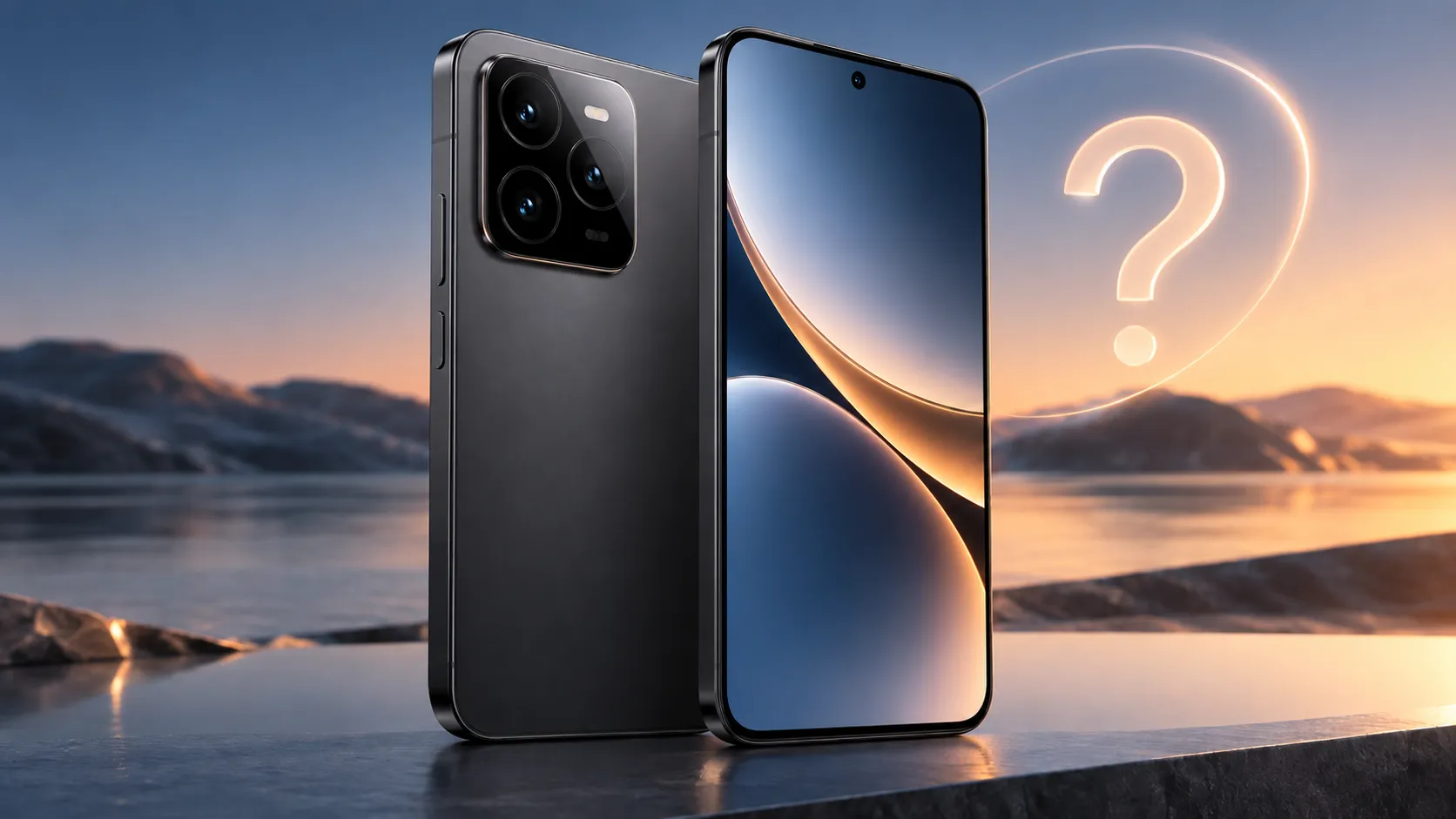
The premium smartphone market just got a lot more interesting. Motorola has unveiled the Signature, the first device in an entirely new product line that's taking direct aim at the likes of Samsung and Google. This isn't just another incremental upgrade to the Edge series—it's a complete reimagining of what Motorola can offer in the flagship space. And here's the kicker: they're promising seven years of both OS and security updates, matching the industry leaders beat for beat.
What makes this launch particularly compelling is the timing. We're seeing manufacturers finally respond to consumer demand for longer device lifecycles, and Motorola is stepping up with hardware specs that actually justify keeping a phone for seven years. The Signature launched at CES 2026, and from what we're seeing, this could be the device that changes how people think about Motorola in the premium space. For consumers increasingly concerned about electronic waste and device longevity, this represents a significant shift in the industry's approach to sustainability.
Design that means business
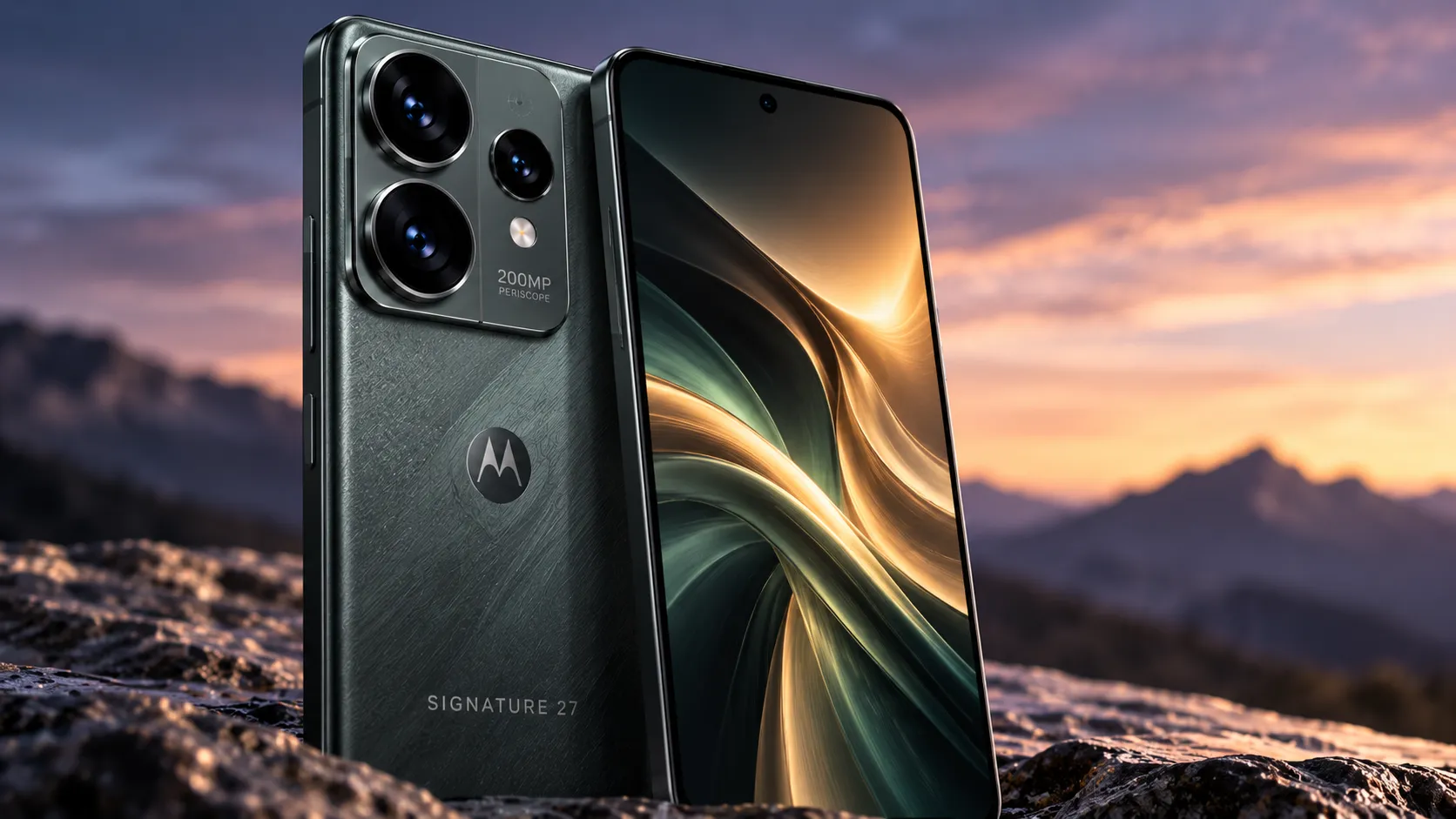
Let me start with what immediately strikes you about the Signature: it's remarkably thin at just 6.99mm. That's genuinely impressive for a device packing a 5,200mAh battery and all the premium features you'd expect. The engineering challenge here becomes clear when you consider that despite that slim profile, it still weighs a substantial 186 grams, which actually signals premium build quality—this isn't a case of cutting corners with cheap, lightweight materials.
The design language is decidedly professional. Motorola is clearly targeting the boardroom crowd rather than the flashy consumer market, offering the device in two sophisticated colorways: Pantone Martini Olive and Pantone Carbon. These aren't the bright, attention-grabbing colors we've seen on recent Razr devices—they're muted, refined, and exactly what you'd expect from a premium business device aimed at executives who need their technology to project competence.
The construction combines an aircraft-grade aluminum frame with luxury twill-inspired or linen-inspired finishes. It's the kind of material choice that signals Motorola is serious about competing with the established premium players. The company continues with its quad-curved display approach, where all four edges of the screen flow seamlessly into the frame, creating that modern, borderless aesthetic that's become synonymous with premium smartphones.
What's particularly impressive is the durability story. The device meets military-grade MIL-STD-810H standards and carries both IP68 and IP69 ratings. That IP69 rating is still relatively rare in smartphones—it means the device can handle high-pressure water jets, making it practically bulletproof against everyday liquid disasters. For business users who need reliability, this kind of ruggedness in such a thin profile is exactly what differentiates premium devices from the competition.
Camera system built for content creators
Now here's where things get interesting from a technical standpoint. The Signature features four 50MP cameras—and to clarify that impressive claim, we're looking at three rear cameras plus one front-facing camera, all at the same 50MP resolution. This configuration is still uncommon enough to turn heads, but it's not just about the megapixel count; it's about how Motorola is positioning these cameras for real-world professional use.
The main sensor uses Sony's LYTIA 828 technology with an f/1.6 aperture, and Motorola claims it's their largest 50MP sensor yet. That larger sensor size should translate to better low-light performance and more detailed images overall—critical for professionals who can't always control their shooting environment.
The camera lineup gets more specialized from there. The periscope telephoto offers 3x optical zoom using a Sony LYTIA 600 sensor, while the ultrawide lens provides a 122-degree field of view that doubles as a macro camera. The front-facing camera gets the same 50MP treatment with a Sony LYTIA 500 sensor, ensuring that video calls and selfies maintain professional quality.
What's particularly noteworthy is Motorola's strategic partnership approach. No DXOMARK Gold certification has been announced for the Signature, and Motorola says it is working with Instagram to optimize image quality remains consistent whether you're shooting in the native camera app or through social media platforms. This partnership addresses a real pain point for content creators who've long dealt with social media apps compressing or degrading their carefully crafted images.
Performance engineered for the long haul
Under the hood, we're looking at Qualcomm's latest Snapdragon 8 Gen 5 processor. Now, some might point out that this isn't the Elite version of the chip, but for most users—and for a device designed to last seven years—the performance difference will be negligible while potentially offering better battery efficiency. The processor is paired with up to 16GB of LPDDR5X RAM and 512GB of UFS 4.1 storage, providing the kind of headroom that becomes essential when you're planning to keep a device for the better part of a decade.
Here's something genuinely innovative: the Signature introduces what Motorola/leaks call a 'copper mesh liquid metal' cooling system. That's not just marketing speak—liquid metal cooling is legitimately superior to traditional thermal solutions, and it should help the device maintain consistent performance during intensive tasks like gaming or video editing. More importantly, effective thermal management becomes crucial for long-term device health, making this innovation particularly relevant for a seven-year lifecycle.
The 6.8-inch AMOLED panel can reach up to 6,200 nits peak brightness with a 165Hz refresh rate. That brightness level puts it in the same league as the best flagship displays currently available, ensuring outdoor visibility even in direct sunlight—essential for business users who can't afford to squint at their screens during important meetings or presentations.
Battery life looks particularly promising for long-term users. The 5,200mAh silicon-carbon battery promises up to 52 hours of usage, with support for 90W wired charging and 50W wireless charging. The silicon-carbon chemistry is interesting here—it allows for higher capacity in a thinner form factor while maintaining better long-term battery health, which explains how Motorola managed to pack such a large battery into that 6.99mm chassis. For quick top-ups, Motorola claims you can get a day's worth of power in just 7 minutes of charging.
Seven years of updates: Redefining Motorola's credibility
Let's talk about the elephant in the room: software support. Motorola is promising seven years of both OS and security updates, which represents a complete 180 from their historical approach to software support. This isn't just catching up to Google and Samsung—it's matching them completely while fundamentally changing Motorola's market positioning from a value-focused brand to a genuine premium player.
The device launches with Android 16 and Hello UI, giving users access to the latest Android features from day one. The extended update policy means users can realistically expect their device to remain current and secure until at least 2033. For businesses making procurement decisions, this timeline transforms the total cost of ownership equation and positions Motorola as a viable alternative to established enterprise favorites.
Beyond standard updates, Motorola is making a bold move into luxury services territory. The company promises on-demand white-glove assistance, giving users access to luxury experiences in travel, dining, and events. While details remain sparse and this service launches later in 2026, it suggests Motorola is trying to create an ecosystem of premium services around the device, similar to what we've seen from luxury car brands or high-end credit cards. This could be the differentiator that justifies choosing Motorola over more established premium brands.
Pricing strategy and market realities
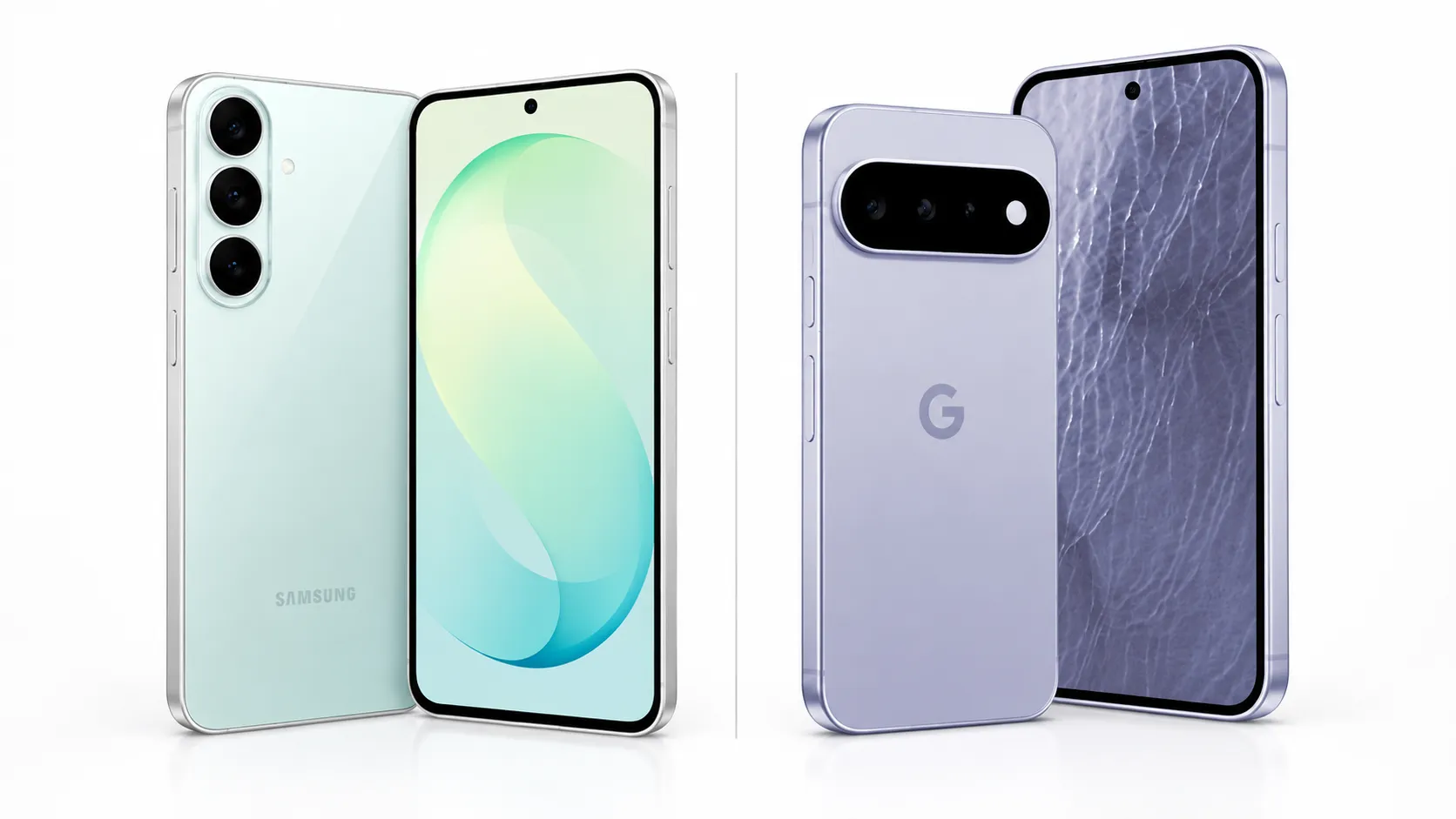
Here's where things get tricky for Motorola's premium ambitions. The device is priced at €899.99, putting it squarely in premium flagship territory while remaining slightly below the highest-tier competitors. That pricing puts it in direct competition with devices like the Samsung Galaxy S25 and Google Pixel 9 Pro, but gives Motorola a small price advantage that could prove crucial for winning over price-conscious premium buyers.
More problematically for global impact, initial reports indicate the Signature will not launch in the US immediately and will focus first on Europe, which significantly limits its ability to build momentum against established competitors. Initial availability will focus on select European countries, with expansion to Middle East, Africa, Latin America, and Asia-Pacific regions following later. This limited rollout strategy might make sense from a market testing perspective, but it also means Motorola is essentially conceding the world's largest premium smartphone market to established competitors.
The positioning challenge is significant but not insurmountable. At €899.99, consumers will naturally compare the Signature to devices from Samsung, Apple, and Google. Motorola's advantage lies in offering flagship-level specs with that crucial seven-year update promise at a price point that undercuts the competition. Success will depend on whether the market values long-term support and unique features like the quad-50MP camera system over brand recognition and ecosystem integration.
A calculated bet on premium market disruption
The Signature represents more than just a new smartphone—it's Motorola's clearest statement yet about competing seriously in the premium market while addressing the sustainability concerns that are increasingly driving consumer decisions. By matching the update policies of Google and Samsung while offering unique innovations like the liquid metal cooling system and comprehensive luxury services, Motorola is trying to carve out a distinct position that emphasizes longevity and professional capability.
The business-oriented design and professional features suggest Motorola has identified a specific target: enterprise users and professionals who prioritize reliability, security, and total cost of ownership over cutting-edge features or flashy innovations. That's a smart approach, given that this demographic often values software support and build quality over brand prestige, and they're making purchasing decisions based on practical considerations rather than marketing hype.
Whether this strategy succeeds will largely depend on execution and market reception over the coming months. The seven-year update commitment alone makes the Signature worth watching, as it could pressure other manufacturers to extend their own support timelines and fundamentally shift industry standards. But Motorola will need to prove they can deliver on that promise while maintaining competitive hardware and software experiences throughout the device's extended lifecycle.
The Signature series represents Motorola's most ambitious premium smartphone effort in years, arriving at a time when the premium market is more competitive than ever but also more open to disruption from brands willing to make meaningful commitments to longevity. Success won't be easy, but the foundation looks solid enough to at least grab serious attention from consumers who might not have considered Motorola for their next premium device.







Comments
Be the first, drop a comment!