



Motorola is making waves in the flagship smartphone space with the upcoming launch of its new Signature series. The Lenovo-owned company has confirmed that the Signature class smartphone series will debut in India on January 7, 2026, according to Times of India. What makes this particularly intriguing is that Motorola is expanding its portfolio with a premium smartphone series, moving beyond its established Edge lineup to create something entirely new. The comprehensive leaks from prominent tipster Evan Blass, as reported by 9to5Google, reveal exactly how Motorola plans to challenge established flagship players—and it's more ambitious than anything we've seen from the company in years.
What makes the Signature series special?
The Motorola Signature represents a fundamental shift in how the company approaches flagship devices. This isn't just another Edge phone with a different name—it's being positioned as Motorola's first "Signature" device, establishing a new premium tier that sits above everything else in their portfolio, according to Android Authority. The marketing campaign brilliantly connects Motorola's pioneering heritage with its future ambitions, with one teaser reminding consumers that "back in 1973, Motorola gave the world its first portable phone," concluding that "innovation became our signature," as noted by Financial Express.
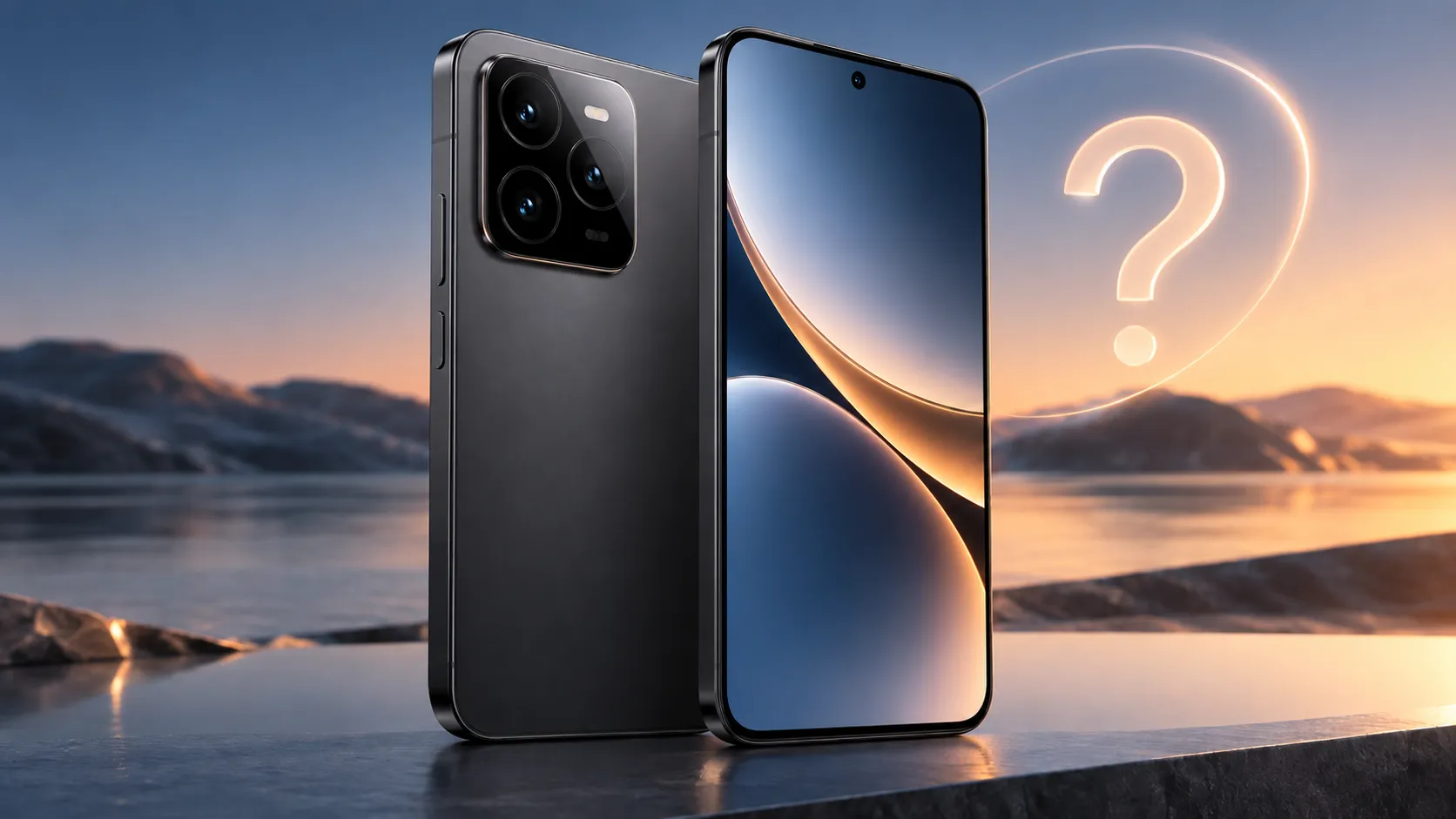
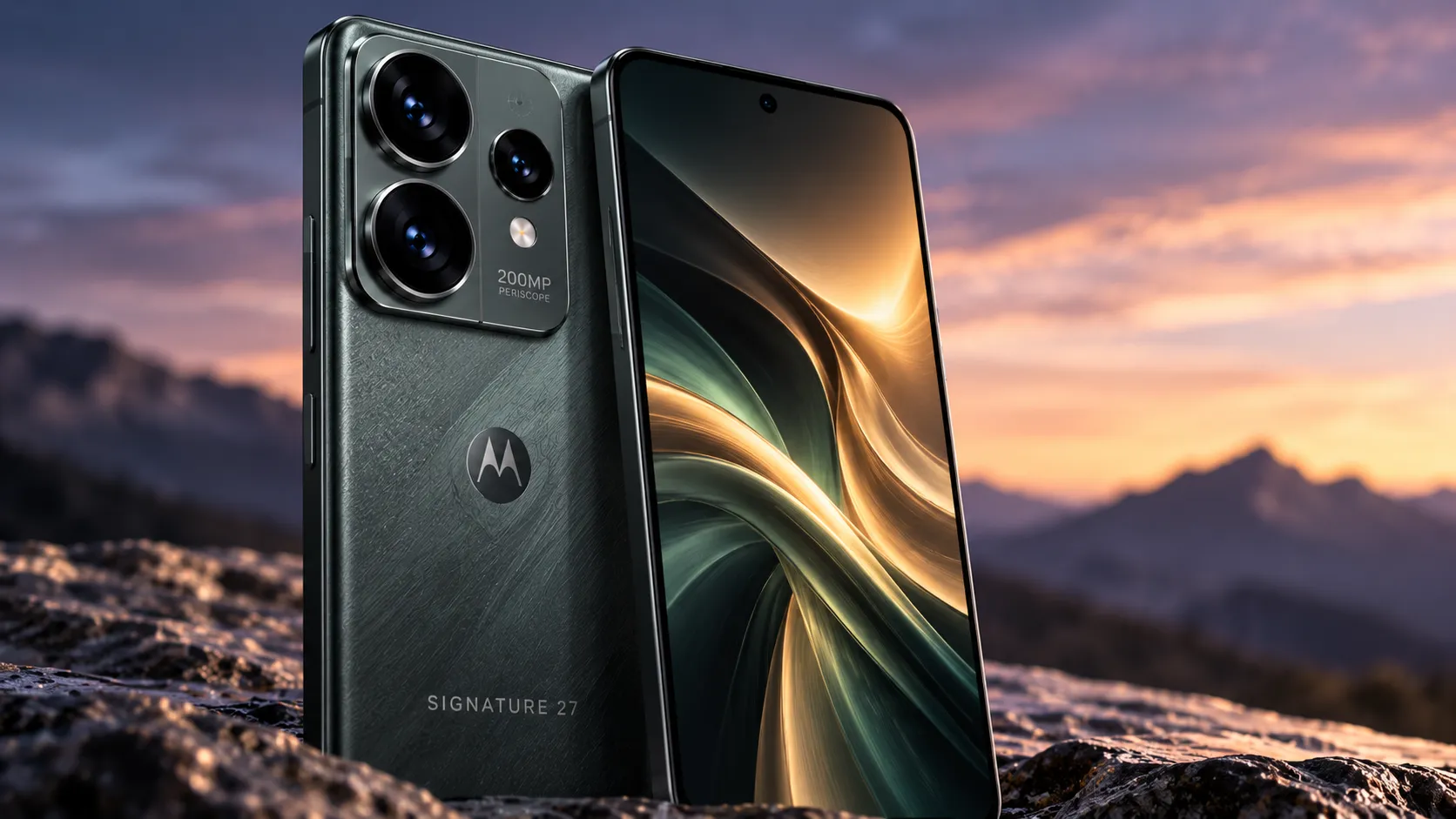
The design language reinforces this premium positioning with sophisticated details that distinguish it from recent Motorola releases. Leaked renders reveal the device in two carefully chosen colorways: Carbon and Martini Olive, according to Financial Express. The squircle-shaped rear camera module and textured, vegan leather-like back panel represent a clear departure from the company's recent aesthetic choices, as reported by the same source.
The potential stylus support, suggested by some renders, according to Financial Express, signals Motorola's intent to compete in the productivity-focused premium segment—a space currently dominated by Samsung's Galaxy Note legacy. The front design showcases a display with a centered punch-hole camera and curved bezels along the edges, delivering the premium flagship aesthetic that buyers expect in this price tier, according to Android Authority.
Flagship specs that leave nothing on the table
The leaked specifications reveal that Motorola isn't making compromises to hit a price point—this is a no-holds-barred flagship assault. The device will be powered by Qualcomm's Snapdragon 8 Gen 5 processor, paired with up to 16GB LPDDR5X RAM and up to 1TB UFS 4.1 storage, according to GSMArena. While it uses the standard Snapdragon 8 Gen 5 instead of the Elite variant, as reported by 9to5Google, this represents the only specification that doesn't match the absolute top tier—everything else is flagship-grade or better.
The display technology demonstrates Motorola's commitment to premium user experience. The 6.8-inch LTPO AMOLED panel features 2,780 x 1,264px resolution with a 165Hz refresh rate, according to GSMArena. Beyond the impressive specs, the integration is remarkable: a 50MP selfie camera using the LYT 500 sensor, ultrasonic fingerprint scanning, and Corning Gorilla Glass Victus 2 protection all seamlessly built into the panel, as noted by the same source. The 95% screen-to-body ratio achieved through remarkably slim bezels, according to 9to5Google, represents engineering excellence that rivals any flagship on the market.
The camera system showcases Motorola's strategic focus on computational photography leadership. The triple-50MP setup leads with a Sony LYTIA 828 sensor (1/1.28-inch) and f/1.6 aperture for the main shooter, according to GSMArena. The supporting cast includes a 50MP periscope telephoto module using the LYTIA 600 sensor with 71mm focal length and 3x optical zoom, plus a versatile 50MP ultrawide lens with 12mm equivalent focal length that doubles as a macro shooter, as reported by the same source. This camera configuration targets users who demand professional-level versatility without carrying additional equipment.
Seven years of updates: Motorola's transformation statement
The most striking aspect of the Motorola Signature might be its software support promise—seven years of OS updates and security patches starting with Android 16, according to GSMArena. This commitment represents more than just catching up to competitors; it's Motorola declaring that it's transformed from a company that struggled with timely updates into one that matches industry leaders.
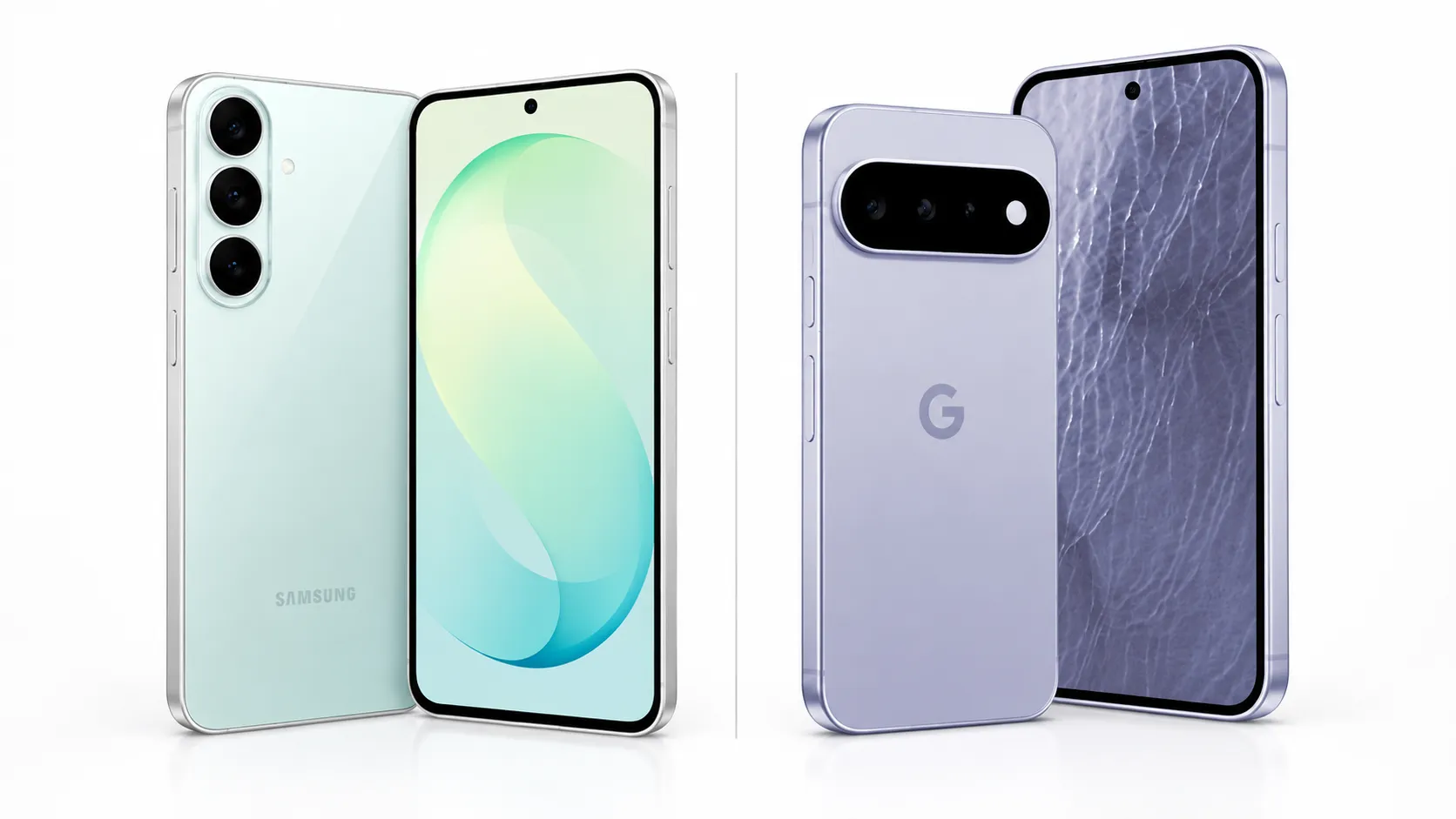
This evolution becomes clear when you examine the competitive landscape. Google established the current seven-year benchmark with the Pixel 8 series and newer devices, according to Android Authority's update policy analysis, while Samsung has promised seven years of support for its Galaxy S25 series, as noted by the same source. For buyers, this means the Signature will receive Android updates through at least 2033, protecting their investment and ensuring access to new features for nearly a decade.
Motorola's journey to this commitment shows deliberate strategic progression. The company has been systematically improving its update policies, with devices like the Moto G75 already offering five Android OS upgrades and six years of security patches, according to Digital Trends. The seven-year commitment for the Signature represents the culmination of this evolution, as reported by the same source, positioning Motorola as a company that premium buyers can trust for long-term device ownership.
This extended support window creates compelling value propositions beyond just software updates. It significantly enhances resale value, makes the device attractive for enterprise deployments, and appeals to environmentally conscious consumers who want to minimize electronic waste through longer device lifecycles.
Engineering excellence meets market strategy
The Motorola Signature's physical achievement impresses as much as its specifications. At 162.1 x 76.4 x 6.99mm and weighing just 186 grams, according to GSMArena, it's remarkably thin while packing a 5,200 mAh silicon-carbon battery with 90W wired charging, 50W wireless charging, and 10W reverse wireless charging capabilities, as noted by 9to5Google. This engineering accomplishment—maintaining flagship battery life and charging speeds in a sub-7mm chassis—demonstrates the technical innovation that justifies premium positioning.
The attention to complete user experience extends to practical details. IP69/IP68 ingress protection, according to GSMArena, ensures durability that matches flagship expectations, while including the 90W TurboPower charger in the box, as reported by the same source, eliminates the accessory purchasing decisions that frustrate premium device buyers.
Strategically, Motorola appears to be positioning this device to compete directly with premium offerings like the iPhone 17 and OnePlus 15, according to Financial Express. The company's decision to skip launching an Ultra phone this year, possibly to make way for the Signature device, according to Android Authority, suggests this represents a focused bet on premium market positioning rather than product line expansion.
With the official launch scheduled for January 7, 2026, and a Flipkart microsite already live, according to Times of India, the Motorola Signature represents more than just another flagship phone—it's Motorola's declaration that it's ready to compete at the highest level of the smartphone market. If these specifications prove accurate and the execution matches the ambition, this could be the device that finally earns Motorola consideration alongside Samsung, Google, and Apple in premium smartphone discussions.







Comments
Be the first, drop a comment!