



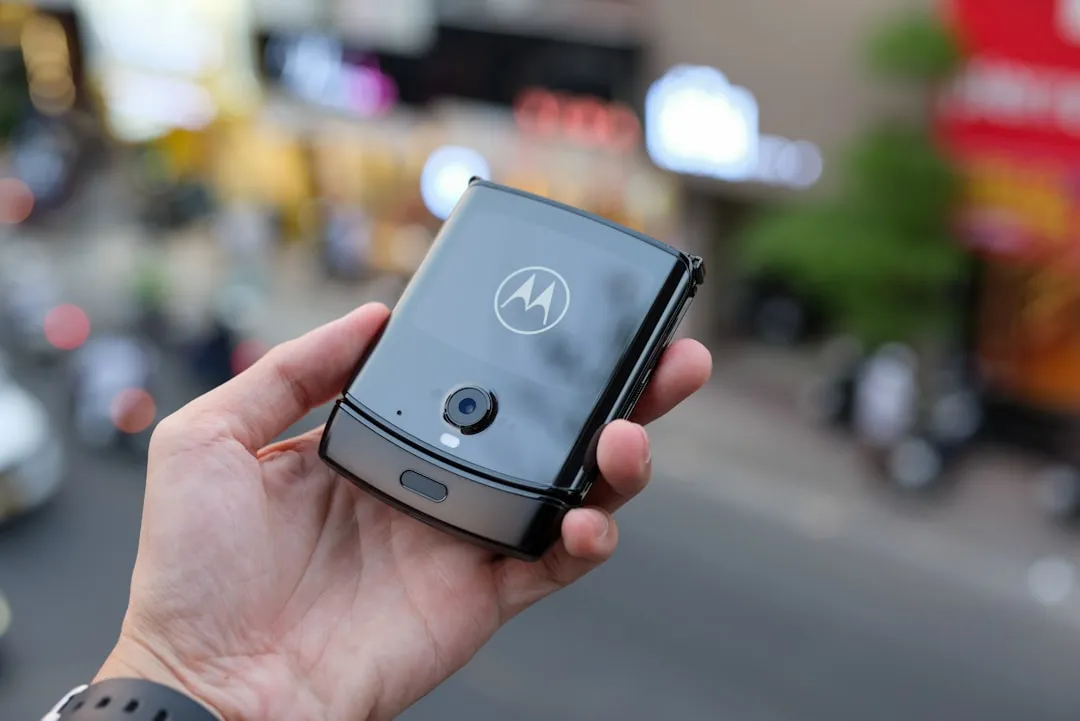
Motorola's 2026 Razr is stirring up the foldable scene with some impressive internal upgrades, even if the exterior looks surprisingly familiar. Recent regulatory filings have pulled back the curtain on what could be a powerhouse flip phone hiding beneath that classic clamshell design.
The latest leaks paint a picture of a device that's playing it safe on aesthetics while going all-out on performance. Certification documents reveal the device will maintain its predecessor's visual DNA, according to 9to5Google. The phone will be available in at least one vibrant option called PANTONE African Violet, based on regulatory listings. What's really catching attention is the internal hardware jump—the device is expected to offer memory configurations reaching an impressive 18GB of RAM, as reported by Android Police.
This deep dive explores whether Motorola's "same design, better guts" approach will resonate with foldable enthusiasts, and what these hefty specs mean for the flip phone landscape.
Memory madness: when 18GB RAM becomes reality
The standout feature of the Razr 2026 has to be its memory configuration options. Multiple variants will be available with 8GB, 12GB, 16GB, and 18GB of RAM, according to Chinese certification documents. This represents a substantial upgrade from last year's model, which maxed out at 12GB of RAM internationally but only offered 8GB in the US, as noted by Android Police. Storage options are equally impressive, with configurations spanning 128GB, 256GB, 512GB, and a massive 1TB capacity, based on regulatory filings.
Here's what this memory bump means in practice: foldables demand more from their hardware when running apps across dual displays simultaneously. That extra RAM translates directly into smoother multitasking when you're responding to messages on the cover screen while streaming video on the main display. The 1TB storage option suggests Motorola is targeting users who want to treat their foldable as a legitimate laptop replacement for content creation and media consumption.
Regional availability remains the wild card. The higher-end memory configurations might not make it to all regions—previous Razr models saw international variants with more RAM and storage than their US counterparts, according to Android Police. The 18GB model will likely remain exclusive to China, though North American buyers might still get access to 16GB and 1TB variants, suggests Mobile Syrup.
PRO TIP: If you're a power user considering the Razr 2026, the 12GB or 16GB configurations should provide plenty of headroom for intensive multitasking without the premium pricing of the top-tier options.
Camera upgrades that actually matter
The photography department is getting a meaningful boost this year. The Razr 2026 will feature a 50MP telephoto lens with 3x zoom capability, positioning it closer to the premium Plus and Ultra variants, according to 9to5Google. This represents a significant step up from typical base-model offerings and addresses one of the biggest compromises budget foldables usually make.
The complete camera setup includes dual 50MP rear cameras, which could potentially outperform Samsung's Galaxy Z Flip 7 on paper, notes PhoneArena. The secondary camera appears to be a substantial upgrade from the previous 13MP ultrawide shooter to a full 50MP sensor, based on Android Authority's analysis. A 32MP front-facing camera rounds out the photography package, according to leaked specifications.
What makes this camera upgrade particularly compelling is the real-world usability it enables. The telephoto lens means you can capture detailed shots of distant subjects without the digital zoom artifacts that plague most affordable foldables. Combined with the foldable form factor's unique shooting angles—using the cover screen as a viewfinder for rear camera selfies—this could make the Razr 2026 surprisingly capable for photography enthusiasts.
The inclusion of a proper telephoto lens in the base model signals Motorola's confidence in competing on camera quality, not just form factor novelty. It's a strategic move that targets users who want flagship camera experiences without paying ultra-premium prices.
Performance and power: the MediaTek question
Under the hood, the Razr 2026 appears to be getting a new octa-core processor clocked at 2.75GHz. While specific chipset details remain unconfirmed, the specifications align with MediaTek's Dimensity 8000 series, according to Android Authority. This would represent a notable upgrade from the Dimensity 7400X found in last year's model, delivering better CPU and GPU performance for demanding applications, notes the same report.
Battery capacity remains consistent at 4,500mAh, split between two internal cells rated at 1,090mAh and 3,185mAh, based on regulatory listings. The device maintains the same 6.9-inch primary OLED display and 3.63-inch secondary screen as its predecessor, according to leaked specifications.
The processor choice reflects Motorola's positioning strategy. While the MediaTek chip should deliver solid everyday performance and handle most tasks smoothly, it likely won't match the raw computational power of Samsung's Exynos 2500 in the Z Flip 7, suggests PhoneArena. However, paired with that generous RAM allocation, most users won't notice the difference in typical usage scenarios like social media, web browsing, and even light gaming.
The battery capacity decision shows Motorola's commitment to all-day usability—they're not sacrificing proven battery life for the sake of other upgrades, which suggests they understand what matters most to real-world users.
What this means for the foldable future
The Razr 2026's approach reflects a broader maturation strategy in the foldable market—refining proven elements rather than chasing flashy experiments. Motorola appears to be focusing engineering resources on solving the performance compromises that have kept foldables in the enthusiast category, while maintaining the design consistency that existing users appreciate.
The timing looks promising, with Motorola's spring announcement pattern suggesting an April reveal, based on historical launch schedules. The 2025 model launched at $699, and similar pricing seems likely for the base configuration, notes Android Authority. However, those high-RAM and high-storage variants could command premium pricing given current memory market conditions, according to the same analysis.
This device strategy positions Motorola uniquely against Samsung's foldable dominance. While Samsung continues refining their Z series with incremental updates, Motorola is making a play for performance leadership in the affordable foldable category. If they can deliver flagship-level multitasking capability and camera quality at competitive prices, they could capture users who've been waiting for foldables to justify their premium positioning with genuine advantages over traditional smartphones.
The comprehensive lineup approach—with Razr, Razr Plus, and Razr Ultra models covering different price points—creates multiple entry points for consumers considering alternatives to Samsung's ecosystem, suggests Mobile Syrup.
Bottom line: evolution over revolution
The Motorola Razr 2026 represents a calculated bet on incremental improvement over dramatic redesign. The substantial RAM upgrades address one of foldables' biggest pain points—smooth multitasking across dual displays becomes genuinely practical with 12GB+ of memory, as suggested by leaked specifications. The camera improvements, particularly that telephoto lens, position this as a more serious photography contender than previous base models, according to regulatory filings. Meanwhile, the familiar design language ensures existing Razr fans won't feel alienated by unnecessary changes, based on certification images.
Whether this "same shell, better internals" approach resonates with consumers will depend largely on execution and regional availability. If Motorola can deliver these impressive specs at competitive prices—especially in markets that get the higher-end configurations—the Razr 2026 could carve out a compelling niche for users who want foldable versatility without sacrificing everyday performance. For consumers who've been waiting for foldables to mature beyond expensive novelties, this evolution-focused approach might be exactly what finally makes the jump worthwhile.








Comments
Be the first, drop a comment!