



The smartwatch landscape is about to get a serious shake-up, and it's coming from an unexpected place. Motorola—yes, the same company that gave us the iconic Moto 360 back in Android Wear's early days—is making its return to smartwatches, but this time with a strategic twist that could change everything. They've partnered with Polar, the Finnish fitness technology veteran that's been perfecting heart rate monitoring and sports tracking for nearly half a century.
This isn't just another tech company throwing their hat into the wearables ring. What makes this partnership fascinating is the timing and the strategic thinking behind it. While some segments of the wearables market have slowed, even while overall shipments showed growth in parts of 2024–25, specialized fitness brands like Polar have been quietly thriving, showing stronger profitability and growing market acceptance thanks to our collective post-pandemic focus on health and fitness, as reported by Canalys.
Why Polar's expertise makes all the difference
Let's break down why Polar brings something genuinely special to this partnership. We're talking about a company that's been pioneering wearable sports technology for nearly 50 years—they were tracking heart rates before most of us even knew what a fitness tracker was. But here's what makes their decades of experience particularly valuable: they've built technical innovations that directly solve real user problems.
Polar recently announced something pretty revolutionary—a subscription-free, screen-free wearable that tracks sleep, activity, fitness, and health metrics without demanding your constant attention, according to their September 2025 announcement. Think about that for a moment. In a world where every device is screaming for your attention and charging monthly fees, Polar is going the opposite direction entirely. This represents exactly the kind of user-first thinking that their five decades in the market has taught them.
What sets them apart technically is their Precision Prime sensor fusion technology, which delivers highly accurate heart rate monitoring from the wrist—something that sounds simple but represents years of advanced engineering to perfect, detailed in their business solutions documentation. And here's another key advantage that speaks to their consumer-focused approach: Polar devices are compatible with iOS and Android via the Polar Flow app, though compatibility and some features vary by phone manufacturer and OS version, as confirmed in comparison data. No ecosystem lock-in, no compatibility headaches.
Motorola's smartwatch comeback strategy
Now, Motorola's previous smartwatch efforts weren't exactly failures—the original Moto 360 actually captured over 15% of the smart band market during Android Wear's early days, according to Canalys research from 2014. That early success provided valuable insights into consumer preferences that now inform their partnership approach. What they learned was that consumers wanted both style and substance, but often had to choose between complex functionality and user-friendly design.
Their recent approach with devices like the Moto Watch Fit shows they've learned some lessons about positioning. This lightweight fitness tracker offers genuinely impressive specs: a large 1.9-inch AMOLED screen, up to 16 days of battery life, and comprehensive health tracking capabilities, as reviewed by T3. More importantly, it undercuts most of the competition on price while delivering a surprisingly complete feature set.
What's smart about Motorola's current strategy is that they're not trying to out-Apple the Apple Watch or out-Samsung the Galaxy Watch. Instead, they're focusing on value-conscious consumers who want solid fitness tracking without the premium price tag or complexity. The Moto Watch Fit, for instance, delivers essential features without overwhelming users with options they'll never use—a philosophy that aligns perfectly with Polar's simplified, user-first approach.
The competitive landscape shift
The wearables market right now is absolutely fascinating if you're into this kind of strategic chess game. You've got smartphone manufacturers like Apple, Samsung, Huawei, and Xiaomi aggressively pushing into the sports watch space, leveraging their brand recognition and smartwatch expertise, according to Canalys market analysis.
Apple's Ultra series is a perfect example—they've successfully expanded into the premium segment with watches costing over $700, positioning themselves as serious competitors to traditional sports watch brands. Samsung and others are following similar strategies, basically trying to eat everyone else's lunch. But this creates an interesting market opportunity: the gap between premium complexity and accessible functionality.
Here's where the competitive dynamics get interesting: traditional sports watch brands still have some serious advantages. Garmin continues to lead in specialized features, even if their interfaces can be clunky and their performance sometimes lags. COROS is making strong inroads with innovative products that serious athletes actually prefer. The market is becoming increasingly specialized, with vendors focusing on refining their operating systems, apps, and domain-specific expertise rather than just throwing more sensors at the problem.
What's particularly interesting is how usability has become a major differentiator. Sports watches often struggle with complex interfaces that limit their accessibility to mainstream consumers. This is where smartphone manufacturers can really shine—they know how to design user interfaces that don't require a manual to figure out, as noted by industry analysts. The Motorola-Polar partnership potentially combines this interface expertise with proven fitness tracking credibility.
What this partnership means for consumers
So what does all this mean for you if you're in the market for a fitness tracker or smartwatch? The Motorola-Polar collaboration could address several pain points that currently exist in the market, offering solutions that neither company could deliver alone.
First, there's the complexity issue that affects many premium fitness watches. Traditional sports watches are incredibly capable, but they can be intimidating for casual users. Motorola's consumer electronics expertise could help simplify the experience without dumbing it down. Think of it as getting professional-grade fitness tracking with a user interface that doesn't require a degree in engineering to navigate.
Then there's the subscription fatigue that's plaguing the industry. Polar's recent move toward a subscription-free alternative is refreshing in a market where everyone seems to want ongoing monthly payments, according to their product announcements. Their upcoming screen-free wearable that operates without monthly fees represents a significant shift toward simplicity and user freedom. For consumers, this means access to professional-grade fitness tracking without the complexity or ongoing costs typically associated with premium sports watches.
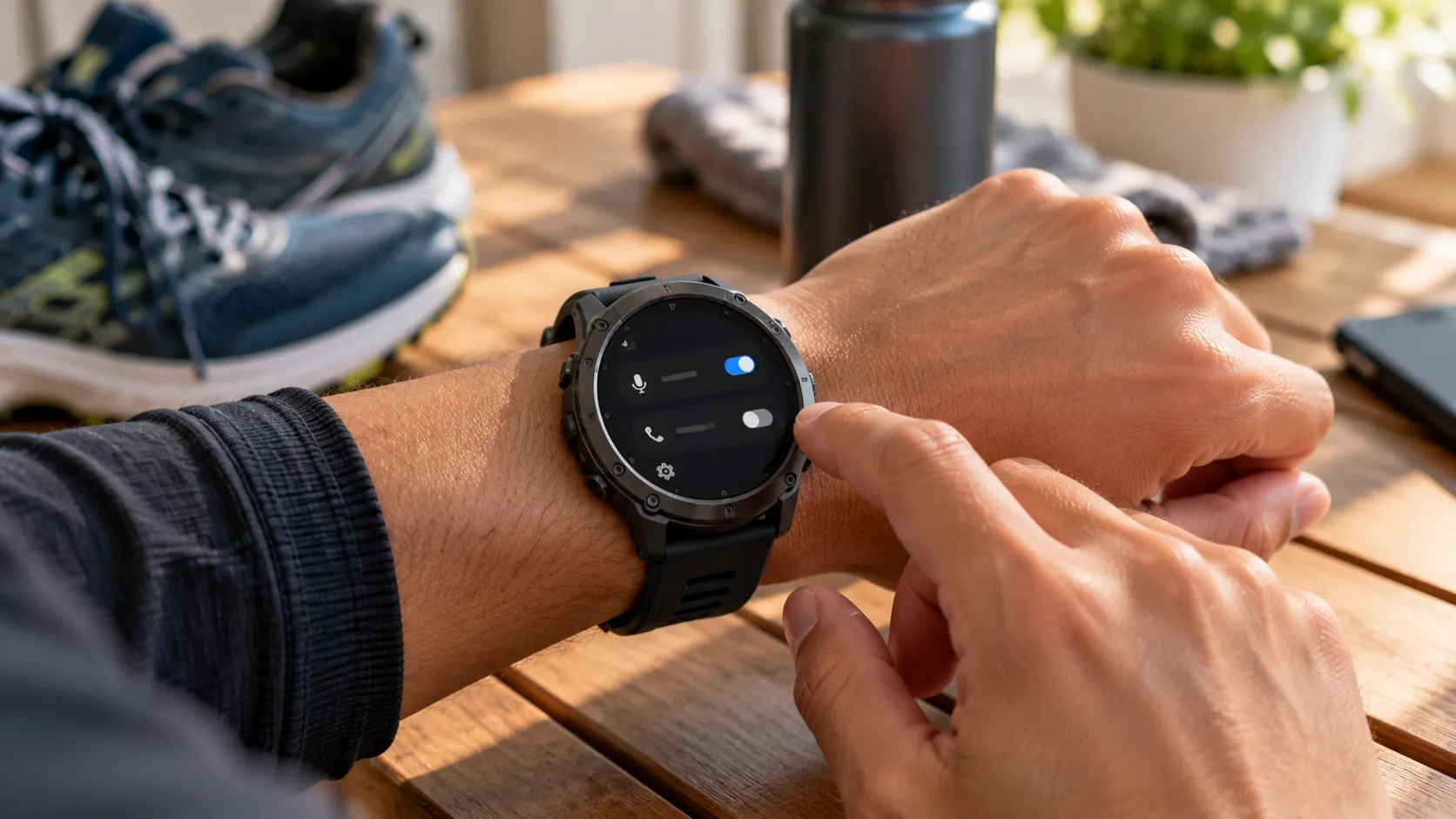
The partnership also suggests we might see more innovation around form factor and user experience. Imagine combining Polar's expertise in background tracking—capturing accurate insights without intruding on your daily life—with Motorola's design sensibilities. This could result in devices that feel less like wearing a computer on your wrist and more like having a helpful fitness companion that actually understands what you need.
The future of collaborative wearables
This partnership signals something broader happening in the wearables industry: the recognition that no single company has to be good at everything. Rather than trying to build fitness expertise from scratch over many years, Motorola is leveraging Polar's established reputation and nearly five decades of technical capabilities. It's a pragmatic approach that acknowledges the complexity of modern wearable technology and the value of specialized expertise.
The success of such partnerships could encourage similar collaborations across the industry. Imagine other consumer electronics companies teaming up with specialized health tech firms, or fashion brands partnering with sensor manufacturers. We could see more targeted, user-focused wearable devices that excel in specific areas rather than attempting to be everything to everyone—a trend that could lead to better products overall.
As the wearables market continues to mature, strategic alliances like this one make increasingly more sense. They allow companies to focus on their core strengths while delivering better experiences to consumers. The alternative—trying to compete in every area simultaneously—often results in mediocre products that don't truly excel at anything.
The real test will be execution. Polar brings the fitness tracking credibility and technical expertise built over decades, while Motorola contributes consumer device experience and market reach. If they can successfully combine these strengths while avoiding the typical pitfalls of corporate partnerships—conflicting priorities, design-by-committee problems, unclear value propositions—they could create something genuinely compelling in a crowded market.
What's exciting is that this collaboration represents a shift toward more thoughtful, specialized wearable devices. Instead of cramming every possible feature into a single device, we might see more focused solutions that do specific things exceptionally well. For consumers tired of overly complex smartwatches or frustrated with fitness trackers that lack serious athletic credibility, a Moto Watch "powered by Polar" could offer the best of both worlds: proven fitness technology wrapped in accessible, user-friendly design.







Comments
Be the first, drop a comment!