





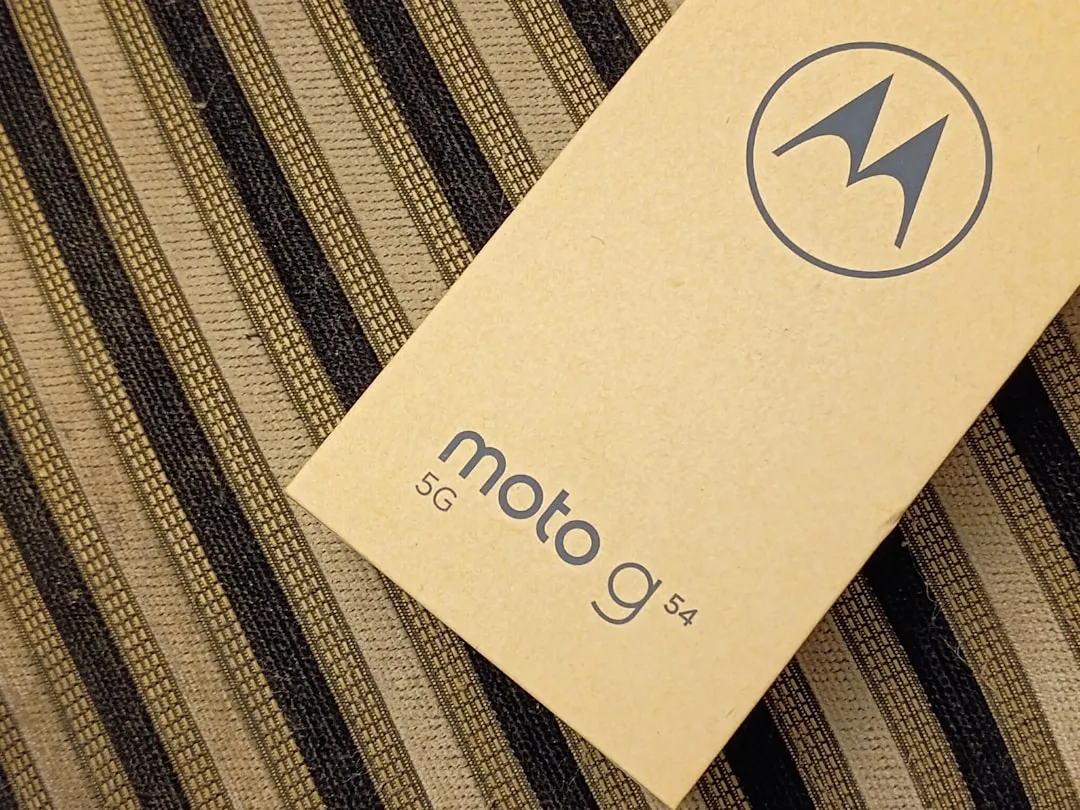
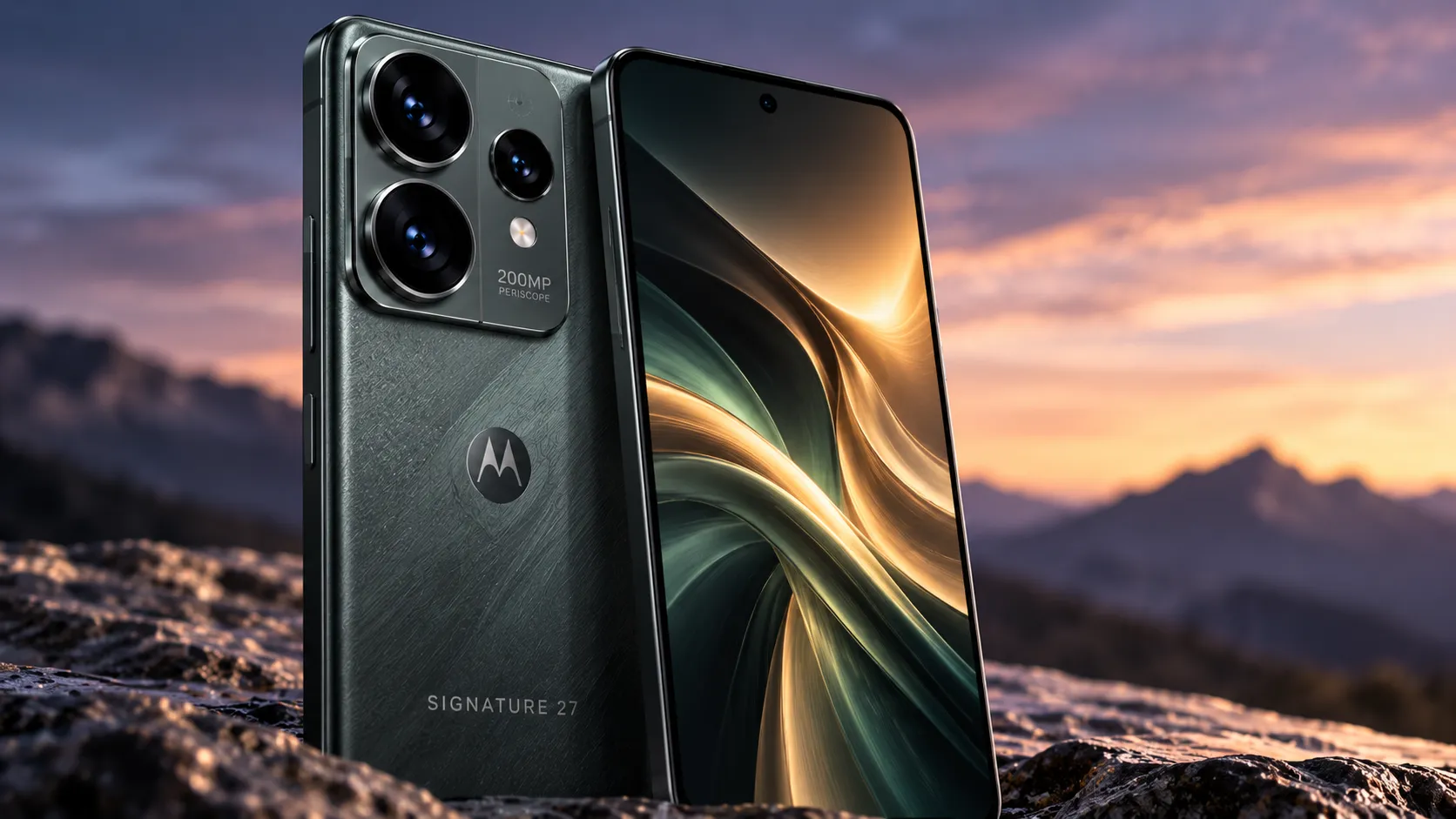
The Motorola Edge 70 Fusion has made its debut, but if you're hoping to get your hands on one, you might be out of luck. This latest addition to Motorola's Edge lineup represents an interesting case study in how smartphone manufacturers navigate regional market strategies, carrier partnerships, and the complex web of global device availability.
The Edge 70 Fusion's limited launch raises important questions about modern smartphone distribution and what it means for consumers worldwide. Let's break down what we know about this device, why it's only available in select markets, and what this tells us about the broader smartphone landscape.
What makes the Edge 70 Fusion different from its siblings?
The Edge 70 Fusion enters a crowded field within Motorola's own Edge 70 family, positioning itself as what appears to be another mid-range option with some intriguing design choices. Understanding where this device fits requires looking at Motorola's current strategy of offering multiple variants within the same product line—a strategy that's becoming increasingly sophisticated in how manufacturers target different consumer segments.
Here's what's interesting about this approach—Motorola isn't alone in creating what sometimes feels like an overwhelming number of variants within a single product family. It's become the new normal among Android manufacturers, and honestly, it can be pretty confusing for consumers trying to figure out which device actually fits their needs.
This strategy allows companies to target different price points and regional preferences while maintaining brand recognition across the lineup. Think of it like a restaurant offering small, medium, and large portions of the same dish, except in this case, we're talking about smartphones with carefully calibrated features and capabilities designed for specific market segments.
The device specs suggest Motorola is focusing on delivering solid mid-range performance with competitive pricing for the Brazilian market. What's particularly interesting is how manufacturers use these regional variants to test feature combinations that might eventually make their way into global releases. The Edge 70 Fusion could very well be a testing ground for features we'll see in future Motorola devices worldwide.
Why regional launches are becoming the norm
The Brazil-focused rollout of the Edge 70 Fusion isn't some weird anomaly—it's actually part of a calculated trend that's becoming increasingly common in the smartphone industry. These regional launches allow manufacturers to test market response, refine their supply chains, and optimize product positioning before committing to broader, more expensive global releases.
Latin American markets have become particularly important testing grounds for smartphone manufacturers, and there's good reason for this strategic focus. The region offers a unique combination of price-sensitive consumers with growing demand for feature-rich devices, creating an ideal laboratory for new products. Brazil, in particular, represents one of the world's largest smartphone markets with consumers who appreciate both value and innovation.
But it's not just about market testing. Carrier partnerships play a crucial role in these decisions. Brazilian carriers have different subsidy structures, network requirements, and consumer financing programs compared to North American or European markets. A device that performs well within Brazil's carrier ecosystem might need significant modifications for other regions.
Regulatory requirements add another layer of complexity. Each region maintains distinct certification processes, import regulations, and consumer protection standards that can significantly impact launch timing and costs. What passes regulatory approval in Brazil might face additional technical or legal hurdles in markets with different standards.
The bottom line: launching a smartphone globally isn't as simple as flipping a switch. Each market presents its own opportunities and challenges that smart manufacturers navigate strategically.
The economics behind limited availability
Understanding why you probably can't buy the Edge 70 Fusion requires diving into the complex economics of modern smartphone manufacturing and distribution. Global device launches demand substantial marketing investments, supply chain coordination, and regulatory compliance across multiple markets—costs that can quickly spiral if not managed strategically.
For manufacturers like Motorola, selective regional launches represent smart risk management. By concentrating resources on markets where they have established carrier relationships and proven consumer demand patterns, companies can achieve better sales results while controlling costs. It's a more surgical approach than the traditional "launch everywhere and see what sticks" method that dominated the industry for years.
The competitive landscape heavily influences these strategic decisions. In markets where Samsung and Apple command premium segments, manufacturers often redirect their efforts toward regions where they can achieve better market positioning. Why engage in expensive battles on unfavorable terrain when you can dominate elsewhere?
Manufacturing capacity also plays a role. Rather than spreading limited production runs thin across global markets, focusing on specific regions allows companies to build meaningful market share and establish stronger retail relationships. Success in one market can then fund expansion into others.
This approach reflects a more mature understanding of global smartphone economics, where success is measured not just by unit sales, but by profitability, market positioning, and long-term strategic value.
What this means for global smartphone availability
The Edge 70 Fusion's limited launch reflects fundamental changes in how smartphone companies approach global markets. We're witnessing a shift from the traditional model of simultaneous worldwide releases toward more strategic, phased rollouts that prioritize specific regions based on clear business objectives and market opportunities.
This evolution has real implications for consumers worldwide. While regional exclusives can frustrate tech enthusiasts who want access to every new device, this approach actually enables manufacturers to create more targeted products that better serve specific regional needs and preferences. In many ways, it represents a more consumer-focused approach, even when it doesn't always feel that way.
For Android enthusiasts and industry watchers, these regional exclusives offer fascinating insights into manufacturer strategies and market positioning. Devices like the Edge 70 Fusion provide behind-the-scenes glimpses into how companies really think about different markets, consumer segments, and competitive positioning.
The challenge for consumers is navigating an increasingly fragmented landscape where interesting devices might never reach their market. It's like discovering a perfect product that exists just outside your reach—frustrating, but often reflecting genuine business and technical realities rather than arbitrary decisions.
What's emerging is a more nuanced global smartphone ecosystem where success isn't measured purely by global availability, but by how well devices serve their intended markets and user bases.
Where do we go from here?
The Motorola Edge 70 Fusion's quiet launch and strategic availability tell us as much about the evolving smartphone market as the device itself does. Regional launch strategies, economic realities, and market-specific optimization are fundamentally reshaping how and where consumers can access new technology.
While you probably can't walk into a store and buy an Edge 70 Fusion today (unless you happen to be shopping in Brazil), its existence signals important industry trends. Motorola's commitment to serving diverse market segments through targeted product development reflects broader changes in how manufacturers think about global strategy.
The success of this Brazil-focused approach will likely influence future decisions not just for Motorola, but for other manufacturers watching how these selective strategies perform. We might see more regional exclusives, or successful launches could evolve into broader availability as manufacturers gain confidence and market feedback.
What's particularly interesting is how this trend might reshape consumer expectations. Rather than assuming every device will eventually reach every market, we may need to appreciate regional exclusives as valid expressions of market-specific innovation and strategic focus.
Here's the bottom line: smartphone availability is becoming more complex, more strategic, and more regionally focused than ever before. The Edge 70 Fusion might be out of reach for most global consumers, but it represents important industry evolution toward more targeted, sustainable approaches to product development and market engagement.
Understanding these dynamics helps us better navigate an increasingly sophisticated smartphone landscape where success is measured not just by global reach, but by how effectively devices serve their intended markets and users. The Edge 70 Fusion may be a regional exclusive, but it's also a window into the future of strategic smartphone development.











Comments
Be the first, drop a comment!