



Remember when everyone assumed Samsung owned the foldable phone market? Well, here's a plot twist that would make even the most seasoned tech analyst do a double-take: Motorola has quietly pulled off one of the most stunning upsets in the smartphone world, claiming half the US foldable phone market and while Samsung's share has declined IDC research reveals that Motorola now commands roughly 50% of American foldable sales, a remarkable achievement for a brand many consumers had written off. This isn't just about one successful quarter—it represents a fundamental shift in how the foldable market is evolving and what American consumers actually want from their next-generation devices.
The numbers tell a story that few industry watchers saw coming. While Samsung dominated early foldable adoption globally, Counterpoint Research data shows Motorola captured an impressive 28% of global market share in Q2 2025 after launching the RAZR (2025) in April. That's a massive jump from the 14% they held just a year earlier. Meanwhile, Samsung's global share tumbled to just 9% during the same period, down from a healthy 21% in Q2 2024.
What makes this shift even more remarkable is the context: global foldable smartphone shipments surged 45% year-over-year, meaning Samsung's declining position comes during explosive category growth. This isn't just losing market share—it's missing out on the biggest expansion the foldable market has ever seen.
How Motorola cracked the foldable code
What's driving Motorola's unexpected success? The answer lies in understanding what American consumers actually want from a foldable phone. The RAZR (2025) series isn't just competitively priced—it's significantly more affordable than Samsung's 2024 devices while offering features that feel genuinely useful rather than gimmicky.
Here's where Motorola made a smart strategic bet: they've offered a full-cover display for two generations now, while Samsung's continues to use a smaller cover display than Motorola's approach it's had for several iterations. That larger external screen transforms how people actually use their flip phone, making it practical for quick tasks without opening the device. You can check messages, control music, take selfies, and handle basic functions without that satisfying but somewhat cumbersome flip motion every single time.
Research suggests this could be a key factor in why Motorola dominated Q2 2025 in the US market. It's one of those "why didn't I think of that?" moments that seems obvious in retrospect but required genuine insight to implement effectively.
The pricing strategy has been equally brilliant. The Razr 2025 costs $200 less than Samsung's Galaxy Z Flip 7 FE, and we've recently seen it drop to just $600 during promotional periods. That puts truly cutting-edge foldable technology within reach of mainstream consumers, not just early adopters with deep pockets. When you're trying to convince people to take a chance on a new form factor, removing price barriers can be the difference between curiosity and actual purchase.
Bottom line: Motorola figured out that consumers wanted practical innovation, not just technological showboating. The RAZR (2025) delivers on both fronts while keeping the price reasonable—a combination that's proving irresistible in the American market.
Samsung's foldable stumble and market dynamics
Samsung's decline in foldable market share reflects broader challenges in maintaining dominance as competition intensifies. The Korean giant found itself in third place globally during Q2 2025, trailing behind both HUAWEI (45% global share) and Motorola. This represents a dramatic shift from Samsung's position as the undisputed foldable leader just two years ago.
The timing of product launches has also worked against Samsung. The Q2 2025 data doesn't include Samsung's Galaxy Z7 series, which launched in Q3 2025, meaning their latest innovations weren't reflected in the crucial second-quarter numbers when the market was experiencing unprecedented growth.
Production adjustments reveal Samsung's mixed confidence in different foldable categories. Samsung increased Galaxy Z Fold 7 production from 200,000 to 260,000 units in September while reducing Z Flip 7 output from a planned 340,000 to just 270,000 units in August. These numbers tell an interesting story—there seems to be stronger appetite for the larger book-style foldables, but softer demand for flip phones where Motorola is eating their lunch.
What's particularly striking is that Samsung essentially created this market. They pioneered consumer foldables, educated buyers about the benefits, and absorbed the early R&D costs. Now they're watching competitors like Motorola capitalize on that foundation while offering more focused, consumer-friendly alternatives that better address real-world usage patterns.
The broader implications extend beyond Samsung's individual performance. The rapid market expansion creates opportunities for agile competitors to establish strong positions before market leaders can adjust their strategies. In fast-growing categories, execution speed and consumer insight can matter more than technological legacy or R&D budgets.
What this means for the future of foldables
Motorola's success signals that the foldable market is maturing beyond the early-adopter phase, where brand prestige and cutting-edge specs mattered most. American consumers are proving they want practical, affordable foldables that enhance daily use rather than just showcase technical prowess. This shift has implications that extend far beyond current market share numbers.
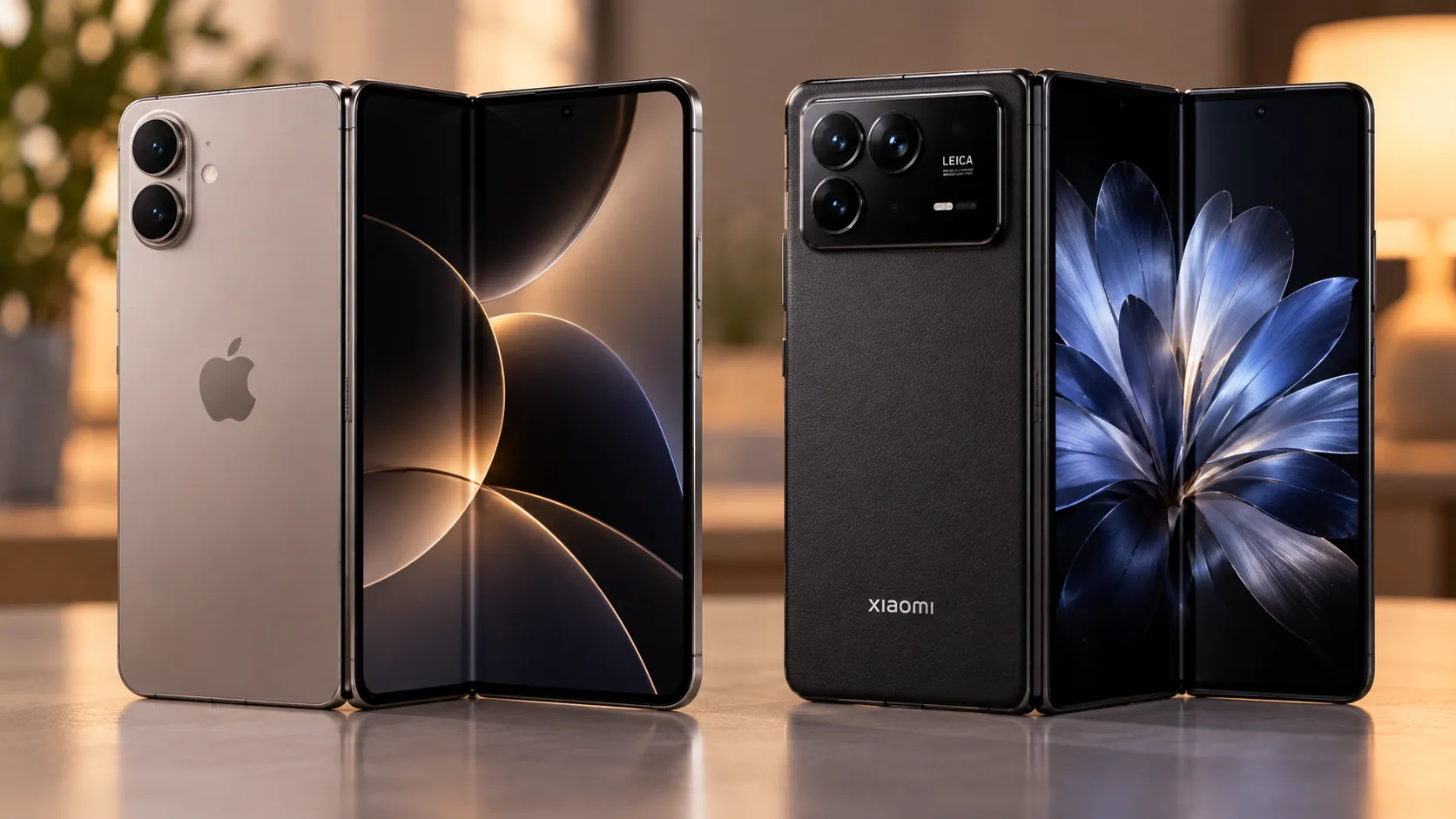
The competitive landscape is about to get even more interesting. Motorola is preparing to launch its first book-style foldable, the Razr Fold, next month, which could challenge Samsung and Google in the larger-format foldable space. If Motorola can replicate their flip phone success with book-style devices by focusing on practical features and competitive pricing, it could fundamentally reshape the entire foldable ecosystem.
Globally, Motorola's influence provides strategic advantages beyond the US market. The company holds approximately 55% market share in Latin America and nearly 14% globally, while maintaining strong positions in Europe and Central Europe with roughly 12-13% share. This geographic diversification gives them leverage to negotiate better component deals, invest more heavily in R&D, and weather regional market fluctuations—critical advantages in a capital-intensive category like foldables.
Industry projections suggest the foldable market will expand from $13.5 billion in 2025 to $112.4 billion by 2035, representing a compound annual growth rate of 26.2%. With that kind of expansion on the horizon, companies that establish strong positions now through practical innovation and consumer-focused design will be best positioned to capture disproportionate value as the market matures.
The key insight here is that we're witnessing a fundamental shift from technology-first to consumer-first design philosophy. Early foldables were basically concept cars made real—impressive engineering showcases that happened to function as phones. Now we're seeing devices designed around how people actually live and work, with foldable technology serving those needs rather than demanding adaptation to new ways of thinking about mobile devices.
Where foldables go from here
Motorola's rise to foldable dominance in America proves that innovation doesn't always come from the most obvious sources. By focusing on practical features, aggressive pricing, and understanding what consumers actually want from foldable technology, they've outmaneuvered established players and claimed a commanding market position. The explosive growth creating new opportunities shows there's plenty of room for multiple winners, but Motorola has clearly established itself as the brand to beat in the US market.
The question now isn't whether foldables will become mainstream—it's which companies will successfully navigate the transition from novelty to necessity. Motorola's current success suggests that practical innovation and competitive pricing matter more than brand legacy or technical specifications. Samsung built an incredible foundation, but they may have gotten too comfortable assuming their early leadership would naturally continue.
As the market continues expanding toward that projected $112.4 billion by 2035, other manufacturers will need to match Motorola's focus on real-world usability rather than just pushing technological boundaries. The companies that figure out how to make foldables genuinely useful for everyday tasks—not just impressive in demo videos—will be the ones capturing market share in this explosive growth phase.
For consumers, this competition means better devices at more reasonable prices. The foldable future is arriving faster than expected, and thanks to Motorola's market disruption, it's becoming accessible to far more people than anyone predicted just two years ago. Sometimes the best innovations come not from inventing something entirely new, but from taking existing technology and making it work the way people actually want to use it.








Comments
Be the first, drop a comment!