





Moto G Stylus 2026 Review: Great Stylus, Weak Support Promise
Motorola has raised the price of the Moto G Stylus 2026 by $100, putting the base model at $499 and the 256GB version at $600 a 50 percent jump on the higher-storage configuration, per CNET. The phone is meaningfully better than its predecessor: bloatware has been scaled back, and both The Verge and CNET independently identified the active stylus as the device's standout feature. The problem is that $499 puts the Stylus 2026 directly alongside phones from Samsung and Google that commit to at least six years of security updates. Motorola offers two major OS upgrades and three years of security patches.
What the Moto G Stylus bloatware cleanup actually changes
The software improvement is concrete enough to matter on day one.
Previous Motorola midrange models shipped with three pre-installed app folders functioning as trojan horses for trial software and shortcuts nobody asked for. The 2026 Stylus ships with one, The Verge reported today. The MotoHub widget, a full-page homescreen panel The Verge had previously flagged as a privacy nightmare, is gone entirely. The pre-loaded weather app, built by OneLouder Apps, now discloses that on its opening screen a direct response to earlier reviewer criticism, The Verge noted. On prior models, identifying the developer required genuine detective work.
The Verge is clear that bloatware hasn't been eliminated, just reduced to a manageable level. One open question: Android Police's review of the 2025 model found that Motorola's setup flow still nudged users toward optional app installs during initial configuration. Whether that behavior persists in the 2026 version is unconfirmed by current reviews, so navigating the setup screen carefully remains sound advice.
At $499, a software experience that feels adversarial is harder to accept than it is on a $250 device. The cleanup makes the price easier to stomach. It doesn't answer the support question.
The stylus: what reviewers found
The cleaner software gives the stylus room to define the phone rather than compete with it for attention.
The active pen is pressure-sensitive, handles handwriting recognition with reasonable accuracy, and can be configured to magnify text on hover, The Verge reported. The notes app now supports collections-based organization less dumping ground, more structured workspace, in The Verge's framing. CNET's review identified the pen as the phone's best feature and concluded that the 2026 Stylus revives capabilities Samsung used to reserve for its Galaxy Ultra line, devices that start well above $1,000.
The Verge went further: the stylus is thoughtfully developed and integrated enough that, in the reviewer's judgment, it rivals the Galaxy S26 Ultra's pen experience. That's one reviewer's opinion, not a settled verdict. But The underlying comparison is real: a pressure-sensitive active stylus with deep software integration at $499 versus $1,000-plus and no other phone in the $400–$600 range offers anything close, according to both outlets.
Moto G Stylus 2026 camera, display, and performance
The non-stylus hardware tells a more mixed story.
The display peaks at 5,000 nits brightness, an improvement over last year's panel, per CNET. The phone carries dual IP68 and IP69 water resistance ratings—full submersion coverage plus protection from high-pressure spray which is uncommon at this price tier, The Verge noted.
The camera array is a 50-megapixel main sensor with optical image stabilization, paired with a 13-megapixel ultrawide, per CNET. That's simpler than previous Stylus configurations, which included dedicated macro lenses that routinely produced shots no one kept. The 2026 setup produces usable results, but The Verge found the processing inconsistent: colors run punchy to the point of oversaturation, and red-channel clipping introduces unnatural-looking shifts in some frames. Video tops out at 4K/30fps or 1080p/60fps, per CNET. Functional, not competitive.
Performance follows a similar pattern. The Snapdragon 6 Gen 3 with 8GB of RAM handles daily tasks without obvious friction, but The Verge noticed slight hesitations when waking the screen and opening apps. The reviewer's framing was direct: this is the fastest the phone is ever going to run. Minor slowdowns at launch become a more meaningful concern in years three and four, after Motorola has stopped issuing OS updates.
Moto G Stylus 2026 software support: the real cost of the price hike
A better phone at a higher price is not automatically a better deal.
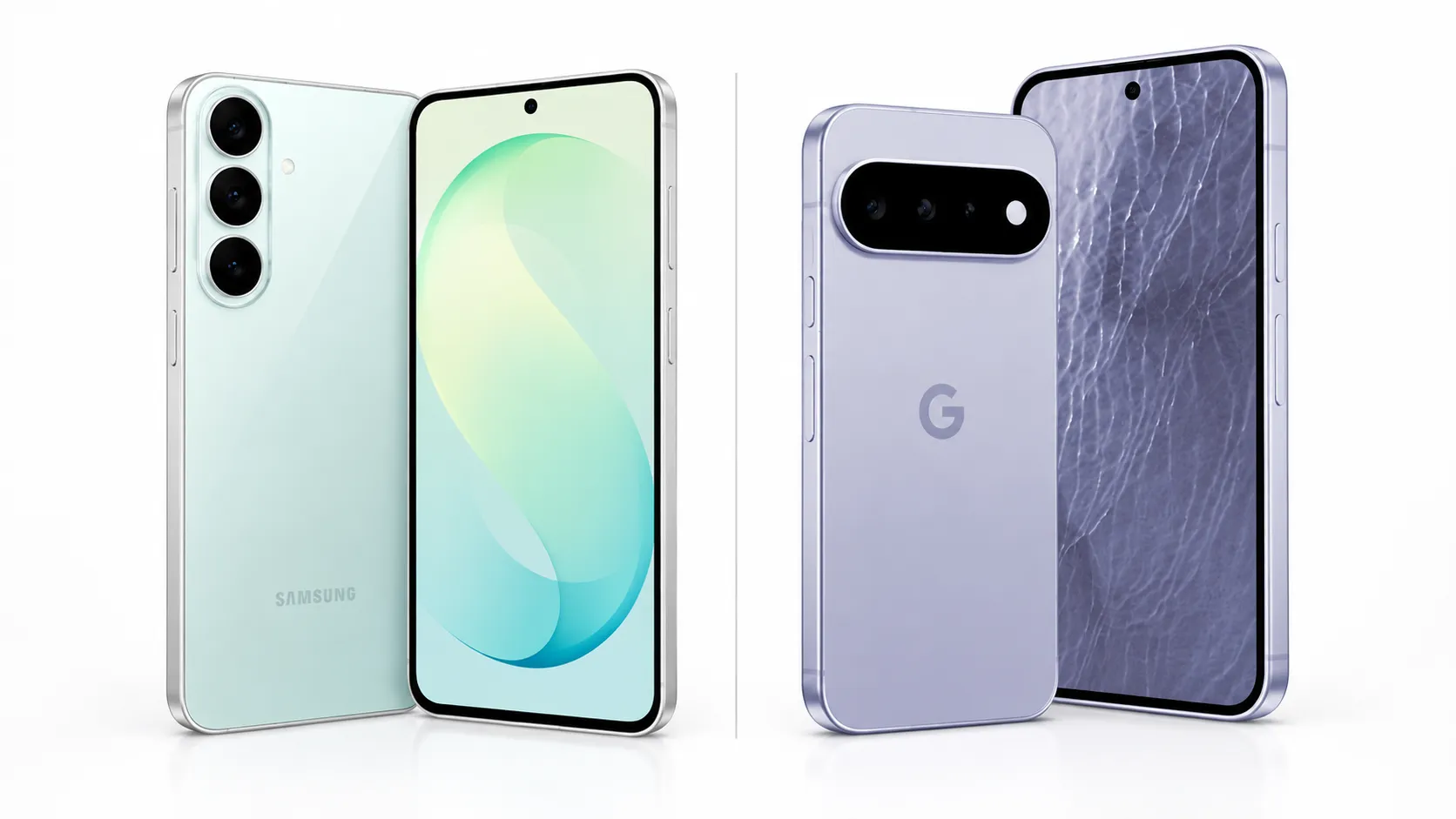
The 256GB model's $200 year-over-year jump lands the Stylus 2026 in direct competition with Samsung's Galaxy A-series and Google's Pixel A line. Both guarantee at least six years of security updates, CNET confirmed. Motorola offers two major OS upgrades and three years of security patches, per The Verge. The gap is twice Motorola's entire commitment.
For buyers who upgrade every two years, that gap is largely academic; they'll stay within Motorola's support window regardless. For anyone planning to hold the device for four or five years, or who wants resale value that includes active security patches, the discrepancy has real consequences. The Verge flagged the performance hesitations already present at launch as a warning sign: the Snapdragon 6 Gen 3 holds up through two scheduled OS upgrades, but the concern is what happens once software optimizations stop coming.
CNET expects Motorola to discount the phone over the course of the year, based on the company's history of running sales. At $350–$400, the support trade-off becomes considerably easier to accept and the stylus advantage stays intact. At $499–$600, buyers are paying upper-midrange prices against a support commitment that isn't in the same bracket.
Who the Moto G Stylus 2026 is built for
The case is strongest for stylus-focused buyers on a two-to-three year upgrade cycle. The pen has no clear equivalent below $1,000 according to both major reviews, the software is cleaner than any previous Stylus generation, and shorter upgrade cycles keep the phone within Motorola's support window before aging becomes a real problem. The 5,000-nit display and dual water-resistance ratings reinforce hardware that otherwise punches above its weight.
Buyers drawn to the phone but not committed to the stylus are better positioned to wait. Motorola's pricing history suggests discounts are coming, and the value case at $350–$400 is considerably cleaner.
Long-term holders, camera-focused buyers, and anyone who prioritizes a long security window have better options at this price. Samsung and Google currently guarantee at least six years of security updates; Apple's support window has historically exceeded that, but Apple does not publish a fixed six-year guarantee at comparable or lower price points, per CNET. The Moto G Stylus 2026 is the best phone this line has produced. The stylus is its only truly uncontested advantage and at $499, that advantage has to carry more weight than it used to.







Comments
Be the first, drop a comment!