



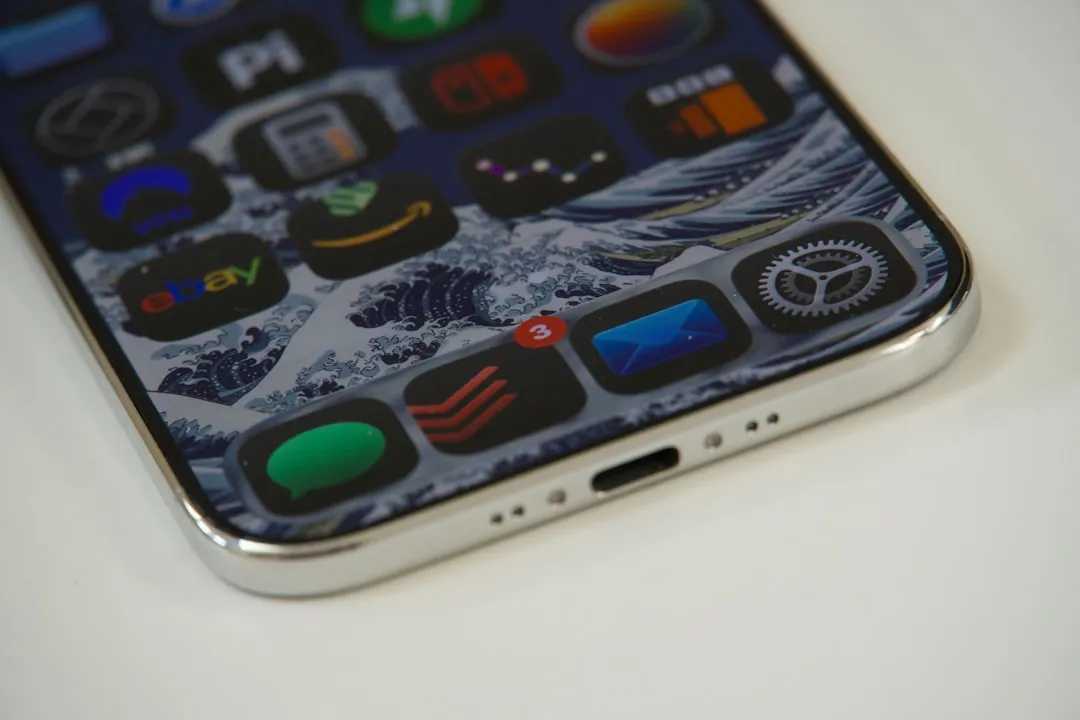
When you think about it, Apple's relationship with multitasking has always been strategically puzzling. Here's a company that revolutionized iPad productivity with split-screen capabilities back in 2015, yet somehow managed to keep the iPhone locked in a single-app experience for over a decade. Android introduced native split-screen functionality back in 2016, and we've all been wondering when Apple would finally bring that same versatility to their phones.
Well, it looks like that wait might finally be ending—but there's a catch. Bloomberg reports that Apple's rumored iPhone Fold will debut with side-by-side app functionality, marking the first time any iPhone has supported true multitasking beyond basic picture-in-picture modes. The timing feels both overdue and strategically calculated, as Apple positions itself to enter the foldable market while finally addressing what's arguably been their most glaring competitive gap.
What's particularly telling is how this development exposes the artificial constraints that have existed within Apple's own ecosystem. iPad users have enjoyed Split View capabilities since 2015, creating this odd situation where you could run two apps simultaneously on your tablet but not on your phone—even as iPhone screens grew larger and more powerful. But here's what's changed: Apple now faces a competitive reality where even the iPad Mini offers full multitasking experiences on screens similar in size to large Android foldables, making it impossible to justify why a $2,000 iPhone couldn't match a $499 tablet's capabilities.
Why foldables finally make multitasking make sense
Let's break down what's actually changed here. The technical limitations that Apple used to justify their single-app approach have essentially evaporated. Small-screen iPhone constraints are no longer relevant given today's massive displays, and processing power certainly isn't holding anything back. What's different now isn't just the form factor itself—it's that foldable displays create screen real estate that makes Apple's traditional justifications look increasingly arbitrary.
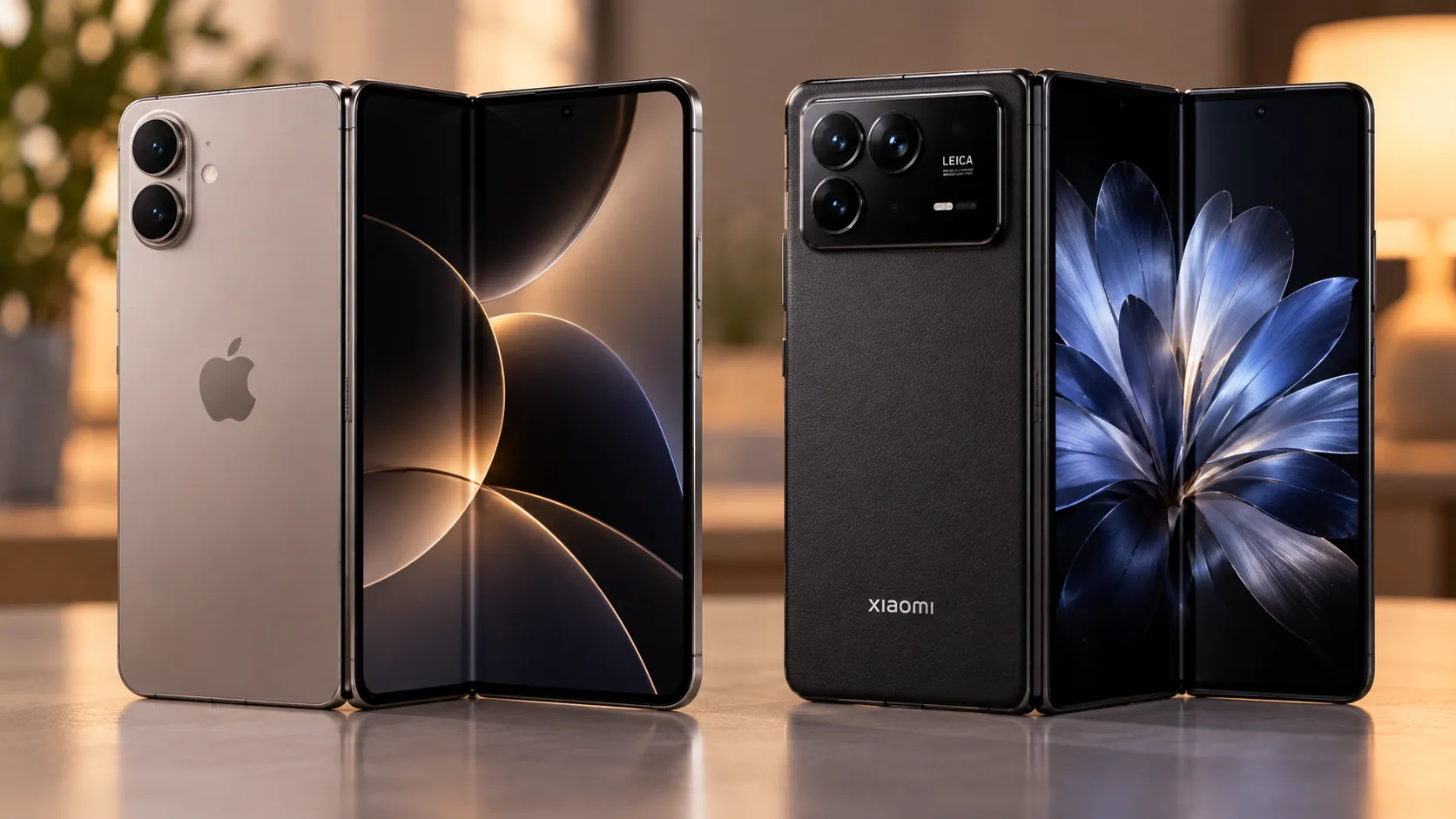
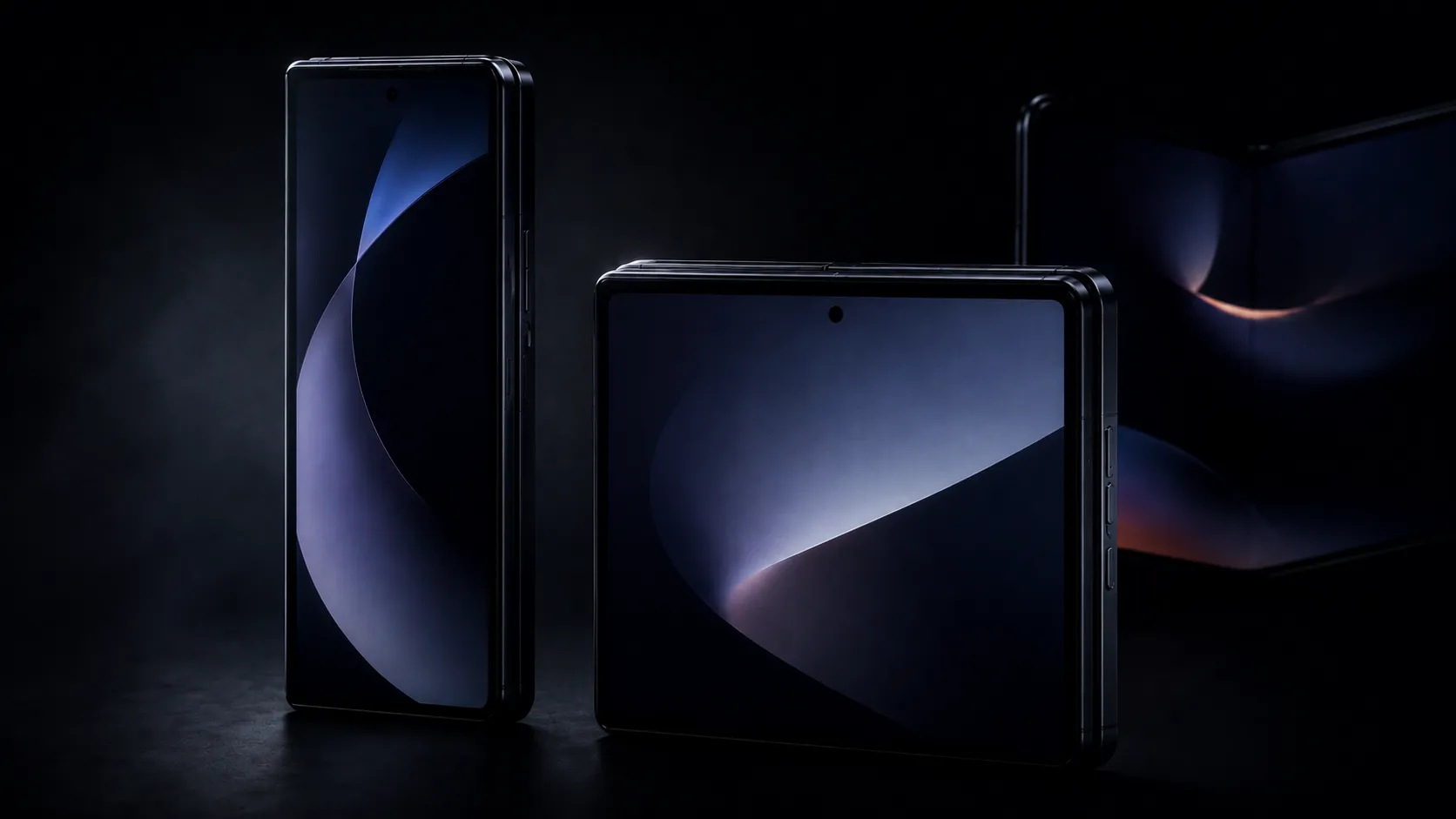
According to industry analyst Mark Gurman, Apple is developing an internal display roughly the size of an iPad mini when the iPhone Fold opens. This represents a pretty significant departure from current foldable designs and reveals something crucial about Apple's strategy. Rather than copying the narrow, tall displays we see on most competing devices, Apple's approach uses a wider aspect ratio that transforms the entire productivity equation.
The company believes this wider format will significantly improve video watching experiences, but the implications extend far beyond entertainment. When you consider that the iPhone Fold will feature iPad mini-sized dimensions when unfolded, complete with a 4:3 aspect ratio that mirrors iPad proportions, you realize this isn't just about making the display bigger—it's about creating the optimal conditions for productivity workflows that have been technically feasible for years.
This design choice seems specifically engineered to solve the UX problems that have plagued earlier foldables, where narrow displays made multitasking feel cramped and awkward. Apple's iPad-proportioned approach suggests they've learned from Android's early missteps in the category.
What iPad-style multitasking actually means for iPhone
Here's where things get really interesting from a strategic standpoint. Apple's approach to iPhone Fold multitasking borrows heavily from their iPad playbook, but with calculated limitations that maintain clear product boundaries. The device will support running two iPhone apps simultaneously in a side-by-side configuration, which represents a historic shift in iPhone philosophy rather than just a feature addition.
The software implementation involves significant iOS updates specifically designed for the foldable form factor. Apple is developing new app layouts that include left-edge sidebars similar to existing iPad applications, which means core iPhone apps are receiving substantial interface overhauls to accommodate all that extra screen space.
But here's what's particularly calculated about Apple's approach: they're not simply porting iPadOS wholesale. The iPhone Fold will run standard iOS rather than iPadOS, which means users won't get the full desktop-style windowing system you'll find on modern iPads. It also won't run existing iPad apps without developer modifications, maintaining clear differentiation between product lines even as they overlap in functionality.
This creates a strategically smart middle ground—you get genuine multitasking capabilities without the complexity of a full tablet interface. It's essentially two iPhone apps side by side rather than the more sophisticated windowing system that iPads offer, which for most productivity tasks might actually be preferable since it maintains familiarity while delivering the multitasking benefits users have been demanding.
Developer adaptation and app ecosystem challenges
Now here's where Apple's timing advantage becomes apparent. The success of iPhone Fold multitasking depends heavily on how quickly third-party developers embrace these new capabilities, but Apple plans to provide developers with tools to adapt existing iPhone software for the new interface, allowing apps to scale appropriately for the tablet-like proportions.
This represents a significant technical undertaking that goes beyond simple responsive design. Developers will need to redesign their iPhone apps to more closely resemble iPad software, particularly when it comes to sidebar implementations and responsive layouts. But here's the key insight: this isn't just about the iPhone Fold—it's groundwork for a more unified iOS experience across all screen sizes.
The timing actually creates a perfect storm for developer adoption. With the iPhone Fold expected to launch alongside iOS 27 this fall, developers will have a major iOS release to implement these changes systematically rather than as rushed afterthoughts. Plus, the device is projected to cost around $2,000, positioning it as a premium offering where users expect premium app experiences—creating economic incentives for developer investment that didn't exist for earlier Android foldables.
What's particularly smart is how this creates sustainable momentum throughout the app ecosystem. Once developers build these iPad-style layouts for the iPhone Fold, the technical infrastructure exists to potentially bring similar capabilities to traditional iPhones in future iOS versions, making the investment worthwhile beyond just the foldable market.
Market positioning and competitive implications
Apple's entry into foldable multitasking comes at a crucial moment that reveals just how calculated their "late to market" strategy really is. Android devices have supported split-screen functionality since 2016, giving competing foldables a significant head start in terms of software maturity and user familiarity. But Apple is leveraging this apparent disadvantage by learning from Android's trial-and-error phase and entering with solutions to problems that early foldables struggled with.
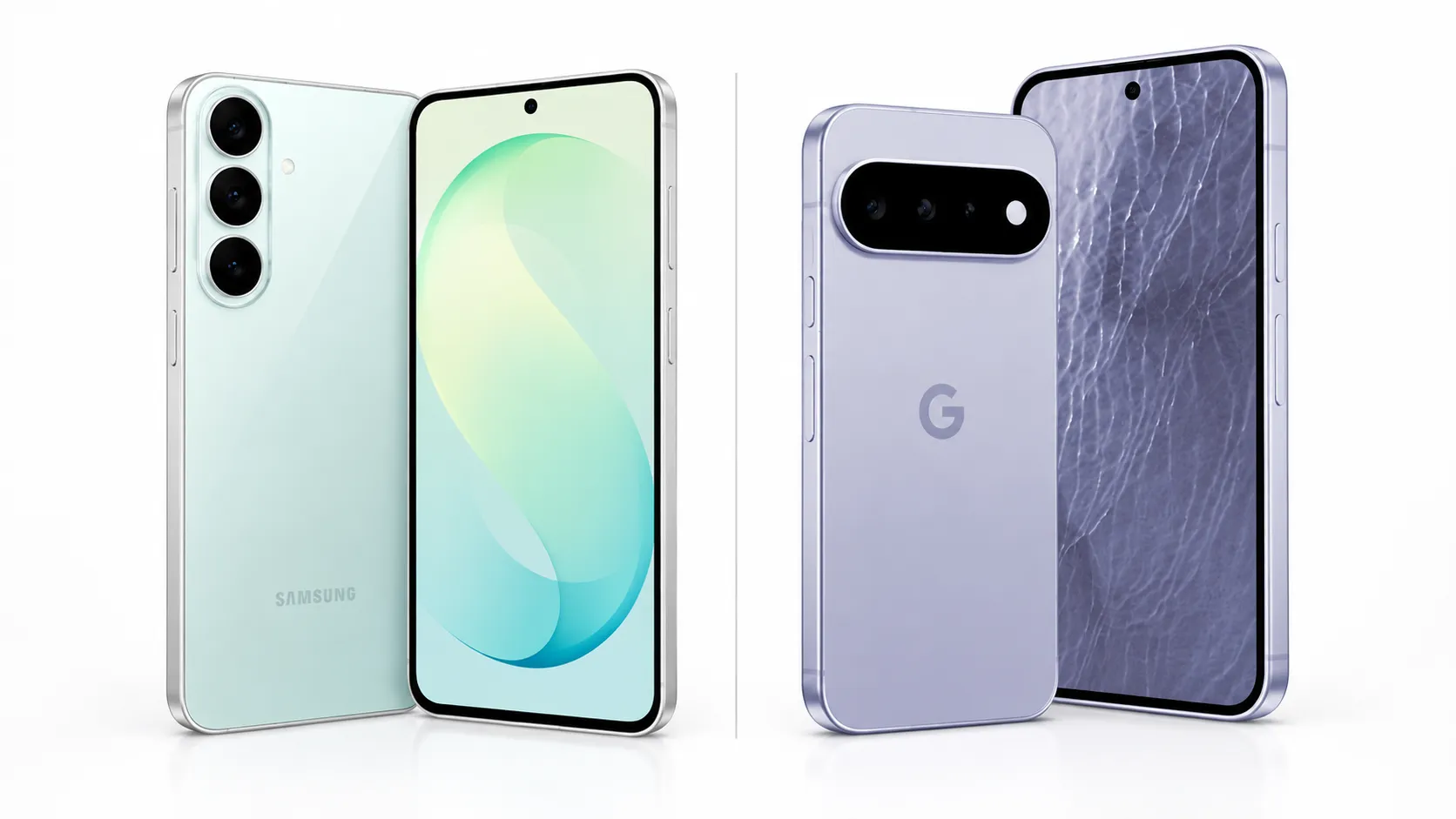
The competitive response has been swift and telling. Samsung is reportedly rushing to develop its own wider foldable device specifically to compete with Apple's approach, which validates Apple's strategy of entering the market with differentiated features rather than simply copying existing formats. This suggests Apple's design choices aren't just catching up—they're potentially reshaping the entire category toward more productivity-focused form factors.
But there's a deeper strategic element at play here that goes beyond just competitive positioning. By creating the iPhone Fold as a premium device with unique multitasking capabilities, Apple establishes a clear upgrade path for users frustrated by traditional iPhone limitations while maintaining the simplicity that makes regular iPhones appealing to mainstream users. It's a classic Apple strategy: introduce advanced features in premium products first, then gradually democratize them across the lineup as the technology matures and user expectations evolve.
The $2,000 price point isn't just about premium positioning—it's about creating exclusivity around features that logically should eventually come to all iPhones, building demand for capabilities that Apple can later present as major innovations when they arrive on mainstream devices.
The long-overdue evolution of iPhone productivity
Looking ahead, the iPhone Fold represents much more than Apple finally matching Android's multitasking capabilities—it signals a fundamental philosophical shift that acknowledges years of artificial constraints. The era of small-screen iPhone limitations is definitively over, and foldable displays provide the perfect catalyst for embracing capabilities that were technically feasible years ago but held back by design philosophy rather than technical necessity.
The broader implications extend well beyond just split-screen apps and into the future of iOS itself. Apple's development of iPad-style layouts for iPhone suggests a convergence of interface paradigms that could eventually influence traditional iPhone designs as user expectations shift. The iPhone Fold serves as both a testing ground for new multitasking concepts and a premium showcase for iOS capabilities that have been artificially constrained by product differentiation strategies.
What's particularly significant is how this development forces a reconsideration of Apple's historical justifications for iPhone limitations. The processing power was never really the constraint, and screen sizes haven't been meaningful barriers for years. The iPhone Fold essentially admits that Apple's single-app approach was always more about maintaining clear product tiers than responding to technical limitations—a strategy that worked until competitive pressure made it unsustainable.
Bottom line: split-screen multitasking on iPhone isn't just about catching up to Android—it's about Apple finally acknowledging that their traditional constraints were strategic choices rather than technical requirements. The foldable form factor simply provides the perfect justification for making this philosophical shift while maintaining their reputation for thoughtful, deliberate feature evolution. Whether this leads to broader multitasking capabilities across the iPhone lineup is the question that will define iOS's future, but the precedent is now definitively set.














Comments
Be the first, drop a comment!