






The foldable landscape has been Samsung's playground for years, but that dynamic is shifting in ways that reveal the fascinating interplay between innovation and market forces. While Apple prepares to finally enter the foldable arena, the real story lies in how its yet-to-be-released device is already reshaping competitive strategies across the industry. Most intriguingly, Apple's rumored design approach draws heavily from Google's original Pixel Fold philosophy—a device that initially seemed like an outlier but now appears remarkably prescient.
The timing reveals much about how the industry learns and adapts. Samsung is reportedly already developing a new foldable concept that mirrors Apple's wider design strategy, with potential availability before the iPhone Fold even launches. Reactive competition? More like a recognition that the narrow, phone-first approach that Samsung pioneered may not represent the optimal long-term evolution of foldable design.
Why the original Pixel Fold approach suddenly matters
Google's first Pixel Fold might have seemed like an odd duck when it launched, but its design philosophy is proving increasingly influential. While Samsung dominated foldables with their narrow, phone-centric approach, Google pursued something fundamentally different: a more balanced, passport-like form factor that prioritized usability across both folded and unfolded states rather than simply extending traditional phone proportions.
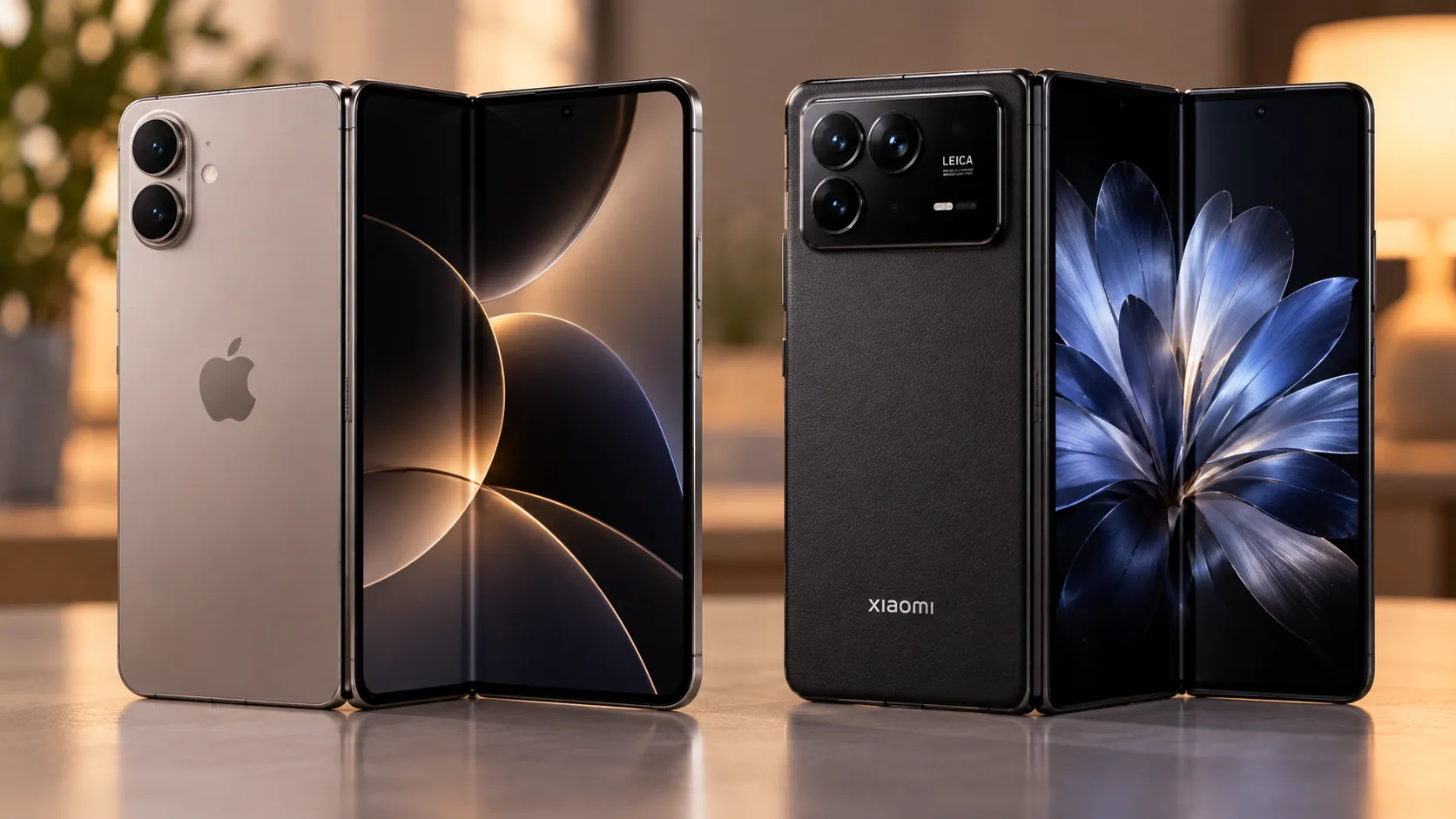
The significance becomes clear when examining Apple's rumored specifications. Leaked CADs and schematics suggest a 5.49-inch cover and ~7.7-inch inner screen (examples circulating: 120.6 × 83.8 × 9.6 mm folded; 120.6 × 167.6 × 4.8 mm unfolded). These proportions closely align with Google's original vision, creating a device that should feel genuinely comfortable whether used as a phone or tablet rather than compromised in both roles.
What Google understood—and what market conditions now support—is that successful foldables require rethinking fundamental assumptions about mobile device design. The narrow aspect ratios that made Samsung's Galaxy Z Fold series technically impressive often resulted in awkward user experiences, particularly for one-handed operation of the cover screen. Google's approach acknowledged that foldables aren't just phones that happen to open up; they're entirely new device categories that demand purpose-built design solutions.
The technical execution adds another layer of validation. Reports indicate Apple has licensed Samsung Display's hinge technology to achieve a "near-zero-crease experience," potentially creating the industry's best implementation of Google's design philosophy. At just 4.8mm thick when unfolded, Apple's rumored device could deliver the premium feel that Google's concept deserved but couldn't fully achieve due to manufacturing constraints at the time.
Samsung's strategic response reveals industry evolution
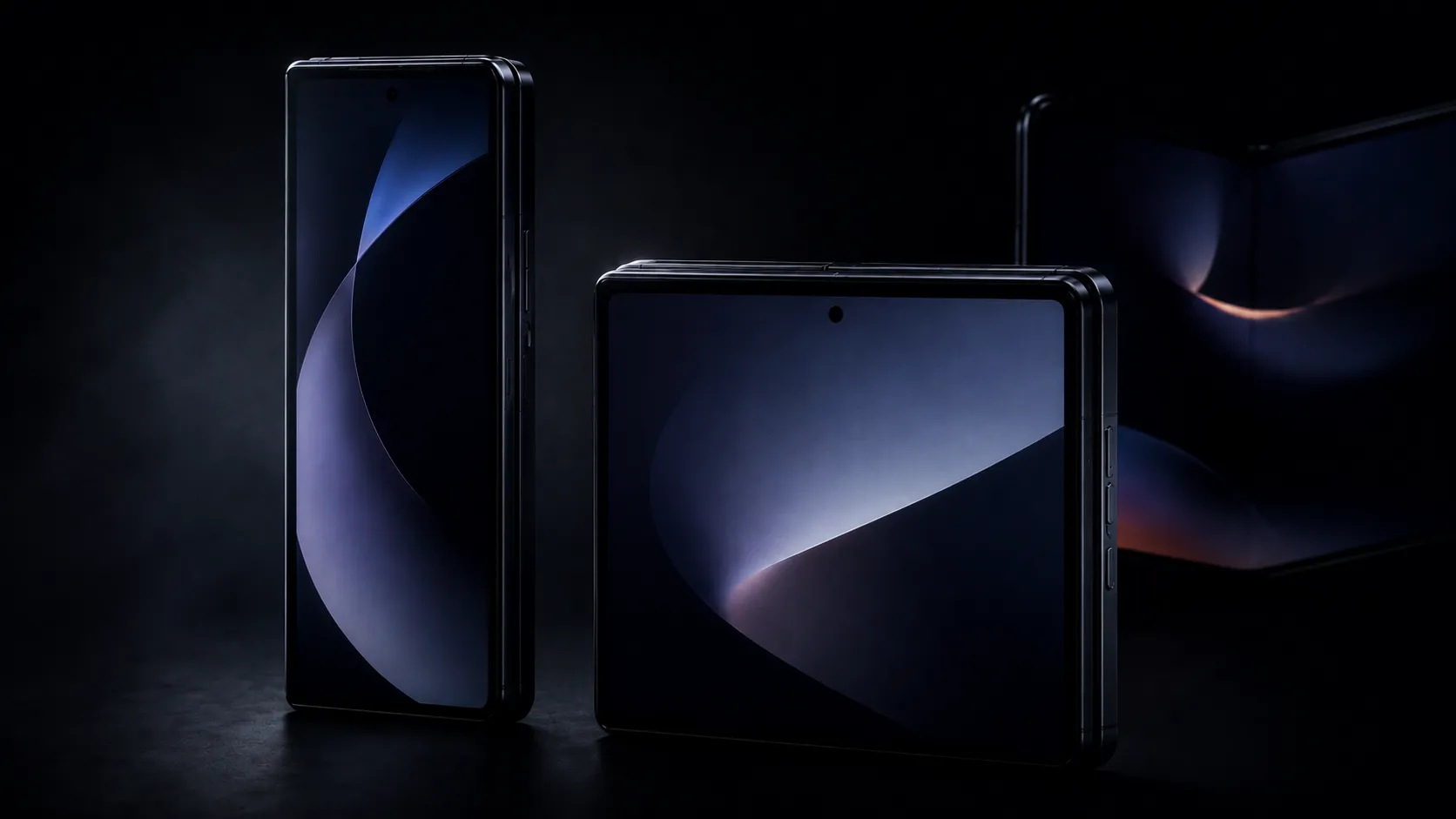
Samsung's reaction to these developments illuminates broader trends in foldable innovation. BGR reports that Samsung showcased a new foldable concept featuring a wider, shorter form factor that transforms into an iPad-like tablet when unfolded. This represents more than competitive maneuvering—it signals recognition that their traditional approach has reached evolutionary limits.
The strategic implications extend beyond design philosophy. Samsung has been developing this alternative form factor independently of Apple's leaked specifications, suggesting industry-wide convergence on optimal foldable proportions driven by user experience research rather than mere competitive copying. This convergence validates Google's original insights while highlighting how market timing affects the reception of innovative ideas.
The competitive dynamics create fascinating ironies. Samsung Display is reportedly the sole supplier for iPhone Fold displays, meaning Samsung is literally enabling their biggest potential competitor while simultaneously trying to stay ahead through design innovation. Samsung's rumored Galaxy Z Fold 8 Fan Edition and experimental designs suggest preparation for a fundamentally different competitive landscape.
Market disruption potential adds urgency to Samsung's response. Analysis suggests Apple could capture over 22% of unit share and 34% of market value in its first year, despite pricing between $2,000 and $2,500. This level of disruption would force any established player to reconsider their strategy, but Samsung's proactive approach demonstrates strategic sophistication beyond reactive competition.
What this convergence means for foldable evolution
The industry's movement toward Pixel Fold-inspired design principles signals maturation beyond the experimental phase that characterized early foldables. Initial devices prioritized engineering achievement over user experience, resulting in impressive technology demonstrations that often felt awkward in daily use. The narrow aspect ratios, compromised cover screens, and ergonomic challenges were acceptable when foldables represented novel technology rather than practical alternatives to traditional phones.
Now, as manufacturing costs decrease and consumer expectations increase, the focus shifts toward creating devices that feel intuitive rather than merely impressive. Apple's anticipated entry could reshape the entire competitive landscape, forcing established players to move beyond incremental improvements toward fundamental design reconsiderations.
Technical challenges remain significant, particularly around production scalability. Reports indicate Apple's device may face manufacturing ramp-up issues, with smooth shipments potentially delayed until 2027. However, the competitive pressure from Apple's anticipated entry is already reshaping how manufacturers approach foldable design, even before the device launches.
Consumer adoption patterns will ultimately determine which design philosophy succeeds. As manufacturers move away from compromised form factors toward more thoughtfully designed devices, foldables are positioned to become genuinely mainstream rather than remaining premium niche products. Google's original Pixel Fold design philosophy—prioritizing balanced usability over novelty—was apparently ahead of its time in terms of consumer readiness and manufacturing capabilities.
Looking ahead, the convergence around these design principles suggests the industry has learned valuable lessons about what makes foldables successful beyond their initial wow factor. Apple and Samsung's apparent alignment on Google's fundamental insights represents validation of user-centered design thinking over engineering-first approaches. The original Pixel Fold's moment may finally be arriving, not through Google's execution, but through the broader industry's recognition of its foundational wisdom.










Comments
Be the first, drop a comment!