



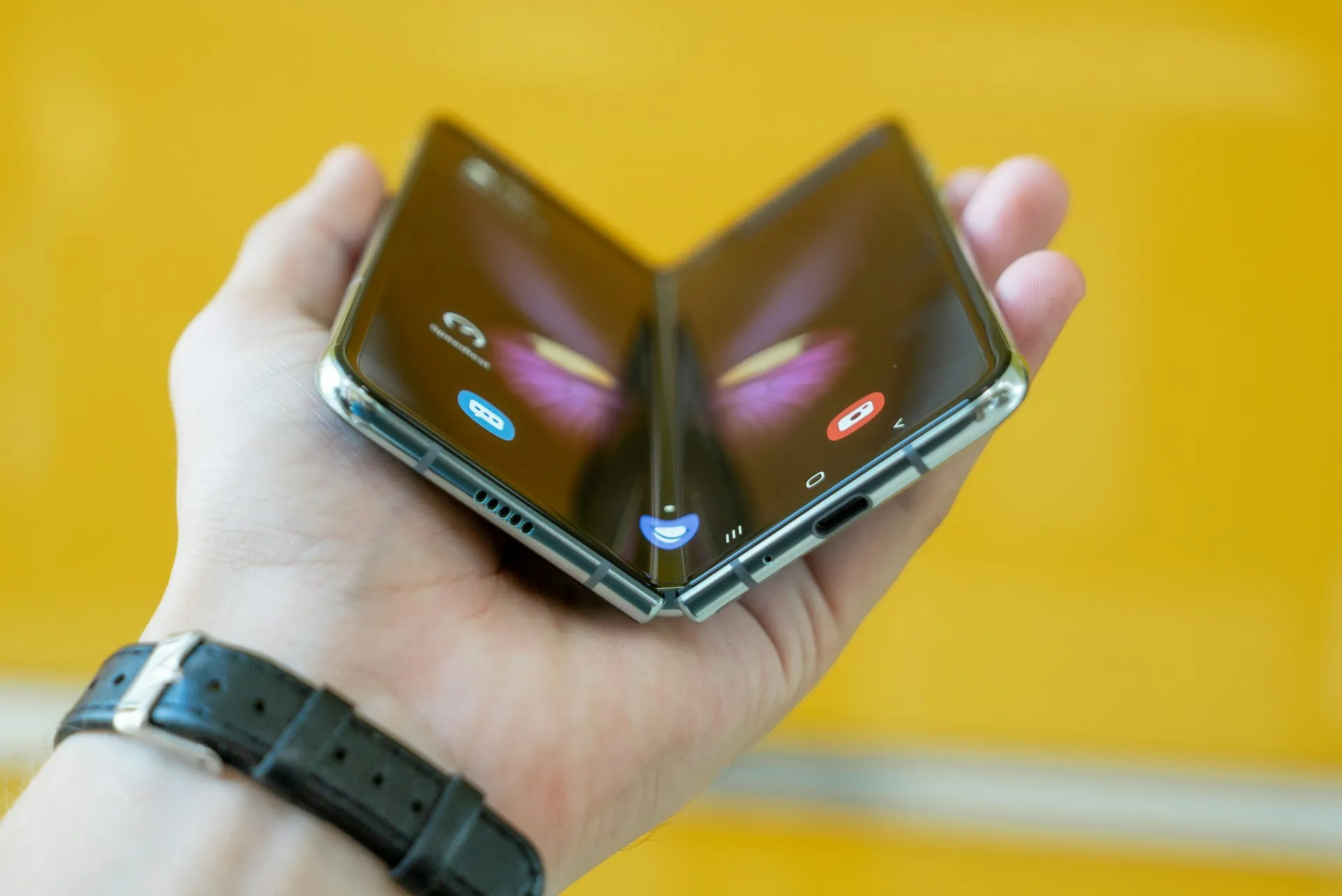
The smartphone world is about to experience something we haven't seen since, well, the iPhone itself first launched. Foldable phones have been kicking around for years as expensive curiosities—impressive tech demos that most people admired from afar but never seriously considered buying. But here's what's fascinating: the market is positioned for a complete transformation that could finally push foldables from niche gadget to mainstream necessity.
The foldable smartphone market, currently valued at around $34.65 billion, is projected to nearly triple to $89.54 billion by 2032, according to Verified Market Research. What's really catching attention, though, is IDC's forecast of an explosive 30% year-over-year growth specifically in 2026, as reported by Qoo10. That's not gradual adoption—that's a seismic indication that the category is ready to break through the barriers that have kept it in early adopter territory.
So what's driving this sudden optimism? Three major developments are converging to create what might be the perfect storm for foldable success, each addressing the fundamental challenges that have held the category back.
The durability problem is finally solved
Remember the original Samsung Galaxy Fold launch in 2019? Reviewers got their hands on early units and within days, screens were breaking, hinges were failing, and the whole concept seemed like a premature experiment. Those dark days feel like ancient history now, thanks to engineering breakthroughs that have fundamentally transformed the reliability equation.
The latest generation of foldable phones has overcome the fragility issues that plagued early models with some genuinely impressive advances. Samsung's Galaxy Z Fold 7 feels like a quantum leap in durability—displays are now rated to withstand 500,000 folds, which is double the endurance of previous generations, reports Engadget. We're talking about a device you could fold and unfold roughly 137 times every single day for ten years before hitting that limit. This durability breakthrough means consumers can finally treat foldables like regular phones, opening markets beyond tech enthusiasts to mainstream users who prioritize reliability over novelty.
But it's not just Samsung pushing boundaries. Google's Pixel 10 Pro Fold has achieved something that seemed impossible just a few years ago—it's the first book-style foldable to earn an IP68 rating for dust and water resistance, according to ZDNet. This represents a coordinated industry evolution where manufacturers are simultaneously solving different pieces of the durability puzzle, creating a new baseline for consumer confidence.
The transformation goes deeper than just surface improvements. Modern foldables incorporate ultra-thin glass (UTG) and advanced polymer materials that dramatically improve resilience while actually reducing manufacturing costs, notes TechSci Research. Samsung's completely re-engineered Armor FlexHinge mechanism uses materials and engineering approaches that would have been prohibitively expensive or technically unfeasible just a few generations ago.
This durability revolution enables entirely new use cases that were previously unthinkable: taking foldables to the beach, using them outdoors without anxiety, or even considering them for family sharing scenarios where devices face heavier wear. The psychological barrier of treating these devices as delicate prototypes has been completely eliminated.
Apple's entry changes everything
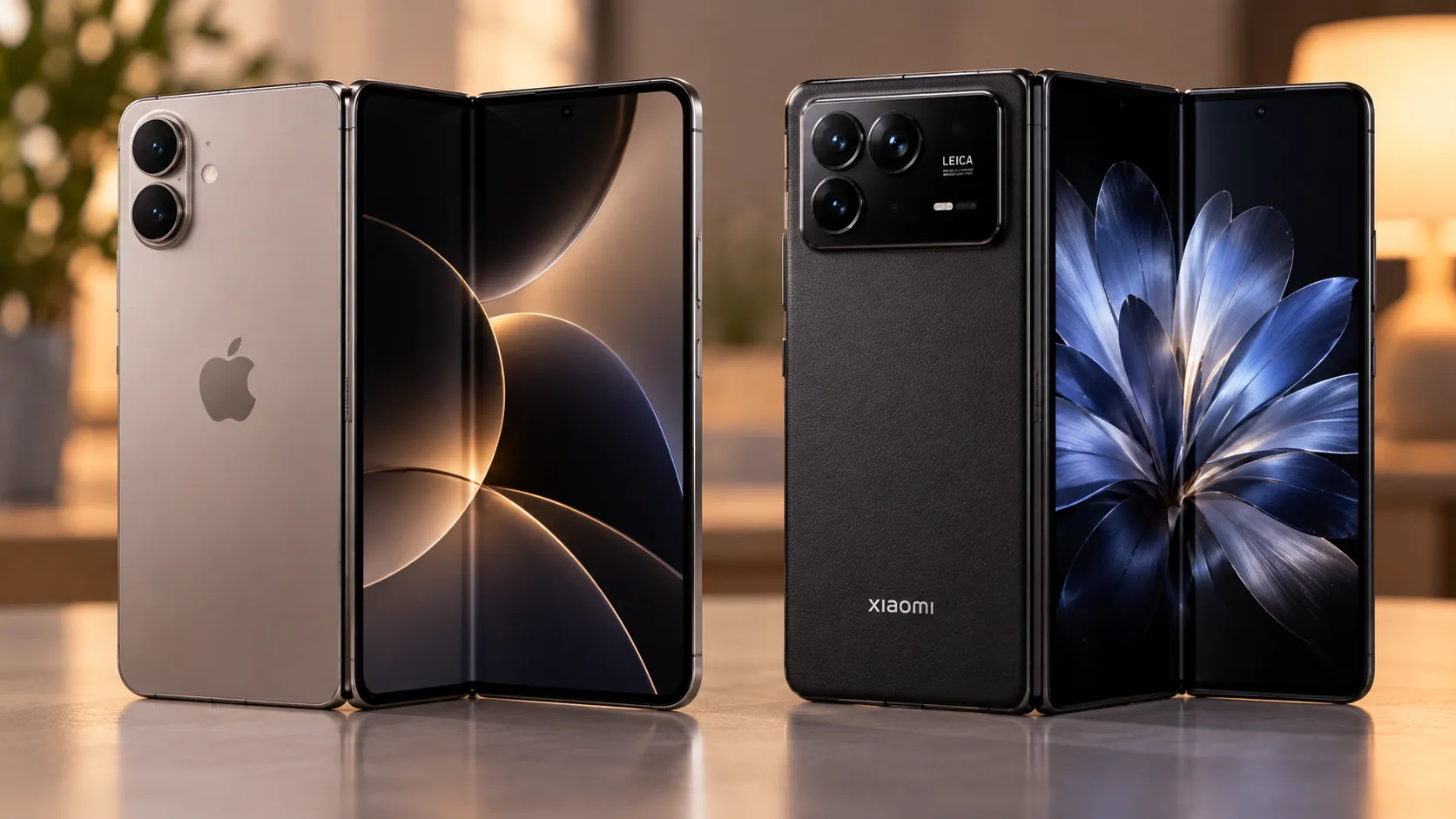
Here's the thing about Apple: when they enter a product category, they don't just participate—they legitimize it for millions of consumers who were sitting on the sidelines. Multiple supply chain reports and analyst forecasts point to Apple launching its first foldable iPhone by late 2026, according to Apple Magazine, and this isn't just another competitor joining the fray. It's a market validation event that historically transforms entire product categories.
The projected impact reveals why Apple's entry matters beyond just market share. IDC estimates Apple will capture over 22% of global foldable unit shipments and 34% of the segment's total market value in its debut year, reports Gadgets360. With an estimated retail price of approximately $2,400, the foldable iPhone will command premium positioning while triggering the psychological shift that makes foldables socially acceptable to the millions of iPhone users who've been watching the category develop from the sidelines.
This psychological transformation will likely drive app developers to finally prioritize foldable-optimized experiences, solving one of the category's biggest software challenges that has persisted despite hardware improvements. When Samsung releases a folding phone, tech enthusiasts pay attention. When Apple releases a folding phone, everyone pays attention—including the developer ecosystem that needs to create compelling software experiences.
What's fascinating is how Apple's expected entry is already reshaping competitor strategies before the device even launches. Samsung plans to launch its Galaxy Z Trifold in early 2026, while Huawei expects to nearly double its foldable shipments with HarmonyOS Next-powered devices, according to IDC data via Qoo10. This competitive positioning means 2026 buyers will have more refined options across price points than ever before, creating the breadth of choice that typically signals mainstream category maturation.
Technology maturity meets market readiness
The convergence of several technological advances is creating an ecosystem where foldables finally make practical sense for everyday users, with each improvement reinforcing the others to accelerate adoption beyond what any single factor could achieve. Flexible OLED display technology has reached a maturity level where screens are both more durable and more affordable to produce, while 5G integration enhances the appeal of larger-screen devices for productivity and entertainment, notes TechSci Research.
Software optimization reaching this tipping point means the hardware improvements in durability and manufacturing scale can finally translate into mainstream user experiences. Samsung's One UI 8, launched alongside the Galaxy Z Fold 7 and Z Flip 7, represents the first time foldable devices shipped with Android 16 out of the box, delivering enhanced AI integration and multitasking capabilities specifically designed for flexible displays, according to Samsung. Developers are embracing the form factor's unique possibilities, with productivity apps now treating the fold as a natural multitasking boundary rather than a limitation to work around.
Manufacturing scale is also finally reaching efficiency levels that enable broader market penetration. Major brands, including Samsung, Huawei, Motorola, Xiaomi, Oppo, and Google, are all heavily investing in R&D and production capacity, reports Verified Market Research. This competition is driving innovation while simultaneously reducing costs, creating a virtuous cycle where improved accessibility leads to higher volumes, which further reduce costs and enable even more innovation.
Form factor innovation is moving beyond engineering showcases to practical benefits for real users. Samsung's Galaxy Z TriFold introduces new display technology for a 10-inch screen that folds twice into a pocketable phone, while manufacturers experiment with designs like tri-fold and rollable displays, according to TechSci Research. These aren't just technology demonstrations—they're testing grounds for use cases like mobile workstations and portable entertainment systems that could redefine how we think about mobile computing.
Why 2026 marks the tipping point
The data tells a compelling story about why 2026 represents foldables' breakout moment rather than just another incremental growth year. After experiencing their first market decline in 2025, foldable shipments are projected to surge with a compound annual growth rate of 17% through 2029—far outpacing traditional smartphones, according to IDC via Qoo10. This trajectory suggests we're witnessing the classic adoption curve inflection point where a technology transitions from early adopter curiosity to mainstream demand.
While 30% unit growth is impressive, the revenue impact tells the real story about why this transformation matters for the entire smartphone industry. Foldable devices command average selling prices approximately three times higher than standard smartphones, making them critical value drivers for manufacturers facing declining margins in traditional segments, reports IDC via Gadgets360. By 2029, foldables are forecast to represent over 10% of the global smartphone market value despite remaining a smaller percentage of total unit shipments, notes Digitimes. This means foldables are becoming profit centers that can sustain R&D investment for the next generation of innovations.
Consumer behavior patterns also suggest readiness for widespread adoption beyond just premium segments. The Asia-Pacific region continues to dominate foldable adoption due to tech-savvy populations and strong brand partnerships, while North America and Europe show rapidly growing interest in premium device formats, according to TechSci Research. Importantly, people are discovering that having a phone that transforms into a mini tablet actually changes how they work, consume media, and interact with their devices—the form factor is solving real problems, not just showing off engineering prowess.
The converging factors of improved durability, expanded software support, competitive pricing pressure, and Apple's market entry create conditions that haven't existed since the smartphone revolution began. These elements reinforce each other: durability improvements build consumer confidence, software maturity enables new use cases, Apple's entry validates the category, and competitive pressure drives accessibility—each factor accelerating the others in a self-reinforcing cycle of adoption.
The foldable phone "failure" narrative is about to become ancient history. 2026 isn't just another year in mobile technology—it's the moment when folding devices finally fulfill their promise of revolutionizing how we interact with smartphones. For manufacturers, developers, and consumers alike, the question isn't whether foldables will succeed, but how quickly you'll adapt to the new reality they're creating.







Comments
Be the first, drop a comment!