





Reviewed by: Y. Garcia
The smartphone industry has seen countless attempts to break free from the endless scroll of modern mobile devices, but few companies have taken such a bold step backward — or perhaps forward — as Clicks. This BlackBerry keyboard case company has now unveiled their first standalone smartphone, the Communicator, and it's generating significant buzz for all the right reasons.
What we're looking at here represents a fundamental shift in mobile philosophy: instead of competing on screen size or processing power, Clicks is betting on tactile satisfaction and intentional design. The device draws clear inspiration from classic BlackBerry design with its wedge-shaped form factor and swappable rear panels, according to 9to5Google. What makes this particularly interesting is that it comes from a company founded by BlackBerry enthusiasts who specifically wanted to bring physical keyboards back to modern devices, as reported by Liliputing.
The timing couldn't be better, as the company was created by a former BlackBerry designer who clearly understands what made those devices special, notes CNET. That experience shows in how thoughtfully they've approached modern implementation — this isn't just nostalgia, it's applying proven ergonomic principles to solve current mobile frustrations.
What makes the Communicator different from every other phone?
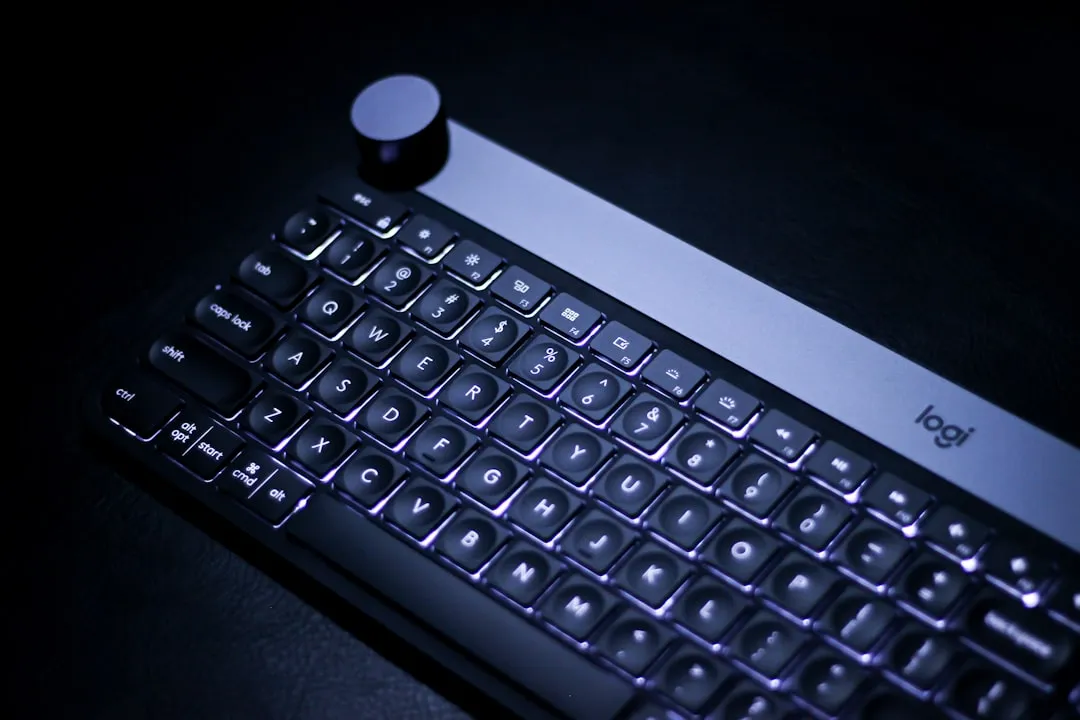
Let's break down what sets this device apart from the sea of glass rectangles dominating today's market. The Communicator sports a compact 4.03-inch square-ish touchscreen paired with a physical QWERTY keyboard, according to 9to5Google. Now here's where the engineering gets interesting — the keyboard keys are notably 30% larger than those found on Clicks' existing keyboard cases, making thumb typing significantly more comfortable, reports CNET. This size increase addresses one of the biggest complaints about mobile physical keyboards: cramped key spacing that leads to typing errors and finger fatigue.
Beyond keyboard ergonomics, the device includes features that demonstrate a commitment to user control rather than manufacturer convenience: a customizable notification LED, microSD card slot, and yes, even a 3.5mm headphone jack, notes 9to5Google. Each of these represents a conscious decision to prioritize functionality over the minimalist aesthetics that have driven most manufacturers to remove useful features.
At just 170 grams, the device achieves something remarkable: it feels substantial enough to inspire confidence while remaining light enough for extended one-handed use — a critical balance for a device designed around frequent messaging.
The philosophy behind intentional mobile experiences
Here's where things get really interesting — Clicks isn't trying to compete with flagship smartphones on specs or screen size. Instead, they're targeting users who feel overwhelmed by the attention-grabbing design of modern devices. The company aims to foster healthier relationships with smartphones and reduce the exhaustion that comes from constant connectivity, according to 9to5Google.
This philosophy manifests in their custom software implementation. The device features a streamlined version of Niagara Launcher designed to guide users toward more productive uses of their time, reports 9to5Google. Rather than the app-dense home screens and endless scrolling feeds that characterize modern smartphones, the Communicator prioritizes quick access to messaging, email, notes, and productivity tools, notes The Gadget Flow.
The result is a device that actively discourages the kind of mindless engagement that keeps users tethered to their phones. Instead of optimizing for time-on-device metrics, Clicks has optimized for time-to-task-completion — a fundamentally different approach that could reshape how we think about mobile productivity.
Who exactly is this device targeting?
The Clicks co-founders have been refreshingly honest about their target market — this isn't meant to be everyone's primary phone. This honesty matters because it allows them to optimize for specific use cases rather than trying to satisfy every possible user need. The device is specifically designed for people who write extensively on their phones and are frustrated with typing on glass, according to The Gadget Flow.
Think about the professionals who compose lengthy emails during commutes, content creators who draft social media posts throughout the day, or anyone managing group communications across multiple platforms. These users often find themselves spending significant time correcting autocorrect errors or struggling with touchscreen accuracy when typing quickly. It's also aimed at users seeking a more intentional secondary device for messages and work, particularly those who miss the tactile satisfaction of physical input, reports The Gadget Flow.
The company positions it as a dedicated tool for focused work sessions — imagine pulling out your Communicator for a conference call to take notes, or using it during evening hours when you want to stay connected but avoid the visual overwhelm of your primary device, notes 9to5Google.
The technical specs that actually matter
While the Communicator deliberately avoids the spec race, it still packs respectable hardware tailored to its core mission. The device runs Android 16 with five years of security updates and includes global 5G support, making it a fully capable modern smartphone, according to CNET.
The camera setup supports the device's communication focus — it features a 50-megapixel rear camera and 24-megapixel front camera, which provides enough quality for document scanning, video calls, and sharing visual information during conversations, reports CNET. The substantial 4,000mAh battery capacity becomes particularly impressive when you consider the device's compact size and efficient processor designed for communication tasks rather than gaming or intensive media consumption.
Perhaps most importantly for power users, the device includes 256GB of onboard storage with microSD expansion support up to 2TB, plus both physical SIM and eSIM capabilities, notes Liliputing. This storage flexibility supports users who prefer local file management and want complete control over their data — another nod to the user autonomy theme running throughout the device's design.
Smart features that enhance the messaging experience
The Communicator includes several thoughtful touches that show the designers really understand their target audience's workflows. There's a dedicated Prompt Key on the side that handles voice-to-text recording and can transcribe messages or record meetings, according to CNET. This isn't just another voice assistant button — it's specifically designed to accelerate communication tasks, whether you're quickly dictating a response while walking or capturing meeting notes without interrupting the conversation flow.
The notification LED wraps around this Prompt Key and can be customized to glow different colors for specific contacts or apps, making it easy to see important messages at a glance, reports Liliputing. This visual triage system means you can quickly distinguish between urgent work messages and social notifications without unlocking the device — a small feature that could significantly reduce the number of times users get pulled into unproductive phone interactions.
Perhaps most cleverly, the keyboard supports touch-sensitive gestures, allowing users to scroll through content without moving their thumb to the screen, notes The Gadget Flow. This seemingly minor detail could dramatically improve reading efficiency when reviewing long email threads or message conversations, keeping users in their optimal thumb position for quick responses.
Pricing and availability that makes sense
Clicks has taken an interesting approach to pricing that reflects both the device's secondary-phone positioning and the realities of niche market production. The Communicator will retail for $499 when it launches later in 2026, but early reservations starting at $199 bring the effective price down to $399, according to Digital Trends.
This pricing strategy acknowledges that early adopters are taking a risk on an unproven product category while also building a committed user base before mass production. At $399, the device costs significantly less than flagship smartphones while targeting users who likely already own a primary device. For those willing to pay the full $399 upfront, the company includes two interchangeable back covers for free, reports 9to5Google.
The device will be available in three finishes: Clover Green, Smoke White, and Onyx Black, giving users some personalization options, notes Digital Trends. The limited color palette keeps production costs manageable while still allowing individual expression — another example of thoughtful constraint that serves both business and user needs.
Where does this fit in the broader mobile landscape?
What Clicks is attempting here feels almost revolutionary in its simplicity — they're not trying to win with bigger screens or louder specifications, but with input quality, focus, and tactile satisfaction, according to The Gadget Flow. This approach represents a stark contrast to the current mobile industry trend, where devices are becoming increasingly minimal and uniform, reports Globe Newswire.
The broader implications extend beyond just keyboard preferences. Clicks is essentially arguing that the mobile industry's consolidation around a single device form factor — the large touchscreen slab — has left many user needs unmet. By creating a device optimized for specific tasks rather than general consumption, they're opening space for other companies to explore specialized mobile experiences.
If BlackBerry represented email liberation in the early 2000s, Clicks is positioning the Communicator as liberation from attention-economy design patterns that prioritize engagement over productivity, notes The Gadget Flow. The key strategic difference is that BlackBerry eventually tried to compete directly with the iPhone's multimedia capabilities and lost. Clicks appears smart enough to stay focused on their core value proposition rather than feature-creeping their way into commodity smartphone competition.
The bottom line: Clicks has identified a genuine gap in the market for users who want more intentional, focused mobile experiences. Whether there are enough of these users to sustain a niche product remains to be seen, but the company's clear vision and thoughtful execution suggest they understand exactly who they're building for — and more importantly, who they're not. In a world of devices trying to be everything to everyone, there's something genuinely appealing about a phone that knows exactly what it wants to be and executes that vision without compromise.







Comments
Be the first, drop a comment!