



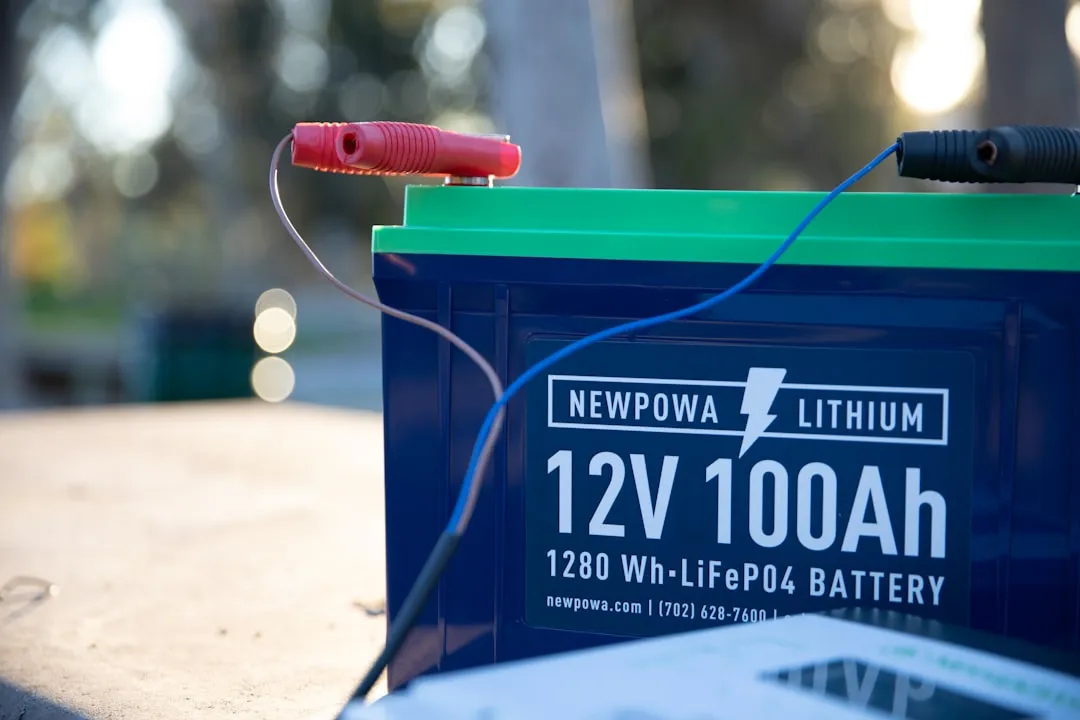
When you're shopping for a new smartphone, you're probably weighing dozens of factors—camera quality, storage space, display brightness, and processing power. But let's be honest: none of that matters much if your phone dies halfway through the day. The eternal smartphone dilemma boils down to two critical specs that directly impact your daily experience: how long your battery lasts and how quickly it charges when it's running low.
Here's what makes this debate particularly interesting right now. Modern smartphones have made remarkable strides in both areas, with average battery capacity jumping from 2,500mAh in 2015 to over 4,500mAh in 2023. Meanwhile, fast-charging technology has slashed charging times from 90 minutes in 2015 to under 30 minutes in 2023. But which advancement actually makes a bigger difference in your day-to-day life?
The answer isn't as straightforward as you might think. Your usage patterns, lifestyle, and even your tolerance for carrying charging cables all play into this equation. Let's break down what really matters when it comes to keeping your phone powered up and ready for action.
Why battery capacity isn't the whole story
When most people think about battery life, they immediately look at the mAh number—and it's easy to see why. Bigger numbers usually mean better performance, right? Well, not exactly. Total battery capacity is only one factor influencing actual device longevity, and the reality is much more nuanced than a simple spec sheet comparison.
Consider this: the highest number of milliampere hours (mAh) doesn't always translate to the longest battery life. A phone's actual endurance depends on a complex interplay of factors. Efficient processors and screen settings are crucial for maximizing battery performance, often making more difference than raw battery size.
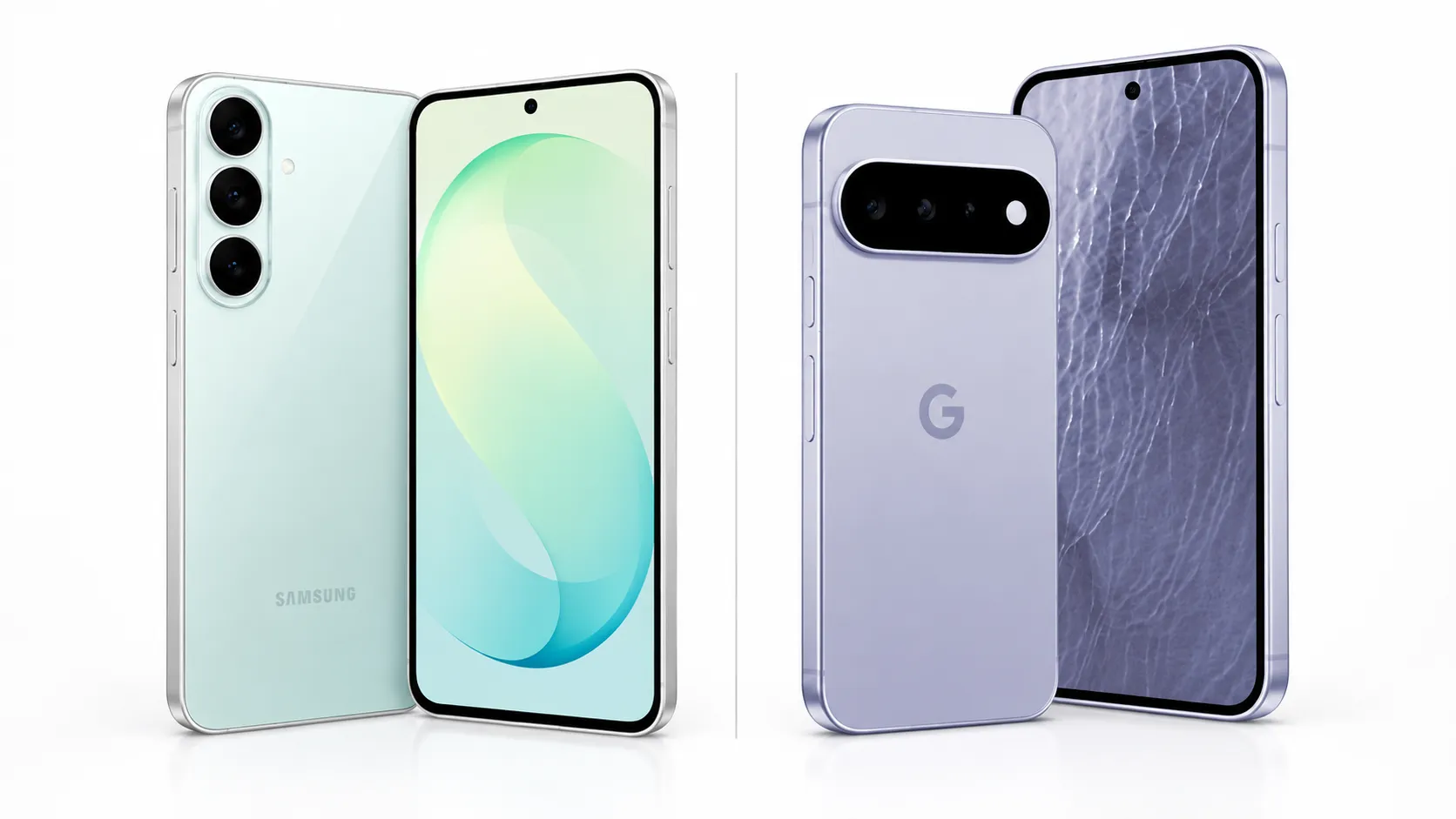
Take the iPhone as a perfect example. Despite having a 4,685mAh battery, the iPhone 16 Pro Max's efficient iOS software makes it last two full days of moderate use. Meanwhile, some Android phones with larger 5,000mAh+ batteries might struggle to make it through a single demanding day. Software plays an important role, with Apple's iOS known to be more frugal with energy than Google's Android.
The real kicker? Your usage patterns matter more than you might think. A phone streaming a video saved to local memory will last longer than a phone exporting a 30-minute 4K video. And a phone streaming Spotify to a car on a road trip (with the screen off) will last longer than both. The lesson here: context is everything.
Understanding these efficiency factors becomes crucial when comparing phones. The main things that will chew up your battery the fastest are the screen and the processor. This means screen brightness, display resolution, and whether the display adjusts the refresh rate according to the task all impact battery life, alongside how the internal electrical components, or system on chip (SoC), can run more or less efficiently, affecting battery longevity.
The charging speed revolution is changing the game
While battery capacity improvements have been steady, charging technology has absolutely exploded in recent years. We're not just talking about minor improvements—this is a fundamental shift in how we think about phone power management.
The numbers tell an impressive story. Fast-charging technology has improved, reducing smartphone charge times from 90 minutes in 2015 to under 30 minutes in 2023. Some manufacturers are pushing even harder: phones with silicon-carbon batteries can be charged in an hour with 90W or 100W charging.
Take the OnePlus 15, which showcases what's possible with modern fast charging. The OnePlus 15 offers more than the highest battery life, as you're also getting 120W (China/global) / 80W (some US variants) SuperVOOC wired charging, depending on market. Independent reviews report rapid top-ups (e.g., ~45%–68% at 15–30 minutes depending on charger and region); full times vary.
But here's where it gets really interesting: fast charging is fundamentally changing user behavior. Instead of worrying about making your battery last all day, you can top up during short breaks. Grabbing coffee? That's enough time to add hours of usage. Even more impressive, the OnePlus 13's 80W wired charging can power it from 0% to 50% within 13 minutes.
The technology behind this revolution is fascinating. Advanced charging algorithms like the MMSCC-CV-PSO approach achieved a considerable reduction in battery charging time compared to traditional methods. Smart monitoring of voltage, current, and temperature enables chargers to precisely regulate power flow, preventing unnecessary helping to reduce strain on the cells.
What's particularly noteworthy is how this addresses traditional charging concerns. Modern fast-charging systems are remarkably sophisticated, with smart chargers mitigate the risk by regulating temperature, charge curves, and depth of charge. This means you get blazing speeds without sacrificing long-term battery health—a win-win for daily users.
Finding the sweet spot: when both specs work together
Here's the thing: this doesn't have to be an either-or decision. The best smartphones of 2025 are proving that you can have exceptional battery life AND blazing-fast charging speeds. It's not about choosing one over the other—it's about finding devices that excel at both.
The latest flagship phones are setting new benchmarks by combining massive batteries with intelligent charging systems. The OnePlus 15 sets a new benchmark for battery life in 2025, thanks to its huge 7,300 mAh battery and efficient Snapdragon 8 Elite Gen 5 chip has published/benchmarked long runtimes; reviewers report multi-day use in typical scenarios (test results vary by lab). But it doesn't stop there—it also delivers that impressive 80W fast charging capability.
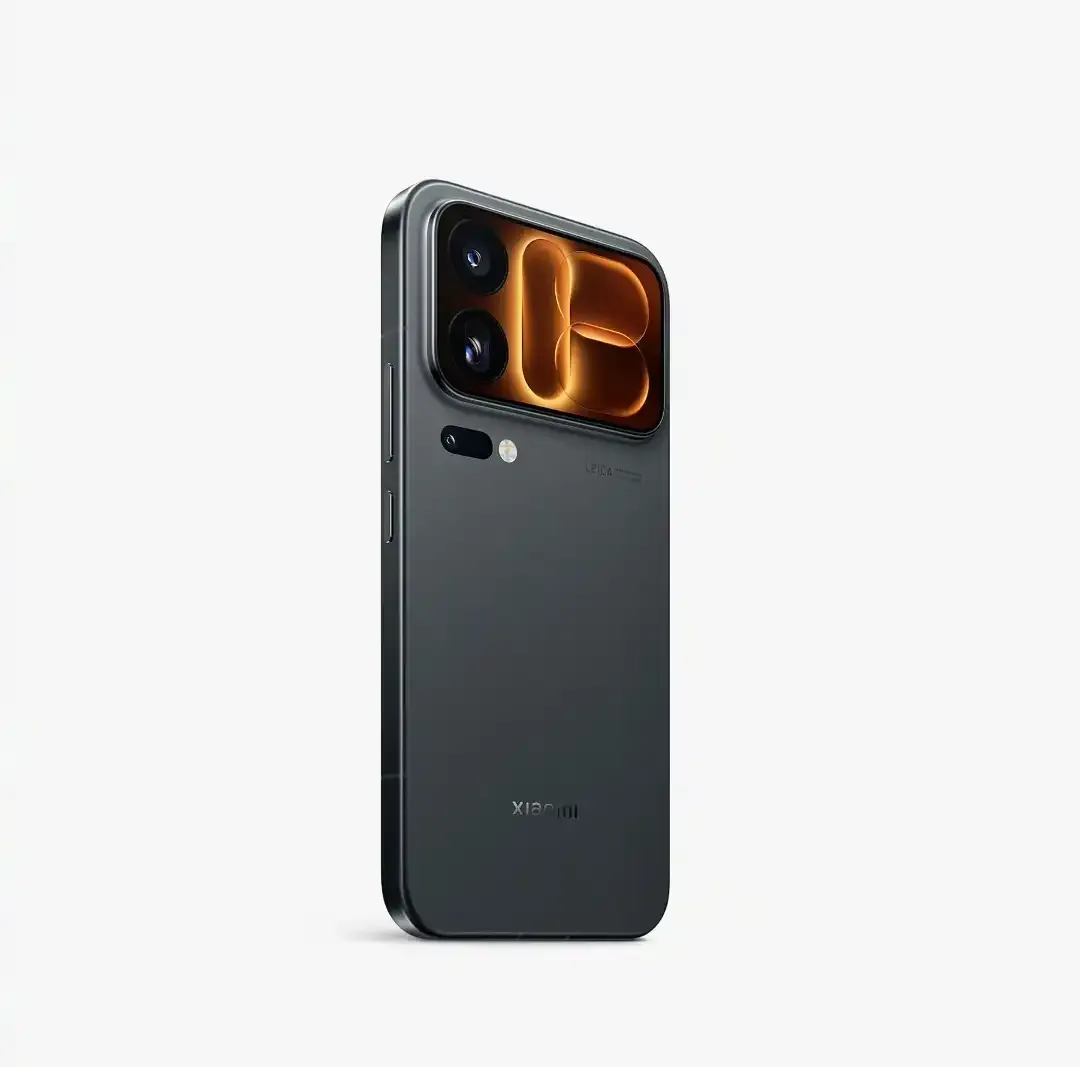
This trend isn't limited to OnePlus. Chinese phone brands are adding larger batteries, 7,000mAh or larger, while simultaneously pushing charging speeds higher. The Xiaomi 17 Pro Max and Find X9 Pro have 7,500mAh batteries, paired with fast charging capabilities that can fully power these massive batteries in about an hour.
The secret sauce? New battery technologies and more efficient chipsets, phones are lasting longer than ever, whether they're budget devices from Motorola or high-end flagships like the iPhone 17 Pro models. Silicon-carbon battery technology is particularly game-changing: phones with silicon-carbon batteries can have bigger batteries without material difference in size or weight.
We're reaching a pivotal moment where battery anxiety is becoming obsolete. The combination of larger capacities and ultra-fast charging means you're covered whether you want all-day endurance or quick power-ups throughout your day.
What this means for your next phone purchase
Bottom line: you shouldn't have to choose between battery life and charging speed anymore. The best phones deliver both, and that's exactly what you should demand for your money. But if you absolutely had to pick one priority, here's how to think about it.
Choose battery life if you're frequently away from power sources, travel often, or simply hate the anxiety of a dying phone. With today's technology, phones can reliably last two days between charges, giving you peace of mind for extended trips or busy days where plugging in isn't an option.
Prioritize charging speed if you have consistent access to power outlets and prefer the flexibility of quick top-ups throughout the day. The demand for better, longer-lasting, and faster-charging batteries in consumer electronics is rising every year, and manufacturers are responding with increasingly impressive solutions that fit seamlessly into modern lifestyles.
But here's what I'd really recommend: look for the phones that nail both specs. Take the OnePlus 15, for example—That makes it among the first widely-available phones in the U.S. to credibly offer two-day battery life for many users, according to reviewers, while also delivering that lightning-fast charging when you do need a top-up.
PRO TIP: Look for phones that offer both large batteries (6,000mAh+) and fast charging (65W+). These devices give you the best of both worlds—excellent all-day battery life with the peace of mind that comes from rapid charging when needed. The smartphone industry has reached a point where you don't need to compromise on either spec, so why settle for less?







Comments
Be the first, drop a comment!