



Reviewed by: Y. Garcia
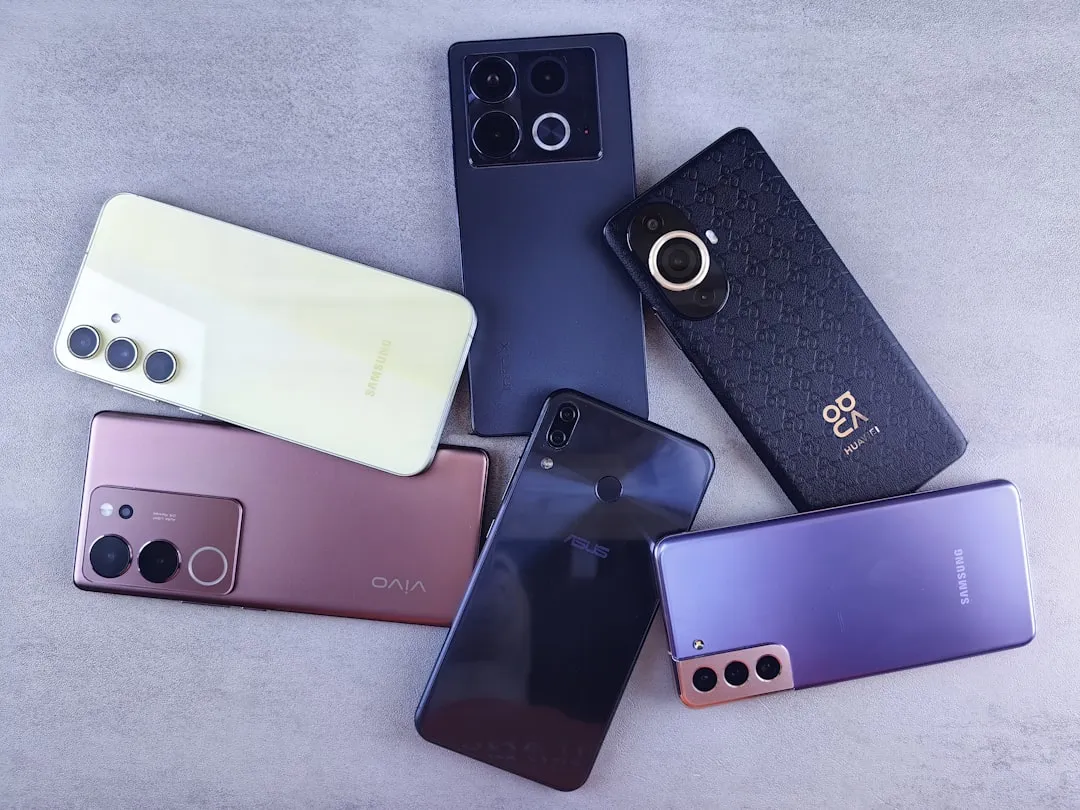
The smartphone world just lost one of its most intriguing voices, and honestly, it stings more than I expected. ASUS recently confirmed they won't be launching any new smartphones in 2026 (Tom's Guide), marking what could be the end of an era for both their mainstream Zenfone series and gaming-focused ROG Phone lineup. While the company maintains this is just a temporary pause and promises continued support for existing devices (Android Police), the writing feels pretty clear on the wall. After sustaining losses in mobile for over two decades without achieving profitability (Digitimes), ASUS appears to be stepping back from the smartphone battlefield at exactly the wrong time for Android diversity.
The compact phone dream dies with ASUS
Here's what really gets me: the Zenfone 10 represented one of the last bastions of truly compact Android phones (Tom's Guide). In a world where every manufacturer seems obsessed with making phones the size of small tablets, ASUS actually listened to users who wanted flagship performance in a pocketable package. That little 5.9-inch beauty packed serious hardware - we're talking Snapdragon 8 Gen 2, up to 16GB of RAM, and a gorgeous 144Hz AMOLED display, all starting at $699.99.
But here's where things started going sideways. The company's pivot to larger displays with the Zenfone 11 and 12 Ultra already signaled they were abandoning their unique market position (Android Headlines). These newer models essentially matched the ROG Phone's core design, ditching what made Zenfones special in the first place (Android Headlines). This strategic shift suggests ASUS was chasing mainstream appeal rather than serving the underserved compact phone market - a decision that likely contributed to their current predicament by competing directly against volume leaders like Samsung without the scale advantages.
Now, with no 2026 updates planned, the chances of seeing another compact Zenfone look practically nonexistent (Tom's Guide). For those of us who've been holding onto hope for truly pocketable Android flagships, this feels like the final nail in the coffin. Sure, there's always the iPhone mini series... oh wait, Apple killed that too.
Gaming phones lose a pioneer
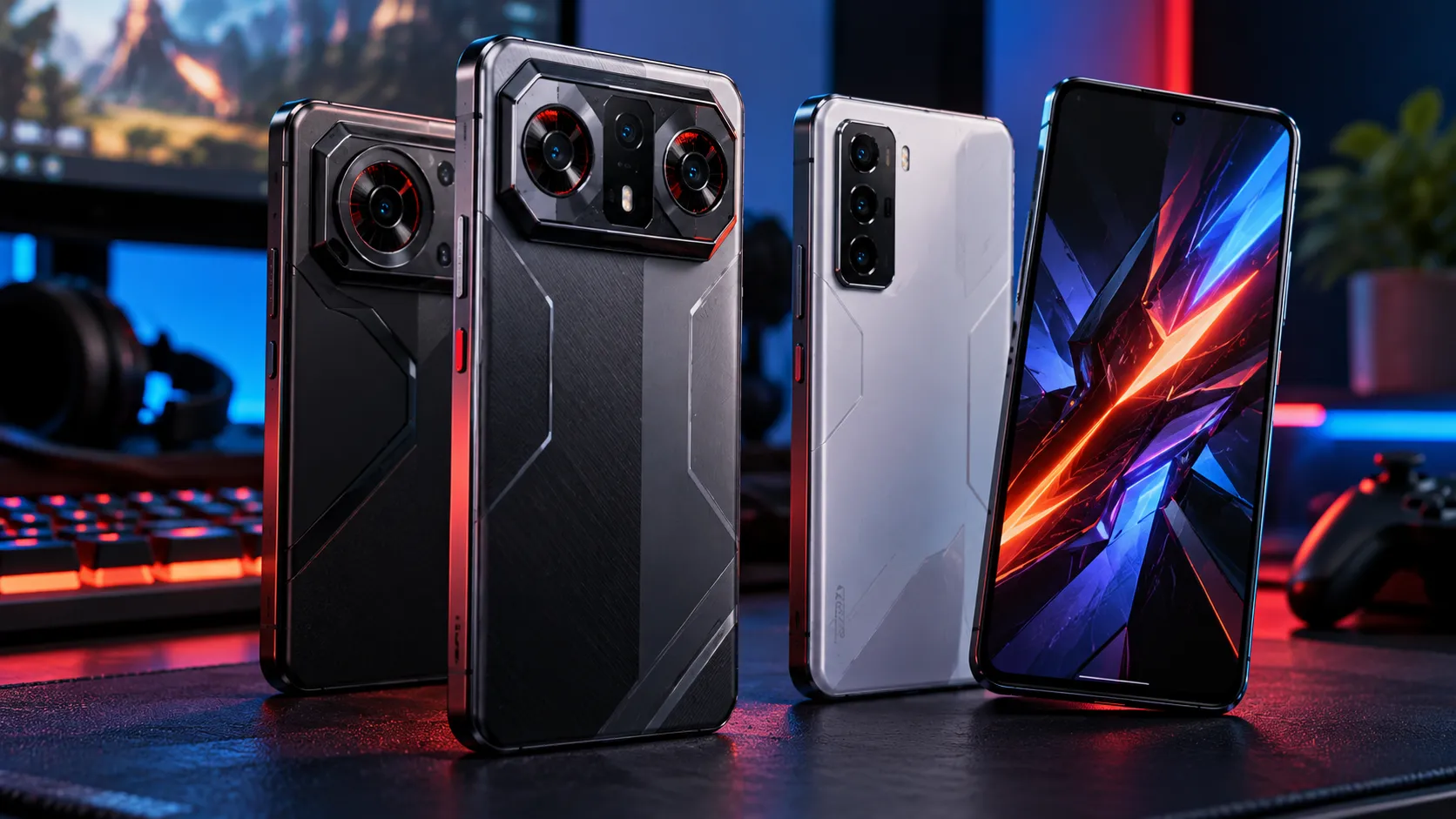
ASUS pioneered the gaming phone category when they launched the original ROG Phone back in 2018 (Notebook Check). Having tested several ROG phones over the years, I can tell you they didn't just slap "gaming" on a regular phone and call it a day. These devices brought genuine innovation - advanced cooling systems that actually kept throttling at bay during extended sessions, customizable trigger buttons that felt responsive and well-placed, and an entire ecosystem of accessories that could transform your phone into a handheld gaming rig.
The ROG Phone 9 series launched in late 2024 (with a 2025 follow-up variant), showcasing all the gaming-focused components and Republic of Gamers branding that made these devices stand out (Tom's Guide). But with no new models planned for 2026 and none planned for 2026 (Notebook Check), the series appears to have reached game over.
This leaves mobile gaming enthusiasts in a tough spot. While competitors like Red Magic and Black Shark have entered this space, they often focus on raw specs over the holistic gaming experience ASUS perfected. The ROG ecosystem wasn't just about powerful chips - it was about understanding what mobile gamers actually needed, from precise cooling solutions to accessory integration that competitors still struggle to match.
Market realities hit hard
Let's be real about why this happened: ASUS never achieved the scale needed to compete effectively in today's smartphone market. The numbers tell a brutal story - the company holds just a tiny 0.26% share of the global smartphone market (Tom's Guide). When you're operating at that scale, rising component costs like increased memory prices (Phandroid) become impossible to absorb, while volume leaders like Samsung and Xiaomi can negotiate better supplier terms and spread development costs across millions more units.
ASUS clearly communicated to telecom partners that they won't be releasing new Android smartphones this year (NewsBytes), suggesting this decision came after careful consideration of market dynamics rather than a sudden panic move. The writing was already on the wall when they scaled back to just two smartphone launches in 2025: the Zenfone 12 Ultra and ROG Phone 9 series (Android Headlines).
Their niche focus on premium and gaming devices, adopted after a massive restructuring in 2018 following a crushing NT$6 billion write-down (Phandroid), simply couldn't generate the volume needed to stay competitive. The company's limited availability in key markets didn't help either - their ROG and Zenfone lineups always served specialized audiences rather than mainstream consumers (Android Police). This mirrors their 2016 mainstream pullback, when they stepped away from budget phones to focus on laptops and gaming hardware, showing a pattern of retreating when margins get squeezed.
What we're really losing here
This isn't just about one manufacturer stepping back – it's about the continued homogenization of Android. ASUS brought genuine innovation to the table, from flip cameras to compact flagship designs to serious gaming hardware. Remember when they actually tried weird stuff like motorized flip cameras? Those kinds of experiments are becoming rarer as the market consolidates around a few safe designs.
The timing feels particularly cruel. Mobile gaming continues exploding in popularity, yet we're losing one of the few manufacturers that actually understood what mobile gamers wanted beyond just cramming in the latest Snapdragon chip. Meanwhile, the compact phone market remains desperately underserved, with ASUS being one of the last holdouts making flagship hardware in truly pocketable sizes.
While ASUS promises that software updates, warranty services, and after-sales support will continue for existing devices (Digitimes), and they're framing this as a pause rather than permanent exit (Android Police), history suggests otherwise. Think about it: development cycles, supply chain relationships, carrier partnerships – all of these take years to build and maintain. When you step away for even a year in this fast-moving industry, you're essentially starting from scratch when you try to return.
The mobile division staying active theoretically leaves the door open for a 2027 return if conditions improve (Phandroid), but let's be honest – once you lose momentum in smartphones, the ecosystem moves on without you. Just look at companies like HTC or LG who tried comeback attempts after scaling back.
The Android ecosystem needs more voices, not fewer
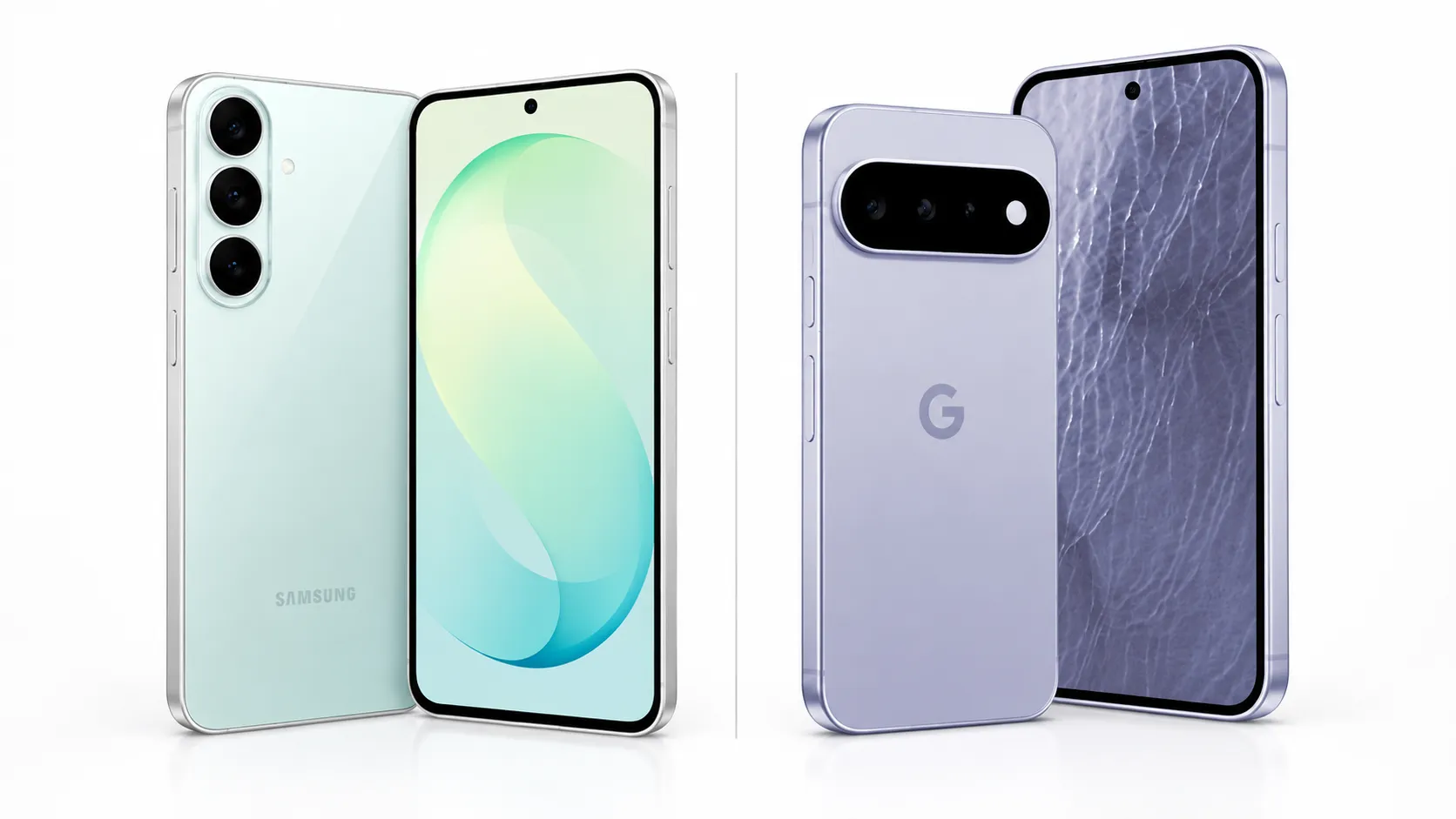
PRO TIP: If you're looking for compact Android alternatives while the market sorts itself out, keep an eye on Sony's Xperia Compact series or consider the base models from Samsung's Galaxy S lineup, which tend to be smaller than their Plus and Ultra variants.
Bottom line: We're witnessing another step toward a less diverse Android landscape, and that should worry anyone who values choice and innovation in mobile technology. ASUS may not have dominated sales charts, but they consistently pushed boundaries and served users that bigger manufacturers ignored.
The company's commitment to supporting existing devices shows they're handling this transition responsibly (Digitimes), which is more than we can say for some manufacturers who've abandoned ship entirely. But it doesn't change the fact that Android just lost one of its most creative voices.
For those of us who appreciated having alternatives to the mainstream – whether that meant truly compact phones or serious gaming hardware – ASUS's pause feels like the end of an important chapter in Android's story. Every time we lose a manufacturer willing to take risks and serve niche audiences, the entire ecosystem becomes a little more boring, a little more predictable.
The smartphone market has never been more competitive, yet somehow it feels like we have fewer real choices than ever. ASUS stepping back isn't just their loss – it's ours too.








Comments
Be the first, drop a comment!