



The smartphone arena in Asia has delivered some genuinely dramatic shifts in 2025, and the story goes far beyond simple market share numbers. With global smartphone shipments reaching 318–323 million units in Q3 2025, we're witnessing a fascinating tale of brands that doubled down on specific strengths while others struggled to find their footing in an increasingly demanding market.
What makes this year particularly compelling is how different strategic approaches have led to vastly different outcomes—and the lessons here extend well beyond Asia's borders.
The camera kings: Vivo and OPPO lead the charge
Here's what I find most impressive about 2025's winners: they didn't just improve incrementally—they identified key differentiators and executed relentlessly. Vivo exemplifies this approach perfectly. They've delivered the best cameras over the last two years, but more importantly, they've built an entire ecosystem around mobile photography excellence.
The X300 Pro has become my go-to recommendation if you want the best cameras available today, and that's not just about hardware specs. Vivo's computational photography algorithms, lens partnerships, and user interface design all work together to deliver consistently superior results. This integrated approach to camera technology represents a significant competitive moat that's difficult for rivals to replicate quickly.
But here's the strategic brilliance: Vivo didn't limit this excellence to flagship pricing. Devices like the V50 and V60 are hitting the sweet spot by bringing advanced photography features to more accessible price points. This democratization of premium camera technology expands their addressable market while building brand loyalty across multiple segments.
The software transformation proved equally crucial. By completely overhauling their software efforts in 2025 and launching OriginOS globally, Vivo eliminated one of the primary barriers that had limited their international expansion. This wasn't just a technical upgrade—it was a strategic repositioning that signals serious global ambitions.
OPPO has pursued a parallel strategy with equally impressive results. The Find X9 Pro is an outstanding device that showcases their camera-first philosophy, but their broader strategic moves tell an even more compelling story. OPPO has successfully returned to Western markets, representing not just geographic expansion but proof that their premium positioning can succeed beyond familiar territories.
Innovation leaders pushing boundaries
While camera excellence has become the foundation for success, the most forward-thinking brands are simultaneously pushing into entirely new territory. Huawei continues to demonstrate that constraints can actually fuel innovation rather than limit it. They're refusing to let trade restrictions hinder their development of exceptional devices, and the results speak to a company that's channeling adversity into technological leadership.
The tri-folding Mate XT represents something genuinely groundbreaking—it's the most innovative smartphone experience available today. This isn't just another foldable iteration; it's a fundamental reimagining of what a mobile device can be. The engineering complexity required to make a tri-folding device that's both functional and durable pushes the entire industry forward, even if mainstream adoption remains years away.
Huawei's innovation strategy extends beyond experimental form factors into practical excellence across their entire lineup. The Pura 80 Ultra has one of the best zoom lens systems around, while the Mate X7 sets new standards for foldable device cameras. This dual approach—revolutionary concepts alongside incremental excellence—creates multiple pathways for technological influence and market impact.
The ecosystem play demonstrates long-term strategic thinking. By expanding with products including the Watch Ultimate 2 smartwatch, 12-inch MatePad Pro, and premium earbuds, Huawei is building the kind of integrated experience that increases customer retention and lifetime value. This approach becomes particularly valuable when competing against companies like Apple that have perfected ecosystem integration.
Even the practical improvements matter strategically. Newer devices like the Mate X7 now offer simplified MicroG installation during setup, making Google services more accessible despite ongoing restrictions. These user experience enhancements show that innovation isn't just about flashy hardware—it's about removing friction points that might prevent customers from fully embracing your technology.
Mid-range champions finding their groove
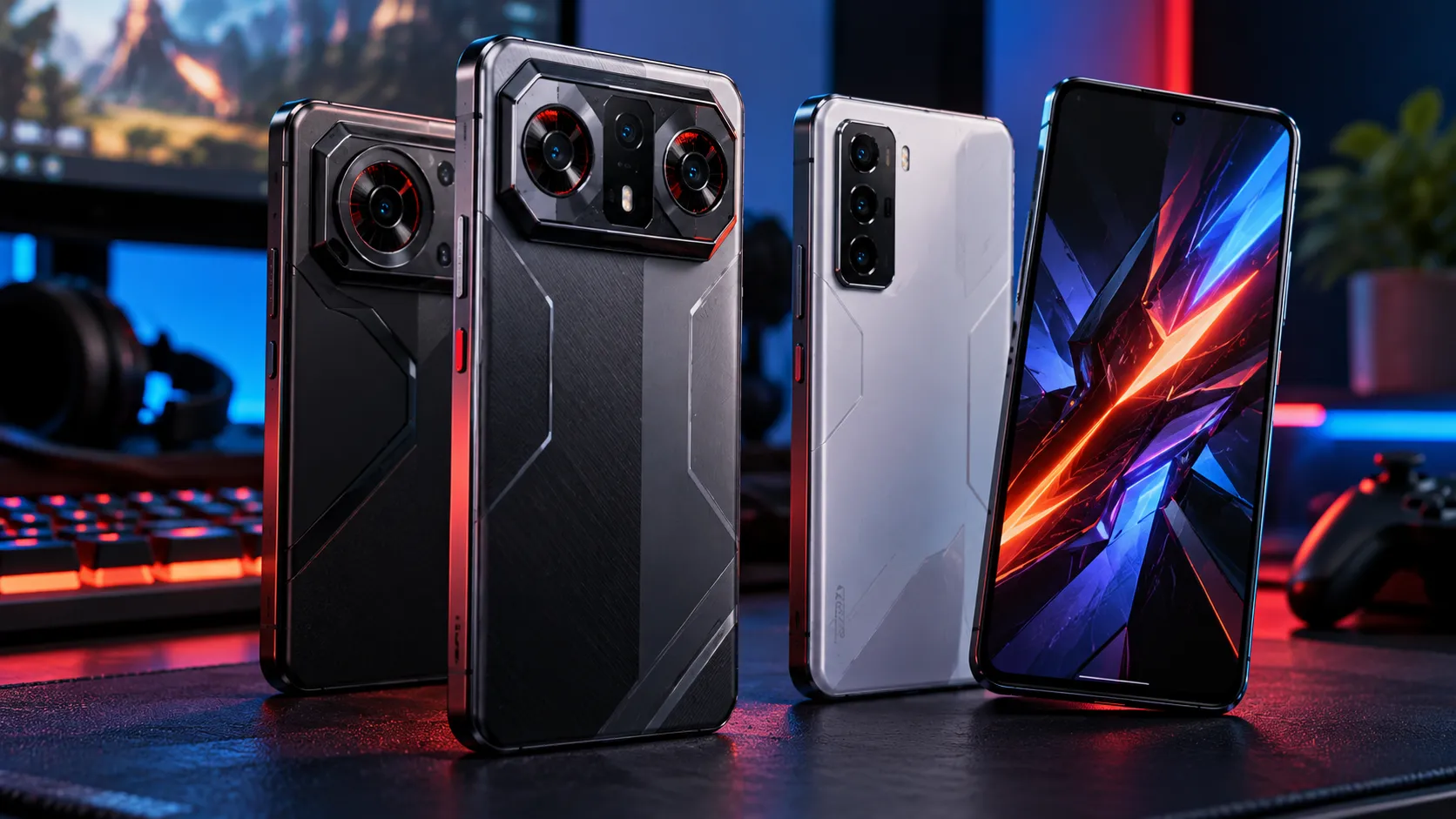
The most interesting competitive dynamics are actually playing out in the mid-range segment, where brands are discovering that successful differentiation requires more than just competitive pricing. POCO has evolved beyond its original "flagship killer" positioning to become something more sophisticated. The F7 Ultra demonstrated the brand's enhanced imaging capabilities, signaling that they understand modern consumers expect camera excellence across all price segments.
What's particularly compelling about POCO's trajectory is how the F8 Ultra positions itself as a genuine competitor to devices in the $700 price segment. This isn't just about offering more features for less money—it's about redefining value propositions and forcing premium brands to justify their pricing strategies. This type of competitive pressure benefits consumers while reshaping industry dynamics.
Realme has taken a completely different approach that's equally strategic. Their collaboration with the Aston Martin F1 team has resulted in impressive devices like the GT 7 Pro and GT 8 Pro Dream Edition. These partnerships represent more than marketing collaborations—they're about elevating brand perception and creating genuine emotional connections with consumers who want something unique and aspirational.
By positioning itself as the go-to brand for limited edition models within the BBK ecosystem, Realme has carved out a distinctive niche that doesn't require direct competition with Vivo and OPPO on their core strengths. This kind of strategic differentiation within a corporate family shows sophisticated brand management and market positioning.
The regional data validates these strategic approaches. Xiaomi reclaimed the top position in Southeast Asia for the first time since Q2 2021, shipping 4.7 million units and capturing 19% market share, demonstrating that strategic repositioning can yield tangible results. Meanwhile, TRANSSION climbed to second place with 4.5 million units and 18% market share, recording impressive 17% year-over-year growth, proving that understanding specific regional markets and consumer preferences can drive remarkable expansion.
Struggling giants face mounting challenges
The brands facing difficulties in 2025 reveal important lessons about what it takes to succeed in today's market environment. Honor's challenges are particularly instructive because they highlight how software fragmentation can undermine otherwise capable hardware. Their software development remains fragmented, with in-house solutions still showing remnants of EMUI and lacking overall cohesion.
This software inconsistency creates cascading problems throughout the user experience. When devices like the Magic 8 Pro aren't matching the photographic quality of competitors like the Vivo X300 Pro or Find X9 Pro, it's often because the software isn't optimizing the hardware effectively. In a market where camera quality has become a primary differentiator, these technical shortcomings become competitively devastating.
Honor also faces a strategic identity crisis that compounds their technical challenges. They don't want to be highlighted alongside their Chinese competitors and instead invite comparisons to Google and Samsung. This positioning creates unrealistic expectations while preventing them from leveraging their actual strengths and heritage. It's a classic case of trying to be something you're not rather than excelling at what you are.
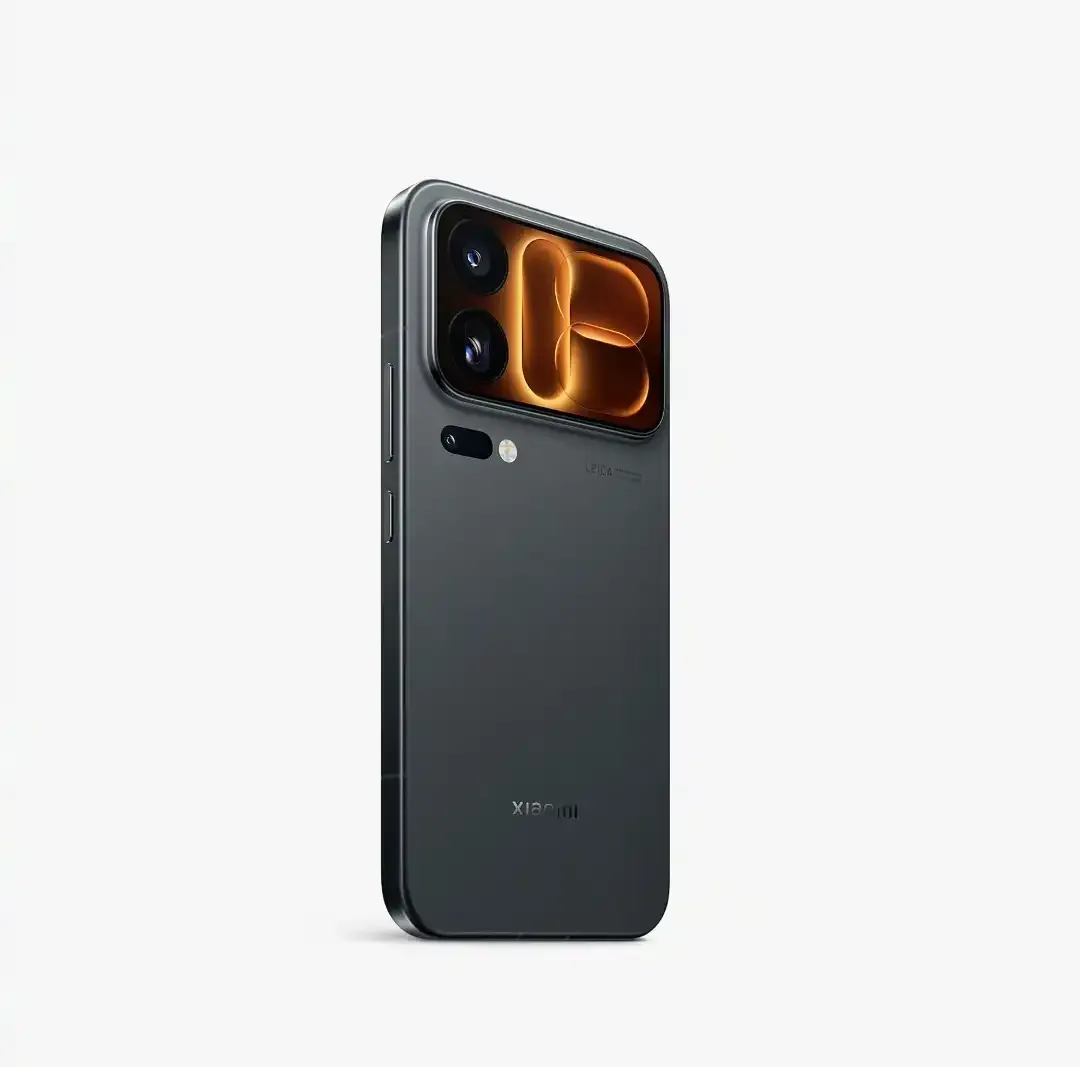
Xiaomi's challenges run even deeper and require fundamental strategic reconsideration. The company needs a complete reset in its product positioning and overall strategy. While individual products like the Xiaomi 15 and 15 Ultra represented strong product launches, the overall portfolio lacks coherence, with releases like the Redmi Note 14 Pro Plus falling short of expectations.
The core issue is strategic: Xiaomi isn't addressing long-standing software issues, and they don't have a coherent vision for their ecosystem globally. In an increasingly sophisticated market where consumers expect integrated experiences rather than just impressive specifications, these fundamental weaknesses become magnified. Hardware excellence alone is no longer sufficient—you need to deliver cohesive, polished experiences across software, services, and ecosystem integration.
What this means for the road ahead
The competitive dynamics emerging from Asia's smartphone market reveal several crucial trends that will likely influence global technology development. The clear winners—Vivo, OPPO, and Huawei—have succeeded by identifying specific strengths and executing consistently while addressing obvious weaknesses. This focused approach contrasts sharply with the scattered strategies that have hindered other brands.
Camera technology has evolved from a nice-to-have feature to a fundamental differentiator, but the lesson goes deeper than just investing in better sensors. The most successful brands have built integrated photography experiences that combine hardware, software, and user interface design. This holistic approach creates competitive advantages that are difficult to replicate and provides clear value to consumers who can immediately appreciate the differences.
The ecosystem strategy is becoming increasingly important as consumers expect their devices to work seamlessly together. Huawei's continued innovation despite external pressures demonstrates that technological leadership remains crucial, but it must be combined with practical improvements to user experience. The brands that balance cutting-edge innovation with everyday usability are positioning themselves for long-term success.
Software excellence has emerged as a make-or-break factor that can undermine even impressive hardware. Persistent software issues and lack of coherent global ecosystem vision continue to hamper brands, regardless of their individual product capabilities. This suggests that successful smartphone companies must increasingly think like software companies that happen to make hardware, rather than hardware companies that add software as an afterthought.
The strategic implications extend beyond individual brand success to industry-wide trends. Asian smartphone manufacturers are driving global innovation in camera technology, foldable devices, and integrated ecosystems. The competitive pressure they're creating will force established players worldwide to accelerate their own innovation while potentially creating new opportunities for partnerships and market entry.
As we head into 2026, the brands that have learned to balance multiple priorities—cutting-edge technology, competitive pricing, expanding global reach, and cohesive software experiences—will be best positioned to capitalize on emerging opportunities. Those still struggling with strategic focus and execution face the prospect of being left behind in an increasingly demanding and sophisticated global market.








Comments
Be the first, drop a comment!