




The foldable phone landscape is about to experience its most significant shakeup since Samsung first introduced the Galaxy Fold in 2019. Two tech giants are preparing to go head-to-head in a battle that could change the game for flexible smartphones. Apple is reportedly finally ready to enter the foldable arena with its long-awaited iPhone Fold, while Samsung is simultaneously developing a completely new approach with its rumored "Wide Fold" device.
What makes this competition particularly fascinating is the timing and convergence of design philosophy. Both companies are targeting a remarkably similar launch window in the second half of 2026, setting up what could be the most significant smartphone showdown in years. But here's what really caught my attention: both devices are reportedly embracing the same fundamental design philosophy with a 4:3 aspect ratio for the inner display, marking a clear departure from the tall, narrow screens that have dominated the foldable market.
This isn't coincidental convergence – it shows both companies' recognition that the current foldable paradigm hasn't quite solved the user experience puzzle that will drive mainstream adoption.
Why the 4:3 ratio changes everything
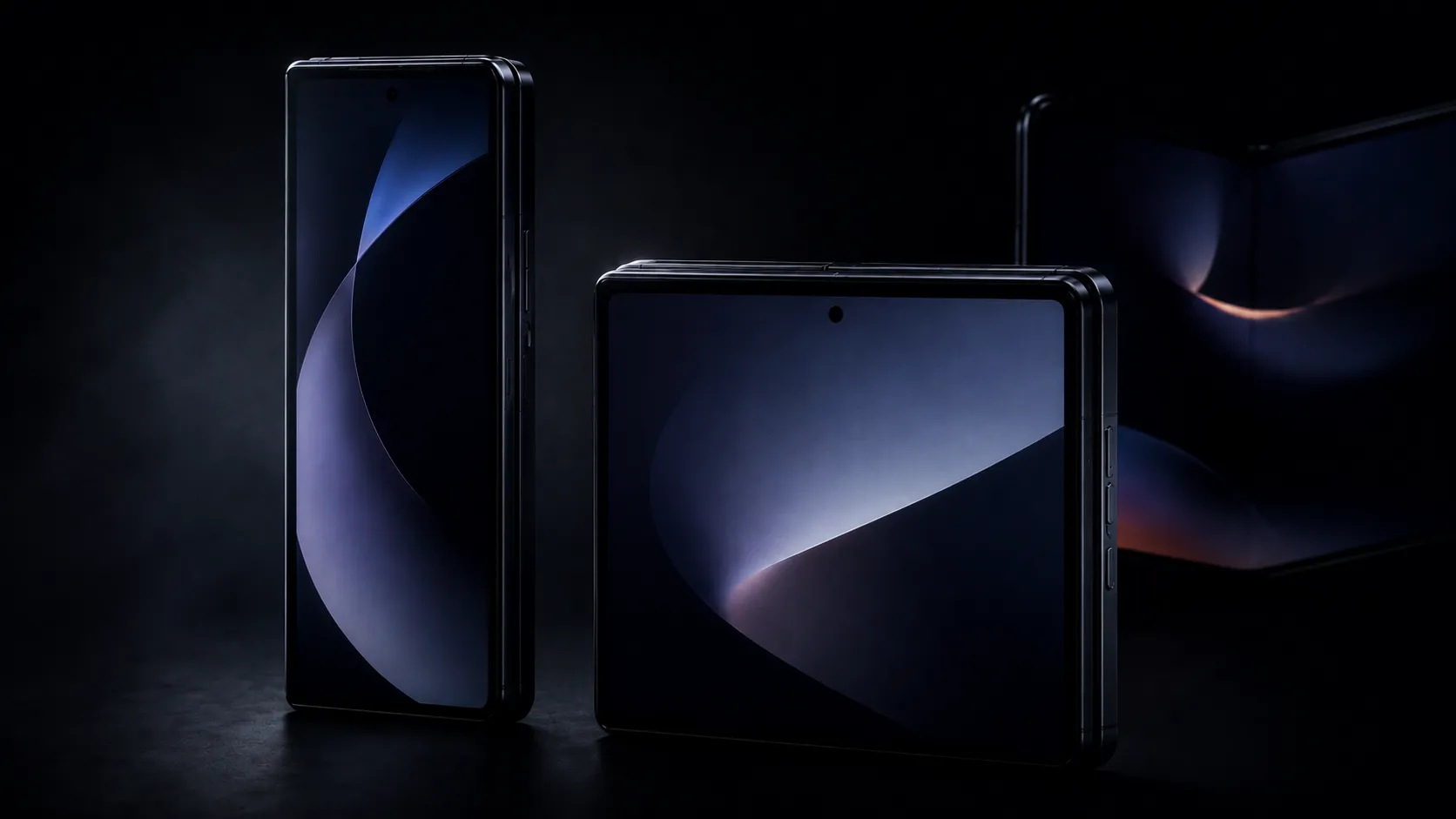
Let's break down why this aspect ratio is more than just a design tweak. The iPhone Fold's rumored design is a major departure from Samsung's current Galaxy Z Fold devices and aligns more closely with Passport-style foldables like the original Oppo Find N. This addresses a fundamental problem: most content we consume daily – websites, documents, photos, and even productivity apps – wasn't optimized for the ultra-tall, narrow screens that current foldables provide when opened.
The engineering behind this decision reveals deeper strategic thinking. Sources suggest the Wide Fold's display design could make reading, web browsing, document editing, and photo viewing feel more natural, because the 4:3 format more closely matches how we naturally consume information. Think of reading a magazine, editing a document, or browsing photos – these activities benefit from a width that allows for side-by-side content rather than endless scrolling.
For Apple specifically, this design choice unlocks significant ecosystem advantages. This aspect ratio would allow the company to more easily transfer established multitasking features from iPadOS into a foldable form. Features like Split View, Slide Over, and the iPad's sophisticated app switching become naturally transferable rather than requiring a complete redesign for an awkward aspect ratio.
The original Oppo Find N actually proved this concept works in practice, with its wider and shorter design being super compact when folded and unfolding in a landscape orientation that felt more like using a small tablet than a stretched phone screen. Both Apple and Samsung clearly studied that experiment closely.
Size matters: the surprising similarities and key differences
When you analyze the leaked specifications, the convergence becomes even more striking. Industry insider Ice Universe has revealed specifications that suggest both companies conducted similar market research and user testing. Both phones will feature nearly identical display sizes, with the iPhone Fold sporting a 5.35-inch outer display and 7.58-inch inner screen, while the Samsung Wide Fold offers a 5.4-inch outer panel and 7.6-inch inner display.
These measurements aren't arbitrary – they are what ergonomic testing has identified as the optimal balance between tablet functionality when unfolded and manageable one-handed use when closed. The inner screen size provides enough real estate for productive work while remaining physically manageable, while the outer screens maintain pocketability without sacrificing essential phone functions.
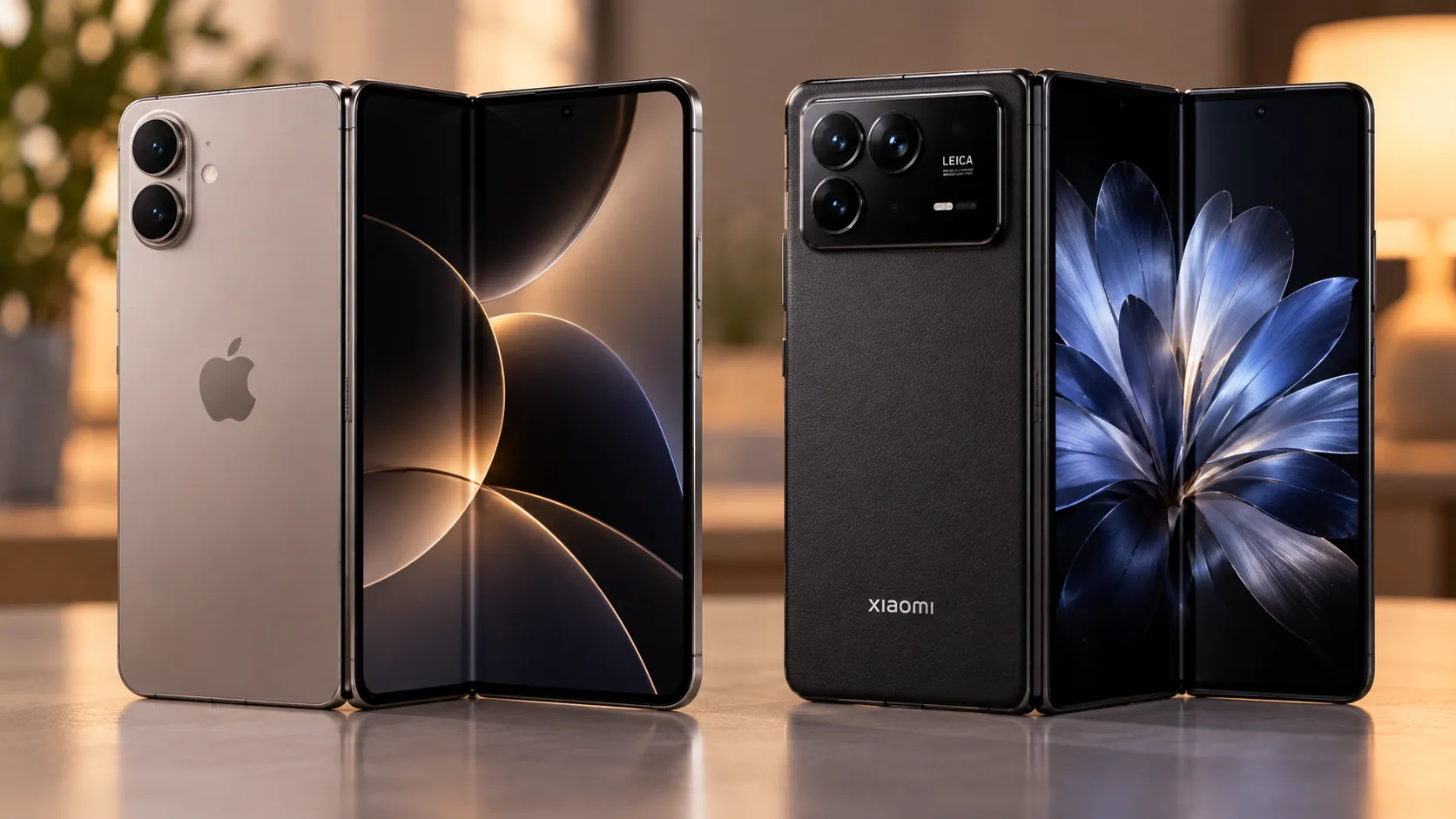
The design language differences tell a deeper story about brand identity. The Samsung Wide Fold appears to embrace a sharper, more angular aesthetic, while the iPhone Fold follows a design philosophy similar to the original Google Pixel Fold with rounded edges. This reflects Samsung's current Galaxy design language versus Apple's preference for curved, comfortable edges that feel natural in the hand.
Apple's dimensional specifications reveal its engineering priorities. Apple's device measures 120.6mm in height with an unfolded width of 167.6mm and a remarkably thin 4.8mm thickness when opened. That 4.8mm thickness is particularly significant – it could make the iPhone Fold potentially the thinnest iPhone ever produced when unfolded, suggesting Apple is making substantial compromises in battery capacity, component placement, and possibly camera capabilities to achieve this ultra-slim profile.
The display philosophy divide
Here's where the two approaches reveal different visions of how people will use foldable devices. Apple's strategy appears more radical and potentially risky than Samsung's incremental evolution.
The rumored 5.3-inch outer screen is actually smaller than the discontinued iPhone mini's 5.4-inch display – a product line Apple canceled due to poor sales. This decision suggests Apple believes the folded state should serve primarily for quick interactions, notifications, and basic phone functions, while the real experience happens when unfolded.
Samsung's current approach with the Galaxy Z Fold 7's substantial 6.5-inch front display reflects their belief that users want their foldable to function as a complete smartphone even when closed, with the unfolded state providing bonus screen real estate for specific tasks.
Apple's philosophy becomes clearer when you consider its broader ecosystem strategy. Apple may see the device's folded state as suited primarily for notifications, quick replies, and other glanceable interactions, while reserving the main experience for when the device is unfolded. This positions the iPhone Fold not as a larger iPhone, but as an iPad that happens to fold into a pocket.
The rumored dimensions suggest Apple is betting on the value of the unfolded experience rather than the comfort of the folded one. This represents a significant gamble on user behavior – will people embrace frequently unfolding their device, or will they find the small outer screen limiting for daily smartphone tasks?
Market timing and the stakes involved
The competitive dynamics surrounding this 2026 face-off create unprecedented conditions in the smartphone industry. Foldables are expected to grow 30% over the next year, driven partly by the anticipation of Apple's entry into the market, indicating that consumer interest is reaching a tipping point just as Apple prepares to enter.
Samsung faces a unique challenge: defending territory they've essentially owned since 2019 while simultaneously preparing for the most formidable competitor in smartphones. Market analysts expect the iPhone Fold to capture over one-fifth of the foldable phone market in its first year, which would represent a massive disruption in a category Samsung has dominated. This level of immediate market impact would be unprecedented for a first-generation Apple product entering an established category.
The timing creates a perfect storm of competitive pressure. If both companies release similarly sized foldables around the same time, it would mark the first true showdown between Samsung and Apple in this category. Unlike previous iPhone launches, where Apple could refine existing concepts, both companies are essentially launching new form factors simultaneously, removing Apple's typical "fast follower" advantage.
Samsung isn't just preparing the Wide Fold – they've also recently launched the Galaxy Z TriFold in select international markets, demonstrating their commitment to pushing foldable boundaries in multiple directions while Apple focuses on perfecting their first attempt. This multi-pronged strategy could help Samsung maintain technological leadership even if Apple captures significant market share with its initial offering.
What this means for the future of foldables
Bottom line: we're witnessing a potential inflection point that extends far beyond just two companies releasing new products. The convergence on 4:3 aspect ratios signals industry maturation – both companies have independently concluded that previous foldable designs prioritized novelty over usability.
Apple's foldable iPhone will reportedly feature a 16:11 aspect ratio, which could shift the current foldable OLED mainstream away from the 11:10 aspect ratio. When Apple enters a category, they don't just compete – they reshape supplier priorities, developer focus, and consumer expectations.
The real beneficiaries will be consumers, who will finally have genuinely different philosophies to choose from rather than variations on the same theme. Samsung's approach prioritizes outer display functionality and seamless transition between folded and unfolded states. Apple's vision focuses on the unfolded experience as the primary interface, treating the folded state as secondary.
Both approaches address different use cases that current foldables struggle with. Power users who want a fully functional phone that occasionally becomes a tablet might gravitate toward Samsung's comprehensive approach. Users seeking a truly portable tablet that happens to fit in their pocket might prefer Apple's "iPad-first" philosophy.
Due to early-stage yield and ramp-up challenges, smooth shipments may not occur until 2027, but the anticipation is already reshaping the entire ecosystem. Component suppliers are retooling for new aspect ratios, app developers are preparing for both design philosophies, and competitors are watching to see which vision resonates with consumers.
Whether you're team Samsung or team Apple, the perfect aspect ratio battle of 2026 will finally answer the fundamental question about foldables: Do people want a bigger phone or a smaller tablet? The answer might determine the next decade of mobile computing.









Comments
Be the first, drop a comment!