



Reviewed by: Y. Garcia
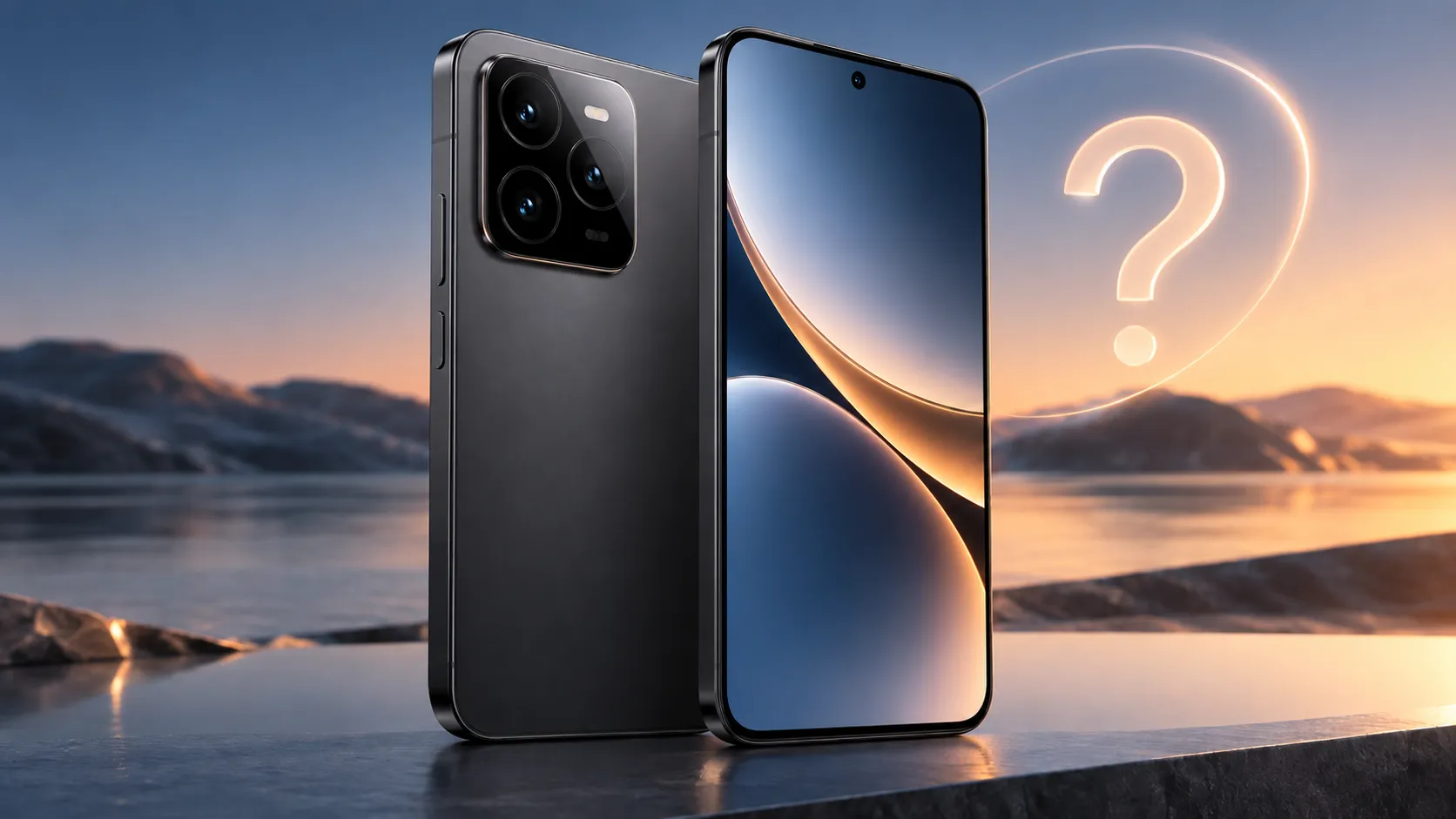
Thinking about importing a Chinese smartphone? You're not alone. With Chinese manufacturers dominating the global market, producing around 300 million devices annually, these devices offer compelling value propositions that traditional brands struggle to match. The Chinese smartphone ecosystem has evolved dramatically, with tech-savvy consumers demanding innovative products that push the boundaries of what's possible at various price points. However, importing these devices requires navigating a complex landscape of software versions, network compatibility, regulatory requirements, and warranty considerations that can make or break your experience.
Understanding China vs. Global versions: what's the real difference?
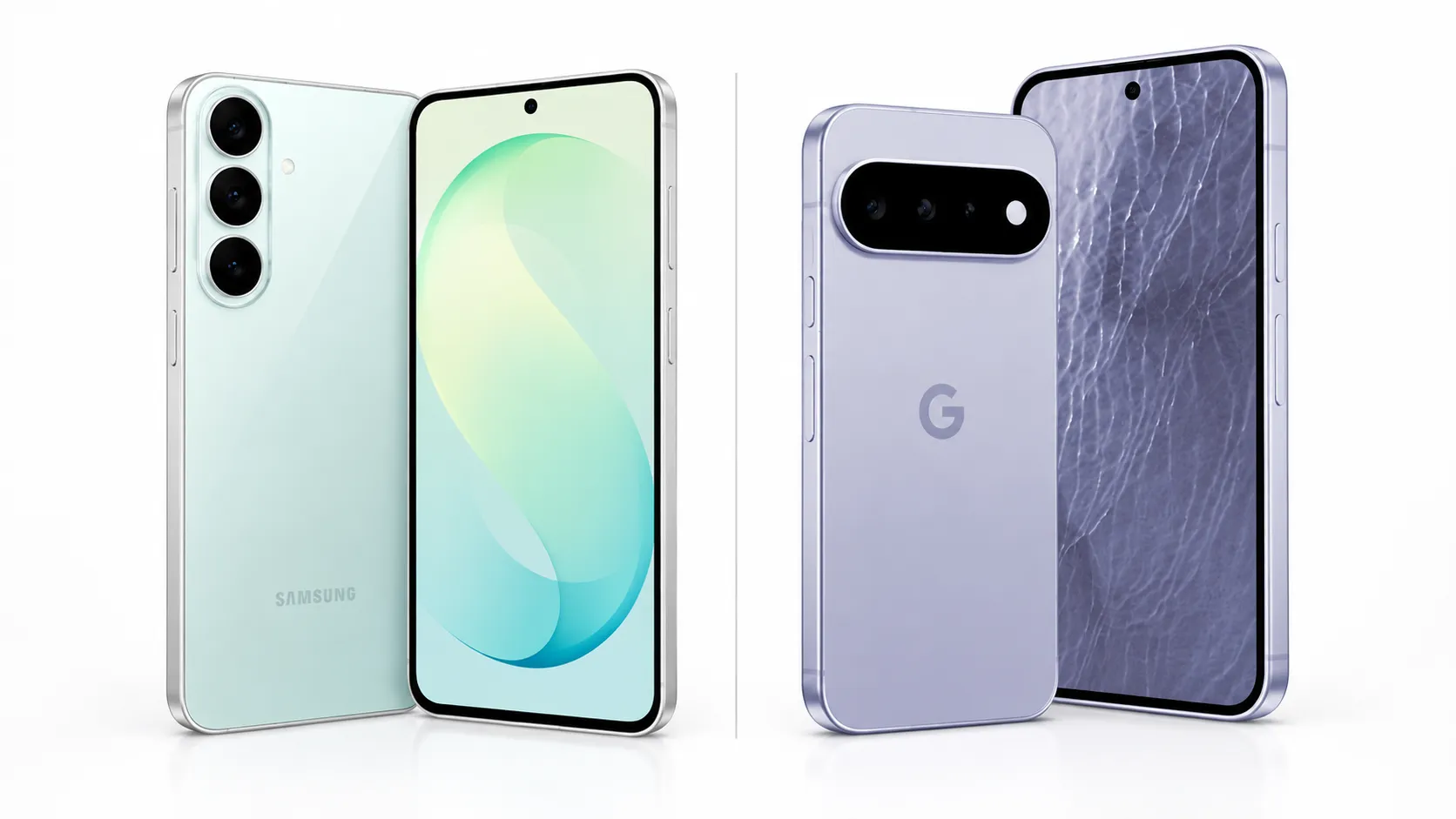
Here's where things get interesting — and potentially complicated. Chinese smartphone manufacturers typically release different versions, primarily the Global version and the China version, each tailored for specific markets. This isn't just a simple case of different languages either; we're talking about fundamentally different software experiences that can dramatically impact your day-to-day usage.
The China version often does not include Google Mobile Services due to restrictions in China, which means no Google Play Store, Gmail, or Google Maps out of the box. Instead, these devices come with Chinese apps and services, some of which may not be useful or accessible outside China. Picture this: you unbox your "bargain" flagship only to find it loaded with apps like Baidu Maps, WeChat Pay, and various Chinese social platforms you've never heard of—none of which work properly outside China's digital ecosystem.
The Global version takes a completely different approach. It includes Google Mobile Services (GMS) like Google Play Store, Gmail, Google Maps, etc., and supports multiple languages, making it suitable for international users. What's particularly nice is that the Global version typically has fewer pre-installed apps compared to the China version, resulting in a cleaner, less cluttered user experience right out of the box.
PRO TIP: Always verify which ROM version you're purchasing before committing. Some sellers advertise "Global ROM" but actually ship China versions with unofficial Google Services patches that can be unstable or get wiped during updates.
The update timeline creates another interesting trade-off. The China version receives updates specifically for Chinese users and often gets new features and updates earlier than the Global version, while the Global version receives updates tailored for global users with broader international compatibility. You're essentially choosing between being a beta tester for cutting-edge features that might not work properly in your region, or getting stable updates that actually enhance your daily experience.
Network compatibility and certification challenges
Network compatibility represents one of the most critical technical considerations when importing Chinese smartphones, and frankly, it's where many buyers get caught off guard. The situation is more nuanced than many realize, as the Global version supports a broader range of network bands suitable for international markets, while China version may have limited support for some network bands used internationally.
Let's break this down with a real example. When importing devices like the Redmi K90 Pro Max to markets like the UK, the UK's major mobile networks — EE, Vodafone, O2, and Three — primarily use 5G bands n28 (700 MHz) and n78 (3.5 GHz), along with several 4G LTE bands such as B1, B3, B7, B20, and B28. Fortunately, many modern Chinese smartphones support a wide range of 5G and 4G LTE bands, but verification is absolutely essential before you commit to a purchase.
Here's a simple compatibility checking process you can follow:
Identify your carrier's bands: Check your mobile network's technical specifications page for 4G and 5G frequency bands
Cross-reference device specs: Compare the phone's supported bands with your carrier's requirements
Test signal strength in your area: Some bands provide better coverage in rural vs. urban areas
Verify VoLTE and Wi-Fi calling support: These features often require carrier-specific software integration
The certification landscape adds another layer of complexity that can't be ignored. The global version includes necessary certifications for use in various global markets, such as CE certification in Europe. These aren't just bureaucratic boxes to check — they represent real safety and compatibility standards.
For different markets, you'll encounter specific certification requirements. CE certification, ensuring smartphones meet EU health, safety, and environmental standards, is mandatory for European markets. If you're targeting the US market, FCC certification necessary for smartphones sold in the United States becomes the key requirement. Missing these certifications doesn't just mean regulatory headaches — it can mean your imported device simply won't work properly on local networks, could face customs seizure, or might even be banned from network registration entirely.
Navigating import duties, taxes, and regulatory requirements
The financial implications of importing Chinese smartphones extend well beyond the device's sticker price, and recent regulatory changes have fundamentally altered the economics of smartphone importing. Here's something that caught many importers off guard: the U.S. ended the de minimis exemption for products originating in China and Hong Kong effective May 2, 2025, and later suspended de minimis globally effective August 29, 2025. This regulatory shift eliminated what used to be a significant cost advantage for personal imports.
What this means in practical terms is that goods from China and Hong Kong valued at or under $800 became subject to an ad valorem rate of duty or a postal fee starting May 2, 2025. Those days of duty-free smartphone imports under $800 are officially over for Chinese products.
The current tariff structure has become increasingly complex and punitive. As of recent updates, imports from China are subject to the following U.S. tariffs: a 10% IEEPA reciprocal tariff, a 20% IEEPA fentanyl tariff, and various Section 301 tariffs ranging from 7.5% to 100%. These tariffs stack cumulatively, meaning a single smartphone import might face:
Base device cost: $500
10% reciprocal tariff: $50
20% fentanyl tariff: $100
Section 301 tariff (varies by classification): $37.50-$500
Total potential tariff burden: $187.50-$650 on a $500 device
For other markets, the financial burden remains substantial but varies by region. Import duties on smartphones vary by country, ranging from 5% to 25% or more, depending on the region and specific trade policies. In regions like the UK, buyers face additional costs beyond import duties. Buyers are responsible for paying 20% Value Added Tax (VAT) on the total cost of the phone, including shipping.
PRO TIP: Create a comprehensive cost calculator before importing. Include device price, shipping, insurance, import duties, VAT/sales tax, customs handling fees, and potential currency conversion charges. Many "bargain" imports become expensive mistakes once all costs are factored in.
The regulatory landscape is also becoming increasingly hostile to Chinese technology imports, with security concerns driving additional restrictions. These trends suggest that the golden age of cheap Chinese smartphone imports may be coming to an end, making future import ventures potentially less attractive from both cost and compliance perspectives.
Warranty, support, and long-term considerations
Perhaps the most significant trade-off when importing Chinese smartphones involves warranty and customer support — and this is where many buyers experience genuine regret after something goes wrong. Imported smartphones typically do not carry official UK warranties, and this situation extends to most international markets. The harsh reality is that Xiaomi's regional service centers generally honor warranties only for devices sold in that region.
This creates a challenging situation when hardware failures occur — and they will. While the Global version does offer some theoretical advantages — the Global version usually comes with an international warranty that is valid in multiple countries and provides access to global customer support services — the practical reality is more complicated. Even with an "international" warranty, getting service often involves shipping your device internationally at your expense, dealing with language barriers, experiencing extended repair times, and potentially paying import duties on your own repaired device.
The China version presents even starker challenges. China's version of warranty might be limited to China, and support outside China could be more challenging. If you're importing a China version device, you're essentially accepting that professional warranty service will be practically impossible to access.
Consider these alternative support strategies:
Third-party repair services: Research local repair shops with experience in Chinese smartphones
Component sourcing: Verify that replacement parts (screens, batteries, cameras) are readily available in your region
Extended warranty insurance: Some companies offer device protection plans for grey-market imports, though coverage may be limited
DIY repair capabilities: Consider whether you're comfortable with self-repair using online guides and toolkits
Beyond warranty considerations, practical everyday issues accumulate over time. Imported Redmi K90 Pro Max units may include a charger compatible with Type A or Type C outlets, rather than the UK's three-pin Type G socket. This may seem minor at first, but it can lead to additional adapter or replacement charger costs and slower charging if the included charger doesn't meet your local power specifications.
Software updates present another long-term consideration that becomes more important over time. Update schedules can vary between regional versions, meaning imported units might receive MIUI or Android updates later than their global counterparts. In today's security-conscious environment, delayed updates can leave you vulnerable to known exploits or missing out on important feature improvements and bug fixes.
Making the import decision: weighing risks and rewards
Despite all the complexities and potential pitfalls we've discussed, many consumers still find importing Chinese smartphones worthwhile when they approach it with realistic expectations and thorough preparation. Despite these considerations, many British consumers find importing the Redmi K90 Pro Max worthwhile due to its flagship processor, vivid AMOLED display, and robust battery system at a lower price. The keyword here is "despite" — successful importers understand they're making calculated trade-offs.
Here's a practical decision framework to help determine if importing makes sense for you:
Tech Enthusiast Profile:
Comfortable with ROM flashing and troubleshooting
Values cutting-edge specs over warranty support
Has experience with alternative repair solutions
Willing to accept early-adopter risks
Mainstream Consumer Profile:
Prioritizes reliable customer service
Values peace of mind over cost savings
Prefers official retail channels and warranties
Wants hassle-free ownership experience
The preparation process is crucial and shouldn't be rushed. Buyers should confirm the variant's network compatibility, understand potential customs fees, verify firmware details, and accept limited warranty support when importing the Redmi K90 Pro Max to the UK. This comprehensive verification process applies universally, regardless of your target market or specific device choice.
There are also resale implications to consider for your long-term ownership strategy. The resale value of grey-imported phones is often lower because they are not officially recognized by UK carriers or authorized retailers. This factor becomes particularly relevant if you're someone who likes to upgrade frequently or might need to recoup some of your investment down the line.
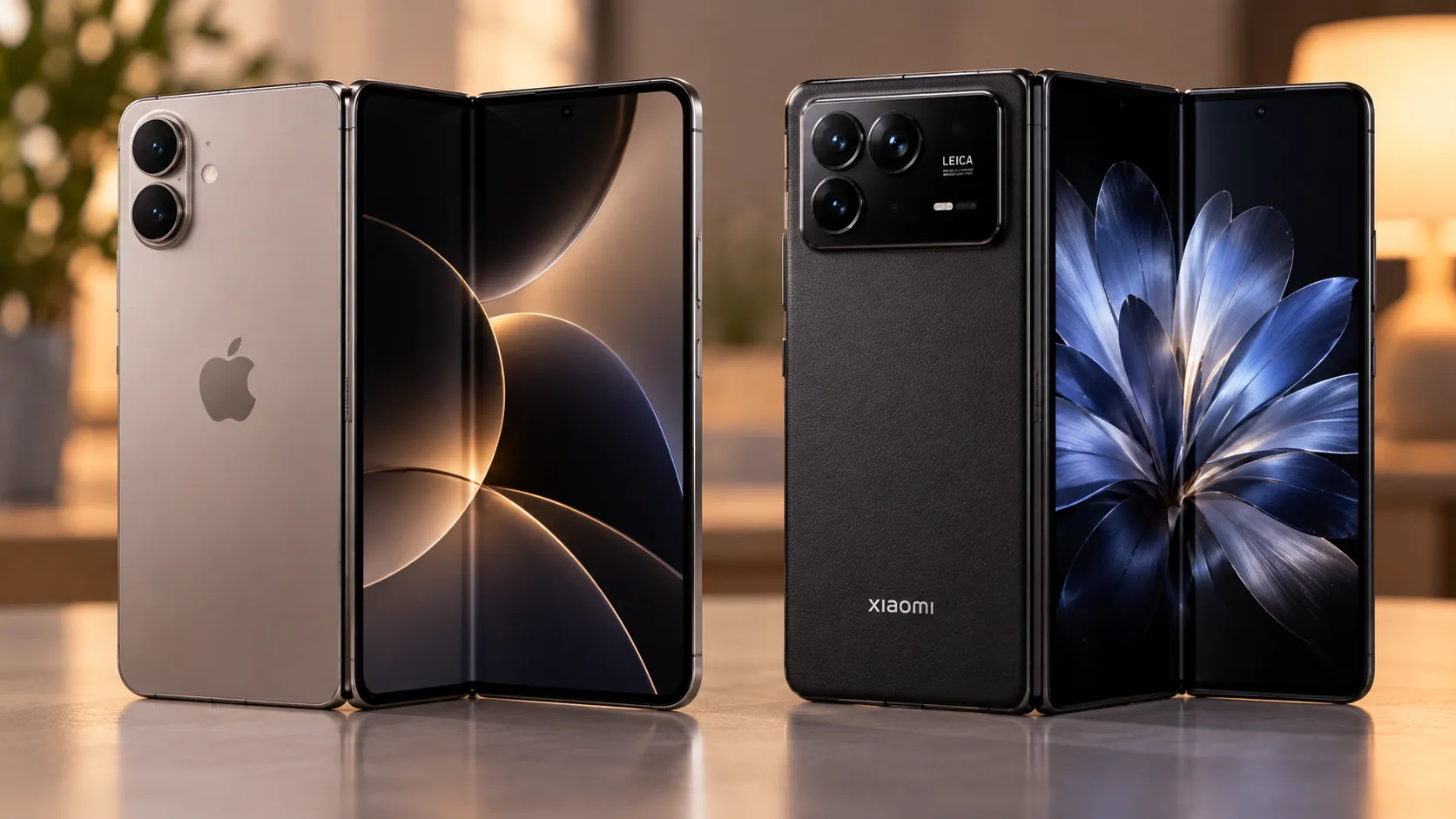
On the positive side, the innovation pace remains compelling. The Chinese smartphone market continues evolving at breakneck speed, with companies expected to continue innovating, focusing on emerging technologies such as artificial intelligence (AI), augmented reality (AR), and the Internet of Things (IoT). This rapid innovation means imported devices often offer access to cutting-edge features — such as advanced AI-powered photography, innovative form factors, or ultra-fast charging — months or even years before they reach official international channels.
Is importing right for you?
Bottom line: importing a Chinese smartphone can offer significant value, but it requires honest self-assessment about your priorities, technical comfort level, and risk tolerance. The potential savings and access to innovative features must be carefully weighed against warranty limitations, potential compatibility issues, and the growing complexity of import regulations and tariffs.
For tech enthusiasts who enjoy tinkering, understand the risks, and are willing to handle potential issues themselves, importing can provide access to exceptional devices at competitive prices. These buyers typically have the technical knowledge to deal with ROM flashing, network compatibility verification, and troubleshooting without manufacturer support. If you're the type of person who roots phones, flashes custom ROMs, or repairs devices yourself, you might thrive with an imported Chinese smartphone.
However, mainstream consumers who prioritize peace of mind, reliable customer service, and hassle-free ownership should seriously consider whether the premium charged by official retail channels is worth paying. There's real value in knowing you can walk into a local store, call a local support number, or easily process a warranty claim when something goes wrong.
The regulatory landscape is also becoming increasingly hostile to imports from China, with tariffs and restrictions likely to continue tightening. This trend suggests that the golden age of cheap Chinese smartphone imports may be coming to an end, making future import ventures potentially less attractive from a pure cost-benefit perspective.
Whatever you decide, thorough research and realistic expectations are your best tools for a successful import experience. Don't let the allure of flagship specs at budget prices blind you to the potential complications. Take the time to understand exactly what you're getting into, factor in all the hidden costs and limitations, and have a clear plan for when things don't go as expected. With proper preparation and realistic expectations, importing can still offer excellent value — but only if you're willing to accept the trade-offs and take responsibility for the additional complexity that comes with it.
PRO TIP: If you decide to import, start with a less expensive device first to test the process, verify network compatibility in your area, and experience the support limitations before committing to a flagship-level investment. This trial run can help you avoid costly mistakes and determine whether importing aligns with your needs and preferences.








Comments
Be the first, drop a comment!