



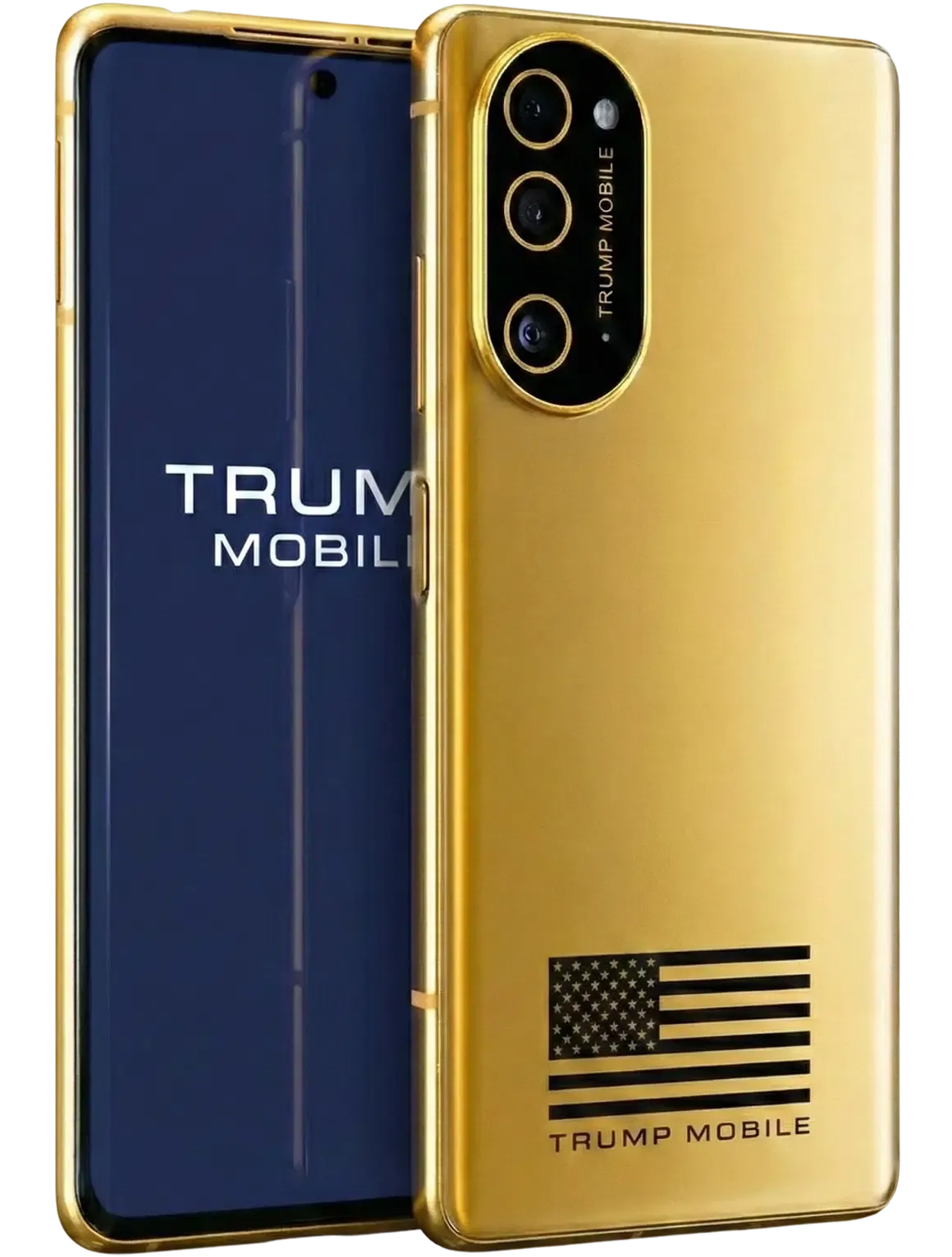
The Trump Mobile T1 Phone now has its clearest sign of life yet: federal records show a smartphone filed under the trade name "T1" was tested in late 2025 and granted FCC authorization in January 2026, the first official confirmation via a regulatory filing that a T1-branded device was physically tested, according to The Verge in March.
The filing didn't come from Trump Mobile, though. The applicant on record is Smart Gadgets Global, LLC, a private-label electronics company whose CEO, Eric Thomas, is one of the two Trump Mobile executives who showed reporters the device in February.
That connection sharpens what the T1 actually appears to be: a sourced, branded handset, not a phone designed and built from scratch in the United States. A private-label device is a real and common category of consumer product. It's also a different thing than what Trump Mobile originally marketed.
The project has cleared a significant bureaucratic hurdle. What it hasn't done is ship a phone to a single paying customer.
What the Trump Mobile T1 Phone FCC filing actually confirms
The FCC listing places Smart Gadgets Global, LLC as the applicant. The company's own website describes its services as "product development, material sourcing, production all the way through final packaging of your product or private labeling one of ours," per The Verge. Its FCC documents list an Ogden, Utah, address that also appears in records for construction and excavation businesses owned by Eric Thomas, the same executive who briefed reporters on the T1's design and specs in February.
The filing points to a common consumer-electronics model: a private-label handset sourced through a third party, branded for Trump Mobile, with executives describing final assembly as connecting roughly the last ten components in Miami, while bulk production occurs overseas in what they called a "favored nation," meaning anywhere other than China, The Verge reported in February.
The redacted FCC documents confirm Bluetooth 5.3 and Wi-Fi 6E support. Beyond that, they reveal nothing about design, full specifications, or whether the certified device is identical to what appears on the Trump Mobile website today.
FCC certification confirms a physical device was tested and approved for radio frequency use in the United States. It does not confirm inventory, a ship date, or an exact match between the tested unit and whatever reaches consumers. Executives told The Verge in February that carrier certification was required for network compatibility, the last hurdle before the phone could officially go on sale and start shipping. T-Mobile declined to comment on whether that process is complete, The Verge noted in March.
What the Trump Mobile website redesign changed
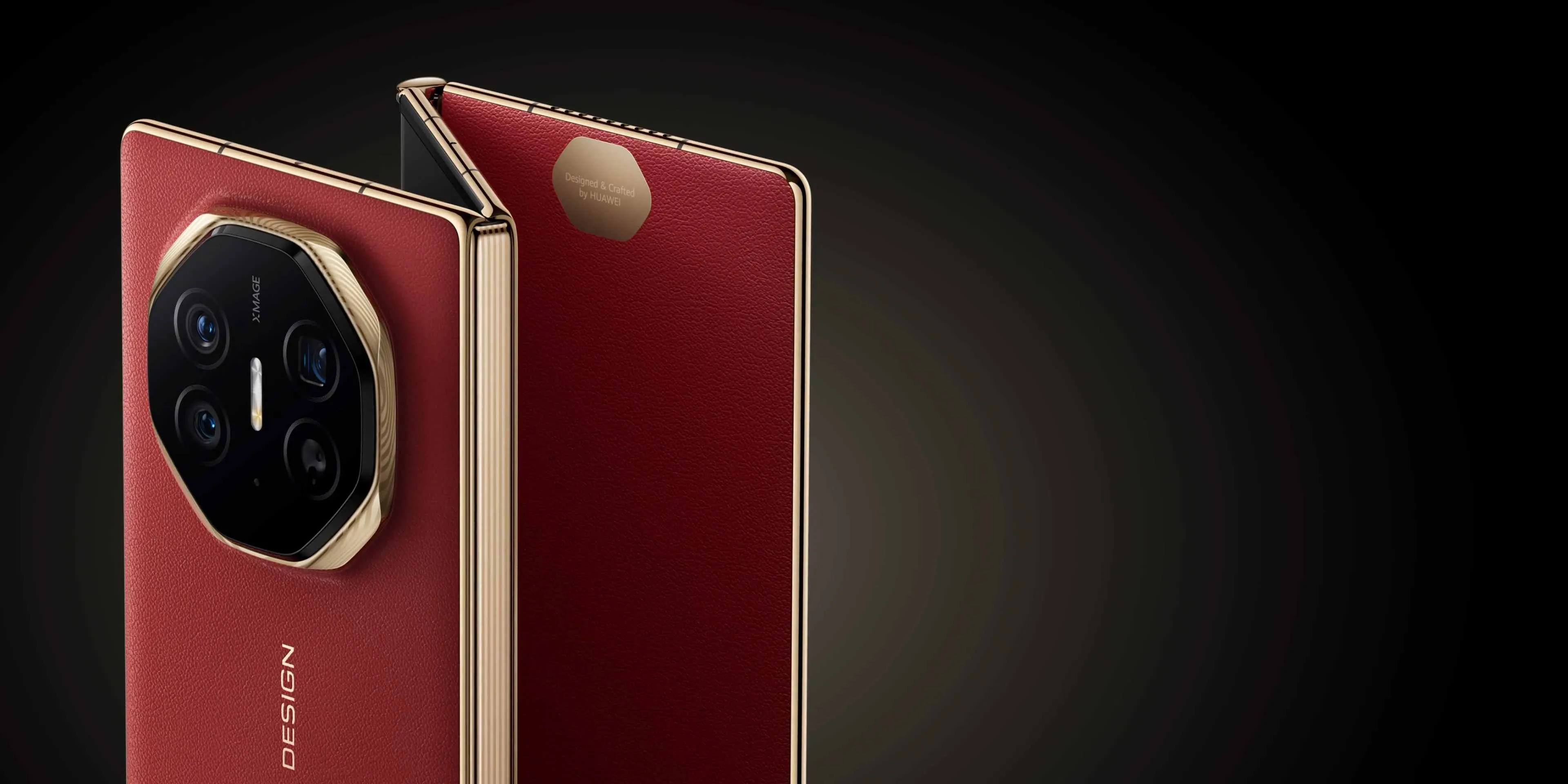
Trump Mobile overhauled its site in April, introducing updated imagery, a new logo, and a revised spec sheet, The Verge reported. The T1 is now listed with a 6.78-inch OLED display, returning to the size originally announced at launch after an unexplained switch to 6.25 inches in June 2025. The screen-size round-trip is a small detail with a larger implication: specs were still in flux well after the phone was first announced.
The updated product page lists a Qualcomm Snapdragon 7 series chipset (specific model still undisclosed), a 5,000mAh battery with 30W charging, 512GB of storage with support for up to 1TB microSD cards, a 50-megapixel main rear camera with 2x telephoto, an 8-megapixel ultrawide, a 50-megapixel front camera, and Android 15. These align broadly with what executives described during the February briefing, though they are website claims, not independently verified hardware facts.
Trump Mobile phone specs, T1 Phone price, and the missing release date
The $499 price is now labeled a "promotional price." In February, executives told The Verge that $499 had been an introductory rate set to rise after the relaunch, with later buyers paying "less than $1,000" a figure that has never been pinned down further. The final retail price remains undecided.
The site is still accepting $100 deposits. Public reporting has not established deposit volume or refund details. There is no stated release date; the previous "later this year" language has been removed entirely, according to The Verge. Executives promised a website update "within the next couple of weeks" during the February briefing; the redesign arrived roughly ten weeks later.
The wireless side of the business, for what it's worth, is running. Trump Mobile's $47.45-per-month plan is live and being sold, alongside refurbished iPhones and Samsung devices, AP reported in January. The handset is not.
What remains unverified
Here's where the evidence actually stands, broken down by what can and cannot be sourced independently.
Confirmed by independent sources:
FCC authorization in January 2026 under the trade name "T1" (The Verge, March)
Smart Gadgets Global, LLC as the FCC applicant, linked to Trump Mobile executive Eric Thomas
Bluetooth 5.3 and Wi-Fi 6E support, per FCC filings
Trump Mobile's wireless plan is live and being sold (AP, January)
Claimed by Trump Mobile, not independently verified:
Snapdragon 7 series chipset, specific model undisclosed, which makes the executives' claim of performance comparable to "any phone that's over $1,000" impossible to evaluate (The Verge, February)
Final assembly in Miami involving roughly ten components, with bulk production in an unspecified "favored nation"
Camera specs, battery specs, storage, and Android 15 as listed on the product page
Still unknown:
RAM, listed at 12GB at launch, removed from the spec sheet in June 2025, never restored (The Verge, June 2025)
Exact chipset model, OEM identity, and component origins
Whether the FCC-certified device matches what appears on the current website
T-Mobile carrier certification status, with T-Mobile declining to comment (The Verge, March)
Deposit refundability, escrow status, and total volume
Final retail price beyond "less than $1,000"
An IDC analyst told AP in January that skepticism remained warranted, suggesting Trump Mobile may have underestimated the complexity of launching a new handset. "They are probably finding that it is harder to build a phone than they thought it would be," the analyst said. The FCC filing partially addresses that skepticism. It does not resolve it.
From "Made in the USA" to "shaped by American innovation"
Trump Mobile launched in June 2025 with "MADE IN THE USA" as a banner headline. Within days, that language was gone, replaced by "Premium Performance. Proudly American," "designed with American values in mind," and "American hands behind every device," The Verge reported in June 2025.
By February, executives confirmed to The Verge that the phone would not be manufactured in the US. Final assembly involving roughly the last ten components would occur in Miami; bulk production would happen overseas in a "favored nation," meaning anywhere other than China, per The Verge. The Verge noted that calling a product "Made in USA" requires meeting standards set and enforced by the FTC; based on the executives' own description of overseas production with only final assembly in Miami, the original claim would not appear to meet that standard. One executive acknowledged there "might have been something put on the website" in error at launch.
By April, the language had softened further. The phone is now described as "shaped by American innovation," with "American teams helping guide design and quality," The Verge noted. The progression from explicit domestic manufacturing promise to compliance-cautious branding is the clearest documented evidence of what the T1 actually is: a private-label device with American branding, not an American-made product.
Where this leaves things
The T1 has missed implied or announced launch windows in August, September, and December 2025, then a projected mid-March 2026 T-Mobile certification deadline, and the April redesign removed the release date entirely rather than replacing it with a new one, as documented in The Verge's coverage in March.
The verification milestones are clear enough. T-Mobile carrier certification comes first; executives told The Verge it is the last hurdle before legal shipping can begin. After that: a firm retail price, a confirmed ship date, an independent hands-on review from someone other than Trump Mobile's own briefing. Customer deliveries would settle the central question of whether the T1 is a market-ready product. Until at least the first of those clears, the FCC filing is meaningful progress, and nothing more.


Comments
Be the first, drop a comment!