





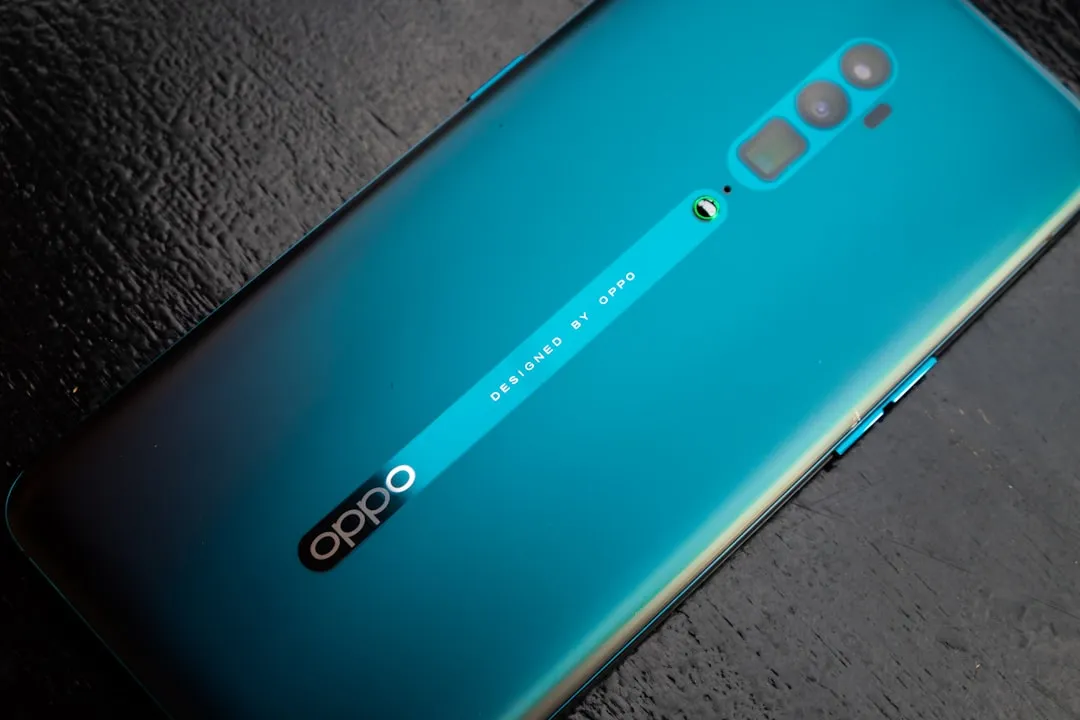
OPPO Find N7 Creaseless Display Explained: Leak, Tech, and Context
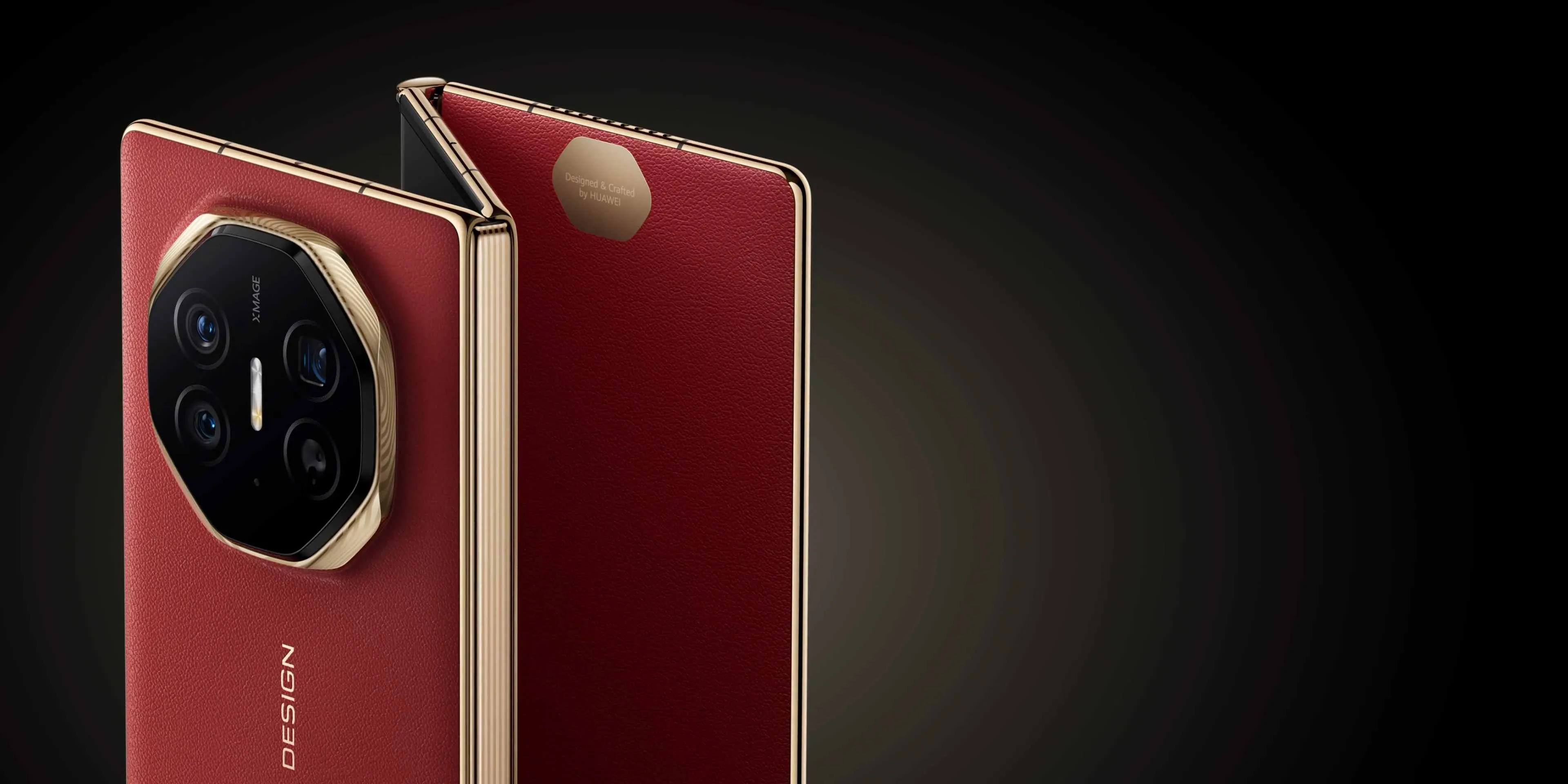
Chinese leaker Digital Chat Station, cited by Android Authority today, describes the OPPO Find N7 as a wide foldable with a 7.6-inch inner display, a 5.5-inch cover screen, and a Snapdragon 8 Elite Gen 6 chip built on a 2nm process, with a Q1 2027 launch window. OPPO has not commented. The leak traces to a single source with no independent corroboration. What gives it weight is what OPPO has already shipped: the Find N6, whose TÜV Rheinland certification, documented manufacturing process, and hands-on reviews collectively build the strongest case in Android foldables that the crease is being solved rather than just managed. The OPPO Find N7 creaseless display claim lands on top of that foundation.
A credible leak, and the track record behind it
Panel supply for the N7 could come from Samsung Display or BOE, and OPPO may also carry its seamless hinge design forward to the new device, according to Android Authority. If that hinge architecture does make the transition, it could suggest OPPO intends to treat the N6's crease performance as a baseline rather than a ceiling though that remains inference at this stage, not confirmed intent.
The N6's track record is worth understanding before weighing the N7 rumor. TÜV Rheinland certified the Find N6 for minimized crease after the display remained flat through 600,000 folds, and testing found it reduced long-term crease formation by 82% compared with its predecessor. The device also earned TÜV Rheinland's Reliable Folding Certification after one million fold cycles without fault. No comparable certification for the Samsung Galaxy Z Fold line appears in the available reporting.
Why wide format makes the crease harder and the OPPO Find N7 claim more significant
Not all foldable creases are equal. The wider the inner panel, the more display material must negotiate the fold, and the more visible any resulting deformation becomes at full open.
A wide foldable's inner screen spans more lateral distance from hinge to edge than a narrower book-style device. That larger span amplifies the bending moment at the fold point, increasing stress concentration in the panel and the visual contrast of any surface deviation. Wide-format crease claims are simply harder to defend; the geometry works against the manufacturer.
The leaked N7's 7.6-inch inner display would put it in the same large book-style foldable class as current flagship-tier wide foldables. If OPPO can carry its N6 crease-reduction approach into a panel of that size, it could represent a meaningfully different engineering outcome than what competing devices currently deliver though whether that holds at scale depends on engineering choices not yet confirmed.
What OPPO has documented on the N6: engineering vs. marketing
The N7 is unconfirmed. The N6 is a shipping product with a documented technical approach and real-world results. Understanding what OPPO has already achieved, based on its own claims and third-party testing, is what makes the N7 speculation worth taking seriously.
OPPO attacks the crease from both sides of the mechanism simultaneously. On the hinge, a process called 3D Liquid Printing scans each unit individually, deposits polymer micro-drops on surface irregularities, and fuses them with UV light over more than 20 passes per hinge. The result cuts surface variance from the industry-standard 0.2mm to 0.05mm, a 75% improvement that removes the uneven physical substrate that causes displays to deform unevenly when unfolded. The hinge also features an 11% wider waterdrop curve to distribute fold stress across a larger radius, plus a redesigned Clover Balance Pivot that increases support force by 20%, per Android Authority.
On the display side, OPPO replaced conventional ultra-thin glass with Auto-Smoothing Flex Glass 50% thicker than standard UTG, engineered to spring back toward flat each time the phone opens. Think of it as a structural spring built into the display itself. According to Android Authority, OPPO says this delivers close to double the shape-recovery rate and a 338% increase in deformation resistance versus the previous generation, with the glass actively correcting micro-level warping before it can accumulate into a permanent crease.
The real-world evidence closes some of the gap between spec sheet and experience. A Digit hands-on last month found the crease didn't catch light in sunlight, wasn't felt under a finger during a commute, and didn't interrupt the display experience. That's the practical threshold that matters to buyers not a lab number, but whether the fold line is something you stop noticing.
Worth stating clearly: the N6 data doesn't establish a direct controlled comparison against Samsung, Honor, or Huawei current-generation foldables in independent testing. OPPO's crease story is the most technically detailed in the Android market right now, but no external benchmark places it against the competition by name.
The market window and what the N7 needs to accomplish
TrendForce's projections suggest OPPO may face a narrowing window. Foldable penetration held at roughly 1.6% in 2025, and the market has entered what TrendForce characterizes as a high-end maturity stage. Apple's entry into foldables is widely anticipated this year; TrendForce projects it would drive annual shipments from approximately 25 million to 30.8 million units by 2027 and capture around 20% share immediately bringing with it a new consumer reference point for what premium crease performance and finish quality should look like.
A Q1 2027 N7 would arrive roughly a year into Apple's foldable presence. That's a tight window to establish a technical benchmark on Android terms, before the category conversation shifts to Apple's solution and whether everyone else measures up to it.
TrendForce also notes that competitive focus has moved beyond pure hinge engineering toward materials science modulus engineering, interlayer stress distribution, and neutral-plane control are now the levers that matter. OPPO's 3D Liquid Printing and Auto-Smoothing Flex Glass are direct implementations of exactly that shift, already applied to a product in consumers' hands.
What to watch for, and what the leak can't tell you
For buyers evaluating wide foldables now: the Find N6 is globally available through OPPO's official channels, according to 3D Printing Industry, which makes it a practical comparison point against current competing wide foldables. The N6's TÜV-backed crease data and hands-on impressions represent the strongest documented case in the Android space that the fold line can be reduced to something most users stop noticing.
For buyers considering waiting for the N7, the key question isn't whether OPPO's underlying approach works the N6 data, based on OPPO's claims and third-party testing, suggests it does. The question is whether the engineering scales cleanly to a larger, harder format. Watch for whether OPPO confirms the same hinge precision process for the N7, which display supplier it selects, and whether any crease certification language matches or exceeds the N6's standard, per Android Authority.
What the leak leaves open is substantial: no pricing, no weight, no battery, no camera specs, no confirmed regional availability, and no clarity on whether crease performance on a 7.6-inch wide panel will clear the same practical threshold the N6 cleared. If OPPO delivers, the crease stops being a reason to avoid Android foldables. That's not a guaranteed outcome but for the first time, it's a plausible one.


Comments
Be the first, drop a comment!