





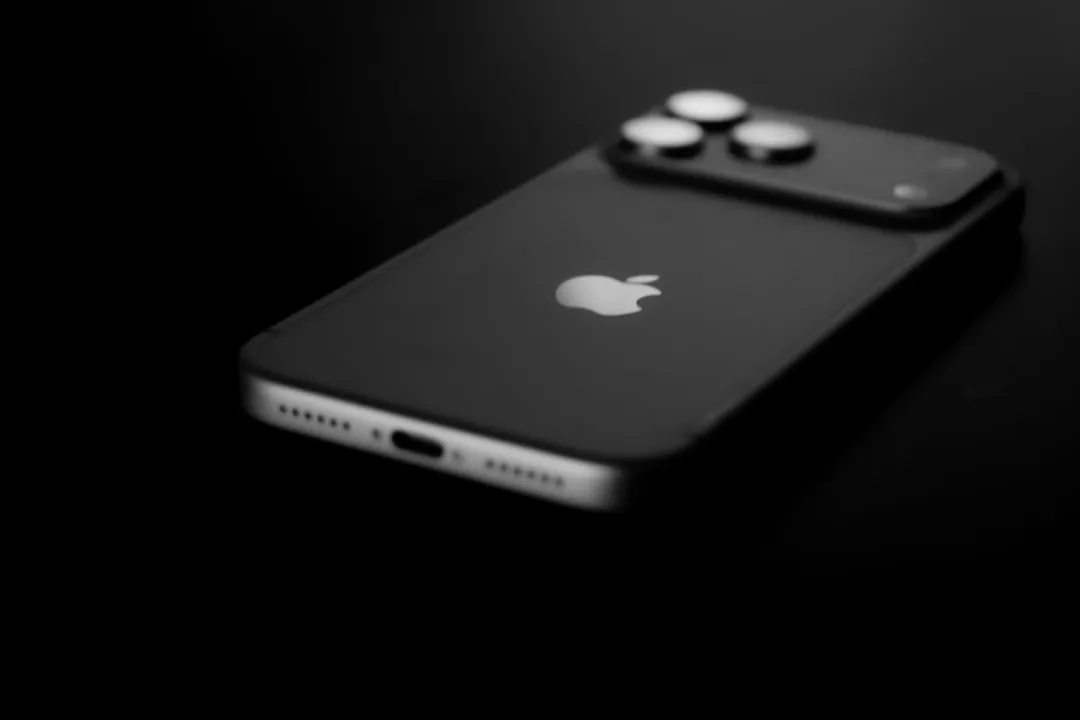
Apple's iPhone 17 Pro Max just claimed a title that matters more to users than any spec sheet bragging rights: best battery life of any smartphone tested. In a comprehensive evaluation spanning 35 different devices, CNET crowned the 17 Pro Max as the endurance champion, marking a significant achievement for a company that's historically relied on smaller batteries and tight hardware-software integration rather than raw capacity.
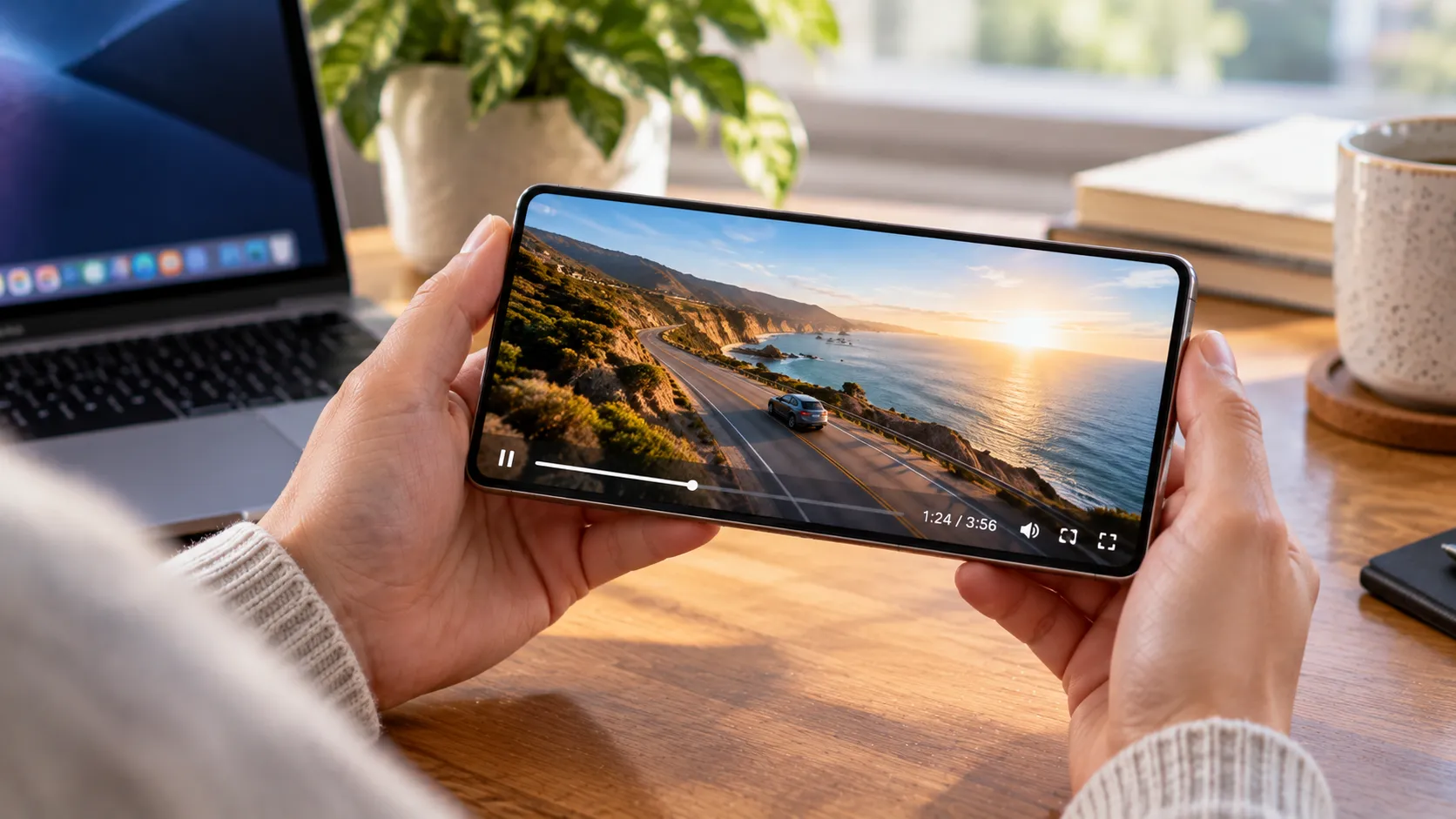
The device achieved only a 9% drain during a grueling 3-hour video streaming test at maximum brightness—matching the Motorola Razr (2024) for the best result ever recorded in that specific benchmark. This achievement is particularly notable because the Razr accomplishes this with a foldable display—traditionally less efficient than standard OLED panels—making Apple's result with a larger 6.9-inch screen even more impressive from an engineering standpoint.
But here's what you need to know: this isn't just about bigger numbers on paper. It's about Apple's A19 Pro processor reducing background task power consumption by an estimated 20% while the new LTPO OLED controller dynamically adjusts refresh rates with millisecond precision—changes that compound into hours of additional runtime. The Pro Max represents the first time Apple has combined meaningful battery capacity increases with genuine efficiency improvements, finally delivering the multi-day longevity that power users have been demanding for years.
Breaking down CNET's testing methodology
Let's break it down. CNET didn't just run one test and call it a day—they put the iPhone 17 Pro Max through multiple scenarios designed to simulate real-world usage. What makes CNET's methodology particularly relevant is how their 45-minute test mimics the usage spikes that typically kill batteries fastest—the simultaneous GPS, camera, and network activity that happens when you're video calling while navigating to a meeting. In this endurance test, which cycles through video calls, gaming, and social media scrolling, the Pro Max lost only 1% battery starting from a full charge. That's not a typo—one percent. This represents the best result CNET has ever recorded for that particular test protocol across any device they've evaluated.
The regular iPhone 17 Pro performed admirably too, dropping only 2% under the same conditions. During actual daily use as a primary device, the Pro Max consistently retained 22% or more battery after a full day of heavy usage—a result that needs context to appreciate fully. For reference, most flagship phones hit their 20% warning by 7-8 PM with this usage pattern. The Pro Max pushes that threshold past 10 PM, fundamentally changing whether you need to pack a charger for evening plans. This wasn't just controlled lab testing either—CNET's review unit served as a primary phone through demanding real-world scenarios including navigation, extensive camera work, and continuous connectivity.
How it stacks up against Android flagships
In Tom's Guide's continuous web browsing test over 5G at 150 nits brightness, the iPhone 17 Pro Max delivered 17 hours and 54 minutes of runtime—a result that becomes more impressive when you consider this test specifically stresses cellular radios and display efficiency, two areas where iPhones have historically lagged behind Android flagships. Compare that to the Galaxy S25 Ultra's respectable but lower 17 hours and 14 minutes, despite Samsung packing a larger 5,000mAh cell. The Google Pixel 10 Pro XL, with its massive 5,200mAh battery, could only muster 14 hours and 20 minutes—proving that raw capacity means nothing without proper optimization.
Only the OnePlus 13 managed to surpass Apple's flagship, achieving an impressive 19 hours and 45 minutes, though it required a monster 6,000mAh battery to get there. PhoneBuff's different methodology—which includes 16-hour standby periods—revealed another iPhone advantage. The 17 Pro Max achieved a total runtime of 29 hours and 5 minutes, outlasting the Galaxy S25 Ultra by over an hour. This particular result demonstrates that Apple's background process management has finally caught up to Android's aggressive app suspension, an area where Samsung previously dominated. The iPhone maintained its lead across virtually every testing scenario—from streaming video to Instagram scrolling to intensive camera usage—revealing consistent excellence rather than optimization for specific benchmarks.
The efficiency equation: capacity versus optimization
The iPhone 17 Pro Max houses a 4,823mAh battery—603mAh smaller than the Galaxy S25 Ultra's cell. Yet Notebookcheck recorded an astounding 28 hours and 36 minutes in their testing, a 15% improvement despite 12% less capacity. This inverted relationship reveals how Apple's vertical integration—controlling both silicon and software—creates efficiency advantages that raw hardware specs can't capture.
Apple's A19 Pro chip achieves its efficiency improvements through several architectural changes. The redesigned neural engine uses a new 3-nanometer process node with optimized power gating that can shut down individual compute blocks in microseconds rather than milliseconds—critical for the burst-intensive workloads typical of smartphone use. More significantly, Apple has implemented what experts call "dynamic voltage and frequency scaling 2.0," which adjusts processor voltage in 10-millivolt increments (versus 25mV on the A18 Pro) based on thermal conditions and workload requirements. This granular control means the chip operates closer to its optimal efficiency curve across a wider range of tasks, reducing wasted power dissipation by an estimated 15-18%.
In a controlled 6-hour streaming test by Digit, the iPhone consumed approximately 2,990mAh (62% of capacity) while the Galaxy S25 Ultra burned through roughly 4,000mAh (80% of its battery). This 18-percentage-point efficiency gap explains the Pro Max's dominance despite its smaller battery. The LTPO OLED display contributes through intelligent refresh rate scaling. During Instagram scrolling tests, Apple's implementation pulled ahead by recognizing static stories and dropping to 10Hz within 100 milliseconds, while Samsung's display took nearly a second to throttle down—a difference that saves roughly 2-3% battery per hour of social media use. When the display can dynamically adjust from 1Hz to 120Hz based on content type, these efficiency gains compound throughout the day into measurable runtime advantages.
Real-world usage: what these numbers actually mean
These efficiency improvements translate into usage patterns that fundamentally differ from previous iPhones and current Android flagships. Estimates suggest moderate users could routinely achieve 1.5 to 2 full days between charges, making the Pro Max ideal for travelers or anyone tired of hunting for outlets. But the more significant change affects power users. Heavy users pushing the device with sustained gaming, 4K video recording, and extensive camera work should still comfortably achieve full-day battery life—a first for Apple's flagship line when truly stressed.
Under typical mixed usage conditions, the device potentially delivers 22-25 hours or 6-7 hours of screen-on time. The practical implication? The 6.9-inch display running at peak 3,000 nit brightness typically drains 15-20% per hour on competing phones. On the Pro Max, that same brightness level consumes roughly 12% hourly, meaning you can actually use HDR video outdoors without immediately seeking a charger. Similarly, the upgraded camera system's 4K60 video recording—historically a 1% per minute battery drain—now averages 0.7% per minute, turning hour-long recording sessions from anxiety-inducing to routine.
This battery performance creates a secondary benefit many haven't considered: reduced charging cycles. Users who previously charged twice daily will now charge once every 1.5 days, potentially extending overall battery lifespan by 30-40% over the device's typical 3-year ownership period—a sustainability angle Apple hasn't yet emphasized in marketing but represents genuine long-term value.
Where the iPhone 17 Pro Max fits in the lineup
The iPhone 17 Pro Max's battery dominance becomes even more notable when compared to its siblings, where Apple's design choices created dramatic performance stratification. The standard iPhone 17 managed only 12 hours and 47 minutes in Tom's Guide testing—a mere 4-minute improvement over the iPhone 16. This minimal gain suggests Apple allocated most A19 chip efficiency improvements to the Pro models, leaving the base model with essentially last year's power management profile despite the newer processor.
The ultra-thin iPhone Air performed even worse, recording just 12 hours and 2 minutes—the worst result of all flagships tested. This reveals the physical constraints of its 5.8mm profile. At that thickness, Apple likely reduced battery capacity to approximately 3,200-3,400mAh (official specs remain unconfirmed), but the more significant limitation is thermal management. Thinner devices dissipate heat less effectively, forcing more aggressive thermal throttling that paradoxically increases power consumption during sustained tasks.
The iPhone 17 Pro hit a respectable 15 hours and 32 minutes despite its smaller 4,252mAh battery—just 571mAh less than the Pro Max. This demonstrates that display size, not just battery capacity, drives the performance gap. The Pro Max's additional 0.7 inches of screen diagonal requires approximately 18-22% more power at equivalent brightness levels, meaning the larger battery primarily compensates for the larger display rather than providing net endurance gains. If battery life is your priority, the Pro Max remains the clear choice, while the base models and Air serve better as secondary devices or for users who prioritize portability over longevity.
The verdict: efficiency finally meets endurance
The iPhone 17 Pro Max represents a departure from Apple's historical battery strategy. Previous Max models achieved longevity primarily through larger batteries—the iPhone 16 Pro Max used a 4,685mAh cell, the 15 Pro Max had 4,422mAh. Each generation added capacity to compensate for more power-hungry features. The 17 Pro Max breaks this pattern: while the battery grew only 138mAh (3%), runtime improved by 15-20% across multiple tests. This shift from hardware scaling to efficiency optimization suggests Apple has reached a maturity point in battery technology where software and silicon architecture matter more than raw capacity.
CNET's review highlighted that the best-in-class battery and superb cameras are the real reasons to go Pro, despite the polarizing design changes. Notebookcheck noted that the device sets new benchmark records among iPhones, significantly outperforming both its predecessor and high-end competitors. When a phone with a sub-5,000mAh battery can outlast devices packing 5,200mAh cells, that's not just impressive—it's a fundamental shift in how we should evaluate smartphone endurance.
This efficiency-first approach creates strategic advantages beyond immediate battery life. Samsung and Google, having already pushed battery capacities to physical limits (5,000mAh+), have fewer hardware levers to pull for future improvements. Apple's efficiency headroom means the company could maintain current battery life while reducing device weight or thickness in future generations—or push toward true multi-day battery life without increasing size. The Pixel 10 Pro XL's poor showing despite its 5,200mAh battery particularly highlights this constraint: Google's Tensor G5 chip simply can't match Apple's power efficiency, leaving the company with no clear path to competitive battery life without either dramatic chip redesign or moving to even larger batteries.
For anyone who's ever felt tethered to a charging cable or anxiously watched their battery percentage drop during a long day, the iPhone 17 Pro Max delivers quantifiable freedom: approximately 4-6 additional hours of mixed usage compared to the iPhone 16 Pro Max, or 2-3 hours beyond the Galaxy S25 Ultra. More significantly, it pushes most users past the critical 20% threshold—the point where battery anxiety typically begins—until evening rather than mid-afternoon. That psychological shift, more than any benchmark number, represents the meaningful upgrade: not just using your phone longer, but using it without thinking about battery life at all.





Comments
Be the first, drop a comment!