



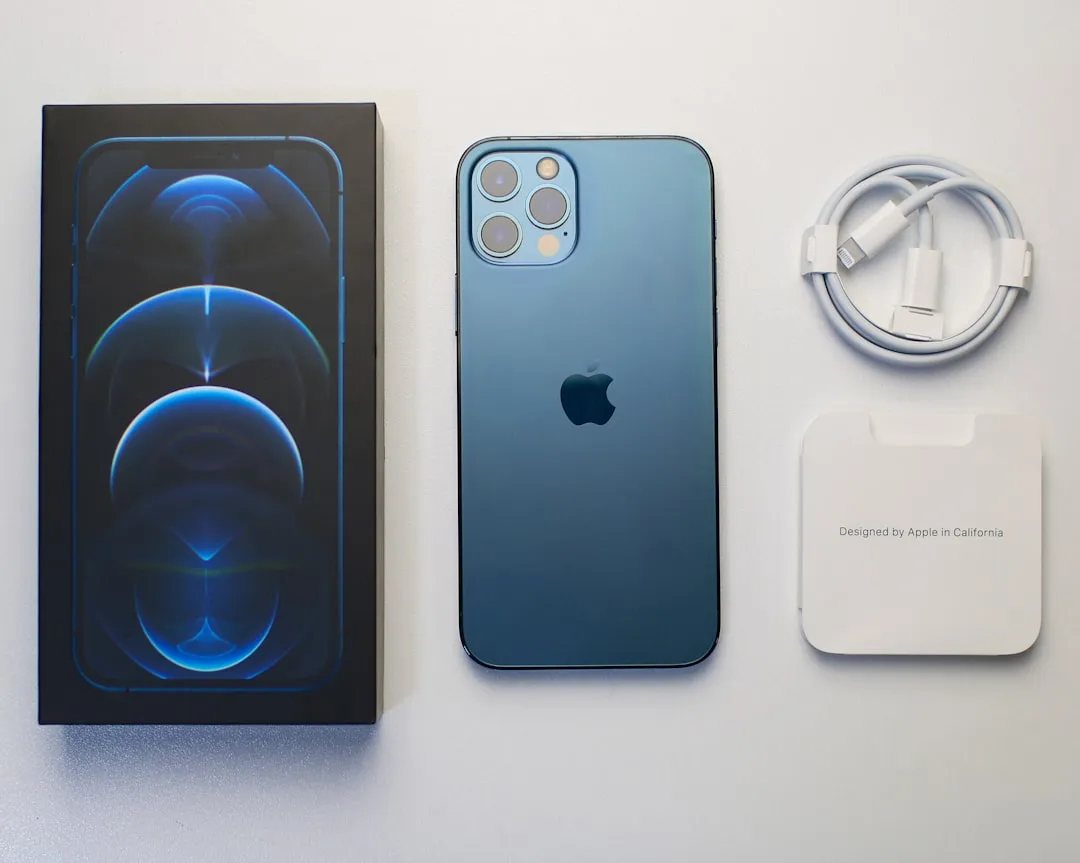
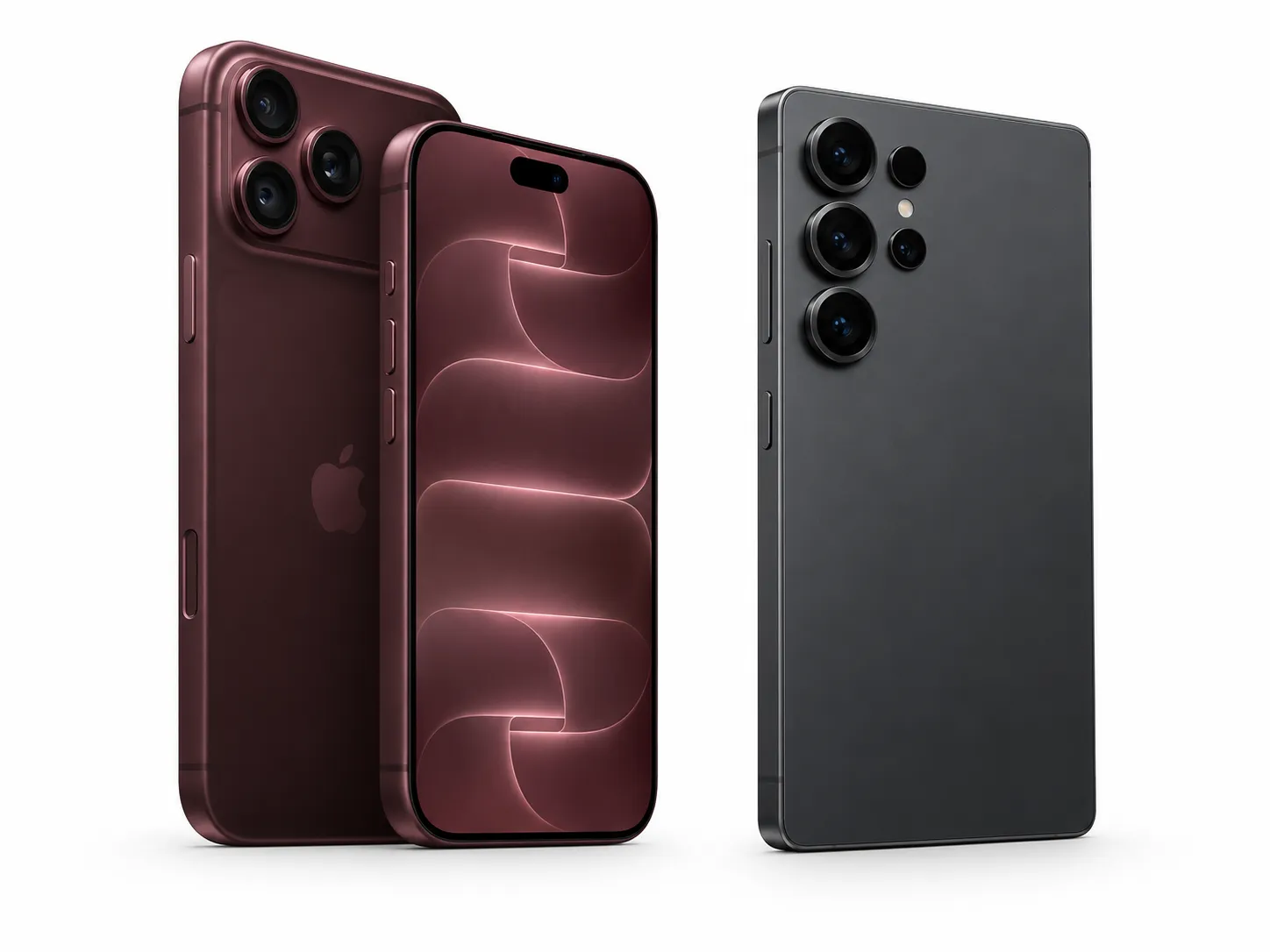
When Samsung has held the global smartphone crown for over a decade, witnessing Apple snatch it away in 2025 feels like watching the tech equivalent of a championship upset. For the first time since 2011, Apple has officially become the world's top smartphone manufacturer, capturing 20% of the global market and leaving Samsung in second place with 19%, according to Mashable.
The data reveals just how tight this race has been. Both companies held identical 19% market shares in 2023, then both dropped to 18% in 2024, as reported by Mashable. But 2025 became the year when Apple's strategic execution finally broke the deadlock.
Apple achieved impressive 10% year-over-year shipment growth while Samsung managed a more modest 5% increase, according to AppleInsider. This momentum difference occurred within a healthy overall market, with global smartphone shipments growing 2% compared to the previous year—marking the second consecutive year of industry growth.
What's driving Apple's remarkable comeback?
Apple's resurgence stems from three key strategic shifts that transformed its market position. The company expanded aggressively into emerging markets while strengthening its product mix, according to Mashable. This represents a fundamental departure from Apple's traditionally premium-focused approach, demonstrating strategic flexibility in pursuit of broader market reach.
The iPhone 17 series became the catalyst driving this transformation. U.S. sales during the first four weeks after launch were 12% higher than the iPhone 16 series, reports CNBC. More impressive was China's response, where iPhone 17 sales exceeded the previous generation by 18% during the same period. These aren't marginal improvements—they represent substantial consumer enthusiasm translating into market dominance.
Apple's strategic product decisions complemented this success. The company introduced the iPhone 16e in February 2025, creating a more accessible entry point for price-conscious consumers, according to Mashable. This move demonstrates sophisticated market positioning—expanding reach without diluting brand premium.
PRO TIP: The iPhone 17's success wasn't just about new features. Apple timed this launch perfectly with a broader upgrade cycle, as consumers who purchased smartphones during the COVID-19 boom entered their natural replacement phase, notes CNBC.
Samsung's strategic response and market positioning
Samsung isn't conceding defeat—the company maintained solid fundamentals with 19% market share and strategic positioning that leverages its core strengths, as noted by AppleInsider. Samsung's growth was driven by strong performance from its mid-range A series devices, along with flagship products like the Galaxy Fold 7 and Galaxy S25.
Where Samsung differentiates itself is through innovation in emerging form factors. The company plans to launch the Galaxy Z TriFold in the coming months, reports Mashable. This approach capitalizes on Samsung's technological leadership in display innovation and manufacturing capabilities—areas where it maintains significant competitive advantages.
The competitive landscape extends beyond just Apple and Samsung. Chinese manufacturer Xiaomi secured third place with 13% market share, according to Anadolu Agency. This demonstrates how multiple players are successfully carving out positions across different price segments and regional markets.
What's particularly noteworthy is how both market leaders are navigating supply chain complexities while maintaining growth. Rising component costs and semiconductor prioritization toward server memory over consumer electronics create industry-wide pressures, reports Anadolu Agency. Yet both Apple and Samsung demonstrate resilience through integrated supply chains and premium positioning that commands higher margins.
The technology and market trends shaping tomorrow
Research firms project that Apple will maintain its leading position through 2029, according to CNBC. This projection suggests we're witnessing a structural market realignment rather than temporary fluctuation.
Innovation pipelines from both companies promise intensified competition ahead. Apple is rumored to be planning significant expansion of its phone lineup and is expected to debut a foldable iPhone later this year, according to Mashable. Meanwhile, Samsung continues advancing foldable technology and display innovation, maintaining its technological edge in these emerging categories.
The smartphone market's evolution toward higher price tiers accelerates, driven by consumers upgrading to premium devices and rising demand for 5G handsets across developing regions, notes Anadolu Agency. This trend particularly benefits both Apple and Samsung, as they're uniquely positioned to capture value in premium segments where margins support continued innovation investment.
Market dynamics reveal interesting regional variations. Japan, Middle East and Africa, and certain Asia-Pacific markets offset weakness in mature markets, according to Anadolu Agency. Apple's strategic expansion into these emerging markets directly contributed to its market leadership achievement.
The bigger picture: smartphone competition enters a new era
This market shift represents more than numerical changes—it signals a new competitive dynamic that could reshape mobile technology leadership for years. Apple's success demonstrates that strategic expansion into emerging markets, combined with strong product execution, can overcome even the most entrenched market positions, as highlighted by Counterpoint Research.
For consumers, this intensified competition promises accelerated innovation cycles and improved value propositions across all price segments. Both companies will likely compress development timelines and feature introductions to maintain competitive advantage.
The renewed rivalry should drive breakthrough innovations in AI integration, advanced camera systems, and display technology. Apple's recent partnership plans to integrate Google's Gemini AI model into Siri, expected to launch an AI subscription service in summer 2026, reports Sherwood News. Samsung's continued leadership in foldable displays and manufacturing innovation ensures technological competition remains fierce.
Bottom line: we're witnessing the most significant shift in smartphone market dynamics in over a decade. Apple's achievement demonstrates sophisticated strategic thinking—expanding market reach while preserving premium brand identity. Whether Apple sustains this momentum or Samsung mounts a successful counter-offensive, this renewed competition promises innovation that benefits everyone who depends on these powerful devices we carry every day.
The tech industry enters 2026 with a fundamentally altered competitive landscape, where market leadership depends not just on product excellence, but on strategic agility and global market execution. For an industry poised for major technological leaps, this competitive intensity should accelerate the innovations that define the next generation of mobile computing.


Comments
Be the first, drop a comment!