





Xiaomi and Motorola phones launched at Snapdragon Summit: Fact check
Search interest around "Xiaomi and Motorola phones launched at Snapdragon Summit" is pulling together three phones tied to Qualcomm's newer chips this week: Motorola's Signature, Motorola's Razr 60 Ultra, and Xiaomi's 17 Pro Max. Nothing in the material reviewed for this article backs up a shared Snapdragon Summit launch. Motorola's spec pages, the one available Xiaomi hands-on report, and Qualcomm's own chip announcement never place these three phones at the same event, in the same region, or on the same timeline.
What's actually documented is narrower, and it's split across very different dates. Motorola's UK support pages list specifications for the Signature and the Razr 60 Ultra, both published three weeks ago, according to Motorola's UK FAQ and Motorola's Razr hardware guide. A Forbes hands-on published about a year ago describes the Xiaomi 17 Pro Max as a dual-screen device running a Snapdragon 8 Elite 5 chip.
That roughly year-long gap between the Motorola documentation and the only available Xiaomi reporting means these three phones don't add up to one launch story, whatever a search for the phrase might suggest. What follows is a source audit: what each document actually confirms, and where a company listing or a single hands-on account is standing in for verified performance data.
Snapdragon Summit phone launches: a source audit, not an event recap
None of the material gathered for this piece, not Motorola's UK pages, not the Forbes hands-on, not Qualcomm's release, mentions a Snapdragon Summit event, a joint press conference, or an announcement covering all three phones together.
The only real connection is a shared Qualcomm chip lineage, not a shared release. Motorola lists the Snapdragon 8 Gen 5 for the Signature and the Snapdragon 8 Elite for the Razr 60 Ultra. Xiaomi's report names the Snapdragon 8 Elite 5 for the 17 Pro Max in its headline. Three separate designations, and nothing in the sourcing explains how Qualcomm ranks or positions these chips against each other beyond what each company's own documentation attaches to its own phone. Assuming the Elite 5 outranks the Gen 5 or the Elite is a guess, not a documented fact.
The Qualcomm material available here is limited to the title and publish date of a release from nearly 11 months ago, "The 8-Series Reimagined: Snapdragon 8 Gen 5 Delivers Premium Performance and Experiences," per Qualcomm's release. That title confirms the chip exists and how Qualcomm frames it. It doesn't confirm whether the release names phone partners or clarifies how the 8 Gen 5 relates to the Elite and Elite 5 branding, since the full release text isn't part of the research gathered here.
Motorola's Snapdragon flagship phone: the Signature
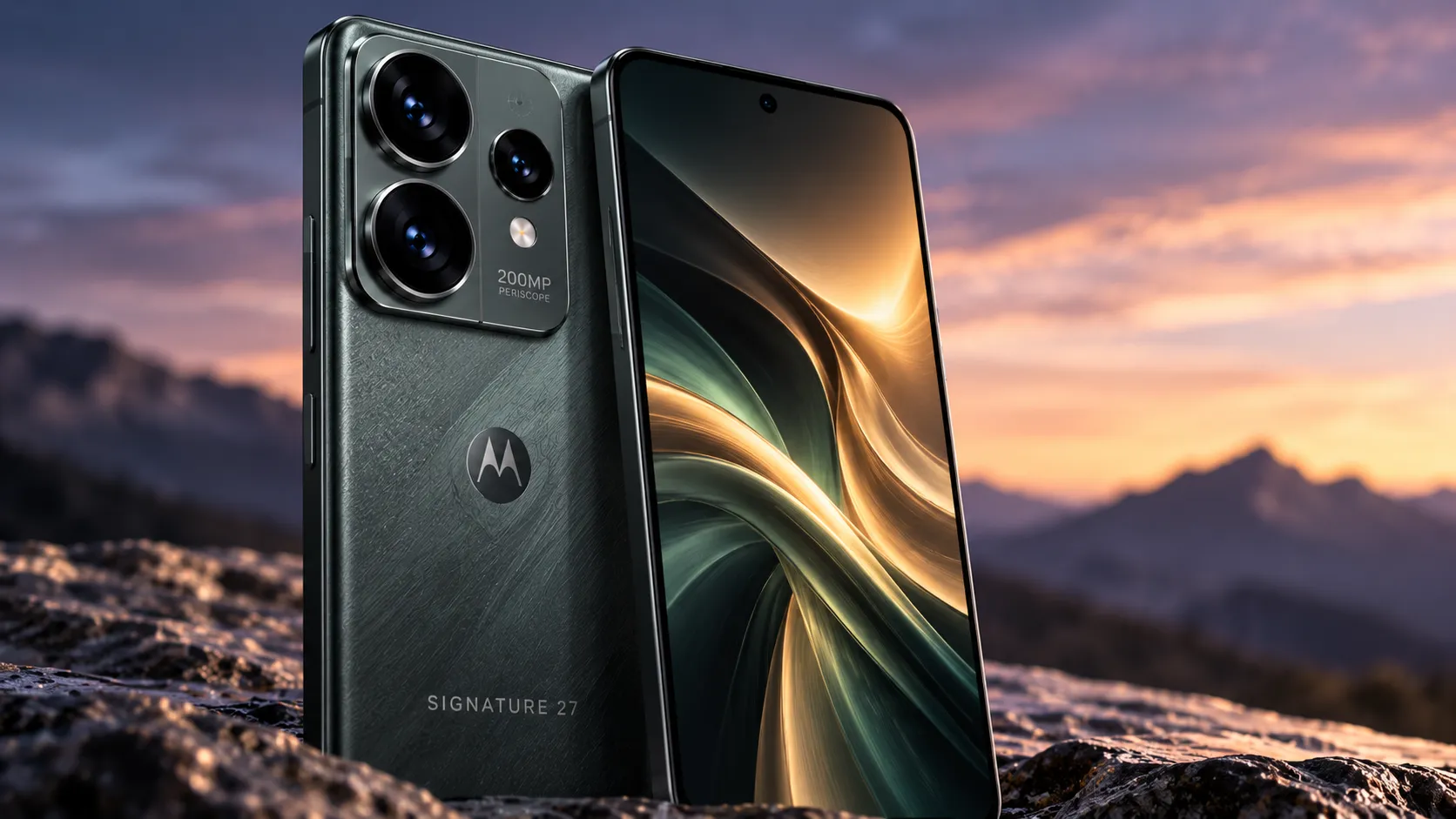
Motorola's UK FAQ lists a 5,200 mAh battery with 90W wired charging and 50W wireless charging for the Signature, a Snapdragon 8 Gen 5 chipset at flagship tier, and a 6.8-inch AMOLED display with Dolby Atmos support, according to Motorola's UK FAQ.
The same page lists a triple 50MP camera setup covering main, ultrawide, and telephoto lenses, an IP68/IP69 rating, an Android build, and seven years of security updates.
These are listed specifications from a single region's support documentation, not results from an independent lab test or a global press release. The material reviewed here doesn't include pricing or retail availability beyond that UK page.
Razr 60 Ultra: Motorola's foldable Snapdragon phone
The Razr 60 Ultra's UK listing shows a 4,700 mAh battery with 68W wired charging and 30W wireless charging, a Snapdragon 8 Elite chipset also listed at flagship tier, 16GB of RAM, and 512GB of storage, according to Motorola's Razr hardware guide.
The same documentation lists a 50MP main camera, a pOLED display, and an IP48 rating. That's a different Snapdragon designation than the Signature carries, and nothing in the material reviewed positions the 8 Elite against the 8 Gen 5 within Motorola's own lineup.
On durability, the Signature and the Razr 60 Ultra carry different IP designations, IP68/IP69 versus IP48, and the supplied Motorola material gives no basis for ranking one phone as more durable overall. No independent test results appear anywhere in the research gathered for this article.
As with the Signature, this documentation covers the UK market only. It doesn't establish pricing, a release date, or availability elsewhere.
Xiaomi 17 Pro Max: a new Xiaomi phone still short on verified detail
Xiaomi introduced a new three-phone lineup, the 17, 17 Pro, and 17 Pro Max, just days after launching its 15T series, according to a Forbes hands-on published about a year ago.
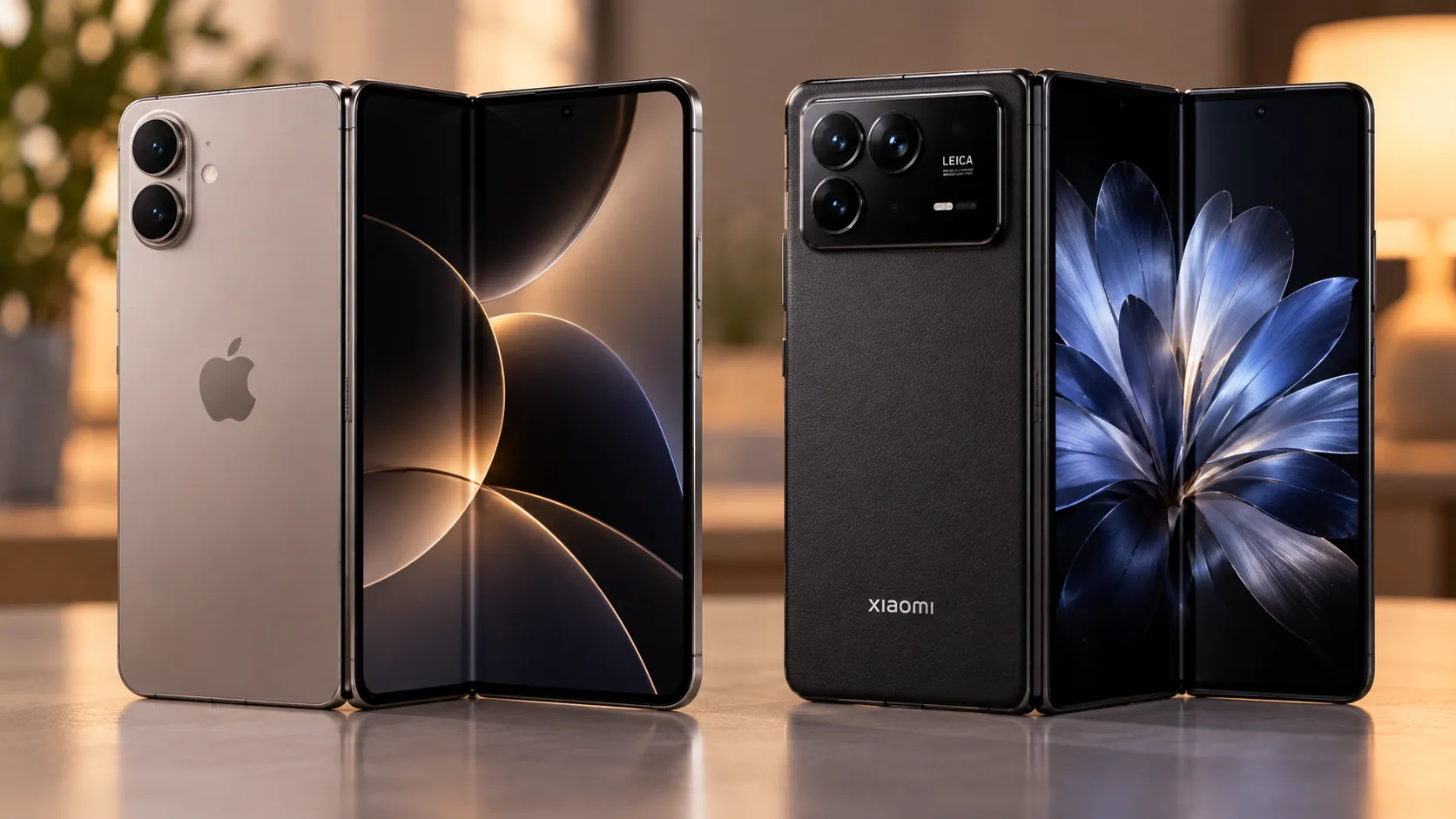
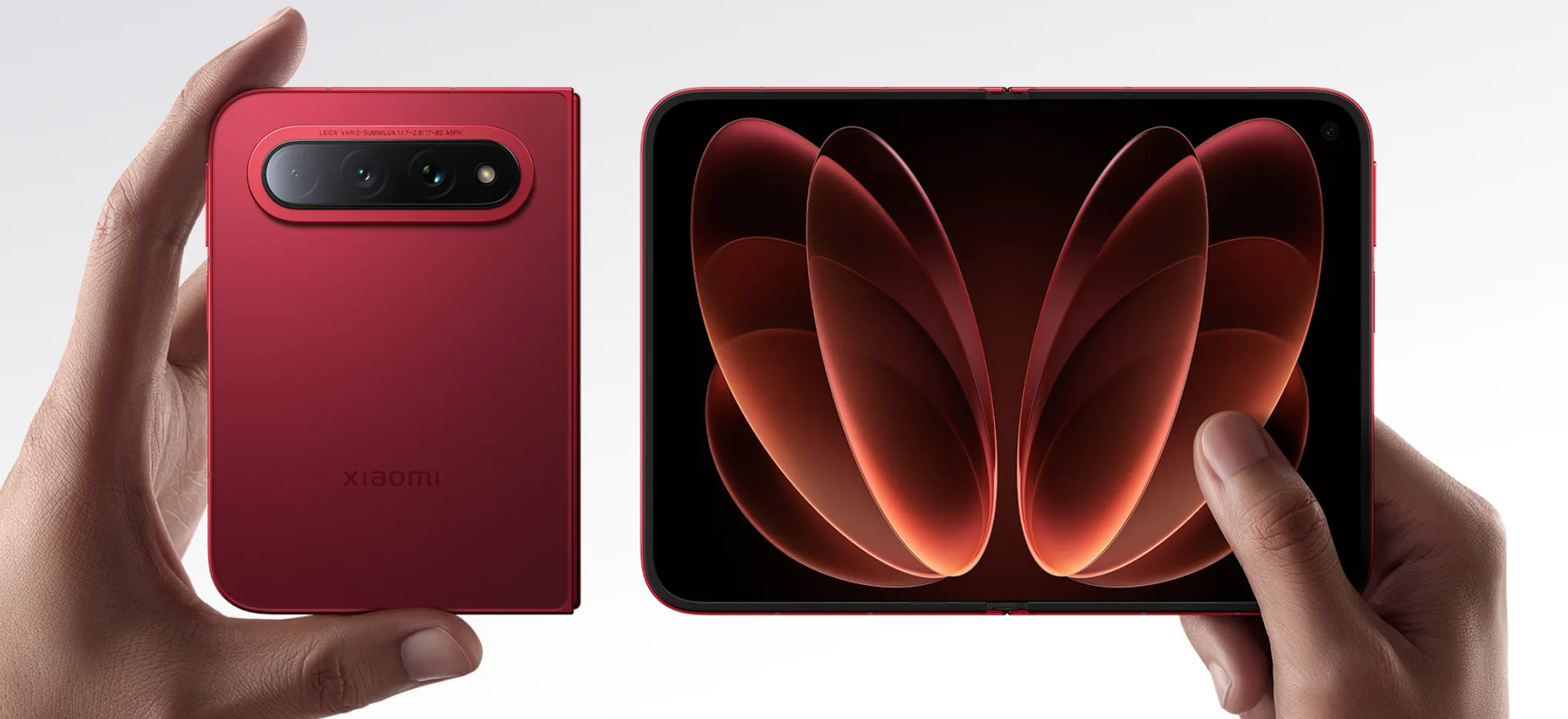
The article's headline identifies the Pro Max as a dual-screen device running a Snapdragon 8 Elite 5 chipset. The body text reads more like a first impression than a spec sheet: the reporter describes testing that turned up "some jaw-dropping specs" and calls the phone "quite unique in several areas."
Nothing in that account covers the second display's size, placement, or software behavior, and there's no price, release date, or confirmed sales region attached to it. Confirming what the dual screen actually does day to day would take Xiaomi's own product page or a fuller independent review, neither of which is part of the research gathered here.
What each source actually establishes
- Motorola Signature: documented on Motorola's UK support page; pricing and availability outside the UK not included in the material reviewed.
- Motorola Razr 60 Ultra: documented on Motorola's UK support page; pricing and availability outside the UK not included in the material reviewed.
- Xiaomi 17 Pro Max: described in a single Forbes hands-on; official specs, pricing, and sales region not included in the supplied research.
Bottom line
Readers checking availability should wait for regional product pages and confirmed pricing before treating any of these three as a finished buying decision. Based on the sources reviewed here, the Signature, Razr 60 Ultra, and 17 Pro Max are separate Snapdragon-branded phones, not confirmed Snapdragon Summit launches, and not yet a fair performance comparison.
Anyone weighing the Signature or Razr 60 Ultra should watch Motorola's regional sites for pricing and release dates beyond the UK documentation cited here. Anyone drawn to the 17 Pro Max's dual screen should hold off until Xiaomi's own product page or an independent review replaces the single hands-on account this story is built on.






Comments
Be the first, drop a comment!