






Oppo Find X9 Ultra 10x Optical Zoom Camera: Strengths and Limits
Oppo launched the Find X9 Ultra today with a camera feature no rival has shipped in three years: a native 10x optical zoom camera built directly into the phone. No accessory required, no software simulation. The phone starts at 7,499 yuan ($1,099) in China, per Digital Trends; UK pricing lands at £1,449 ($1,959) with a May 8 launch date, Engadget confirmed. No U.S. launch has been mentioned in any of the confirmed coverage.
Recent flagships have tended toward 5x-class telephoto modules, with manufacturers leaning on computational processing to simulate longer reach. The Find X9 Ultra is Oppo's argument that genuine optical reach still matters at the premium tier in ways software zoom cannot fully replace. Whether that argument holds up across all shooting conditions is a more complicated question.
This is a launch analysis based on today's specifications and early hands-on reporting. The Hasselblad 300mm Explorer Teleconverter and Earth Explorer Case are part of the announcement but arrived too late for testing, The Verge confirmed. That gap shapes what can and cannot be verified here.
Why 10x optical disappeared and why Oppo brought it back
On the Find X9 Pro, reaching 10x zoom required attaching a separate teleconverter accessory designed exclusively for that phone, a professional-grade optical add-on rather than a built-in lens, Oppo's own release from last October noted. The X9 Ultra makes 10x a native capability built into the chassis. That's the meaningful generational shift.
Oppo claims the 10x telephoto delivers lossless image quality up to 20x by cropping from the 50MP sensor, which it describes as an "industry-first" 20x optical-quality zoom, Digital Trends reported. Neither claim has been independently benchmarked. What has been assessed: The Verge, which had hands-on time before launch, called the 10x lens "the best of its kind" the strongest independent confirmation available at this stage.
Oppo Find X9 Ultra 50MP telephoto camera: confirmed strengths and real limitations
The most useful way to read this zoom system is as a practical hierarchy across three focal ranges.
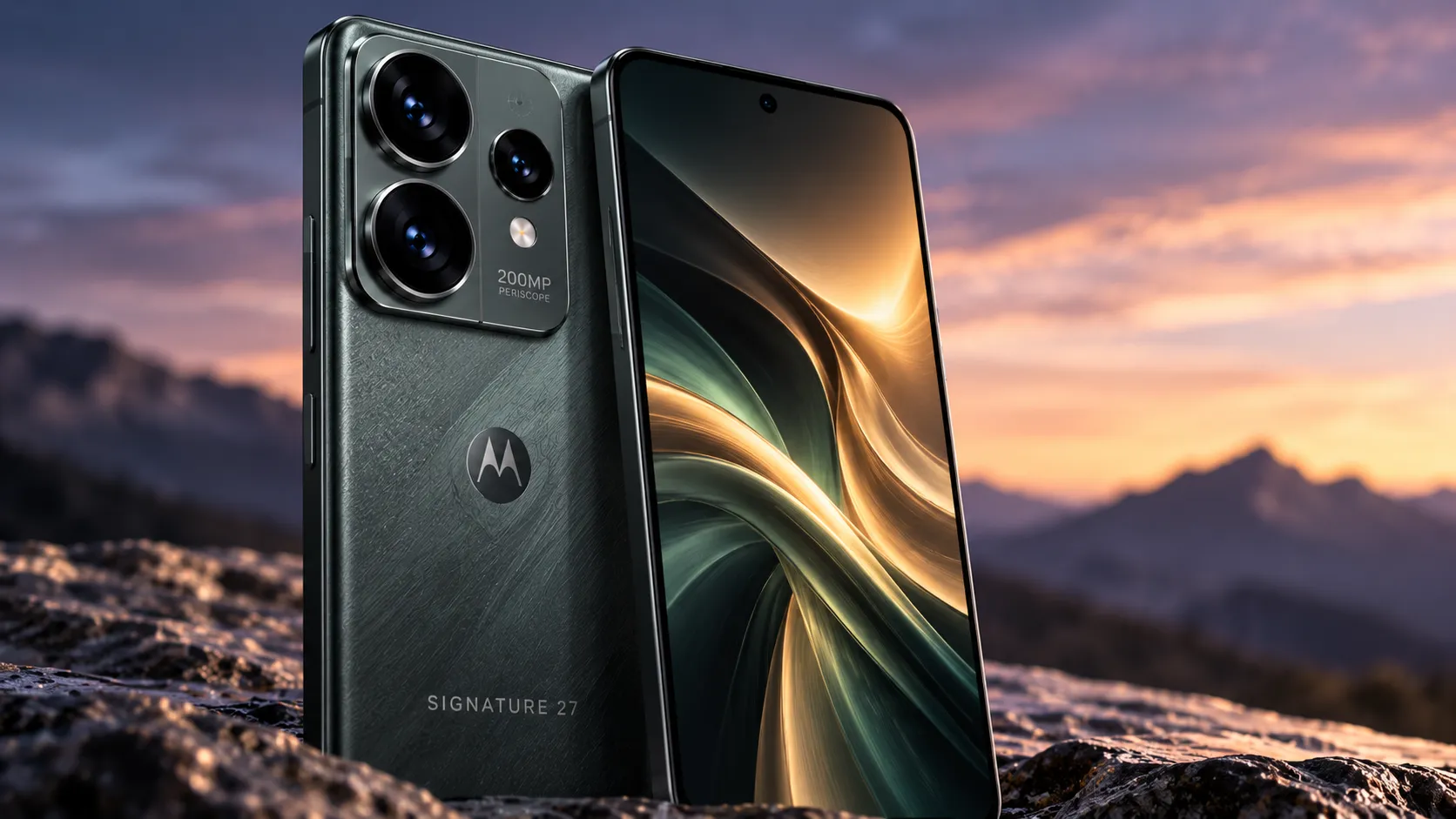
At 3x: The workhorse. A 200MP periscope telephoto with a 1/1.28-inch sensor and f/2.2 aperture that doubles as a macro shooter, Digital Trends noted. At that resolution, cropping to simulate 4x or 5x is viable in a way it simply isn't on lower-resolution sensors. Oppo claims the full array covers eight distinct focal length equivalents, from 14mm out to 460mm, Digital Trends reported which means the 3x lens carries much of the moderate zoom range, freeing the 10x to do one thing well.
At 10x: The 50MP, 1/2.75-inch Samsung JNL sensor at a 230mm equivalent focal length is where the X9 Ultra separates itself from the current field, Android Central reported today. The lens earned "best of its kind" from The Verge, but the same review confirmed a limitation that physics-aware readers will recognize: moving subjects come out soft and blurry, and the problem compounds in low light. That's not a flaw specific to this hardware. A 230mm equivalent focal length magnifies camera shake and subject motion alike it's a known constraint of shooting at that focal length, and no software update resolves it.
At 13x and beyond with the teleconverter: The Hasselblad 300mm Explorer Teleconverter mounts onto the 3x telephoto and extends it to 13x optical zoom, Engadget confirmed. Oppo claims it can push to 690mm or 30x "while maintaining optical quality" by drawing on the 200MP sensor's resolution, Digital Trends reported. The teleconverter's magnification ratio increased from 3.28x on the Find X9 Pro to roughly 4.3x here, per Engadget. One practical note: previous Oppo teleconverters are not compatible with the X9 Ultra, Engadget confirmed.
The "30x optical quality" claim is unverified. The teleconverter arrived too late for The Verge to test. Treat it as a specification to be confirmed in full reviews, not an established fact.
Based on launch-day evidence, the system is best suited to stationary subjects at distance: architecture, wildlife from a fixed position, stadium sports with a locked-down shooting angle. For tracking fast or unpredictable movement in low light, a 230mm equivalent focal length works against the shooter. That's an honest description of what long telephoto lenses do.
The accessory ecosystem and pro video credentials
Beyond the native zoom system, Oppo is pitching the X9 Ultra as the foundation of a modular imaging platform.
The Hasselblad Earth Explorer Case adds a two-stage shutter button (half-press for focus, full-press to shoot), a physical zoom dial, and support for standard 67mm screw-in filters, Digital Trends reported. The full Hasselblad Professional Imaging Accessory Kit is priced at 2,499 yuan (~$366), Digital Trends noted. The 67mm thread standard is what makes this practically useful: third-party ND filters, polarizers, and close-up lenses attach without proprietary adapters, which means photographers who already own compatible filter systems can use what they have.
On video, the specs go well past what Oppo has offered before. The X9 Ultra records 4K/60fps Dolby Vision HDR across all five cameras, including the front lens, The Verge confirmed, with 4K/120fps on both 200MP cameras and 8K/30fps also supported, per Digital Trends. The phone introduces O-Log2, a new flat color profile for post-production grading, and carries ACES (Academy Color Encoding System) certification, meaning footage can slot into professional post-production pipelines alongside dedicated camera material, per Engadget. Third-party LUTs load on-device for real-time color monitoring without a separate monitor, Engadget confirmed.
The rest of the chassis deserves a clear accounting. Snapdragon 8 Elite Gen 5 handles processing, backed by what Oppo claims is an industry-first Encapsulated Thermal Unit designed to prevent throttling during sustained 8K recording, per Engadget. The battery is a 7,050mAh silicon-carbon unit with 100W wired and 50W wireless charging, Digital Trends confirmed. Gorilla Glass Victus 2, IP66/IP68/IP69 ratings, and a 144Hz QHD+ AMOLED panel at 3,600 nits peak brightness round out the package, per Digital Trends and The Verge. Ambitious camera hardware usually forces compromises elsewhere; nothing in the confirmed spec sheet points to any obvious ones here.
What this launch settles and what comes next
The 10x lens earned a clear endorsement from independent hands-on testing. The pro video credentials ACES certification, O-Log2, Dolby Vision across all five lenses go further than what most current flagship-tier competitors offer on paper. Whether the teleconverter's "30x optical quality" claim and the accessory case hold up under sustained real-world use are questions that remain for full reviews to answer.
The pricing gap is also worth tracking. The China launch at roughly $1,099 undercuts the Samsung Galaxy S26 Ultra by about $100, Digital Trends noted. The UK price of £1,449 (~$1,959) is a significant premium by comparison, Engadget reported. The phone is confirmed for parts of Asia and Europe; no U.S. launch has been mentioned in any cited reporting. For buyers in markets where it does arrive, the X9 Ultra is the clearest answer currently available to a question the rest of the industry stopped asking: what does a flagship look like when optical reach is the starting point, not the afterthought?











Comments
Be the first, drop a comment!