





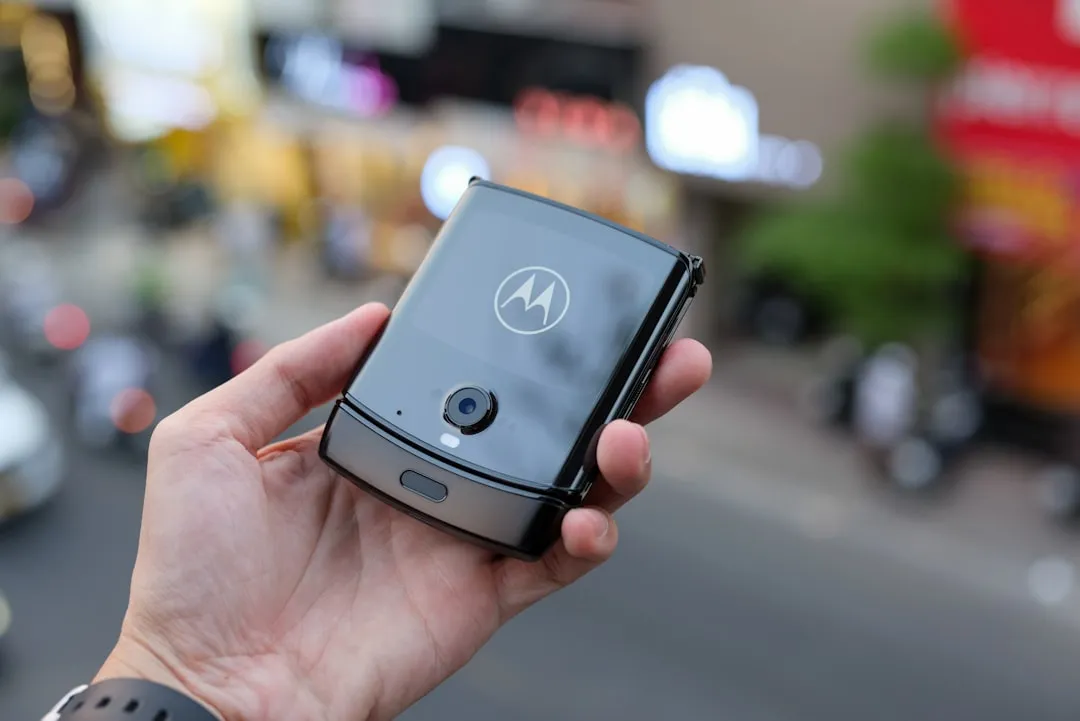
Motorola Razr 2026 Price Increase: What Buyers Need to See
Motorola has spent several years building the Razr into a credible clamshell foldable, not by out-speccing Samsung at every turn, but by making sensible hardware tradeoffs at a price that felt honest. That approach is now under strain. The 2025 Razr Ultra launched at $1,300, then CNET reported earlier this month that Motorola had cut it to $800, presumably to clear stock ahead of the next release cycle. A $500 discount suggests Motorola priced above what the market would bear. With the new Motorola Razr lineup expected within the next month, per Android Police, the question worth asking is direct: what does Motorola actually need to deliver for any Motorola Razr 2026 price increase to make sense?
The answer involves two concrete tests. Does the phone offer software support that matches its cost? And do the hardware changes represent improvements buyers will actually notice in daily use? Working through those questions, using a year of real-world use data and confirmed details on the broader lineup, produces a clearer picture than pre-launch speculation usually allows.
The software support problem is the strongest argument against paying premium Razr prices
Start with what the 2025 Razr Ultra actually was. The hardware package was legitimate: a 4-inch cover display, a 7-inch internal foldable screen, dual 50-megapixel rear cameras, a 50-megapixel front camera, a 4,700mAh battery, and 512GB of storage, per CNET. That same source called it a great premium foldable and a genuine rival to Samsung. The acknowledgment matters, because the problem was never that the phone was bad.
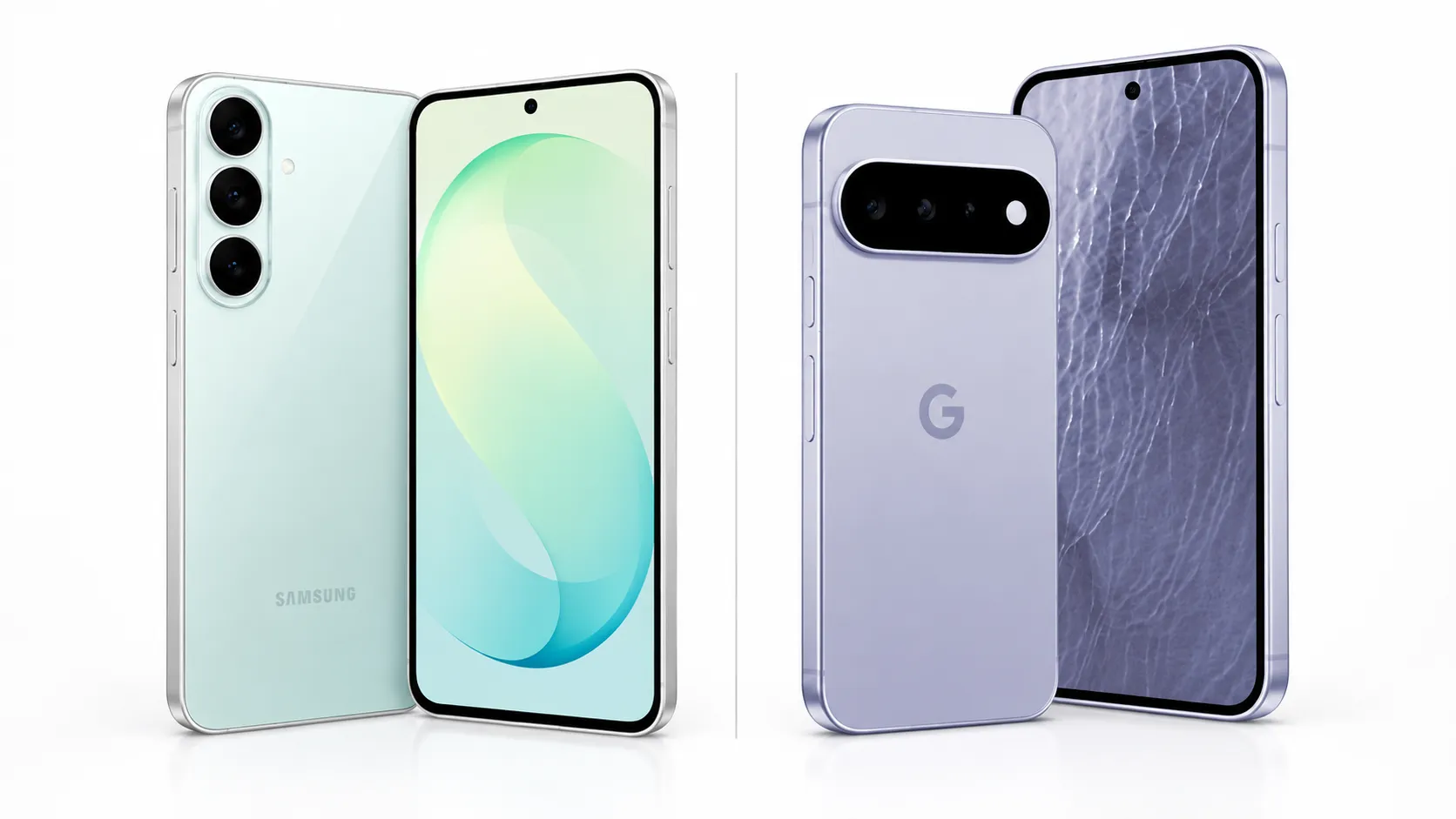
The problem was what didn't come with it. At $1,300, the Ultra shipped with only three years of OS updates and four years of security patches. Samsung's Galaxy Z Flip 7 starts around $1,100 for 256GB in U.S. pricing, already $200 less, and ships with seven years of both software and security updates. CNET noted that seven-year coverage has become the standard for premium Android phones, foldable or otherwise. Paying more and getting less longevity is a hard sell regardless of how good the camera is.
The most revealing detail is internal to Motorola's own lineup. The Razr Fold, the company's forthcoming book-style foldable, has been reported to offer up to seven years of OS and security support, per both The Verge and CNET, reported in early March and earlier this month respectively. Motorola knows where the benchmark sits. It just hasn't consistently applied it to the clamshell line.
There's also a gap between policy and lived experience. Android Police reported earlier this month that the base Razr 2025 was still running Android 15 while Android 16 has begun rolling out in stages to parts of the Razr lineup. Update delays aren't hypothetical risks to weigh against a spec sheet; they're a documented feature of actual ownership. Until Motorola confirms up-to-seven-year support for the 2026 clamshell models, the software gap remains the clearest reason to pause before committing.
Motorola Razr 2026 vs Razr 2025: what actually changed, and what the leaks suggest
The 2025 base Razr set a useful baseline for understanding where the clamshell line stands. GSMArena described it as a facelift when reviewing it last June: the physical chassis was unchanged from its predecessor, but the battery grew to 4,500mAh through a switch to silicon-carbon cell technology that fits more capacity into the same physical space. Dust protection was added alongside the existing water resistance. New Pantone-curated color options arrived. Real improvements, honestly modest ones.
The clearest leaked data available on the 2026 Razr Ultra is its physical dimensions. Leaked CAD renders shared by The Verge in late March show the phone measuring approximately 7.8mm unfolded and 15.8mm folded, roughly 0.6mm thicker unfolded and 0.1mm thicker folded than the 2025 model. In a category where slimmer has historically been the direction of travel, that's a lateral move at best.
CNET acknowledged the difference is one most people would never consciously register in hand, but also noted it runs contrary to the direction buyers typically expect. The point isn't that fractions of a millimeter ruin the experience. These leaks simply offer no evidence of a meaningful design evolution heading into what could be a more expensive cycle.
Two important caveats apply. Leaked dimensions aren't a complete picture; camera, hinge, display, and charging improvements could still materialize before launch. Motorola has also not officially announced 2026 clamshell pricing, so any price increase framing is based on trend and context rather than confirmed numbers. That said, the 2025 Ultra's $500 discount is itself a data point. That kind of correction is hard to read as anything but a sign that the original price was too ambitious.
The base Razr is the lineup's most honest product, and that's a problem for the premium tier
After nearly a year of using both the base Razr 2025 and the Ultra, Android Police concluded earlier this month that the cheaper model was the more impressive one. That finding deserves some attention. It doesn't mean the Ultra is a bad phone. It means the base Razr is calibrated well enough that the gap between them doesn't obviously justify the price difference.
The calibration shows up most clearly in battery life. The base model pairs a 4,500mAh cell with a MediaTek Dimensity 7400X chip and a 1080p display, hardware that prioritizes efficiency over benchmark scores. Android Police reported that the phone frequently ends a full day of use with around 50% battery remaining. That kind of endurance is the upgrade buyers feel on day 200, not just day one.
The Dimensity 7400X handles daily tasks and casual gaming without strain, and GSMArena confirmed in its review last June that the chip is more than adequate for the phone's use case. The spec sheet looks midrange; the experience doesn't feel like a step down. Android Police put it plainly: most buyers have no practical need for flagship-tier silicon, especially when chasing it raises prices.
The Razr Fold illustrates what genuine premium hardware justification looks like. The Verge reported in early March that it carries a Snapdragon 8 Gen 5 chip, a 6,000mAh silicon-carbon battery, 80W wired and 50W wireless charging, and a triple-camera system built around a 50-megapixel Sony LYTIA sensor with a 50-megapixel 3x optical zoom and a 50-megapixel ultrawide. Its European launch bundle is priced at €1,999, roughly $2,350 at current rates, though U.S. pricing hasn't been confirmed. The point isn't to recommend it. It's to show that when the hardware leap is obvious and the support commitment is up to seven years, the premium has a real argument behind it. For the clamshell Ultra, neither condition was clearly met in 2025.
Motorola Razr 2026 upgrades: which ones would actually justify the price?
The critique is clear enough. The more useful question is what a genuinely compelling 2026 Razr Ultra would actually need to deliver. There's a short list, and none of it is unreasonable.
Software support is the threshold condition. Seven years of OS and security updates, matching what the Razr Fold already commits to and what Samsung offers on the Flip 7. Without that, the Ultra's premium over its clamshell rival needs another explanation, and there isn't an obvious one. This isn't a stretch ask; Motorola has already demonstrated it can make this commitment on its own hardware.
Battery and charging gains matter more than they might seem on paper. The base Razr's 4,500mAh cell with a midrange chip already delivers exceptional endurance. For the Ultra to justify a significantly higher price, it needs a charging speed that actually differentiates it, not incremental wattage bumps but a meaningful real-world gap. The Razr Fold's 80W wired and 50W wireless charging sets a reference point within Motorola's own lineup.
Camera performance is the category where buyers feel the difference most acutely and where specs most reliably mislead. Megapixel counts don't tell you much; low-light performance and motion handling do. An Ultra that genuinely closes the gap on Samsung's Flip 7 in those conditions, rather than matching it on sensor resolution, would represent a meaningful step. The 2025 Ultra's dual 50-megapixel system was capable, but "capable" at $1,300 isn't the same as competitive.
Hinge and crease durability rarely make headlines but matter to people who actually live with foldables. If Motorola has improved crease visibility or hinge confidence over the 2025 model, that's worth communicating clearly, not buried in fine print.
Pricing relative to the base Razr and the Samsung Flip 7 is the final variable. If the Ultra launches above $1,000 without meeting the software support bar, it's asking buyers to repeat the calculation that produced a $500 mid-cycle price cut. The market gave that answer already.
What buyers should look for before committing
The 2025 Razr Ultra's correction from $1,300 to $800 is the most informative data point in this story. Motorola shipped a capable phone at a price the market didn't fully accept, then adjusted. Whether the 2026 lineup draws the right lesson will be visible early: the confirmed software support policy and the launch price will tell most of what buyers need to know before the reviews arrive.
A practical framework for evaluating the 2026 models: Does the Ultra ship with up to seven years of OS and security updates? If not, the premium over Samsung's Flip 7 requires a different justification. Do the hardware changes, in battery life, hinge feel, and camera performance in real conditions, represent improvements buyers will notice in actual use? Incremental refinements on a facelift chassis, as GSMArena described the 2025 base model last June, can be enough when the price reflects it. At $1,300, they weren't.
The base Razr 2025, and likely its 2026 successor if it holds the same philosophy, represents the most defensible place to spend money in the clamshell lineup. Efficient, well-calibrated, and honest about what it is. The Ultra is worth reconsidering when, and only when, Motorola matches the software support standard it's already committing to on the Fold.
Android Police captured the stakes concisely earlier this month: significant upgrades that raise prices are the one outcome the Razr doesn't need. The checklist above isn't demanding. It's just the minimum that makes a premium price defensible. Motorola's job this cycle is to meet it.





Comments
Be the first, drop a comment!