





Huawei Pura X View Price, Specs, and Release Date Explained
Huawei's Pura X View now has official China pricing and a full spec sheet, and it's a non-folding phone that borrows the wide-screen proportions foldables made popular, minus the hinge, according to Gagadget. The phone packs a 6.39-inch, 16:9.5 OLED display into a conventional slab body, noticeably wider than the 19.5:9 ratio most phones use. China retail sales begin September 9, with pricing starting around $845 for the base configuration, and Huawei has not announced a US or UK launch.
That last point matters most if you're reading this outside China. Huawei's China software package does not include Google Mobile Services, so there's no Play Store, Gmail, or Google Maps, and Gagadget lists AppGallery as the available app store. A wider release into parts of Europe and Southeast Asia has been floated for as early as November 2026, but Gagadget frames that as an estimate rather than a Huawei commitment. Until an official channel exists, Gagadget, citing Liaow, says third-party resellers are the route for buyers outside China.
Huawei Pura X View price, colors, and release date in China
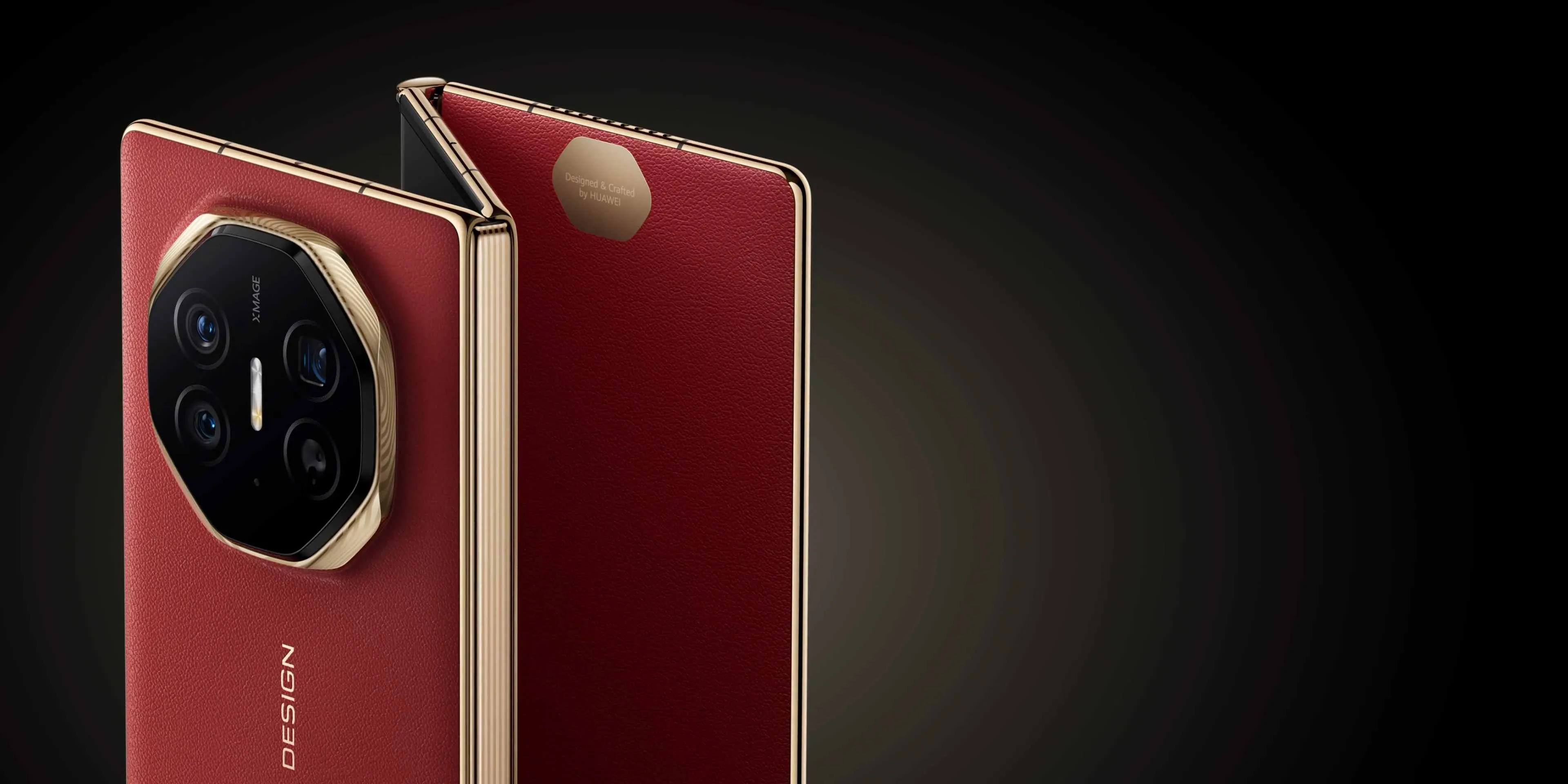
Three storage tiers go on sale September 9: 12GB/256GB at roughly $845, 12GB/512GB at roughly $985, and 12GB/1TB at roughly $1,125, according to Gagadget. The phone comes in four colors: Shadow Red, Linen Gray, Zero White, and Phantom Black.
Gagadget also confirms dual physical SIM plus eSIM support, IP68/IP69 water resistance, Wi-Fi 7, and Bluetooth 6. Charging tops out at 66W wired and 50W wireless.
Why Huawei dropped the hinge this time
The Pura X View is the third act in a design pattern Huawei has run for three years straight. The Mate XT tri-fold arrived in autumn 2024, the wide-format Pura X foldable followed in spring 2025, and now the Pura X View keeps the wide proportions but achieves them without a folding mechanism, per 36Kr's report.
Gagadget lists a 6.68mm-thick, 201g body around a 7,000mAh battery, larger than anything currently in the iPhone or Galaxy S lineups, alongside a 200MP main camera and Huawei's own Kirin 9030S chip. The rear camera setup has four elements: that 200MP main sensor (an OmniVision 1/1.28-inch unit with f/1.8 aperture and OIS), an 8MP ultra-wide, a 50MP periscope zoom with 3.7x optical reach, and a sensor listed as 2MP multispectral for color accuracy. 36Kr also reports that, used as a daily driver, the battery holds up for roughly a day and a half before needing a full charge, a usage figure reported by 36Kr rather than independent testing.
Price is where the flattened design creates a real gap. 36Kr reports the Pura X View lands in the 6,000-yuan range, and Gagadget's confirmed dollar pricing of around $845 for the base model lines up with that. Huawei's own foldable Pura X starts at 7,499 yuan and the larger Pura X Max starts at 10,999 yuan, according to the same 36Kr report, which frames the gap as the flat design undercutting Huawei's own folding lineup.
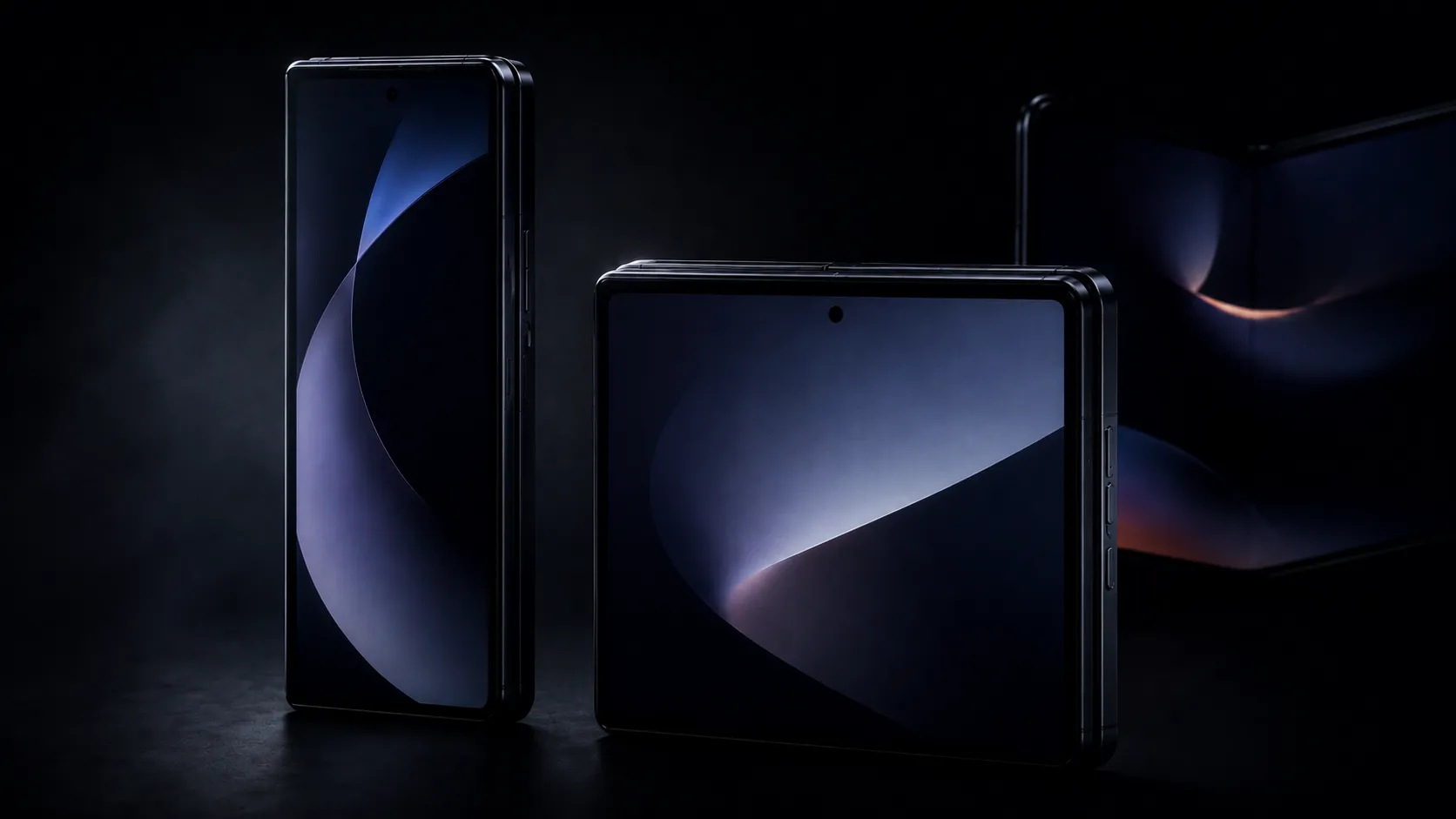
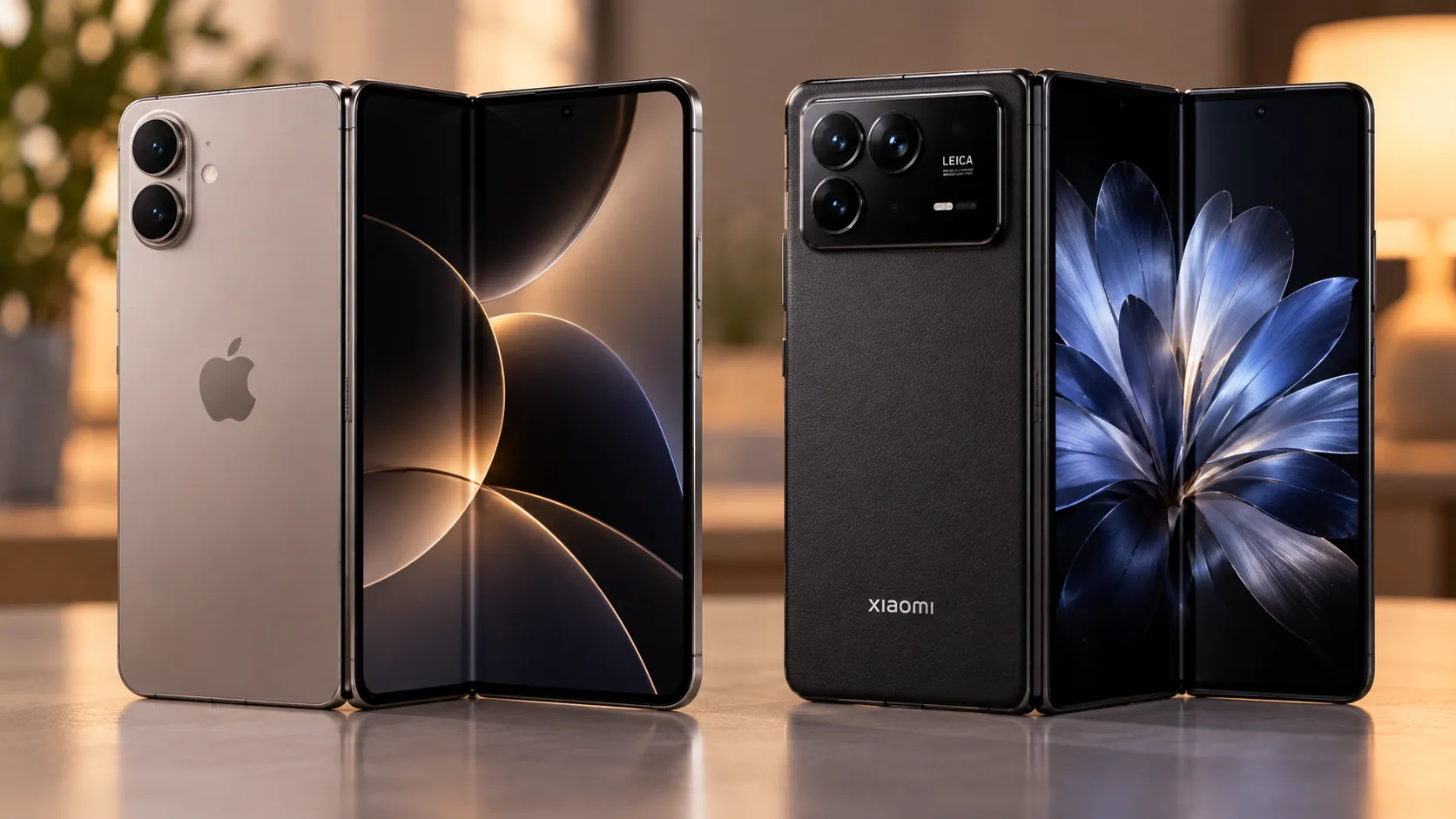
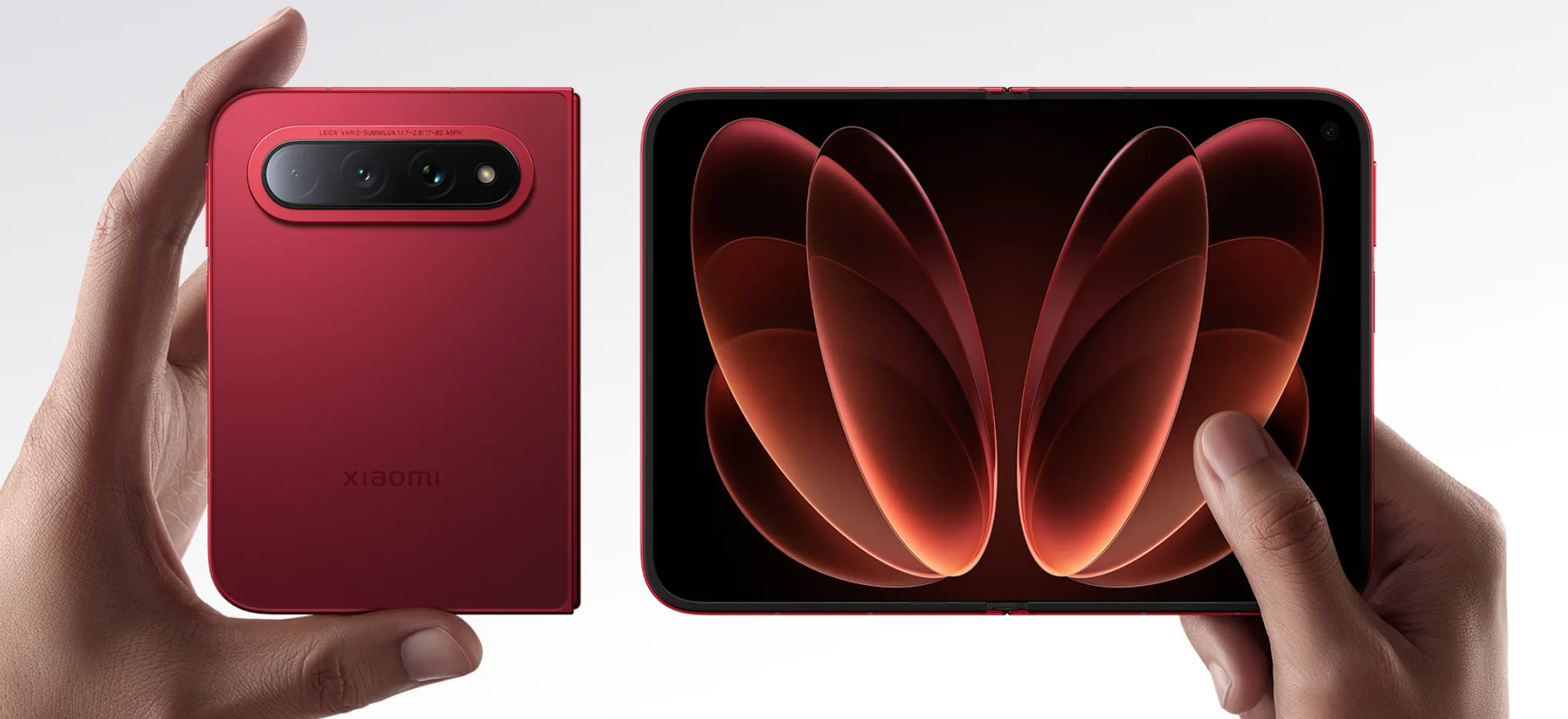
36Kr also notes that 2026 has brought wider interest in this shape elsewhere: Samsung has reportedly adjusted its foldable lineup toward wider aspect ratios, and Xiaomi has shown a wide foldable prototype publicly. That's 36Kr's own framing of a broader trend, not a confirmed roadmap from either company.
Huawei Pura X View 16:9.5 display: what changes in daily use
Huawei puts the actual display area at 114.27 square centimeters, according to 36Kr, a more useful number than the aspect ratio alone. It shows that going from 19.5:9 to 16:9.5 isn't a cosmetic tweak; it changes how much content fits on screen at once.
The panel itself is built to support that extra width. Gagadget and Android Authority both confirm a 120Hz refresh rate, 6,500-nit peak brightness, 2,232 x 1,320 resolution, and Kunlun glass protection.
A wider canvas like this could plausibly help with video framing, landscape browsing, document viewing, and side-by-side content, the kind of use cases foldables get credit for. But nothing in the reporting proves every app actually takes advantage of it. Memeburn's pre-launch reporting said HarmonyOS 7 was built so apps would natively adapt to wide layouts rather than simply stretch, but that's a platform-level design claim, not proof of how individual apps behave. 36Kr's hands-on report found that in practice, most apps treat the phone as "an ordinary phone that is slightly wider" rather than a genuinely reformatted wide-screen experience, and specifically flagged that WeChat on HarmonyOS doesn't support tablet-mode login on this device. That's the concrete example worth remembering: a wider panel doesn't automatically produce tablet-style software, and WeChat is proof of that on this specific device.
As for how the shape feels to hold and use day to day, the cited reports provide thickness and weight, but no independent grip or one-handed-use testing. That piece of the picture stays unconfirmed until reviewers get units in hand.
Should you import one? Check these first
The Pura X View is China-only at launch, with no confirmed US or UK retail channel. Anyone considering an import is working around two open questions, not one settled purchase.
The first is network compatibility. There's no supported-band data in the reporting available here, so before buying through any reseller:
- Confirm the specific model supports your carrier's bands.
- Don't assume compatibility just because the phone runs modern connectivity standards like Wi-Fi 7 and Bluetooth 6.
The second question matters more for this phone's specific pitch, since app layout is what determines whether the extra width actually produces more usable content rather than just a wider strip of the same interface. HarmonyOS 7 runs without Google Mobile Services, so app availability and Google-dependent functions may differ from Android and need checking one by one:
- Check whether the banking, work, and messaging apps you rely on are available through AppGallery or require a workaround.
- Don't assume every app will reformat itself for the wider screen just because HarmonyOS 7 supports that behavior; WeChat's tablet-mode limitation is a documented example, not an outlier.
For most readers in the US and UK, the combination of no confirmed retail channel, no Google Mobile Services, and unverified carrier-band support makes this a phone to watch rather than buy today. If a broader Europe or Southeast Asia rollout does materialize around the floated November 2026 window, revisit the carrier-band and app-compatibility checks once Huawei actually confirms a channel, rather than treating this week's China-only pricing and specs as a stand-in for that decision.





Comments
Be the first, drop a comment!