




EU Repairable Smartphones Rules: What Changed and What Hasn't
Since last June, every smartphone placed on the EU market must meet minimum ecodesign requirements covering spare parts availability, software support, battery durability, and repair access. The same device must display a repairability score, A to E, at the point of sale. These are not aspirational targets they are conditions of market access, per the European Commission.
Repairable smartphones are no longer a niche product category defined by Fairphone and advocacy groups. They are now the legal baseline for selling in the world's largest single market. The harder question is whether the rules change anything consumers will actually notice.
European policy has already played a measurable role in reshaping the device market. Directives on e-waste, spare parts access, and right to repair have helped drive the refurbished tech sector's growth, with the market projected to surpass €30 billion by 2033, Euronews reported earlier this year. The regulation is not hypothetically ahead of the market. It has been moving it for years. The question now is whether the new rules accelerate that, or whether manufacturers, retailers, and consumers treat compliance as a ceiling rather than a floor.
What the EU repairable smartphone rules actually require
The ecodesign regulation, which took effect last June, sets out concrete minimum thresholds for smartphones placed on the EU market. Batteries must retain at least 80% of their initial capacity after 800 full charge cycles. Manufacturers must supply key spare parts within five to ten working days and keep them available for at least seven years after a model is discontinued in the EU. Professional repairers must receive fair access to the software or firmware needed to complete repairs, according to the Commission.
Operating system updates must remain available for at least five years from the date the last unit of a model is sold. That combination — parts for seven years, software for five — targets the two most common ways a functioning phone becomes functionally useless before it physically breaks.
A separate right-to-repair regulation, agreed by EU legislators in early 2024, goes further. Manufacturers are banned from using hardware modifications, software locks, or contractual terms to obstruct repairs, and must price spare parts at reasonable levels, Euronews reported at the time. Parts availability is easy to hollow out with restrictive pricing or pairing requirements. The obstruction ban is what makes the seven-year commitment enforceable rather than cosmetic.
Under the energy labelling regulation that came into force alongside these rules, devices must display information on energy efficiency, battery lifespan, and resistance to dust, water, and accidental drops. For the first time in EU law, they must also show a standardised repairability score. The label gives buyers a rough signal about future repairability and maintenance burden it is a longevity indicator, not a full specification. Think of it the way you would a car's fuel economy rating: useful on one axis, not a substitute for the rest of the picture.
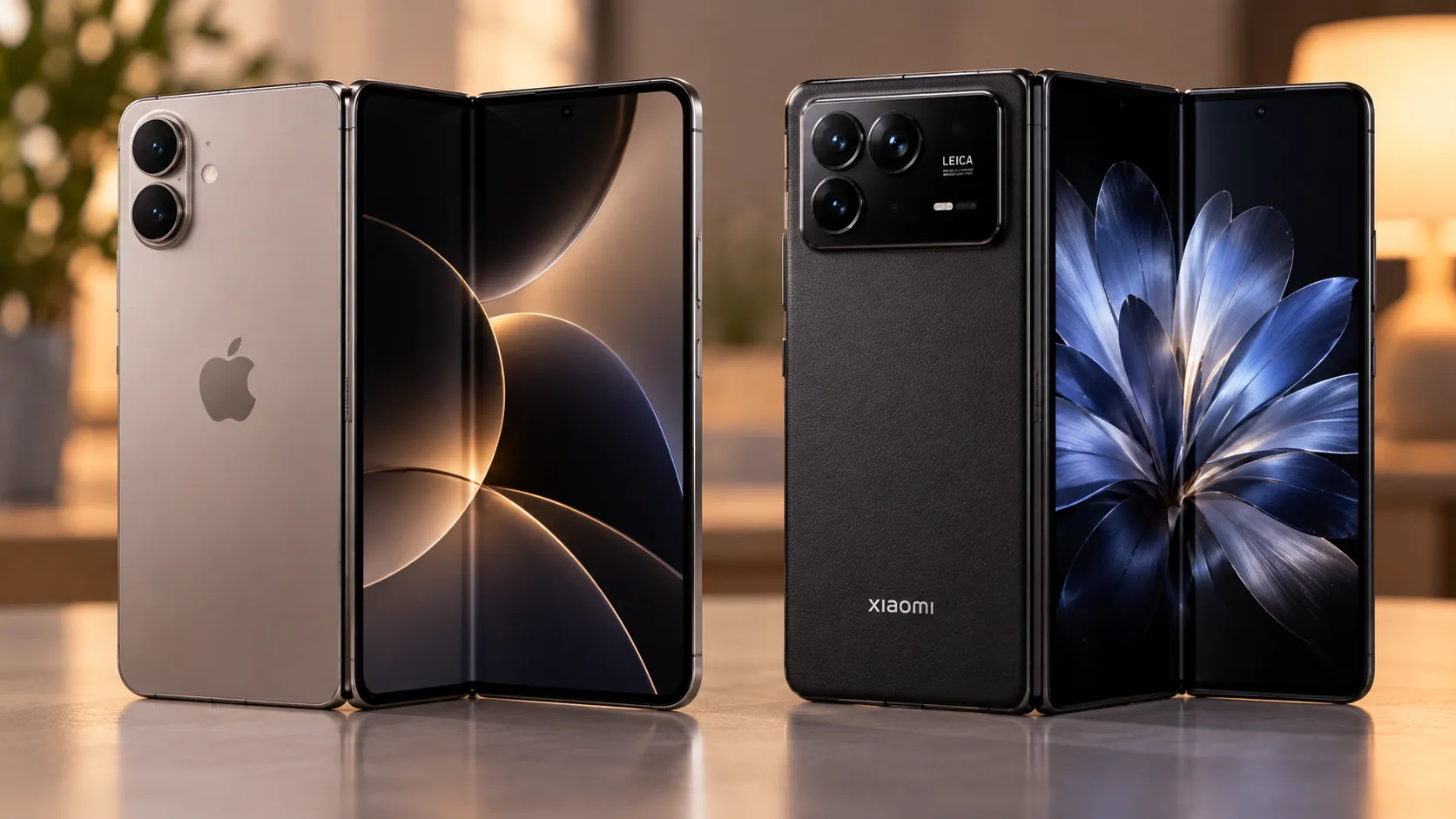
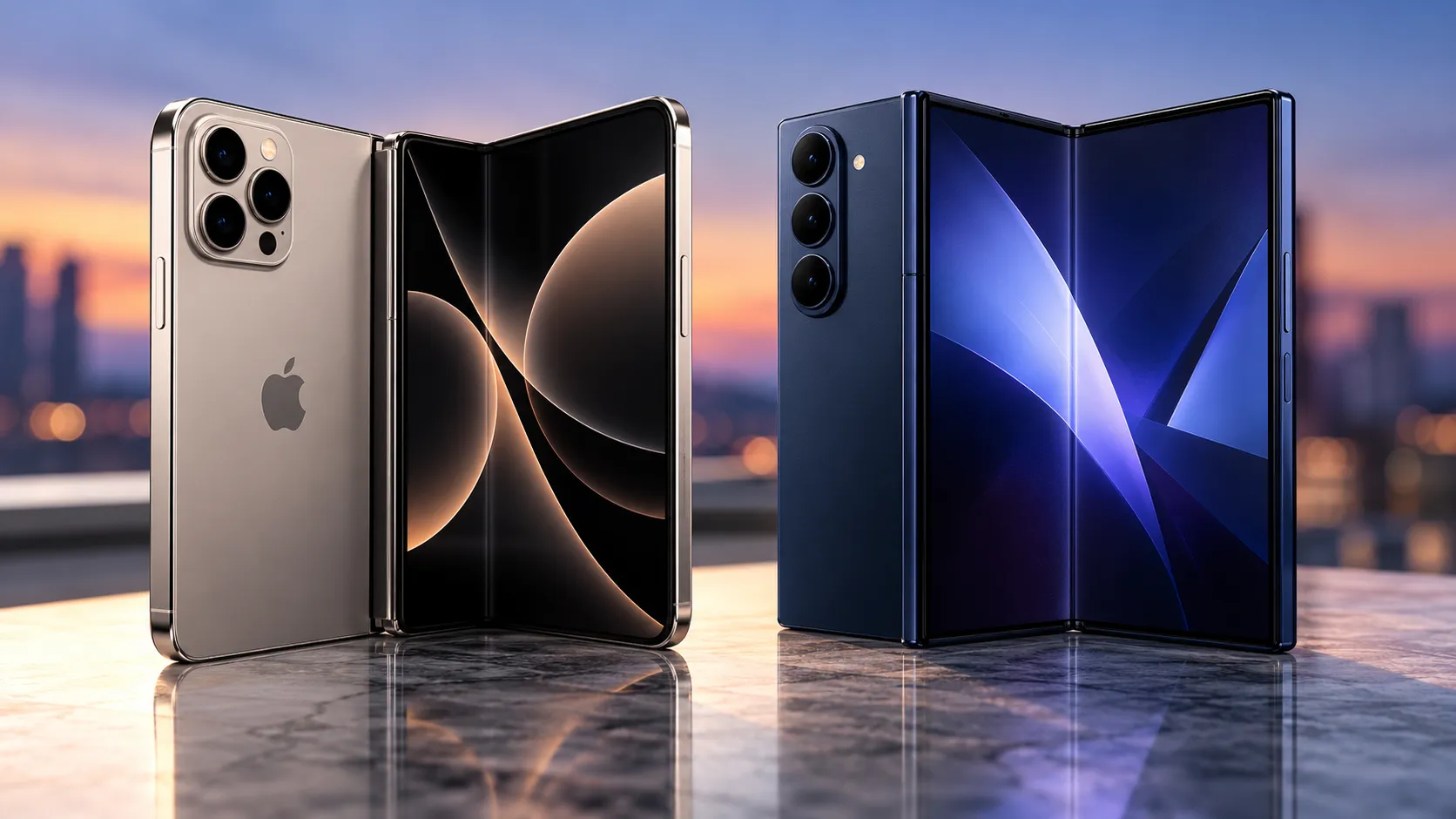
One important scope clarification: the Commission's rules exclude tablets, products with flexible main displays, and smartphones designed for high-security communication, the Commission confirmed. That creates real gaps. Standard tablets are out entirely. Foldables, which use flexible displays, are also exempt carving out a segment that is moving steadily toward the mainstream. How the Commission treats these categories as the market evolves is worth watching.
The practical question now is not whether the law exists. It is whether retailers are displaying the labels consistently, whether enforcement actions follow non-compliance, and whether any major brand treats its repairability score as a selling point rather than a regulatory checkbox.
The refurbished market: already moving, still unreliable
The smartphone repairability rules matter to refurbishers as much as to original buyers. A refurbisher who cannot legally source replacement batteries or access firmware to complete a repair is working with one hand tied. The new parts and software access requirements directly expand what refurbishment can achieve though they do not, by themselves, create any legal definition of what "refurbished" means.
That gap is significant. Consumer protection NGO Euroconsumers has called the current EU refurbished market a "Wild West": no harmonised definition of what the term legally requires, no uniform quality standards, no EU-wide consumer protections. Only France and the Netherlands have introduced national frameworks with labelling that defines what constitutes a refurbished product. A 2022 study by Euroconsumers' Belgian member found wide variations in quality and performance between phones carrying similar refurbishment labels, despite the identical terminology as Euronews reported earlier last year.
Adoption figures reflect that trust deficit. Only 24% of European consumers surveyed by Euroconsumers had bought a refurbished device, and of those, 32% reported experiencing a problem with it. Those figures suggest the category remains far from mainstream trust, whatever the underlying market projections say. Attitudes are shifting the founder of one refurbishing platform told Euronews earlier this year that buying secondhand goods has shed much of its stigma as ecological and economic awareness have grown. But stigma fading is not the same as trust building.
Manufacturer behaviour is part of why the numbers look the way they do. Refurbed co-founder Kilian Kaminski told Euronews that manufacturers "still use techniques that hinder repair or refurbishment in order to sell more new products," according to the report. The 2025 ecodesign rules and the 2024 right-to-repair regulation both target exactly those friction points. Whether enforcement catches up with the letter of the law is not yet settled the ecodesign rules have been in force for less than a year.
What the law cannot do
The most durable limit on smartphone repairability is not legal, it is cultural. Right to Repair Europe coordinator Cristina Ganapini told Euronews that manufacturers are running "an aggressive marketing push towards cultural obsolescence" a sales strategy built not on waiting for a phone to break, but on persuading consumers they need a newer model regardless. "This is not being tackled by any legislation, whether ecodesign or the new 'green claims' rules," she said. Spare parts rules do nothing for a consumer who was never going to repair their phone in the first place.
The right-to-repair regulation introduces one mechanism aimed at shifting that calculus. Any device repaired within its statutory guarantee period earns an automatic one-year warranty extension. The regulation also requires EU member states to actively promote repair through information campaigns, funding schemes, or reduced VAT on repair services. Whether those incentives move consumer behaviour at scale is something the next few years will show consumer groups welcomed the warranty extension while noting that the final regulation was weaker than the Commission's original proposal, which would have made repair the default option unless prohibitively expensive.
Fairphone's own data illustrates both the ceiling and the floor. According to its 2023 annual report, 60.9% of all Fairphone 3, 4, and 5 devices activated since 2019 were still in active use at year-end, with an average longevity score of 4.7 years exceeding its own target for the third consecutive year. Two large industry actors formally joined or replicated elements of its approach in 2023, the report noted. The model works on its own terms. Commercially, Fairphone sold 100,107 devices in 2023, down from 115,681 the year before, and posted a net loss of €20.6 million. Proving the concept is viable and making it the industry default are different problems. The EU rules are an attempt to solve the second one by mandate.
What to watch next
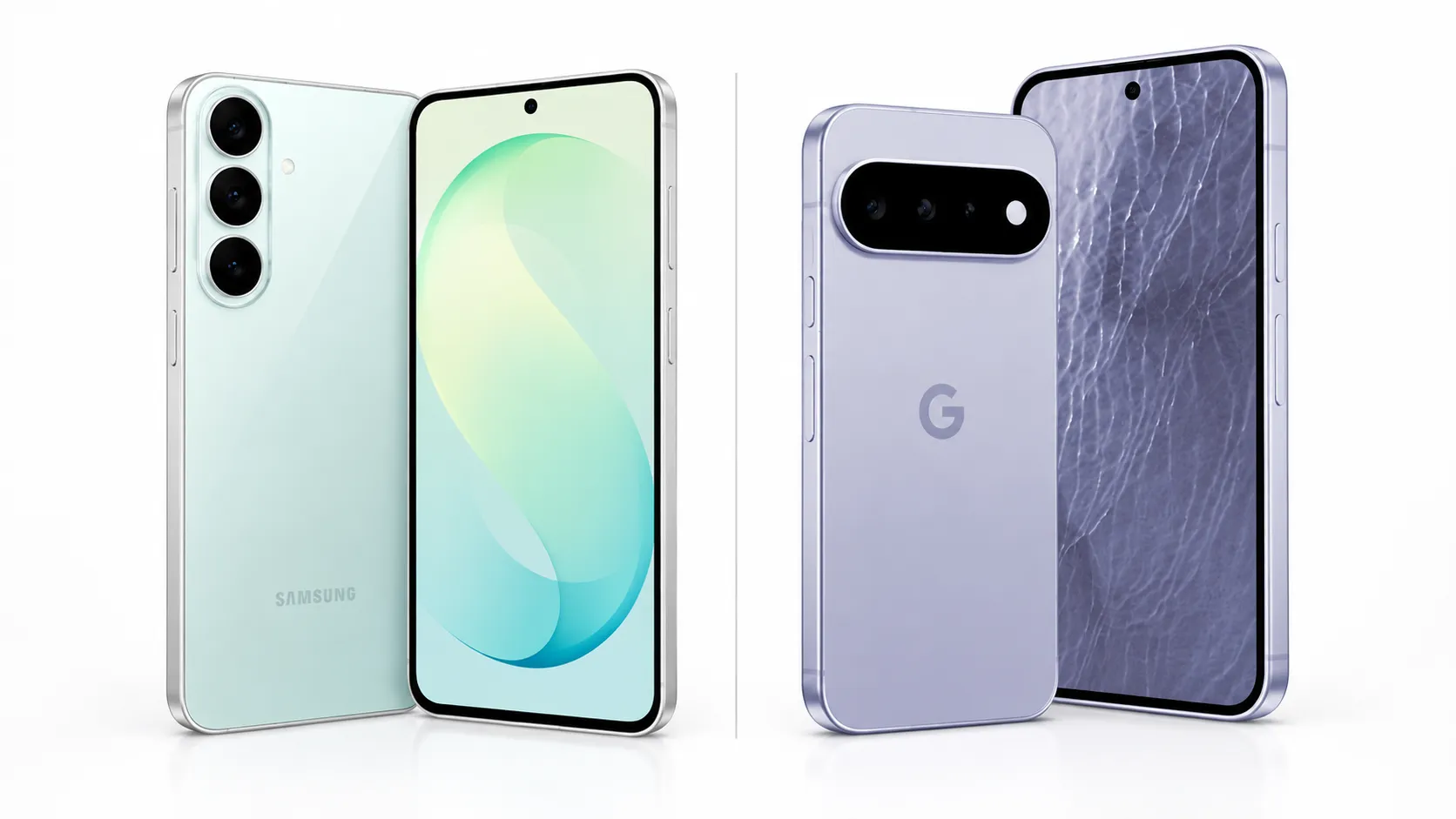
Every smartphone placed on the EU market now carries enforceable minimum commitments on parts, software, battery durability, repair access, and a public repairability score, per the European Commission. Those obligations apply to Apple, Samsung, and Xiaomi as much as to Fairphone. That is a genuine shift a condition of sale, not a pledge.
But two of the three things needed to call this a durable change are still missing. The refurbished market still lacks an EU-wide definition of what "refurbished" means, common quality standards, and the consumer trust required for mainstream adoption, as Euroconsumers has argued. The marketing pressure to replace working phones remains outside the reach of any current legislation, per Ganapini.
The concrete markers worth tracking over the next 12 months: whether retailers display repairability labels consistently and correctly; whether any major manufacturer competes on its A-to-E score rather than burying it in small print; whether the Commission or member states publish enforcement actions against non-compliant products; and whether the EU moves to establish standardised definitions and protections for the refurbished market. The smartphone repair rules are in force. The surrounding infrastructure that would make them meaningful to most consumers is still being built.











Comments
Be the first, drop a comment!