





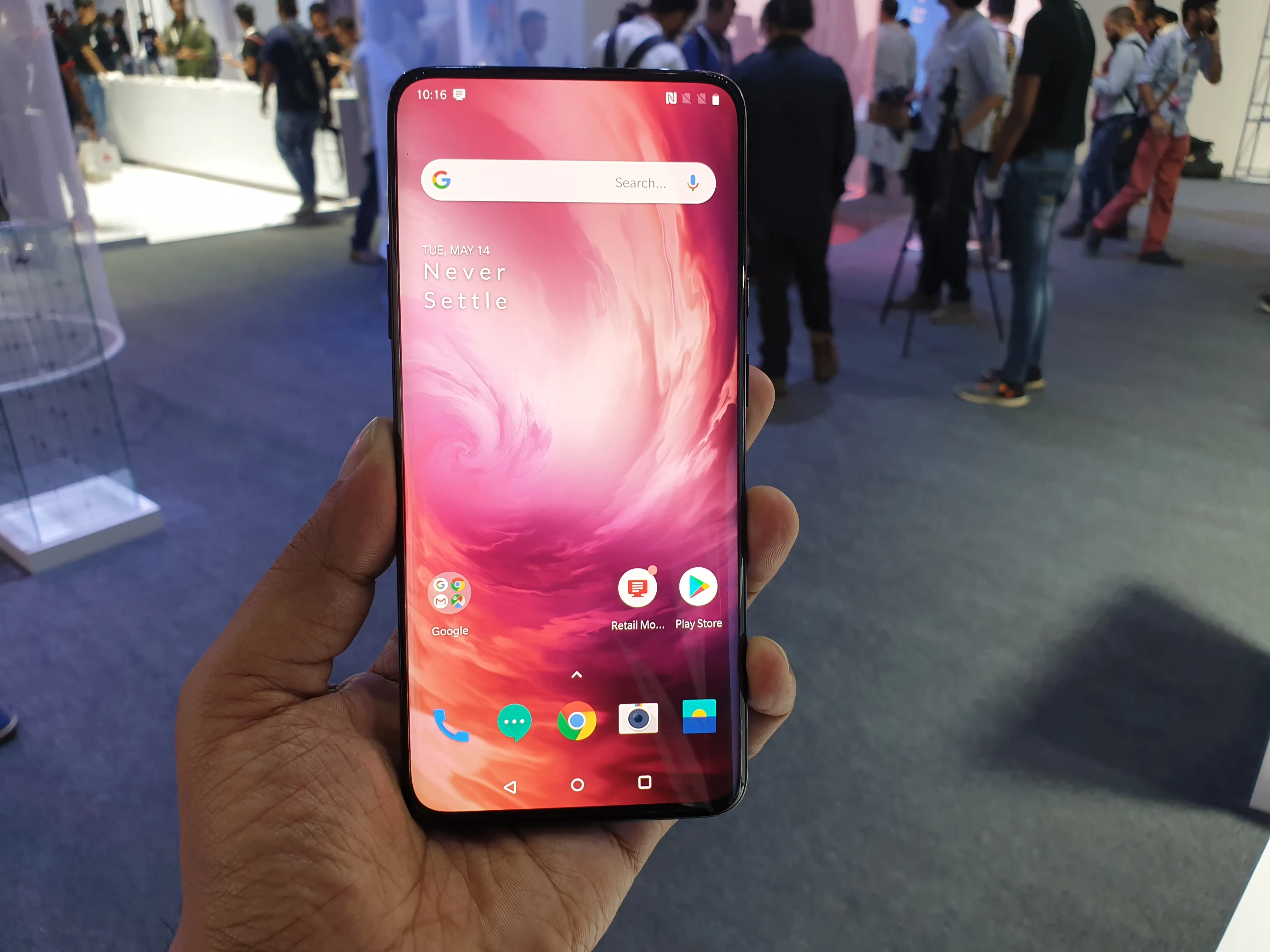
The OnePlus 13R and Google Pixel 11 are no longer a comparison between a phone you can buy and one that exists only in leaks. Google unveiled the Pixel 11 on August 12 and released it on August 20, giving buyers confirmed prices, battery specifications, cameras, and software support to weigh against the older OnePlus.
That changes the argument considerably. The OnePlus 13R still makes a strong value case, but now it does so against a Pixel 11 that starts at $899 with 256GB of storage, a 4,985mAh typical battery, a new 5x telephoto camera, and seven years of updates.
The OnePlus 13R launched in January 2025 at $599 with 256GB of storage, a 6,000mAh battery, and 80W wired charging, according to OnePlus. Current retail prices can be lower: Best Buy listed the new unlocked 256GB model at $569.99 as of August 28.
None of that proves the 13R is the better phone. What it does is turn what had been a speculative comparison into a real choice between a cheaper, larger phone built around battery and charging hardware and a newer, more compact Pixel with a longer update commitment and Google's camera and software features.
What the poll can (and can't) tell us
Android Authority's reader polling does show skepticism toward Google's latest phones, but not a verified head-to-head preference for the OnePlus 13R.
In a post-launch poll of almost 15,000 readers, 73% rated the Pixel 11 series "not hot." The outlet also cautioned that the poll appeared in an article already critical of the new Pixels, which could have attracted a more skeptical audience. An earlier poll of more than 9,000 readers found only 8% already planned to buy a Pixel 11 before its launch, while 27% wanted to wait for Google's announcement. (Android Authority)
Neither poll is a probability sample of smartphone buyers, and neither establishes that those readers would choose a OnePlus 13R instead. They're self-selected snapshots of an enthusiast audience, useful for measuring sentiment but not for declaring a winner.
It's tempting to assume price and battery would push buyers toward the 13R, because those are two categories where the difference is now concrete. But that's still an inference, not something the polling establishes.
So the honest reading stays narrow. Android Authority readers showed substantial skepticism toward the Pixel 11 series. Whether that translates into purchases of the OnePlus 13R, Samsung phones, older Pixels, or no upgrade at all isn't something those polls can settle.
Price: the OnePlus advantage is now measurable
The comparison no longer depends on guessing what Google might charge. The Pixel 11 starts at $899 for 256GB, while the OnePlus 13R launched at $599 with the same storage capacity.
That puts the phones $300 apart at their original US prices. With the 13R now appearing below its launch price at some retailers, the real gap can be wider.
The age difference matters too. The 13R is now more than a year and a half old, so discounts and shifting inventory are normal. Anyone buying it today should check its actual price rather than treating $599 as permanent.
Calling the 13R cheaper is no longer speculation. It is substantially cheaper than the Pixel 11 at list price. The harder question is what Google gives you for the extra money.
Battery: the 13R has the bigger cell and faster wired charging
A battery's advertised capacity and how long it actually lasts on a charge are related numbers, not the same number. But unlike before the Pixel 11 launch, both phones now have confirmed specifications.
The OnePlus 13R has a 6,000mAh battery paired with 80W SUPERVOOC wired charging. That's a spec-sheet advantage over the Pixel before either phone's real-world endurance enters the discussion.
Google lists the Pixel 11 with a typical 4,985mAh battery and says it can reach up to 55% charge in about 30 minutes using a compatible 30W USB-C PPS charger. It also supports up to 25W Qi2.2 Pixelsnap wireless charging, something the OnePlus 13R lacks. (Google Pixel 11 specifications)
So the hardware trade-off is clearer now. The 13R gives you the larger advertised battery and substantially faster wired charging. The Pixel 11 gives you wireless charging and magnetic Qi2.2 accessory support.
Those figures still don't establish which phone lasts longer in identical real-world use. Capacity and charging speed aren't substitutes for controlled endurance testing.
Software support: the update gap is real
The bigger long-term difference lies elsewhere: how long each phone keeps getting updated after the sale.
Google officially promises the Pixel 11 seven years of OS and security updates, plus Pixel Drops. That is no longer an assumption based on earlier Pixels; it is part of Google's current Pixel 11 support commitment.
OnePlus promises four Android version upgrades and six years of security updates for the 13 series. The company clarified that the four upgrades do not include the Android 15 version installed at launch, meaning the OnePlus 13R is scheduled to receive Android 16, 17, 18, and 19. (OnePlus)
Buying the 13R now doesn't restart that clock. Its software roadmap is tied to a device that launched in January 2025, while the Pixel 11's seven-year support period begins with a phone released in August 2026.
For someone planning to keep a phone for five years or more, that difference is easier to weigh than it was before the Pixel launched. The Pixel 11 has the longer runway.
Google has also confirmed hardware that was still a rumor in the earlier comparison. The Pixel 11 now has a 48MP main camera, 13MP ultrawide, and 10.8MP 5x telephoto camera with up to 30x Super Res Zoom. The OnePlus 13R pairs a 50MP main camera with a 50MP 2x telephoto and 8MP ultrawide.
Those numbers establish different hardware approaches, not which phone takes better photos.
Deciding on your own timeline, not the poll's
There is no longer much reason to frame this choice around waiting for Google. Both phones exist, and the Pixel 11 has been available since August 20.
Buying the 13R makes the most sense for someone who wants to spend substantially less, values a large 6.78-inch display, wants a 6,000mAh battery and 80W charging, and is comfortable with a shorter remaining software-support window.
The Pixel 11 makes more sense for someone who wants a smaller 6.3-inch phone, Google's camera and AI features, a 5x telephoto lens, Qi2.2 wireless charging, and the longest possible update runway. Its $899 starting price is the obvious cost of making that choice.
Carrier compatibility is still worth confirming before buying any unlocked device, particularly one purchased outside a carrier store. The US OnePlus 13R supports a broad range of LTE and 5G bands, including LTE band 13 and 5G n77, but network features and activation support can vary by carrier.
Price deserves the same last-minute check. The 13R's age means retailer discounts can materially change the value calculation, while Pixel promotions, trade-ins, and carrier offers can narrow its much larger list-price gap.
The trade-off underneath the poll
Strip away the pre-launch uncertainty, and the comparison is more useful now than it was when the Pixel 11 existed only in leaks.
The OnePlus 13R has the clearer hardware-for-the-money argument: a lower price, larger battery, faster wired charging, and a larger display. The Pixel 11 answers with a more compact body, wireless charging, a 5x telephoto camera, newer Google software and AI features, and seven years of updates.
Android Authority's reader polls show that the Pixel 11 hasn't inspired universal enthusiasm, but they don't establish that readers prefer the OnePlus 13R specifically.
The more useful question isn't which phone a poll favored. It's whether the 13R's price and hardware advantage matter more to you than the Pixel 11's camera setup, smaller size, wireless charging, and substantially longer software runway.
That part still depends on a buyer's budget and priorities. Unlike before August 12, though, it no longer depends on guessing what the Pixel 11 might eventually be.







Comments
Be the first, drop a comment!