





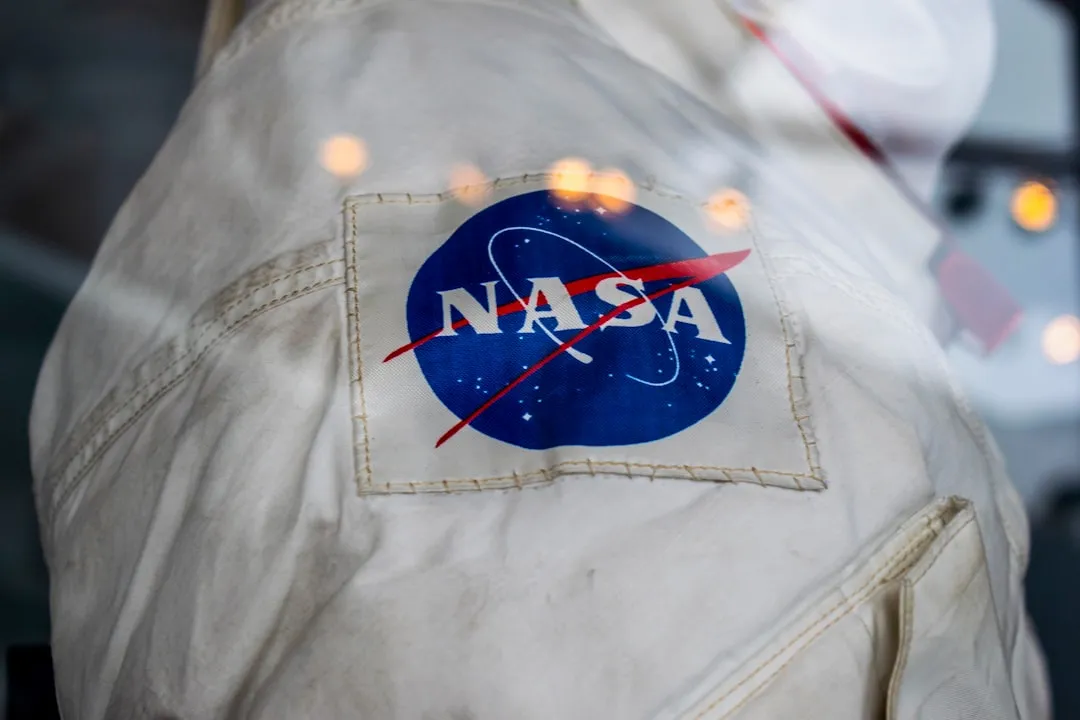
Astronauts have relied on specialized, mission-hardened hardware for decades—bulky laptops, ruggedized tablets, and purpose-built communication devices designed to withstand the extreme environment of space. But that paradigm is shifting. NASA is now permitting crew members to carry personal iPhones and other commercial smartphones aboard the International Space Station and future deep-space missions, marking a significant departure from traditional spaceflight IT protocols. This policy change didn't happen overnight. The Office of Inspector General conducted a formal evaluation of NASA's policies governing non-Agency mobile devices, assessing whether existing governance and security controls adequately mitigate associated risks.
The move reflects a broader trend: consumer technology has matured to the point where off-the-shelf devices can meet—or at least approximate—the rigorous demands of spaceflight, provided they pass a gauntlet of qualification tests. For tech enthusiasts and mobile hardware fans, this development raises fascinating questions. What does it take for an iPhone to earn a seat on a spacecraft? How do radiation, thermal extremes, and zero gravity affect devices designed for Earth? And what does this signal about the future of consumer electronics in mission-critical, high-stakes environments?
What it takes to qualify consumer hardware for orbit
Sending a smartphone to space isn't as simple as tossing it in a cargo bag. Every piece of equipment aboard a crewed spacecraft must pass stringent safety and performance evaluations. Devices face testing for electromagnetic interference, ensuring they won't disrupt navigation, life support, or communication systems. You might not think about it when you're using your iPhone on a plane (in airplane mode, of course), but electromagnetic emissions that are harmless on Earth can wreak havoc with sensitive avionics in the tightly packed electronics environment of a spacecraft.
Flammability standards are equally critical—materials that might smolder harmlessly on Earth can ignite catastrophically in the controlled atmosphere of a spacecraft cabin. Early space programs learned this the hard way: while modern spacecraft use Earth-normal atmospheric composition (roughly 21% oxygen at sea-level pressure), the confined quarters and limited escape options make fire prevention paramount. The plastics, adhesives, and coatings in consumer electronics need vetting to ensure they won't produce toxic fumes or flame propagation in microgravity. Battery chemistry undergoes intense scrutiny, as lithium-ion cells pose fire and outgassing risks in the confined quarters of a spacecraft. Remember, there's no stepping outside for fresh air when you're orbiting at 17,500 miles per hour.
Radiation exposure adds another layer of complexity. Beyond low Earth orbit, cosmic rays and solar particle events can corrupt memory, degrade processors, and shorten device lifespans. The ISS benefits from significant geomagnetic shielding—sitting just inside Earth's protective magnetosphere at roughly 250 miles altitude—which reduces radiation exposure considerably compared to deep space environments. But future Artemis lunar missions and Mars-bound spacecraft will subject iPhones to radiation environments orders of magnitude harsher than Apple's engineers anticipated when designing for terrestrial use, where cosmic ray exposure is negligible.
NASA's evaluation of non-Agency mobile IT policies specifically examined whether existing governance frameworks could adequately manage the risks these personal devices introduce. The Inspector General's findings emphasized the need for comprehensive testing protocols that account for the full spectrum of space environmental hazards—not just individual factors like radiation or thermal stress, but their combined effects over extended mission durations.
Thermal management presents challenges that don't exist in your living room. Spacecraft lack the convective cooling we take for granted on Earth—heat dissipates primarily through conduction and radiation. An iPhone running intensive apps in a confined cabin could overheat without adequate airflow, potentially damaging components or creating a fire hazard. Engineers must verify that devices can operate reliably within the narrow temperature bands maintained aboard crewed vehicles—typically between 65°F and 80°F for crew comfort, but with localized hot spots near electronics that can climb significantly higher. This often requires passive cooling solutions, strategic mounting locations that maximize conductive heat transfer, or usage restrictions during high-power activities like video recording or processor-intensive apps.
Security and data handling in a zero-trust environment
Now here's where things get really interesting from a cybersecurity standpoint. Allowing personal smartphones into space introduces challenges that go far beyond the usual corporate BYOD concerns. NASA networks handle sensitive mission data, crew health information, and command-and-control telemetry—none of which can be exposed to unsecured consumer devices. The agency must enforce strict segmentation, isolating personal devices from mission-critical systems while still enabling crew communication with family and limited internet access.
The Inspector General's review of NASA's non-Agency device policies identified several critical governance gaps that needed addressing before widespread personal device adoption could proceed safely. The evaluation recommended establishing clear protocols for device registration, mandatory security configurations, and regular compliance audits—essentially creating a framework that treats personal devices as potential threat vectors requiring continuous monitoring and containment. It's one thing to let an employee check personal email on their phone in a ground-based office, but quite another when that phone is floating alongside flight control computers.
Astronauts' personal iPhones operate on separate wireless networks with no direct access to flight control systems, scientific payloads, or classified communications—creating an entirely isolated network bubble within the spacecraft's existing infrastructure. Data encryption, remote wipe capabilities, and mandatory security updates become non-negotiable in this environment. Any app installation must undergo vetting to prevent malware or inadvertent data leakage. Imagine the potential disaster if a compromised game app somehow bridged the network gap and interfered with life support telemetry. The stakes are literally life-and-death, which means the verification process for approved apps is orders of magnitude more rigorous than what you'd find in a typical enterprise environment.
These security measures face additional complications from bandwidth constraints. The ISS relies on intermittent Ku-band satellite links and NASA's Tracking and Data Relay Satellite System, offering limited bandwidth compared to terrestrial networks. While specific bandwidth allocations for personal devices aren't publicly disclosed, astronauts can't stream high-definition content or download large app updates on demand. Personal device usage is tightly scheduled, with data quotas and priority given to mission-essential traffic. Voice calls and video chats with family happen during designated crew personal time, often with noticeable latency as signals bounce between satellites and ground stations. This bandwidth limitation also affects security update delivery, requiring careful scheduling to ensure devices remain patched without consuming resources needed for mission operations.
What this means for the future of consumer tech in extreme environments
NASA's willingness to embrace commercial smartphones signals a broader shift in aerospace thinking that's been building for years. For decades, space-grade hardware meant custom-built, radiation-hardened components with years-long development cycles and budgets reaching into the millions of dollars per unit—hardware that often delivered less computing power than a modern smartphone. But as consumer electronics have grown more capable and reliable, the cost-benefit calculus has changed dramatically. Why spend millions developing a bespoke tablet when an iPad—with appropriate safeguards and qualification testing—can handle crew scheduling, inventory management, and entertainment?
This trend extends well beyond NASA. Commercial spaceflight providers like SpaceX and Blue Origin already incorporate commercial touchscreen interfaces into crew vehicle controls, betting that iterative design and redundancy can compensate for the lack of traditional space-grade certification. SpaceX's Crew Dragon, for instance, features sleek touchscreen controls that look more like consumer electronics than traditional spacecraft panels. As launch costs plummet—SpaceX has driven costs down from over $10,000 per pound to orbit to roughly $1,500 per pound in recent years—and mission cadences accelerate, the appeal of rapidly iterating with consumer hardware grows stronger. You can replace a commercial tablet multiple times over for the cost of developing and certifying a single purpose-built device.
For Apple and other smartphone makers, this represents both validation and opportunity. iPhones designed for everyday durability—IP68 water resistance, drop protection engineered to survive falls from typical pocket height, and thermal management systems that handle processor-intensive tasks—prove adaptable to spaceflight with relatively minor modifications. These consumer durability features address similar engineering challenges: both drop protection and launch vibration resistance require dampening systems that absorb kinetic energy, though at different frequencies and magnitudes. The engineering principles overlap more than you might expect, even if the specific implementation differs.
While Apple hasn't publicly marketed space-specific features or commented on potential orbital-hardened iPhone variants, the presence of their devices aboard spacecraft provides compelling validation of their engineering. Future iterations could potentially incorporate enhanced radiation shielding for extended deep-space missions, extended battery life optimized for environments where charging opportunities are scheduled rather than on-demand, or low-bandwidth connectivity modes tailored for satellite links. The marketing value alone is substantial: "space-tested" becomes more than a metaphor when your device is literally being used hundreds of miles above Earth.
PRO TIP: For developers creating apps for extreme environments, focus on offline functionality, minimal battery drain, and graceful degradation under constrained bandwidth. The principles that make apps work well in space—efficient resource usage, robust error handling, and independence from constant connectivity—also create better experiences for users in remote locations, developing markets, or anywhere network reliability is limited.
Where do we go from here?
NASA's decision to permit astronauts to bring personal iPhones aboard spacecraft marks a pragmatic evolution in spaceflight operations. The Office of Inspector General's policy evaluation concluded that with proper governance frameworks, security controls, and qualification testing, personal devices could safely support crew morale and operational efficiency without compromising mission safety. The report's recommendations—including device registration protocols, network segmentation requirements, and ongoing compliance monitoring—provide a blueprint for integrating consumer technology into mission-critical environments while managing the inherent risks.
This shift has implications far beyond crew comfort and family communication, valuable as those benefits are for personnel spending months away from home. It demonstrates that consumer hardware, once dismissed as too fragile or unreliable for mission-critical environments, can meet rigorous standards with proper vetting and controls. As spaceflight becomes more routine and commercial operations expand, expect to see more off-the-shelf devices in crew cabins, science labs, and eventually planetary habitats. The days of every piece of hardware requiring years of custom development are giving way to a hybrid approach that leverages the rapid innovation cycles of consumer technology.
The next testing ground will likely be NASA's Artemis missions, which aim to return humans to the lunar surface later this decade. These missions will push personal devices beyond the relative safety of low Earth orbit's geomagnetic protection, providing real-world data on how consumer electronics perform in deep space radiation environments. The lessons learned will inform device selection for future Mars missions, where communication delays, extreme isolation, and multi-year mission durations will test both hardware resilience and the psychological value of maintaining personal connections through familiar technology.
For tech enthusiasts, the takeaway is clear: the line between consumer gadgets and mission-critical tools continues to blur in fascinating ways. The iPhone in your pocket shares fundamental DNA with devices orbiting 250 miles overhead, navigating the same challenges of connectivity, security, and reliability—just in a more extreme setting. Keep an eye on how space agencies and commercial providers continue to integrate consumer tech; the innovations developed for orbit, from radiation-hardened components to ultra-efficient power management, have a way of trickling back down to Earth, eventually appearing in the rugged devices and specialized features we use in everyday extreme conditions.


Comments
Be the first, drop a comment!