





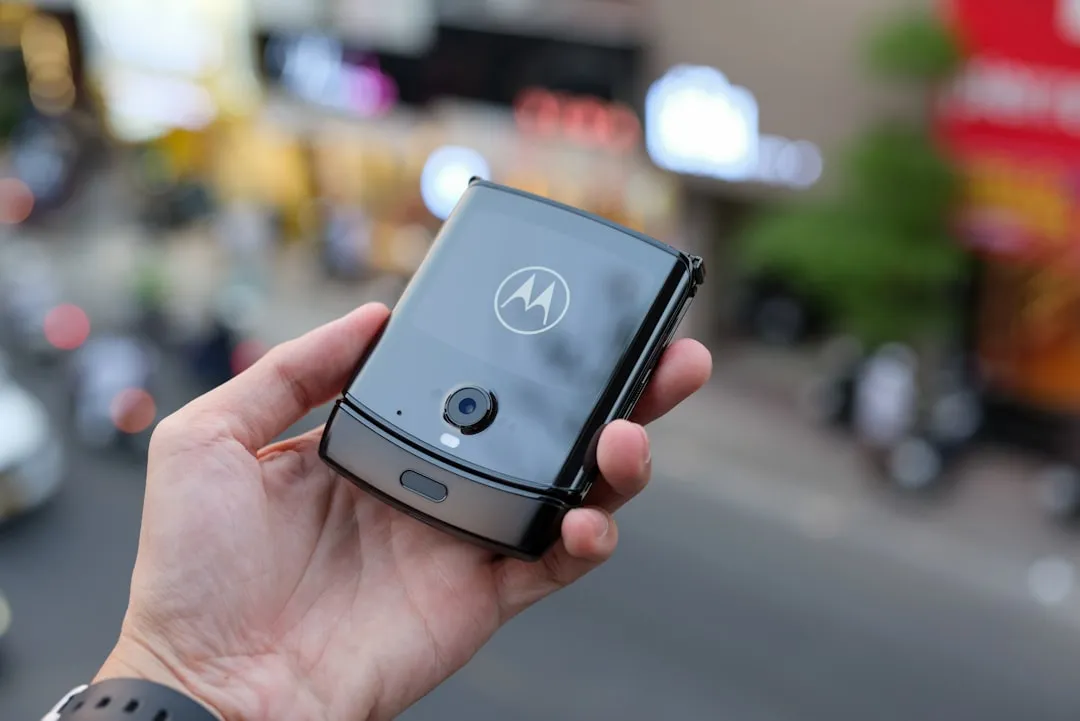
The Motorola Razr Plus 2026 costs $1,099. Same chip as the last two Razr Plus generations. Same basic design and dimensions as recent Razr Plus models. One color. A reasonable person glancing at a spec sheet would walk away.
That instinct is right for some buyers. For others, it's exactly wrong.
For first-time flip phone buyers and anyone upgrading from a Razr Plus 2024 or older device, the 2026 model is the most well-rounded, lowest-risk version of this phone Motorola has ever shipped. If you already own a Razr Plus 2025, there's little here to justify an upgrade.
For everyone else, the case rests not on novelty but on Motorola having addressed the friction points that gave previous generations an asterisk: battery anxiety, hinge durability concerns, display discomfort during extended use, and a camera system that never quite covered the angles it needed to. None of these fixes show up cleanly on a comparison table. They accumulate across a day of actual use.
Is the $100 price hike worth it?
Start with the concessions, because they're real. No new chipset. A single color option, Pantone Mountain View, a soft-textured green vegan leather. No dedicated AI hardware button. These are real value complaints, not just spec-sheet nitpicks.
The honest framing is that the $100 premium lands differently depending on where you're starting from. For anyone coming fresh to the flip form factor, or upgrading from a 2024 model, the 2026 improvements stack into a meaningfully better ownership experience. For Razr Plus 2025 owners, the calculus is harder. That phone shares the same processor, 12GB RAM, and 256GB storage as the 2026 model, while current deals can make the older phone substantially cheaper, as Android Central noted.
Android Central called the price increase a genuine sting, then concluded after hands-on time that the 2026 model remains "the best flip phone for the price," specifically noting that actual usage overrode the initial sticker hesitation. That is the article's core value argument: the Razr Plus 2026 looks underwhelming on paper but works better as a daily phone. As of late May 2026, early retailer and carrier promotions could lower the effective price, but those offers may change quickly.
The full lineup context explains what's happening here. Motorola raised prices across every 2026 Razr device: the base Razr from $700 to $800, the Plus from $1,000 to $1,100, and the Ultra from $1,300 to $1,500, Ars Technica reported in April 2026. Taken together, the price hikes make the 2026 lineup look less like a one-off Plus-tier increase and more like Motorola pushing further into premium foldable territory. Market researchers at IDC still describe foldables as a small but growing premium segment, with forecasts pointing to renewed shipment growth in 2026 as more brands push the category.
Battery and camera upgrades matter most
Three ownership wins define the 2026 Razr Plus in practice. The question for each: does it justify the price? None will generate benchmark headlines. All will be noticed within the first week.
Battery is the most important. The 4,500mAh cell is 500mAh larger than the 2025 model, per The Verge, and Android Central reports this translates to a few additional hours of screen time and, more critically, enough headroom to clear a full day without rationing. For a category that has historically required careful power management, crossing the reliable all-day threshold matters more than the raw capacity number.
The engineering behind it is worth a moment. Motorola moved to a titanium hinge while keeping the phone at 189g, the same listed weight as the 2025 model. That helps explain how the company fit a 12.5% larger battery into a familiar frame without making the phone heavier.
Display comfort is the quietest upgrade, and it justifies its own line. The 2026 model moves from 8-bit to true 10-bit panels on both the internal 6.9-inch and external 4.0-inch displays. Previous Razr Plus models relied on temporal dithering to simulate higher color depth, an issue some flicker-sensitive users associate with eye strain during extended use. Android Central's May 2026 review also points to reduced display flicker, which could make the phone more comfortable for those users during longer sessions. For flicker-sensitive users, that kind of comfort change can matter more than a benchmark score.
The camera swap is counterintuitive but correct. Motorola replaced the 50MP 2x telephoto from the 2025 model with a 50MP ultrawide with a 122-degree field of view, autofocus, and macro support. On paper, that reads as a downgrade. Even Android Authority, which called the 2026 lineup a "lazy and expensive mess" in April 2026, conceded that the old telephoto was "awkward" and the ultrawide is "much more useful."
The ultrawide enables Horizon Lock video stabilization, a significant upgrade for handheld footage. The updated main sensor adds Ultra HDR with up to 5x wider dynamic range than older Razr models and can shoot HDR directly through Instagram. Counterintuitively, the 2026 model also delivers superior zoom detail at 4x and beyond compared to the 2025, a product of improved sensor processing rather than a dedicated telephoto lens.
The old chip still matters
Android Authority's central complaint is the Snapdragon 8s Gen 3. It's a pared-down 8-series chip Qualcomm announced in March 2024, which makes it more than two years old at time of sale. Android Authority made this point clearly in its April 2026 critique, and it deserves acknowledgment rather than deflection. Paying $1,099 for a phone running that chip is a fair grievance.
For gaming-heavy users or anyone invested in on-device AI acceleration, the Snapdragon 8s Gen 3 is a genuine limitation. For most flip phone buyers, who are choosing this form factor for portability and design rather than peak computational performance, daily use is already smooth. For most flip-phone buyers, daily use should still feel smooth for the same reason the spec sheet is frustrating: the chip has not changed, and everyday workloads are not what stress it.
What matters more for long-term ownership is software support. According to Android Central's comparison, the Razr Plus 2025 receives three OS updates and four years of security patches through 2028, while the 2026 model is guaranteed three OS updates and five years of security patches through 2030. A buyer choosing between the two today gets two additional years of security support by going with the newer model. At a $1,099 price point where people tend to hold devices for three or four years, that's not nothing.
Motorola's five-year security commitment still trails the longer support positioning Samsung and Google use for their flagship phones. That's a legitimate brand-level concern worth factoring into any long-term ownership calculation, though it's not a problem specific to this device.
Who should upgrade?
The case for and against comes down to four buyer types.
First-time flip buyers: buy the 2026. The titanium hinge, MIL-STD-810H rating, larger battery, 10-bit displays, and security support through 2030 make this the most durability-focused and long-term-capable Razr Plus Motorola has shipped. The compromises that made earlier generations a harder recommendation have all been addressed at once.
Razr Plus 2024 owners or older: buy the 2026. The battery, hinge, camera system, display quality, and support window are all meaningfully improved over what you currently have.
Razr Plus 2025 owners: stay put. Or buy the 2025 at a discount if you're replacing a damaged unit. The 2026 adds ultrawide capability and two additional years of security support, but the shared chipset, RAM, storage, and form factor mean the gap doesn't justify the cost of an annual upgrade. The 2025 also came in three color options — Pantone Mocha Mousse, Midnight Blue, and Hot Pink — compared to the 2026 model's single choice, per Android Central's comparison. Hard to argue with saving several hundred dollars for what amounts to a camera swap and a longer support window.
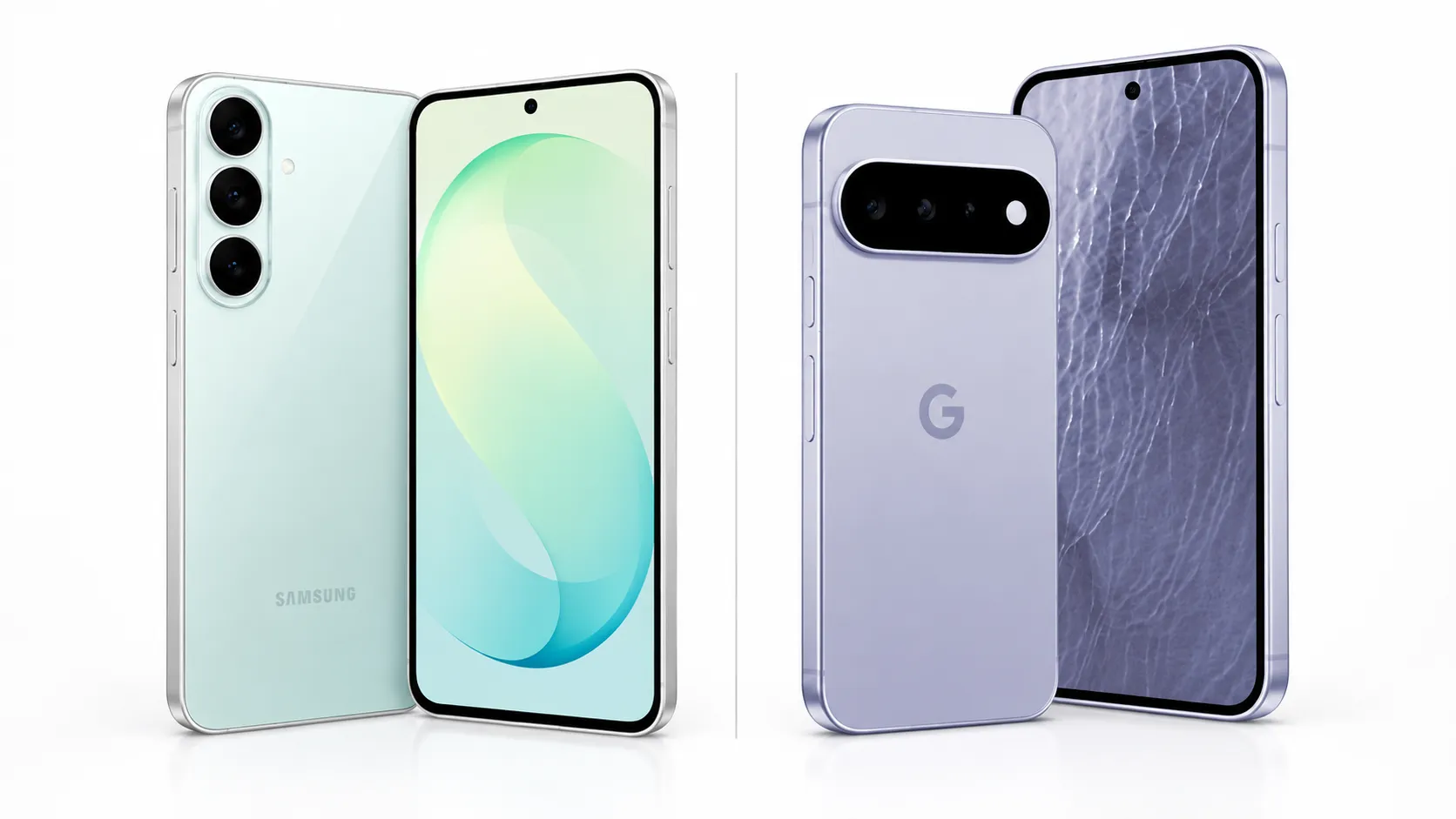
Performance-focused buyers: look elsewhere. The Snapdragon 8s Gen 3 is aging, and if peak AI features or gaming throughput matter, newer silicon from competing devices will serve better. Samsung's Galaxy Z Flip line remains the obvious comparison point for buyers who want to cross-shop, especially because Samsung's recent flagship foldables have stronger long-term software-support positioning.
The Razr Plus 2026 is a boring upgrade on paper: same basic design, same chip, one color, higher price. But the framing misses the bigger story. The Razr line spent its first few years asking customers to accept real tradeoffs as the price of a novel form factor. The 2026 model is the first version where the category's core complaints—battery life, display comfort, camera versatility, and hinge durability—have been addressed simultaneously rather than staggered across years. Whether that's worth $1,099 depends almost entirely on where you're starting from.
The real test comes over the next product cycle, as Samsung and Google keep pushing foldables and analysts continue to expect Apple's entry to sharpen competition. Motorola will need to pair this more capable hardware foundation with a current-generation chip and a longer update commitment to stay competitive. Until then, for first-time flip buyers and older Razr owners, this is the version that finally makes the fewest excuses.






Comments
Be the first, drop a comment!