



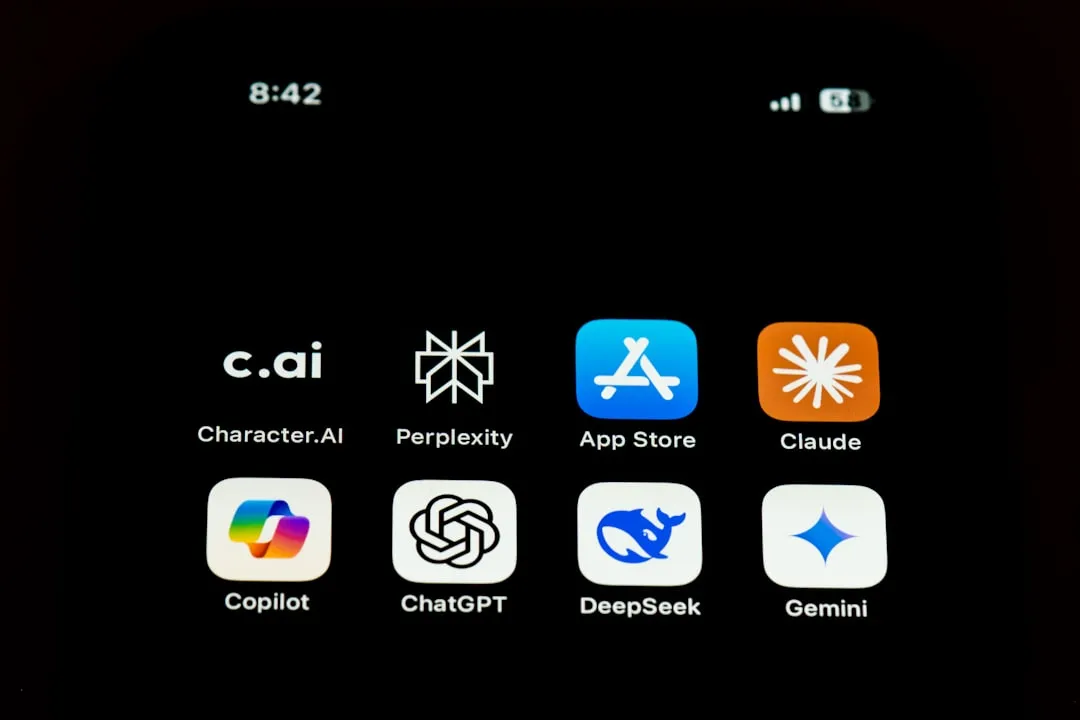
The battle for App Store supremacy is heating up in ways we never expected. Prediction markets are now tracking whether March Madness can dethrone AI powerhouse ChatGPT from the top free app spot, with traders giving the NCAA March Madness Live app a 48% chance of claiming the #1 position on March 20, 2026. Meanwhile, ChatGPT holds steady at 44% odds, showing just how volatile these rankings can be. The timing couldn't be more perfect—bracket reveals happened March 17, with first-round games starting March 21, creating a perfect storm of sports fervor that historically drives massive download spikes.
When sports fever meets AI dominance
Here's what makes this showdown fascinating: we're watching two completely different user behaviors clash in real-time. Sports fans typically flood to the official NCAA app for bracket challenges and live updates during tournament season, creating predictable but intense download surges that have historically pushed it to the top. But ChatGPT represents something different—sustained engagement from AI enthusiasts and daily users who aren't going anywhere.
The numbers tell an interesting story about seasonal versus evergreen app performance. While March Madness creates concentrated bursts of activity, ChatGPT has built the kind of sticky user base that keeps coming back day after day. What we're really seeing here is how Apple's ranking algorithm handles two distinct engagement patterns: the explosive but brief surge of cultural moments versus the steady drumbeat of utility-driven usage.
What's particularly telling is how other apps are positioning themselves in this race. CBS Sports App: Scores & News sits at 8% odds, while Claude by Anthropic trails at 3.6%—showing that even within categories, there's a clear hierarchy forming based on brand recognition and user loyalty patterns.
The prediction market perspective: why these odds matter
Let's break down what makes these predictions more than just educated guesses. Over $34,400 has been traded on this specific App Store ranking question, with real money backing every percentage point. This isn't just speculation—Polymarket maintains a 94% accuracy rate over one month periods, making these odds worth serious attention from anyone trying to understand app ecosystem dynamics.
The beauty of prediction markets lies in their information aggregation mechanism. Unlike traditional surveys or expert opinions, these prices represent the collective intelligence of traders who've put financial skin in the game. The NCAA March Madness Live position alone has generated $11,751 in trading volume, suggesting conviction from participants who've likely analyzed historical download patterns, tournament scheduling, and seasonal app performance data.
What's particularly revealing is the scale of engagement this question has generated. The fact that 245 active traders are debating this outcome indicates we're looking at more than casual speculation. For context, this trading volume rivals markets focused on major tech earnings or product launches—suggesting that App Store dynamics have become a legitimate area of financial and strategic interest.
Historical patterns: when sports apps dominate
The March Madness phenomenon isn't new—it's a masterclass in seasonal app marketing that reveals key insights about Apple's discovery algorithm. This battle between NCAA March Madness Live and ChatGPT mirrors successful tactics we've seen from streaming apps during tournament season. Max strategically incorporated March Madness keywords into its metadata just as search volume peaked, allowing them to outrank competitors like Paramount+ on tournament-related searches.
The timing strategy here offers clues about how the NCAA app might be positioning itself against ChatGPT. Max achieved high rankings for "March Madness" keywords immediately following a version update, demonstrating how smart developers coordinate technical releases with cultural moments. They didn't just hope for organic discovery—they rolled out March Madness-themed custom product pages and bid on related keywords through Apple Search Ads.
The NCAA app is likely employing similar tactics, but facing a more formidable opponent than Max did with Paramount+. While ChatGPT can't optimize for "March Madness" keywords, its daily active user base provides algorithmic signals that seasonal apps struggle to match. The question becomes whether tournament-specific optimization can generate enough velocity to overcome ChatGPT's engagement depth.
What makes this particularly relevant is how Max signaled to Apple the relevance of March Madness keywords for its app by adding them to the keyword field before the seasonal surge. This suggests Apple's algorithm rewards proactive seasonal positioning—a lesson that could determine whether the NCAA app can execute the upset.
What this tells us about mobile app dynamics
Bottom line: this March Madness versus ChatGPT showdown reveals something fundamental about how mobile discovery works in 2026. The resolution will be determined by App Store rankings at 12:00 PM ET on March 20, but the implications extend far beyond a single day's rankings.
We're witnessing the collision of two distinct forces that drive App Store success. ChatGPT represents the new economy: consistent daily engagement, network effects, and the kind of utility that becomes embedded in people's workflows. March Madness represents the old economy: event-driven spikes, communal experiences, and the raw power of shared cultural moments that can generate massive simultaneous downloads.
What this battle reveals about Apple's algorithm evolution is particularly fascinating. The close odds suggest that Apple's ranking system still heavily weights recent download velocity—otherwise, ChatGPT's established user base would make it nearly unbeatable. This indicates that seasonal opportunities remain viable for app developers, even against AI-powered incumbents with seemingly unshakeable engagement.
For developers watching this unfold, the key insight isn't about basketball or artificial intelligence specifically. It's about understanding that successful app discovery in 2026 requires mastering both dimensions: building the kind of sustained value that creates daily habits while remaining agile enough to capitalize on cultural moments when they arise. The apps that win long-term are those that can do both.
PRO TIP: Keep an eye on prediction markets for your own app category. When real money is betting on outcomes, you're getting insights that traditional market research might miss—and that intelligence could inform your own launch timing and marketing strategies.





Comments
Be the first, drop a comment!