





iPhone 17E vs. Galaxy S25 FE vs. Pixel 10A: Comparing Lower-Cost Flagship Phones
The smartphone landscape is evolving rapidly, and one of the most exciting developments is how premium features are trickling down to more affordable devices. While flagship phones grab headlines with their $1,000+ price tags, the real action is happening in what I call the "flagship lite" category—phones that deliver 80% of the premium experience at 60% of the cost.
Let's break down what we can expect from three anticipated game-changers: Apple's rumored iPhone 17E, Samsung's Galaxy S25 FE, and Google's Pixel 10A. While these devices haven't officially launched yet, the patterns from previous generations and industry trends give us a solid foundation for understanding what's coming.
Understanding the "Flagship Lite" Revolution
Here's what you need to know: The budget flagship category has become the sweet spot for most consumers. These phones typically launch 6-12 months after their premium siblings, incorporating many of the same core technologies while making strategic compromises to hit more accessible price points.
Based on historical patterns, we're looking at devices that should land between $400-600, compared to their $800-1200+ flagship counterparts. The key is understanding where manufacturers typically make their trade-offs—and where they don't.
Design and Build Quality: Premium Feel, Smart Compromises
The design philosophy across all three manufacturers has shifted dramatically over the past few years. Gone are the days when "budget" meant "plastic and cheap-feeling."
iPhone 17E Expectations: Apple's approach with the SE line has always been about bringing flagship performance to a more traditional form factor. If the iPhone 17E follows this pattern, expect the familiar iPhone design language with potentially thicker bezels though a home button is unlikely based on recent Apple designs, or possibly adopting the iPhone 14's design framework with some material compromises.
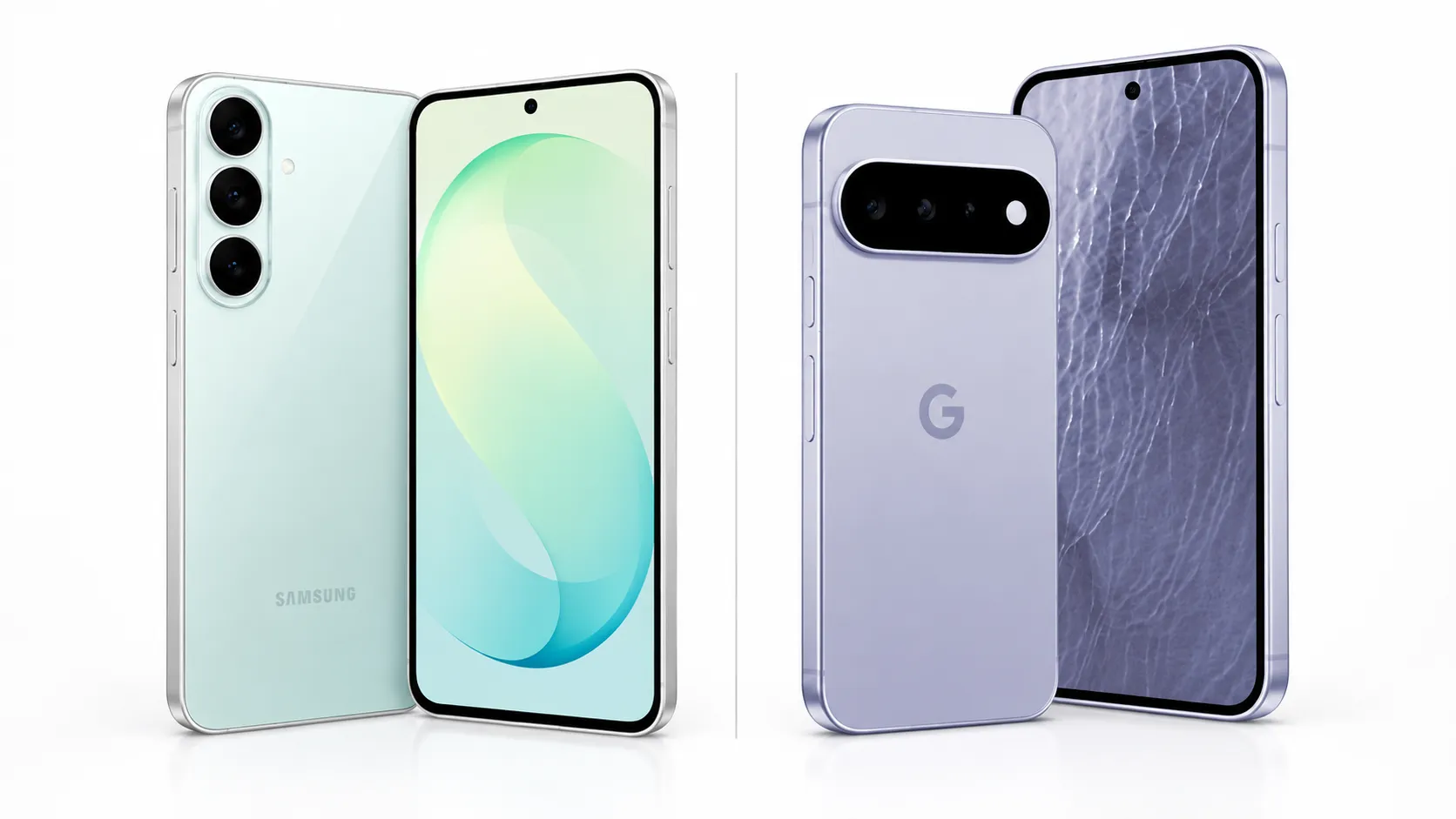
Galaxy S25 FE Predictions: Samsung's FE (Fan Edition) series has consistently delivered on premium aesthetics. The Galaxy S25 FE will likely feature the same design DNA as the S25 series, potentially with a plastic back instead of glass, but maintaining the metal frame that gives these phones their solid feel.
Pixel 10A Outlook: Google's A-series has become increasingly sophisticated in design. The Pixel 10A should continue the camera bar aesthetic that's become Google's signature, likely with a plastic build but maintaining the distinctive visual identity that makes Pixels immediately recognizable.
Bottom line: All three manufacturers have learned that design can't be the major compromise point anymore. Expect phones that look and feel considerably more premium than their price points suggest.
Camera Systems: Where the Magic Happens
This is where things get really interesting. Camera technology has become the primary battleground for smartphone differentiation, and each manufacturer takes a distinctly different approach to delivering flagship-level photography at lower price points.
The Apple Approach: Apple typically focuses on computational photography rather than hardware quantity. The iPhone 17E will likely feature a single rear camera with the same computational photography engine as its premium siblings. While you might lose the ultra-wide or telephoto options, the primary camera should deliver the same fundamental image quality that makes iPhones famous for point-and-shoot excellence.
Samsung's Strategy: Samsung tends to maintain multiple camera sensors even in FE models, though with slightly reduced specifications. Expect the Galaxy S25 FE to feature a triple-camera setup, possibly with the same main sensor as the S25 but with reduced telephoto zoom capabilities and a more basic ultra-wide sensor.
Google's AI Advantage: This is where Google often shines in the budget flagship category. The Pixel 10A will likely feature Google's latest computational photography algorithms, potentially with the same main sensor as the Pixel 10. Google's approach of "better through software" often means Pixel A-series phones punch well above their weight class in camera performance.
PRO TIP: When evaluating camera systems in this category, focus on daylight photo quality and computational photography features rather than raw hardware specs. The software processing often matters more than the number of megapixels.
Performance: Flagship Power, Strategic Limitations
The performance story in flagship lite phones has become fascinating. Modern mid-range processors have reached a point where day-to-day performance differences with flagship chips are often imperceptible for most users.
iPhone 17E Performance Expectations: Apple's strategy typically involves using the previous generation's flagship processor. If this pattern holds, the iPhone 17E may use a previous-generation A-series chip (possibly A17 Pro), delivering performance that matches or exceeds current Android flagships while maintaining excellent power efficiency.
Galaxy S25 FE Processing Power: Samsung usually equips FE models with their flagship Exynos processors (in some markets) or slightly older Snapdragon chips. The Galaxy S25 FE will likely deliver excellent performance for gaming, multitasking, and productivity tasks, with the main compromises coming in sustained performance during intensive tasks.
Pixel 10A Capabilities: Google's Tensor chips prioritize AI and machine learning tasks over raw performance. The Pixel 10A should excel at photography processing, voice recognition, and Google's AI features, while potentially trailing slightly in gaming performance compared to Snapdragon equivalents.
The key takeaway: For 90% of users, the performance differences between these devices and their flagship siblings won't be noticeable in daily use. The compromises typically show up in sustained gaming sessions or intensive video editing rather than everyday tasks.
Software and Updates: Long-term Value Proposition
Here's where the rubber meets the road for long-term satisfaction. The software experience and update commitment often matter more than hardware specifications for device longevity.
iOS Advantage: Apple's track record speaks for itself—expect 5-6 years of major iOS updates for the iPhone 17E, matching the support timeline of flagship iPhones. This extended support significantly impacts the total cost of ownership and device value retention.
Samsung's Improved Commitment: Samsung has dramatically improved their update story, now promising four years of major Android updates and five years of security patches for FE devices. The Galaxy S25 FE should receive timely updates and maintain feature parity with flagship Galaxy devices.
Google's Pure Android Experience: Pixel devices receive the fastest Android updates and typically get up to seven years of updates on recent Pixel models (final policy TBD for Pixel 10A) plus extended security support. The Pixel 10A will likely be among the first devices to receive new Android features and security patches.
AI and Smart Features: The New Frontier
This is where the 2025 smartphone landscape gets really exciting. AI capabilities are becoming the primary differentiator between devices, and each manufacturer is taking unique approaches.
iPhone 17E AI Integration: Apple's approach focuses on privacy-first AI that runs primarily on-device. Expect features like improved Siri capabilities, enhanced photo organization, and predictive text that works without sending data to cloud servers.
Galaxy S25 FE Smart Capabilities: Samsung's AI strategy combines on-device processing with cloud-based Galaxy AI features. The S25 FE should include translation capabilities, photo editing AI, and productivity features that leverage Samsung's growing AI ecosystem.
Pixel 10A Intelligence: Google's AI advantage is substantial here. Expect call screening, real-time translation, improved voice typing, and photography features that simply aren't available on other platforms. The Pixel 10A will likely be the most AI-capable device in this price range.
Battery Life and Charging: All-Day Power
Battery technology improvements and more efficient processors mean that battery life across all three devices should be excellent, with full-day use being the baseline expectation.
iPhone 17E Battery Expectations: Apple's efficient iOS and processor combination typically delivers excellent battery life. Even with potentially the same battery capacity as previous SE models, improved efficiency should provide all-day battery life for most users.
Galaxy S25 FE Power Management: Samsung's adaptive battery management and large battery capacities in FE models typically result in excellent longevity. Expect fast charging speeds that can top up the device quickly when needed.
Pixel 10A Efficiency: Google's Adaptive Battery and Tensor chip efficiency should deliver strong battery performance, with intelligent power management that learns user patterns to optimize longevity.
Price and Value Proposition: The Bottom Line
While official pricing hasn't been announced, historical patterns suggest we're looking at devices positioned as follows:
The iPhone 17E will likely start around $499-549, positioning it as the entry point to the iOS ecosystem while delivering flagship-level performance. The value proposition centers on longevity, software support, and ecosystem integration.
The Galaxy S25 FE should land in the $499-599 range, offering the most feature-complete experience with multiple cameras, large displays, and comprehensive connectivity options. Samsung's approach typically delivers the most "phone for the money" in terms of raw features.
The Pixel 10A will probably start around $399-449, making it the most affordable entry point to flagship-level AI features and computational photography. Google's strategy focuses on delivering premium experiences through software rather than hardware abundance.
Making Your Choice: Which Phone for Which User?
Choose the iPhone 17E if:
You're invested in the Apple ecosystem
Long-term software support is a priority
You prefer simplicity and reliability over feature abundance
Camera quality matters more than camera versatility
Choose the Galaxy S25 FE if:
You want the most complete feature set for the money
Display quality and multimedia consumption are priorities
You need extensive customization options
Multiple camera lenses are important for your photography style
Choose the Pixel 10A if:
AI features and computational photography excite you
You want the fastest Android updates
Budget is a primary concern without sacrificing camera quality
You prefer a clean, bloatware-free Android experience
The Bigger Picture: What This Means for Smartphone Innovation
The success of flagship lite phones represents a fundamental shift in the smartphone market. As innovation at the premium level increasingly focuses on incremental improvements, the real excitement is happening in how quickly advanced features filter down to more accessible price points.
PRO TIP: Don't get caught up in specification comparisons alone. Consider your actual usage patterns, ecosystem preferences, and long-term support when making your decision. The "best" phone is the one that matches your specific needs and budget, not necessarily the one with the highest benchmark scores.
These three devices represent different philosophies about what matters most in a smartphone. Apple prioritizes longevity and ecosystem integration, Samsung focuses on feature completeness and hardware variety, and Google emphasizes AI capabilities and computational excellence.
The winner isn't determined by which phone has the most impressive specifications—it's determined by which approach best matches what you actually need from your daily driver device.
As we await official announcements and hands-on testing opportunities, one thing is clear: the flagship lite category has never been more compelling. Whether you choose the iPhone 17E, Galaxy S25 FE, or Pixel 10A, you're likely to get a device that would have been considered a premium flagship just a few years ago.
The key takeaway: We're entering an era where the question isn't whether budget flagship phones are good enough—it's whether flagship phones are worth the premium when these alternatives deliver such compelling experiences.
Note: This analysis is based on industry patterns, previous device generations, and anticipated market trends. Final specifications, features, and pricing will be confirmed upon official device announcements.








Comments
Be the first, drop a comment!